Jump to navigation

  •  
  •  
  •  

  • Courses
  • Resources
  • Case study
  • Showcase
  • Tools
  • Gallery
  • Videos

Search form

Search

    unblocked games retro bowl
  • yohoho
  • unblocked games

unblocked games-

unblocked games-

unblocked games-

unblocked games-

unblocked games-

unblocked games-

unblocked games-

unblocked games-

unblocked games-

unblocked games-

unblocked games-

unblocked games-

unblocked games-

unblocked games-

unblocked games-

unblocked games-

unblocked games-

unblocked games-

unblocked games-

unblocked games-

unblocked games-

unblocked games-

unblocked games-

unblocked games-

unblocked games-

unblocked games-

unblocked games-

unblocked games-

unblocked games-

unblocked games-

unblocked games-

unblocked games-

unblocked games-

unblocked games-

unblocked games-

unblocked games-

unblocked games-

unblocked games-

unblocked games-

unblocked games-

unblocked games-

unblocked games-

unblocked games-

unblocked games-

unblocked games-

unblocked games-

unblocked games-

unblocked games-

unblocked games-

unblocked games-

Animation Design Communication Design Design Fundamentals Interaction Design Product Design Tools for Design Open Design
Home / Gallery / The Stok Palace 2
Design Gallery

The Stok Palace 2

Life, learnings and more from Ladakh
by
Prof. Sumant Rao and Ruchi Shah
IDC, IIT Bombay
  • Printer-friendly version
  • Rabsals - wooden balconies signify the value of the structure in Ladakhi Architecture.

  • Pillar supports reveal the vibrant colours used according to Buddhist colour theory.

  • A handcrafted doorknob on the palace doors.

  • An ancient lock and latch on a door on the first storey of the palace.

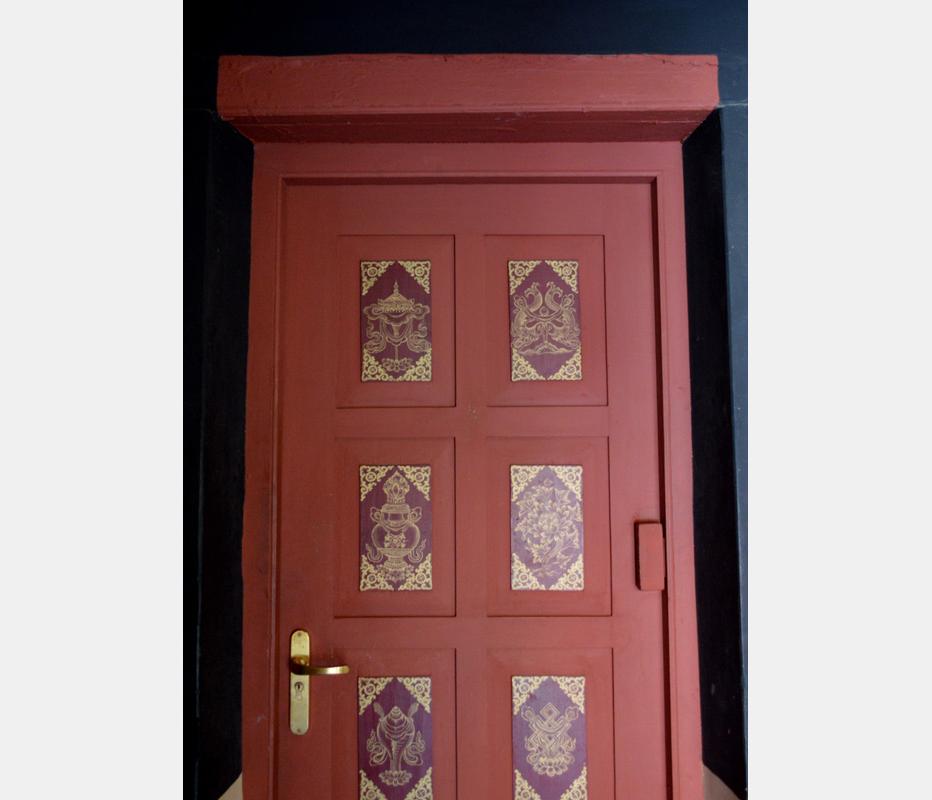
  • A beautifully painted door with some Buddhist symbols.

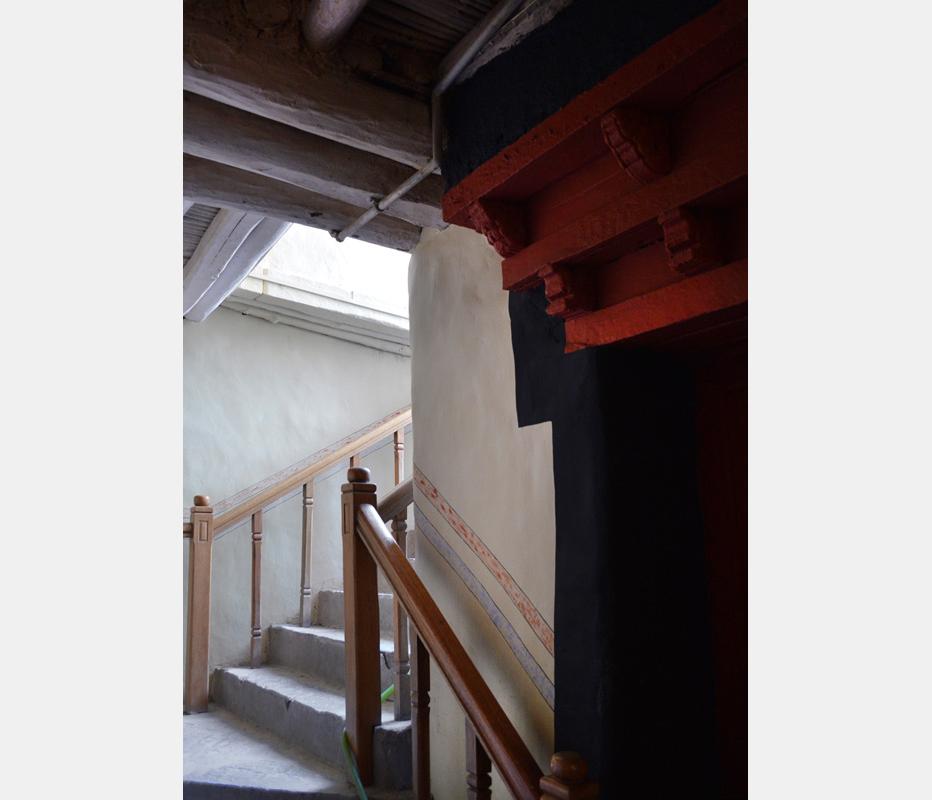
  • Stairs leading to the palace's first storey.

  • A glimpse of the courtyard from the staircase.

  • The courtyard is surrounded by the second storey which forms the museum.

  • The courtyard is small and punctuated with stones, plants and framed artworks.

  • It is dotted with plants maintaining an ethnic look.

  • Carved Mani stones at the centre of the courtyard below the dhwaja.

  • The porched courtyard cafe, outside the palace gives a spectacular view of Stok village.
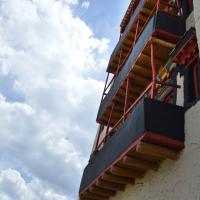
Rabsals - wooden balconies signify the value of the structure in Ladakhi Architecture.

Pillar supports reveal the vibrant colours used according to Buddhist colour theory.

A handcrafted doorknob on the palace doors.

An ancient lock and latch on a door on the first storey of the palace.

A beautifully painted door with some Buddhist symbols.

Stairs leading to the palace's first storey.

A glimpse of the courtyard from the staircase.

The courtyard is surrounded by the second storey which forms the museum.

The courtyard is small and punctuated with stones, plants and framed artworks.

It is dotted with plants maintaining an ethnic look.

Carved Mani stones at the centre of the courtyard below the dhwaja.

The porched courtyard cafe, outside the palace gives a spectacular view of Stok village.

Stok Palace is where the royal family of Ladakh resides permanently. This magnificent structure commands a view over the village of Stok. Painted in the archetypal off-white with traditional windows, it has been beautifully carved and colourfully painted pillars and doorways, leading into the palace. It lends itself to natural simplicity with its earthy palette of colours. The entrance of the palace has inscriptions in the Lansa Script, and to the forefront is a huge stone courtyard enclosed with walls and seating arrangements to one side. Hand painted ethnic doors are present all over the palace. The courtyard has a huge 'dhwaja' or flag installed in the centre. The palace is famous for the collection of ancient and valuable objects of the Ladakhi heritage - like utensils, clothes, jewellery, weapons and currencies - that it houses in the royal families personal museum.

For more details: http://dsource.in/resource/stok-palace
 

Rabsals - wooden balconies signify the value of the structure in Ladakhi Architecture.

Pillar supports reveal the vibrant colours used according to Buddhist colour theory.

A handcrafted doorknob on the palace doors.

An ancient lock and latch on a door on the first storey of the palace.

A beautifully painted door with some Buddhist symbols.

Stairs leading to the palace's first storey.

A glimpse of the courtyard from the staircase.

The courtyard is surrounded by the second storey which forms the museum.

The courtyard is small and punctuated with stones, plants and framed artworks.

It is dotted with plants maintaining an ethnic look.

Carved Mani stones at the centre of the courtyard below the dhwaja.

The porched courtyard cafe, outside the palace gives a spectacular view of Stok village.


Creating Digital-learning Environment for Design


  • Courses
  • Resources
  • Case study
  • Showcase
  • Tools
  • Gallery
  • Videos
  • Animation Design
  • Communication Design
  • Design Fundamentals
  • Interaction Design
  • Product Design
  • Tools for Design
  • Open Design
  • Contribute to our Dsource
  • About
  • People
  • Events
  • Job@D'source
  • Contact Us
  • Privacy Policy
  • Download App
  • YouTube
  • Facebook
  • Twitter

Indian Language
English Bangali Gujarati Hindi
Kannada Malayalam Marathi Punjabi
Sindhi Tamil Telugu Urdu