Animation Design
Batch 2009-2011
(39 items)

Animation DesignBatch 2009-2011
(39 items)
(39 items)

Visual Elements in today’s Lifestyle Products for Youth
by Abhishek Chaudhary
by Abhishek Chaudhary
This project examines the visual elements used in contemporary lifestyle products for youth and their role in shaping consumer appeal. The study explores how young consumers connect with products through visual language influenced by Indian cultural identity and global art movements such as graffiti, pop art, and street art. Indian youth today seek to express individuality while maintaining a connection to their cultural roots and aspiring toward a global outlook. Lifestyle represents patterns of behaviour, values, and consumption that define everyday life. Lifestyle products reflect social background, traditions, beliefs, and habits, extending beyond objects to include art, music, fashion, food, and media. This project focuses on understanding how visual elements in lifestyle products communicate identity, belonging, and aspiration among today’s youth.
Details >>
Summer Internship at ZVKY Design
by Abhishek Chaudhary
by Abhishek Chaudhary
The objective of this internship was to gain firsthand experience of working in a concept design studio and to understand the creative design process. The focus was on engaging with various stages of concept development, including idea building, research, visual exploration, and style definition. This process was essential for understanding how novel forms are created and developed into creatures or characters. The initial stage involved scribbling and doodling to explore new shapes and forms that align with the given concept. These explorations helped in developing volume and structure according to conceptual requirements. The process also included the use of digital tools such as Alchemy and Harmony, which support the generation of multiple visual combinations and assist in refining ideas throughout the design process.
Details >>
Faraar
by Abhishek Chaudhary
by Abhishek Chaudhary
This project explores the world of humour through narrative and visual storytelling. Humour is presented as a result of dramatic buildup leading to a bizarre and unexpected outcome. The film relies on a surprise element, where an apparent anticlimax gradually unfolds into a revelation that both amuses the audience and resolves the underlying mystery. Set in a desolate, godforsaken prison, the story takes place in an environment where convicted individuals are abandoned to a grim fate with no hope of freedom. The protagonist is an artist imprisoned for holding progressive views that are not socially accepted. Throughout the film, his continuous struggle against physical and ideological barriers is depicted. Despite imprisonment, he remains fearless of authority and committed to his beliefs. His actions are misunderstood by fellow prisoners as an escape attempt, but the conclusion reveals a deeper intent—the pursuit of creative expression and the assertion of a unique identity beyond mere physical freedom.
Details >>
Mumbai
by Abhishek Chaudhary
by Abhishek Chaudhary
This report presents an experiential representation of Mumbai through a short animated film, developed as a final project in fulfilment of the Master of Design programme at the Industrial Design Centre. The film captures the essence of the city through everyday observations and cultural interactions, drawing inspiration from informal conversations shared over Mumbai’s characteristic “cutting” tea. The narrative unfolds as a collage of ordinary and extraordinary experiences that define life in the city, including crowded chawls, the influence of Bollywood, vibrant Ganpati celebrations, congested local train travel, monsoon-flooded streets, and the distinctive accent of its people. The film reflects the resilience and enduring energy of Mumbai, portraying a metropolis that continues to thrive despite challenges such as bomb blasts, floods, riots, and social upheavals. It highlights the unbreakable spirit and dynamic life force that characterise the city.
Details >>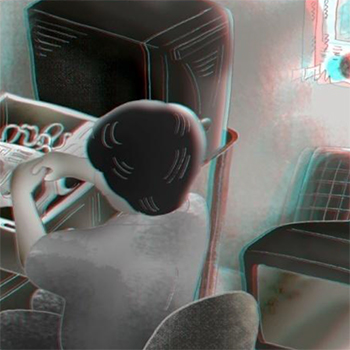
Experiments with Stereoscopic Comics
by Anindya Kundu
by Anindya Kundu
This special project explores the use of stereoscopy within the medium of comic strips. The three-dimensional effect is created through anaglyph images, which require red–cyan filter lenses for viewing. Comic strips and graphic novels are highly evolved and widely popular art forms, distinguished by their ability to engage readers through sequential panels that encourage mental transitions between frames. The project draws inspiration from well-known comic traditions, including classic graphic novels and newspaper comic strips. While conventional comic illustrations rely on flat visual representation, this project experiments with the use of 3D layers and stereoscopic techniques to overcome this limitation. By introducing depth through stereoscopy, the visual experience of the comic strip is enhanced, resulting in a more immersive and engaging form of visual storytelling.
Details >>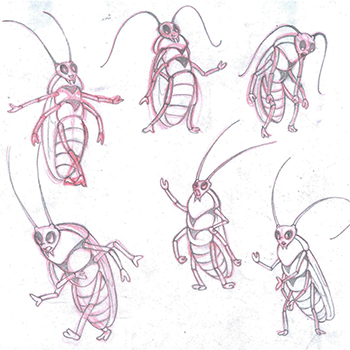
Summer Internship at Infest
by Anindya Kundu
by Anindya Kundu
The objective of this summer internship was to gain exposure to the animation industry and to develop skills related to animation filmmaking, with a focus on animated television series for children. The internship was conducted at an animation studio that primarily works within this domain, providing insight into professional studio practices and workflows. The experience included observation of the studio’s organisational structure and production process, along with skill development in sketching under the guidance of the creative head. The internship also involved conceptual development for an animated short film and an introduction to the corresponding pre-production stages. Over the course of the internship, this experience contributed to skill enhancement and a deeper understanding of the functioning of the Indian animation industry.
Details >>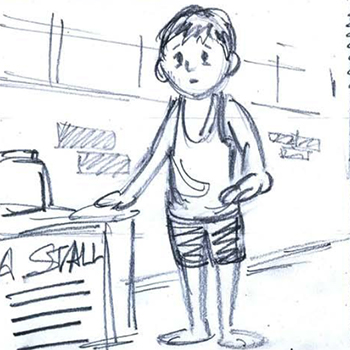
Threshold
by Anindya Kundu
by Anindya Kundu
Threshold is an animated short film project that explores the concept of transition and change. A threshold represents an entrance or turning point that leads to a new state or experience. Although such moments are often accompanied by difficulty and pain, they result in profound transformation. The film seeks to capture the emotional and psychological challenges associated with being in a state of transition. The narrative follows a young man working as a trainee in a start-up company, earning a low salary due to limited experience. Having moved from a peaceful town, he is confronted with harsh realities such as overwhelming traffic, makeshift meals, an offensive workplace environment, and isolation. While he manages to survive these circumstances, his self-esteem gradually erodes. The abrupt shift from a nurturing home environment to the demands of professional life becomes overwhelming, leading him to seek comfort in memories of the past. Resolution emerges when he realises that sharing joy with others is the only way to overcome loss. The film reflects a broader paradigm shift experienced when individuals move from the safety of home and campus into the challenges of earning a livelihood. It portrays the struggle to overcome intimidation by circumstances and the search for balance and harmony during periods of inevitable change.
Details >>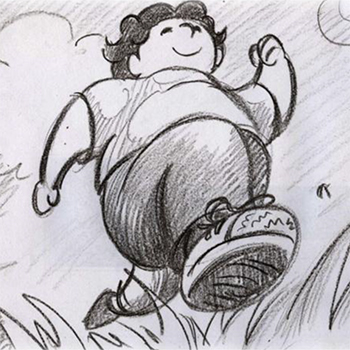
The Ordeal of Losing Weight
by Anindya Kundu
by Anindya Kundu
The Ordeal of Losing Weight is a short film that explores the physical, emotional, and social challenges faced by an obese individual striving to become fit. Set against the backdrop of rising global obesity—now recognised by the World Health Organization as an epidemic—the film reflects the impact of modern lifestyles, high-calorie diets, sedentary habits, and social pressures driven by mass media. Through humour and empathy, the narrative portrays the struggles, misconceptions, and contradictions involved in weight loss, highlighting the futility of shortcuts such as crash diets and extreme exercise. The film ultimately emphasises moderation, healthy living, and self-acceptance, offering a positive and compassionate perspective on the journey toward well-being.
Details >>
Production pipeline in Visual Effects
by Geetanjali Barthwal
by Geetanjali Barthwal
Visual effects play a significant role in contemporary entertainment, particularly in films and television, by creating realistic and convincing imagery that often goes beyond what is possible in the real world. With the continuous growth of global cinema audiences and revenues, visual storytelling has reached unprecedented levels of sophistication, quality, and creative potential. Advances in digital film technologies have transformed film production, placing filmmakers at the forefront of a digital revolution and significantly enhancing production value. Visual and special effects are also employed for practical reasons, such as reducing cost or overcoming logistical limitations, for example, recreating locations that are difficult or impossible to film in reality. Over time, special effects have evolved in many forms, ranging from practical effects used in live performances to elaborate costumes and fully computer-generated characters in cinema. This document examines how special effects are integrated into the production pipeline of live-action films and explores the technological developments that have shaped modern visual effects.
Details >>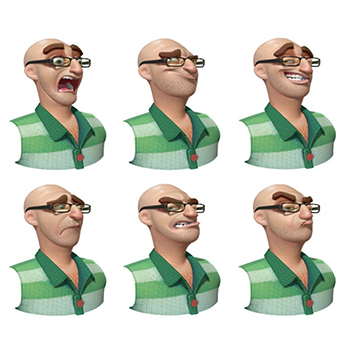
Study of production pipeline in 3D ANIMATION
by Geetanjali Barthwal
by Geetanjali Barthwal
This project aims to understand the 3D production pipeline followed in animation and production houses. Production is a highly coordinated process in which multiple teams of artists work together to achieve a common goal within a fixed timeline. In 3D production, the pipeline defines a structured workflow where tasks move sequentially through different stages, managed hierarchically and stored on a central server before being passed to subsequent levels of work. While pipelines may vary in organisation and execution, they remain largely similar at a macro level across studios. Large production houses operate with state-of-the-art infrastructure, including advanced hardware, software, and sizeable teams. The project examines how effective planning and structured setups guide workflow and ensure optimal use of resources. It discusses the importance and functioning of the production pipeline by briefly outlining each stage, supported by visual examples from artists’ works and well-known films such as Up, For the Birds, and Monsters, Inc. The study also considers the dynamics of studios handling multiple projects simultaneously, including films, visual effects, advertisements, and both 2D and 3D productions, as observed in production environments such as Big Animation, Pune, and Reliance Media.
Details >>
Kak Bhagau
by Geetanjali Barthwal
by Geetanjali Barthwal
This project explores the concept of the unnatural world of spirits and its effect on human beings. Here, a spirit is understood as a supernatural presence that emerges to convey an important message of love and care. The idea of spirits exists widely in both fictional and non-fictional literature and is shaped by varied belief systems. The film does not attempt to establish the existence or non-existence of spirits; instead, it portrays how the fluidity of human thought can lead an individual into an unnatural realm, where the spirit of a deceased wife communicates a message of love for their only child. The project approaches the concept of spirit beyond conventional notions of ghosts or negative energies. Spirits are presented as not necessarily harmful or unsatisfied souls but as subtle, unconscious forms of energy that may exist within the human psyche. Such manifestations can help individuals become aware of critical emotional or psychological experiences that are often ignored yet continue to influence life. The exploration is informed by research into Carl Jung’s theory of archetypes, as discussed in The Interpretation of Dreams. Jung identified archetypal events, figures, and motifs—such as birth, death, the child, the hero, and the union of opposites—which provide a conceptual framework for understanding symbolic and psychological dimensions within the narrative.
Details >>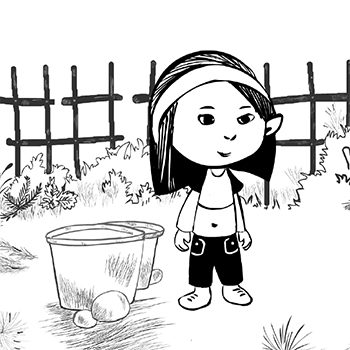
Hichki
by Geetanjali Barthwal
by Geetanjali Barthwal
The project aims to explore the vivid imagination of a child’s inventive mind that knows no difference between the real and unreal. This imagination manifests itself as fear and anxiety, which can be short-lived, yet highly unnerving. As the child grows older, a better understanding of cause and effect and reality vs. fantasy helps him/her to deal with these situations. The abject helplessness of such a situation as seen through the eyes of a child, where their nervousness, past experiences and imagination create an alternate reality, is the prime focus of this film. Her mind creates images and illusions which can’t be differentiated from the real and stretches her emotional and mental condition. However, the child realises that she can overcome these fears and there is nothing to be scared of in reality.
Details >>
Study of Jain Temple Paintings
by Hemali Vadalia
by Hemali Vadalia
This project focuses on documenting Jain temple murals and paintings and extrapolating visual and stylistic elements from them. It also seeks to understand the evolution of Jain painting styles, tracing their development from manuscript illustrations to early fresco paintings. Rooted in Indian tradition, these artworks reflect a living cultural practice in which art and life are deeply interconnected, serving as expressions of the society that shaped the artists. Early Jain paintings were based on the artist’s direct perception rather than idealised representation. Figures were depicted as they were observed, capturing everyday pleasures, struggles, beliefs, and social practices. Realism, in the European sense, was not the objective; consequently, concepts such as linear perspective and spatial ordering differ from Western conventions. Instead, multiple perspectives were employed to reveal various actions within a single frame, with scenes positioned according to visual harmony rather than strict spatial logic. This project examines these characteristics to better understand the visual language and narrative approach inherent in Jain mural and painting traditions.
Details >>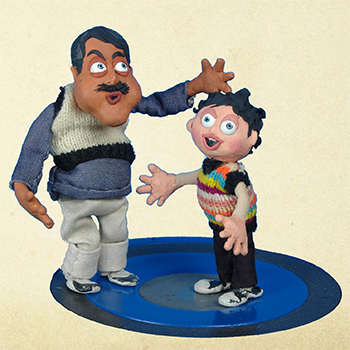
Summer Internship Project at CREST Animation Studios
by Hemali Vadalia
by Hemali Vadalia
This summer internship project was undertaken at Crest Animation Studios Ltd, Mumbai, with the objective of gaining practical exposure to the animation industry and understanding the processes involved in producing 3D animation content for film and television. The internship provided insight into industry-standard workflows and production practices. As part of the learning process, the project involved character modelling, texturing, and rigging using Autodesk Maya. In addition, the internship included participation in a clay animation workshop, during which a short clay animation film titled Little Moments was produced. This involved creating clay models and animating them. Overall, the internship facilitated hands-on experience across multiple animation techniques and contributed to a broader understanding of the nuances of 3D animation.
Details >>
The Gift
by Hemali Vadalia
by Hemali Vadalia
This project focuses on understanding different narrative structures in storytelling, with specific emphasis on the framed narrative form. A framed narrative is a nested structure in which a story exists within another story, allowing multiple narratives to unfold in an interconnected manner. The film employs this structure to tell the story of a child and his grandfather, centring on a handmade birthday gift that holds emotional significance. The narrative follows the child’s search for the gift, with events presented in a non-linear sequence. As the story progresses, the relationship between the child and the grandfather is gradually revealed. The film, titled The Gift, portrays the object as a token of love, personally crafted by the grandfather, who is a storyteller expressing his narratives through book sculptures. The project also explores the fusion of multiple animation mediums, including clay, cutout, and hand-drawn animation, to create distinct visual identities for each of the interlaced sub-stories. Each medium supports the narrative requirements of its respective story, while the framed structure organises and connects the individual narratives, ensuring that each sub-story holds significance both independently and within the larger narrative framework.
Details >>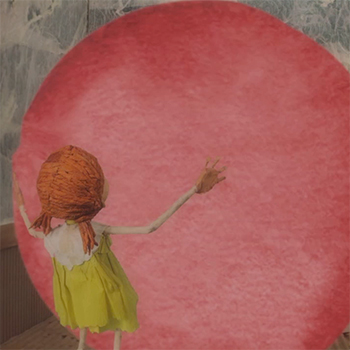
Drift
by Hemali Vadalia
by Hemali Vadalia
Drift is an animation design project; this work represents a P3-level academic project that explores animation as a medium of visual storytelling and design expression. As part of the graduate design curriculum, the project exemplifies the creative and technical processes involved in producing animation content, from concept development through to final video output. Positioned within the rich tradition of student-led experimental animation at IDC, Drift contributes to the archival body of work documenting individual approaches to narrative and visual exploration in contemporary animation design.
Details >>
Pavakathakali- Study and Documentation of Kathakali puppets
by K. Abhilash
by K. Abhilash
“Pavakathakali” – Kathakali puppets – is a traditional puppet theatre of Kerala which existed side by side with the Kathakali – the larger counterpart of the traditional theatre. The puppet form was extinct by the later part of the 20th century. With the efforts of a group of artists, this puppet theatre is revived into its original and complete form. This report is an effort to understand the process by which the features of a dominant form of art were efficiently combined into a miniature form in our traditional storytelling medium and also throw light on the methods of revival, preservation and propagation of the traditional storytelling mediums in the modern days.
Details >>
Summer Internship at ZVKY Design
by K. Abhilash
by K. Abhilash
DOODLED DESIGN explores the creation of mechanical hovering droids through an experimental process of doodling and form exploration. The project focuses on developing a unique mechanical form language that emphasises visual discovery and character expression rather than functional accuracy. Set in a distant future after human extinction, the narrative follows a settlement of droids threatened by an evil, power-driven machine. Through the sacrifice of a master droid, the remaining droids realise the strength of unity and come together to overcome the threat. The story is kept intentionally simple to allow deeper exploration of mechanical forms, demonstrating that in entertainment design, visual storytelling and character-driven form take precedence over strict scientific realism.
Details >>
Meghayana -The Pilgrimage of a Cloud
by K. Abhilash
by K. Abhilash
The visual nature and characteristics of clouds have long inspired artists and poets, who associate them with ideas of hope, freedom, destruction, relationships, and divinity, as reflected across mythology, religion, literature, and the fine arts. Clouds add depth and character to the sky, evoking contrasting emotions through their vast forms, lightness, transience, and dramatic transformations. They can inspire joy and hope, instill awe or fear during storms, and suggest divinity when pierced by rays of sunlight. Experiences of observing clouds, including viewing them from above during flight, further deepen this fascination. This animated short film draws parallels between the changing nature of clouds and the complexities of human life, reflecting how life, like clouds, is a composition of opposing forces such as joy and sorrow, strength and vulnerability, and success and failure.
Details >>
Bharam- The Burden
by K. Abhilash
by K. Abhilash
The Legend of Naranathu Bhranthan, from the state of Kerala, relates the story of the mad saint named Naranathu. His peculiar act of rolling a boulder uphill and pushing it down is an expression of a philosophy relating to vanity in the worldly pursuits of human life. This animated short film is a retelling of this peculiar act of Naranathu, set in a time and location close to contemporary Kerala, using surreal metaphors and retaining the satirical tone of the original legend.
Details >>
3D Modeling For Computer Game Design
by Manish Hans
by Manish Hans
This project report aims to study the process of modelling for computer game design, which requires specialised skill sets and adherence to specific rules, particularly in relation to hardware limitations and rendering performance. Although digital models appear to have depth, they are essentially virtual entities displayed on a two-dimensional screen, where the illusion of three-dimensional space is created through software. This is achieved by defining a virtual 3D space using three perpendicular axes—X (breadth), Y (height), and Z (depth)—with points positioned relative to a common origin. Three-dimensional models are constructed as meshes composed of interconnected points within this virtual space. These meshes consist of triangular polygons, commonly referred to as polys, where each polygon is defined by vertices connected by edges. The polygon mesh forms a virtual surface onto which colours or images, known as textures, can be applied to simulate natural materials. While increasing the number of polygons enhances visual smoothness and realism, it also increases rendering time during gameplay. Therefore, efficient modelling for game design requires balancing visual quality with optimised polygon usage to ensure smooth performance and manageable rendering times.
Details >>
Summer Internship at Visual JuJu Design Pvt. Ltd
by Manish Hans
by Manish Hans
This project documents a summer internship experience at Visual JuJu Design Pvt. Ltd., focusing on professional practices within the animation industry. As an animation design project, it explores the workflow, creative processes, and technical skills involved in producing animation content within a studio environment. The internship provided exposure to real-world studio dynamics, including collaborative production pipelines, project planning, and execution under professional constraints. The report outlines the key tasks undertaken during the internship, highlighting the development of practical competencies in animation design tools and techniques. It also reflects on the integration of academic learning with industry practices, illustrating how foundational principles of animation are applied in commercial production settings. Through this documentation, the project captures insights into the professional animation design process, studio workflow structures, and the challenges and opportunities encountered in a professional studio context.
Details >>
Innocent Dreams
by Manish Hans
by Manish Hans
The project is based on the Ventriloquist show and their performance on the stage, how their lively act gives life to the puppet. Their art is so natural and perfected by rigorous practice that anyone who watches the show tends to believe that the puppet is actually alive and talking. This is the power of ventriloquism. Ventriloquism as an art dates back to the Egyptian era, where puppets were used to represent God's voice by the priests, and later it evolved into the entertainment show. The film attempts to find the deep emotions and attachment of a kid with the surroundings around him. He wanted to see play everywhere and try to believe in his own acts. After watching the show of ventriloquism, how did he initially react to it, and what assumptions did he make in his mind? The child's heart is innocent; he tries to believe that the puppet could actually talk and become his friend. The film expresses the state of mind of such kids who get influenced by the ventriloquism and think that the puppet is actually talking.
Details >>
Exploration in 3D Animation
by Manish Hans
by Manish Hans
This project focuses on the effective use of 3D animation as a medium for storytelling through the creation of a short animated film. It involves learning the fundamentals of 3D animation and applying them to produce a complete film that demonstrates clear and effective narrative communication. The project emphasises skill development in working with 3D animation software and understanding the animation process. The workflow explored in this project covers various methods and techniques involved in digital animation, beginning with initial ideation and hand-drawn sketches and progressing to the creation of three-dimensional objects and final rendered imagery using computer software. Through this process, the project highlights the integration of creative storytelling with technical execution in 3D animation.
Details >>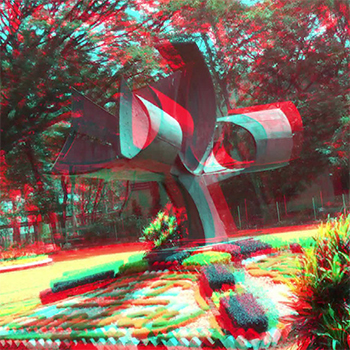
Experiments with Stereoscopic Videos
by Naveen Kiran
by Naveen Kiran
This project focuses on the effective use of 3D animation as a medium for storytelling through the creation of a short animated film. It involves learning the fundamentals of 3D animation and applying them to produce a complete film that demonstrates clear and effective narrative communication. The project emphasises skill development in working with 3D animation software and understanding the animation process. The workflow explored in this project covers various methods and techniques involved in digital animation, beginning with initial ideation and hand-drawn sketches and progressing to the creation of three-dimensional objects and final rendered imagery using computer software. Through this process, the project highlights the integration of creative storytelling with technical execution in 3D animation.
Details >>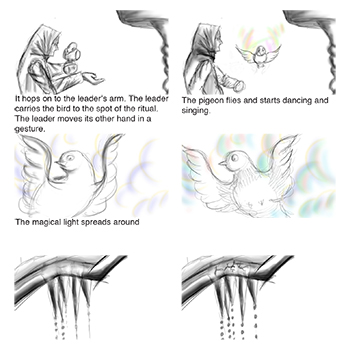
Thithya- Fulfillment of sacred rituals
by Naveen Kiran
by Naveen Kiran
Folklore forms the major source of entertainment during the severe winters in Lahoul Spiti, a region in the upper reaches of Himachal Pradesh, when people are confined to their houses due to heavy snowfall. These folk tales often deal with historical incidents, ghosts and magical creatures, gods and goddesses, fairy tales, and mythology. They consist of simple stories, but every element has a strong relation with the indigenous culture. Much more than just serving the purpose of entertainment, folk tales are a reflection of the culture, society, traditions, and the environment. Being born and brought up in the heart of the Himalayas, listening to such stories remains among my most cherished childhood memories. However, with the advent of television, the interest in traditional stories is declining among the new generation. This project explores and finds my own interpretation of the wide canvas of Himachali folk tales.
Details >>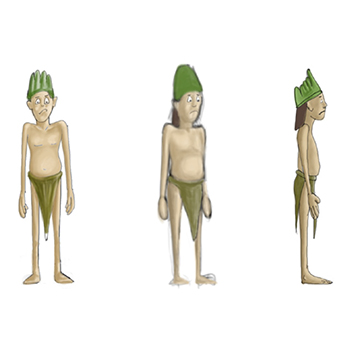
Rumors
by Naveen Kiran
by Naveen Kiran
Rumours have been an integral part of human civilisation since ancient times, serving as one of the earliest forms of information exchange through word of mouth. They are statements about people, events, or issues of public concern that circulate without confirmed truth. Rooted in public desires, fears, fantasies, and belief systems, rumours exist constantly in everyday life, often influencing individuals consciously or unconsciously. Depending on their nature and context, rumours can generate stress, confusion, or amusement. While some fade quickly, others leave a lasting impact on society and individual lives by shaping perceptions and prompting specific reactions. Such reactions often trigger unexpected and complex chains of events. This project explores the serious situations that arise from rumours and presents these narratives in a cohesive and harmonious manner.
Details >>
Marathi Children’s Literature: History & Analysis
by Piyush J. Pimpalnerkar
by Piyush J. Pimpalnerkar
Marathi literature is rich in tradition, as it is related to the evolution of the Marathi language. As language evolves, the literature grows into the branches in different eras, styles, and contexts, with subjects and topics of cultural depth. Each subject is put forth in a way where the reader is supposed to think and link himself with the subject. Each writer develops a style which depicts the richness and the beautiful language combination. Children’s literature is not too different. Children have their own world, which is full of fantasy and imagination. They are very expressive in their own way. Writers express themselves in different styles for them; children also get a sense of like and dislike in their writing. Each child relates themselves to the literature in a different way. Books are also the factors for them to live in imagination. In comics, graphic novels, and comic strips, sometimes the story is told by a writer with expressive illustrations in such a way that a child enjoys the beauty of getting involved with the characters. It makes the child perceive the superhero as too close and also find the hero somewhere inside him.
Details >>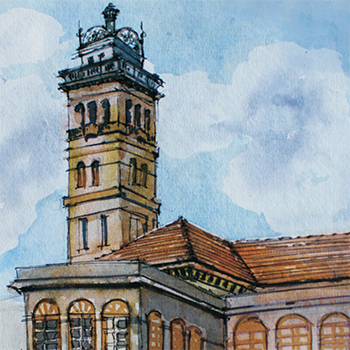
Summer Internship with MILIND MULIK
by Piyush J. Pimpalnerkar
by Piyush J. Pimpalnerkar
This project documents a summer internship undertaken as part of the Animation Design programme at the Industrial Design Centre (IDC), IIT Bombay. The internship was conducted under professional guidance and provided exposure to real-world animation practices, studio workflows, and production methodologies. The primary intent of the project is to understand how animation concepts are developed, executed, and managed within a professional environment. The report outlines the learning experience gained during the internship, including observations of the production pipeline, interaction with industry professionals, and involvement in assigned tasks relevant to animation design. It reflects the integration of academic knowledge with practical application, offering insight into the functioning of a professional animation setup. Through this documentation, the project serves as a record of experiential learning and an introduction to industry-orientated animation practices.
Details >>
A Boy and a Fish
by Piyush J. Pimpalnerkar
by Piyush J. Pimpalnerkar
The project deals with the reflection of mentality and the psychology of loss. We all suffer from various kinds of loss at many steps of life. Losing something, or it may be someone, makes a deep impact on the present situation or on behaviour. Sometimes the person doesn’t know how to react in such a situation. Sometimes it makes changes in life; sometimes it is harmful. They do something to reveal or express their pressure or sadness too. Losses happen with everyone in any condition, so I wanted to show loss through the narration. This project explores the theme of loss through the lens of children’s psychology. Children experience and process loss differently from adults, as their perception of the world is unique and shaped by innocence and limited life experience. Their reactions to difficult situations can be unpredictable, sometimes constructive and sometimes challenging, yet they are often highly expressive in communicating their feelings and emotions. The project focuses on understanding and portraying how children perceive, respond to, and cope with loss.
Details >>
Writing And Illustration By Children
by Samidha Gunjal
by Samidha Gunjal
This project explores the creative processes and expressive capabilities of children through the mediums of writing and visual illustration. It examines how children use narrative and imagery to communicate ideas, emotions, and perspectives that are unique to their developmental and psychological world. By focusing on children’s storytelling and illustrative practices, the project highlights the distinctive ways in which young minds interpret and represent their experiences. This work situates itself at the intersection of visual communication and developmental creativity, documenting both the artistic output of children and the analytical insights derived from that output. Through this documentation, the project contributes to a deeper understanding of how narrative structures and visual expressions emerge naturally in children’s work, providing a reflective study of their imaginative worlds.
Details >>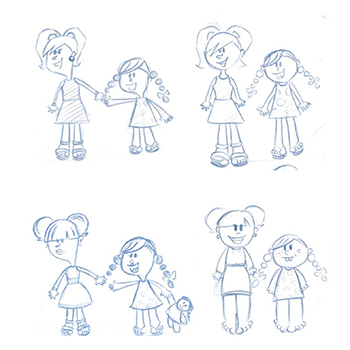
Summer Internship at Studio Eeksaurus
by Samidha Gunjal
by Samidha Gunjal
This report documents the learning experience and professional exposure gained during a summer internship at Studio Eeksaurus, a studio specialising in animation and creative media. The project provides insights into the workflow, production practices, and collaborative processes of a professional animation environment. The internship involved engagement with industry standard tools, techniques, and methodologies used in contemporary animation production. It includes observations of studio operations, participation in assigned creative tasks, and reflections on the integration of academic knowledge with practical application. Through this documentation, the project highlights how foundational skills in animation design are applied within a real world studio setting and presents the professional growth and understanding developed through this immersive experience.
Details >>
Godhadi: Quilt(ed) Memories
by Samidha Gunjal
by Samidha Gunjal
Godhadi is a story about a lonely old man. He lives alone in a house where he spent all his life with his happy family. His daughter is married now, and his wife passed away. The only thing he is left with is a quilt. A quilt made by his wife! The film starts with an old man sitting on a sofa alone. An empty sofa in that room reminds him about his wife, who used to sit there while quilting. The quilt is lying on the sofa. He picks up the quilt. He looks at the quilt, and each patch of the quilt reminds him of past incidents of their life. All the incidents shown in the movie are the ones which changed his life and became the most memorable moments to cherish. And the quilt becomes his companion for the rest of his life. In the end, he is overwhelmed with emotions and hugs the quilt.
Details >>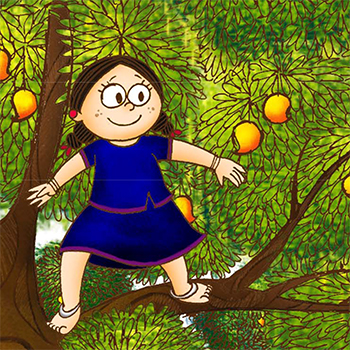
Mamacha Gaav
by Samidha Gunjal
by Samidha Gunjal
Mamacha Gaav means a village where a married sister comes to her brother's house along with her kids during the vacations just for relaxing and, of course, for fun. So that's a vacation not only for kids but also a privileged leave for a sister. The fast pace in the jam-packed cities has nurtured nostalgia in our minds for quiet, sublime, rustic life basked in natural richness and affection. To fulfil this need of today's routine-driven age, I wanted to create a fascinating world, a musical montage montage that awakens the haunting memories of our merry childhood. 'Mamacha Gaav' is a timeless enjoyment complete with fun, relaxation, information and entertainment, where everyone enjoys proximity with nature and the memories are treasured forever!
Details >>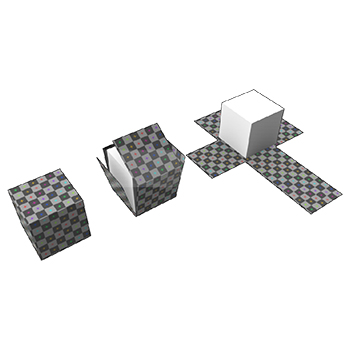
Study and Analysis of Texturing Techniques for Game Production
by Sumeet Kalindi
by Sumeet Kalindi
Player engagement in console and computer games is strongly influenced by convincing visuals that approximate realism, whether photorealistic, stylised, or fantastical. Texturing plays a critical role in achieving this realism by doing more than defining colour or surface patterns; it establishes the object’s identity, history, and believability through indications of time, weather, and human interaction. Surface details are created using images known as texture maps, which define various surface properties and enhance the visual detail of computer-generated models and environments beyond basic colour attributes. As a result, texturing is a crucial and time-intensive phase of game development—often taking up to four times longer than modelling—because it significantly enhances the perception of reality within CG environments, constrained only by available hardware and software. This paper examines the texturing techniques employed in game production.
Details >>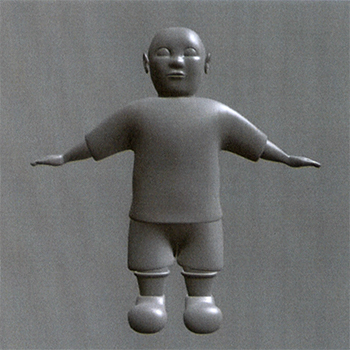
Summer Internship at Bang Creative Solution, Mumbai
by Sumeet Kalindi
by Sumeet Kalindi
The summer internship project was undertaken at BANG Creative Solutions, Mumbai, and provided comprehensive exposure to the production processes involved in 3D animation projects and the creation of 2D animatics for concept pitching. The project involved learning and using industry-standard 3D animation software, Autodesk 3DS Max, including the creation of a photorealistic product render as part of technical training. The scope of work also included story development for a short film, encompassing character look development, storyboarding, and 3D modelling of a character. In addition, participation in the production of a 2D animatic for HDFC Bank offered insight into commercial animation workflows. Overall, the project focused on understanding and documenting the end-to-end production pipeline for 3D computer-animated films, as well as gaining familiarity with the operational practices of a professional animation studio.
Details >>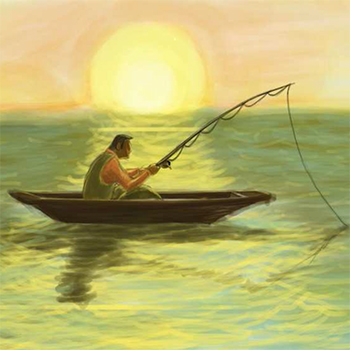
Antar
by Sumeet Kalindi
by Sumeet Kalindi
Recounting a story through visuals Communicating a definite idea relies a lot on the timing of the visuals. This timing decides the pace of a narration, i.e., the pace at which the story unfolds. Time can be related to narratives in terms of the pace of narration and the narrative tense. Pace of narration is different from narrative tense. The latter determines the sense of time the story belongs to or the epoch. The narrative structure based on visual timing is to be implemented in the short film. The narrative pace gives an opportunity to put a lot of messages into the limited time frame of the intended film. As a project I intend to explore narrative structure to learn about this important aspect of time frame. I intend to look at the various forms of narratives with respect to the element of time in which an idea is received by the viewer discretely. Narrating a story through the medium of animation is considered to be an advantage since it does not have the practical restrictions of live action. Despite this, there is this need to justify the use of animation as a medium. Animation brings with it a visual experience unlike the live-action medium.
Details >>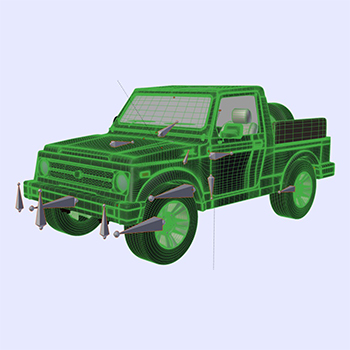
Paranoia
by Sumeet Kalindi
by Sumeet Kalindi
The film aims to take a look into the fear experienced by a person in distress and subsequently its gradual rise leading to paranoia. Paranoia literally is a medical condition attributed to a delusional and often irrational sense of perceived threat to self. This perceived threat overwhelms the individual into doing things they would not do otherwise. The technical learning objectives of the film are 3D rigged animation with facial expressions, backgrounds using matte layers, scene composition in the 3D space, and shot composition.
Details >>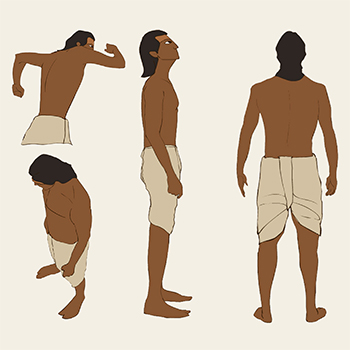
AIRAVATA: The White Elephant of Cloud
by Piyush J. Pimpalnerkar
by Piyush J. Pimpalnerkar
This project explores visual storytelling through animation, using Airavata—a symbolic white elephant—as a central motif to interpret and represent themes associated with clouds and their cultural, emotional, and visual significance. Rooted in narrative animation practice, the work integrates concept development, visual exploration, and design methodology to convey metaphorical relationships between form, movement, and meaning. The project reflects a comprehensive engagement with the animation production process, combining artistic intent with technical execution, and documents both the creative development and analytical understanding of animated visual expression. As an academic contribution, it situates itself within broader discourses of visual culture and animation design while demonstrating the student’s ability to translate conceptual ideas into an animated form.
Details >>