Jump to navigation

  •  
  •  
  •  

  • Courses
  • Resources
  • Case study
  • Showcase
  • Tools
  • Gallery
  • Videos

Search form

Search

    unblocked games retro bowl
  • yohoho
  • unblocked games

unblocked games-

unblocked games-

unblocked games-

unblocked games-

unblocked games-

unblocked games-

unblocked games-

unblocked games-

unblocked games-

unblocked games-

unblocked games-

unblocked games-

unblocked games-

unblocked games-

unblocked games-

unblocked games-

unblocked games-

unblocked games-

unblocked games-

unblocked games-

unblocked games-

unblocked games-

unblocked games-

unblocked games-

unblocked games-

unblocked games-

unblocked games-

unblocked games-

unblocked games-

unblocked games-

unblocked games-

unblocked games-

unblocked games-

unblocked games-

unblocked games-

unblocked games-

unblocked games-

unblocked games-

unblocked games-

unblocked games-

unblocked games-

unblocked games-

unblocked games-

unblocked games-

unblocked games-

unblocked games-

unblocked games-

unblocked games-

unblocked games-

unblocked games-

Animation Design Communication Design Design Fundamentals Interaction Design Product Design Tools for Design Open Design
Home / Gallery / Ringal Winnow Making
Design Gallery

Ringal Winnow Making

Craft Practice from Uttarakhand
by
Prof. Bibhudutta Baral
NID, Bengaluru
  • Printer-friendly version
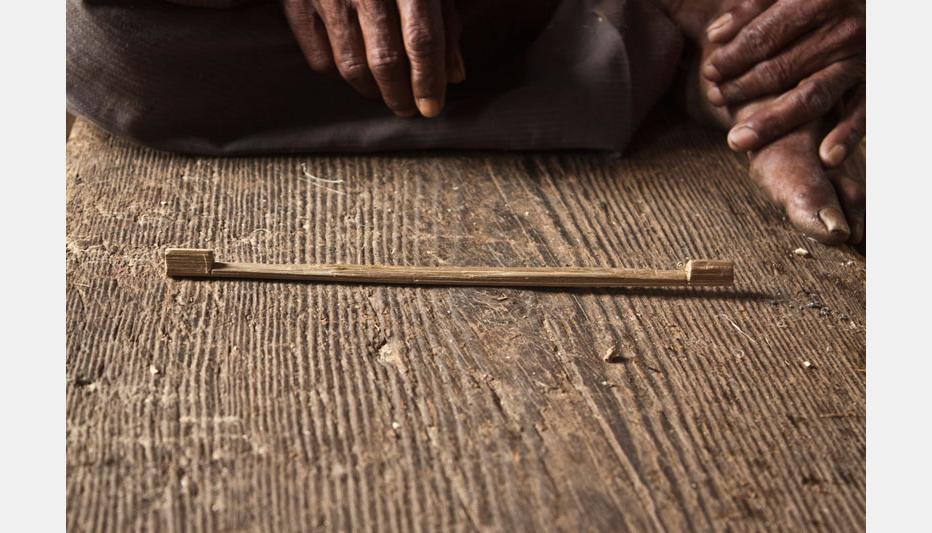
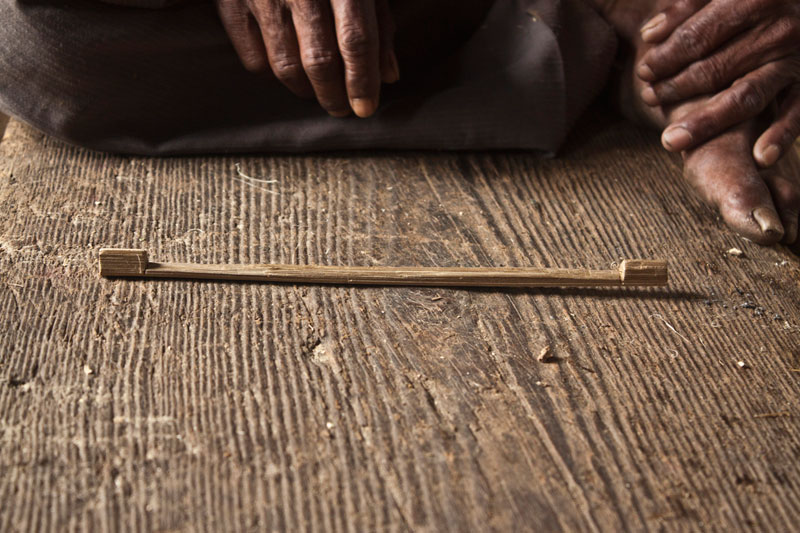
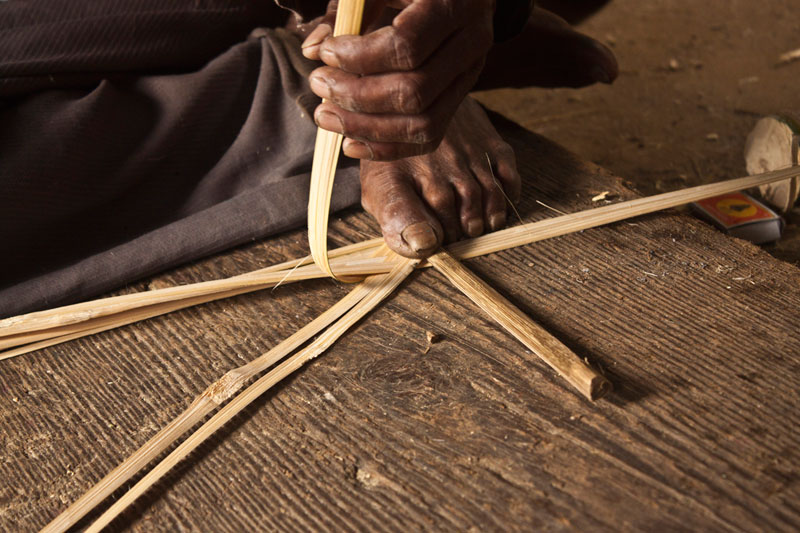
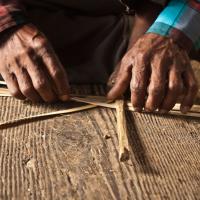
  • Bamboo stick is shaped to form the front part of the winnow.

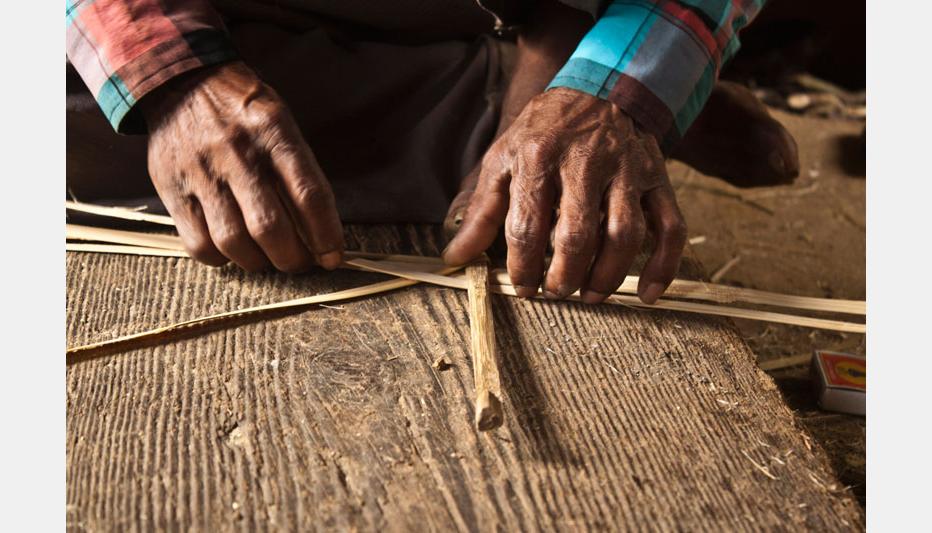
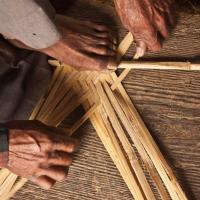
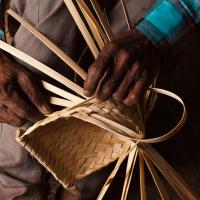
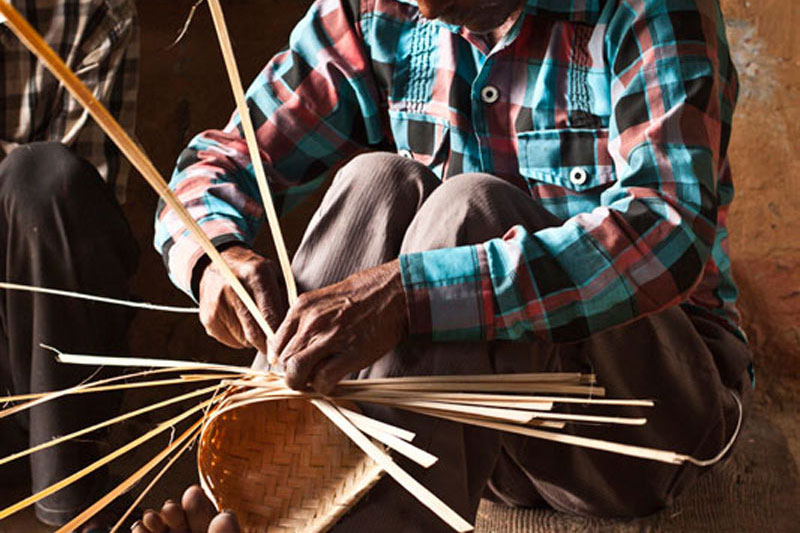
  • Arranging bamboo splits to start weaving.

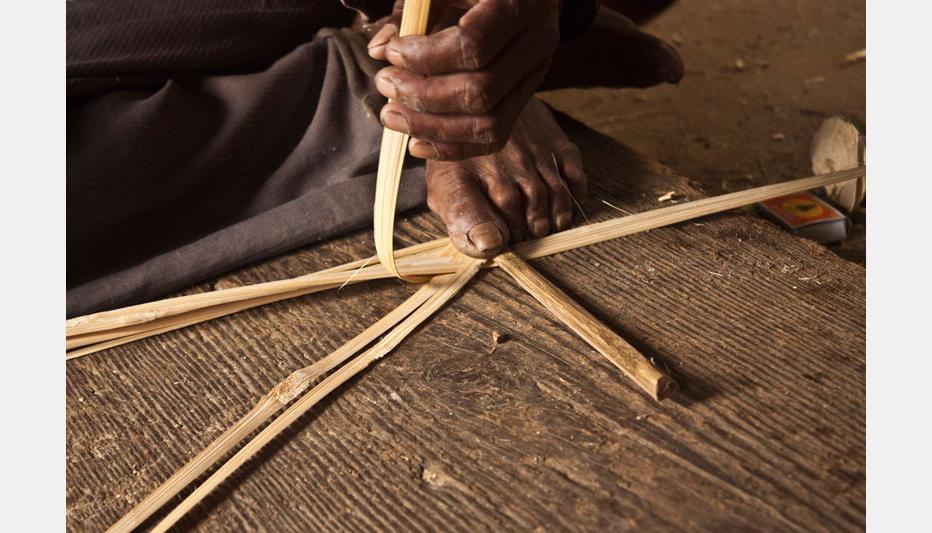
  • Initially, the strips are kept under the front stick in criss-cross manner.

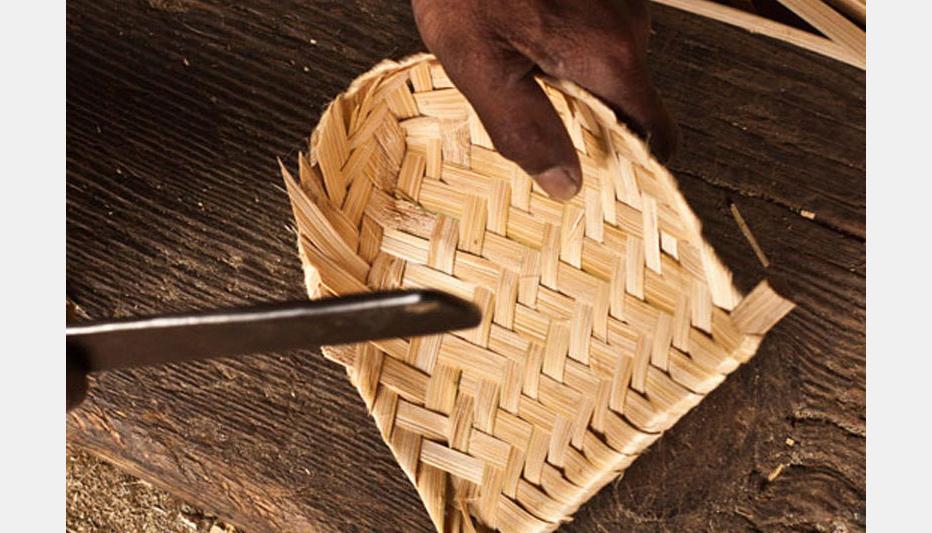
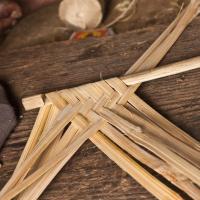
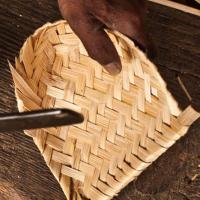
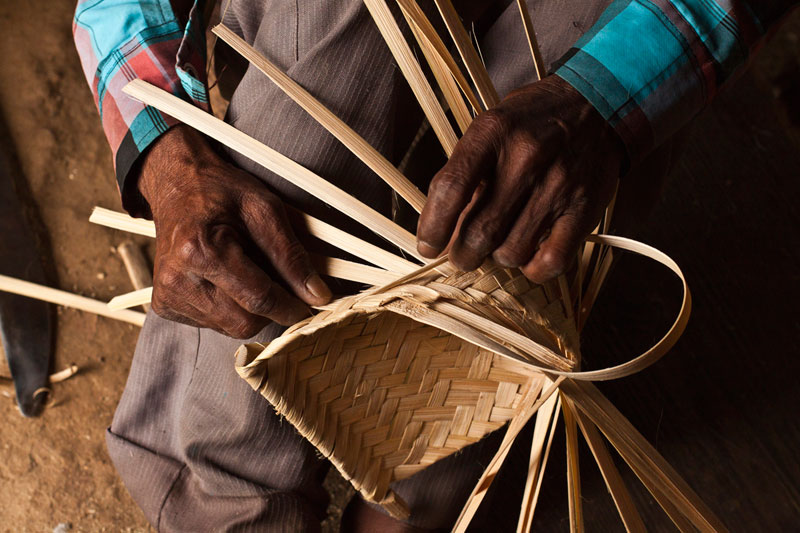
  • The splits are interwoven in a Zig-Zag manner.

  • Weaving pattern looks similar to a basket weave (textile weave).

  • The splits are reversed from the front stick and interwoven in the main body.

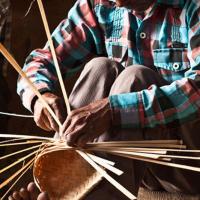
  • Artisan using both hands and legs tactfully to weave the winnow compact.

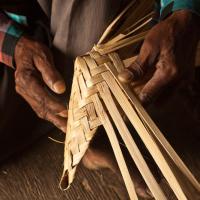
  • Extra long edges are twisted and turned to interweave.

  • Interlocking the top edge.

  • Extra edges are removed after weaving.

  • Tender wooden twig is fixed at the top for reinforcement.

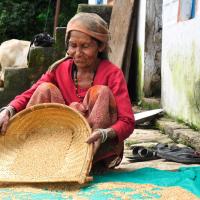
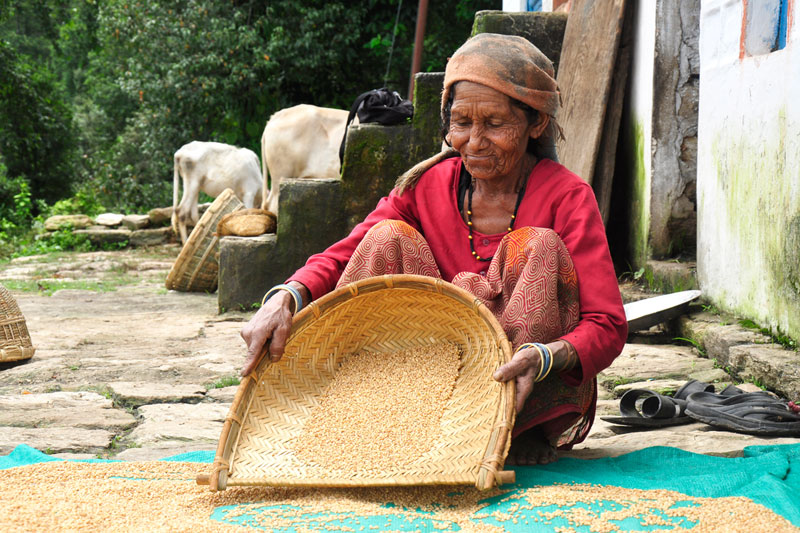
  • Winnow is used in daily life for winnowing purposes.

Bamboo stick is shaped to form the front part of the winnow.

Arranging bamboo splits to start weaving.

Initially, the strips are kept under the front stick in criss-cross manner.

The splits are interwoven in a Zig-Zag manner.

Weaving pattern looks similar to a basket weave (textile weave).

The splits are reversed from the front stick and interwoven in the main body.

Artisan using both hands and legs tactfully to weave the winnow compact.

Extra long edges are twisted and turned to interweave.

Interlocking the top edge.

Extra edges are removed after weaving.

Tender wooden twig is fixed at the top for reinforcement.

Winnow is used in daily life for winnowing purposes.

Ringal or Dwarf bamboo is very flexible in nature, available in local forests of Uttarakhand. Bamboo craft is practiced in many places of Uttarakhand due to abundant availability of rich quality and variety of species of bamboo in local forest. Among the species of bamboo Ringal is one of the bamboo species. Local bamboo artisans' make varieties of house hold bamboo products with tender bamboo splits. These products are very strong and suitable for multipurpose uses. Containers, storages, mats, baskets, winnows (sieve used when the crop is harvested to clear impurities in grains) are made to cater local needs.

The common household kitchen product 'Sieve' or 'winnow', is mainly used for agricultural and kitchen purposes. Lengthy bamboo pole is split into wide thin splits. Slightly tender bamboo splits are directly used for winnow weaving. In case if the bamboo splits are dried, they are soaked in water before weaving to regain moisture. Winnow weaving process is done by arranging the bamboo strips in criss-cross manner with the help of small bamboo stick. Once the weaving is completed, the extra edges are cut and removed. A small tender stick is tied on the edge of the winnow to give reinforcement.

For more details:
http://dsource.in/resource/ringal-bamboo-basketry-uttarakhand

Bamboo stick is shaped to form the front part of the winnow.

Arranging bamboo splits to start weaving.

Initially, the strips are kept under the front stick in criss-cross manner.

The splits are interwoven in a Zig-Zag manner.

Weaving pattern looks similar to a basket weave (textile weave).

The splits are reversed from the front stick and interwoven in the main body.

Artisan using both hands and legs tactfully to weave the winnow compact.

Extra long edges are twisted and turned to interweave.

Interlocking the top edge.

Extra edges are removed after weaving.

Tender wooden twig is fixed at the top for reinforcement.

Winnow is used in daily life for winnowing purposes.

Creating Digital-learning Environment for Design


  • Courses
  • Resources
  • Case study
  • Showcase
  • Tools
  • Gallery
  • Videos
  • Animation Design
  • Communication Design
  • Design Fundamentals
  • Interaction Design
  • Product Design
  • Tools for Design
  • Open Design
  • Contribute to our Dsource
  • About
  • People
  • Events
  • Job@D'source
  • Contact Us
  • Privacy Policy
  • Download App
  • YouTube
  • Facebook
  • Twitter

Indian Language
English Bangali Gujarati Hindi
Kannada Malayalam Marathi Punjabi
Sindhi Tamil Telugu Urdu