
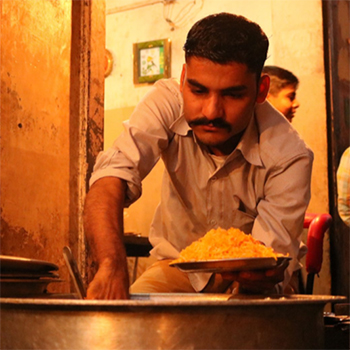





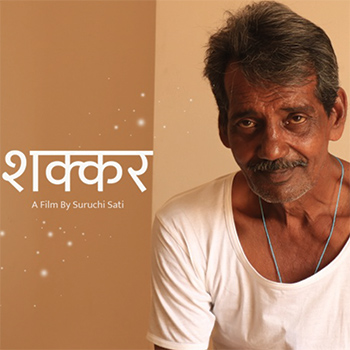




Lucknow, the capital city of Uttar Pradesh, is one of the most vibrant cities in India, and is among the top ten fastest growing non-major-metropolitan cities of India. Today’s Lucknow has a varied character, that boasts extravagant, pedantic recent architectural additions that lack ethos, a mixed cultural scenario, thriving commercial opportunities and a highly sought after active political arena. However, less than a hundred years back, it was primarily known as the leisure city, the cultural capital of the Awadh that thrived under the reign of the Nawabs, who left a cultural legacy of appreciation for food, music, dance and beauty. as well as a series of delicate, beautiful spaces and experiences that are faintly reminiscent of the rich Nawabi culture. Despite a rich former identity it held strongly in it’s historical background, the city has evolved through rapid globalisation and fast paced ways of new era. However, some of it’s past has managed to find a place in the lives of the contemporary population. Local food habits and demands in particular, seem to have been very accepting of the new additions while also being inclusive of the older ways, which is quite delightful an experience for the foodies who often wander into the city to try out the local delicacies. Had it not been for the immaculately ancient ways of the local natives, their longing for the past, and the brilliant old token heritage buildings, museums and music and dance schools, the cultural of the Nawab’s would have been almost mythical by now. Having had my own personal encounters with the Awadhi food culture, I took on this project out of sheer fascination, to understand the nuances of a culture which is till date celebrated for it’s delicate character. Visual ethnography, the chosen method of research proved to be a suitable tool during field work. The aim was to understand and effectively capture changes that were brought about in Awadhi culture and food over the years and what promise it holds for the future.