Product Design
Batch 2017-2019
(51 items)
Product DesignBatch 2017-2019
(51 items)
(51 items)
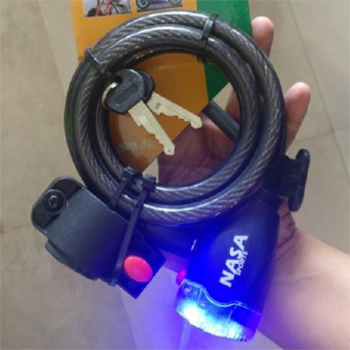
Cycle Lock
by Anushree Banerjee
by Anushree Banerjee
This project by Anushree Banerjee, carried out as a summer internship at Futuring Design Pvt. Ltd., explores innovative approaches to product design with a focus on usability, aesthetics, and market relevance. As a P1 (first year) design project, it focuses on rethinking the form, mechanism, and usability of a bicycle locking system. The internship involved understanding real-world design processes, analyzing user needs, and generating creative solutions that balance functionality with form. The work emphasized ideation, material exploration, and refinement of concepts to suit both manufacturing feasibility and consumer expectations. Through this engagement, the project not only contributed to design development for the studio but also gave the intern valuable hands-on experience in bridging design thinking with practical industry requirements.
Details >>
Cooking starter kit design for new cooks
by Anushree Banerjee
by Anushree Banerjee
Learning to cook is one of the most basic needs of every adult. For new cooks starting out, life after college cooking is an important step to become more independent and ensure they eat healthy. Cookware is an important investment for them. Creating a range of utensils for this new generation of cooks is a challenge due to multiple reasons. Making a modular set of utensils which allows for healthy cooking allows a versatile range of cooking with limited utensils. Designing value for money and a contemporary-looking starter kit for fast-paced yet passionate , tech-savvy youth setting up their kitchen.
Details >>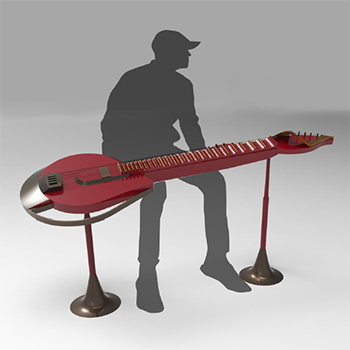
Reimagining Saraswati Veena In Modern Context
by Anushree Banerjee
by Anushree Banerjee
The present-day Saraswati Veena, attributed to Raghunath Nayak (circa 17th century ) of Tanjavur in Tamil Nadu, is one of the most important Indian classical instruments. It is seen adorned by Saraswati – the goddess of wisdom and knowledge. Known for its deep, mellow tone and ocean of shrutis (microtones). But in spite of the glorious history, it has not been able to capture the attention of the music-loving youth of our nation. From Veena adorning the 60s and 70s household to the present-day scenario where the youth seemed to have gravitated towards a Fender or Stratocaster. The reason for it might be the popularity of Western music in pop culture due to high availability and easily accessible lessons and tutorials, etc. There are only a handful of Veena makers left, with the next generation preferring some other profession. Addressing issues like portability, fragility and sustainability while capturing the same sound. Reimagining the instrument in a new form which can represent the youth yet does not take away the essence of the timelessness of the instrument is the need of the hour. So, developing a design which is easy to manufacture is also important to rekindle the interest of young musicians towards this wonderful musical instrument.
Details >>
Consideration of social behaviour of women workers while designing a dust protection face mask, to be used in a highly dusty environment
by Apurba Mondal
by Apurba Mondal
India is the world’s second-largest producer of bricks, with over 200 million bricks manufactured a year in the 100,000 units across the country, where 65 per percent of it gets manufactured in the Indo-Gangetic plains. The workers in the unorganised brick-making sector are most vulnerable to physical, economic and mental exploitation with no systematic record of them. Fixed chimney bull trenches and the clamp are the two types of kilns which are used in India which have higher black carbon and dust emissions compared to the Hoffman kilns being used in China. The paper focuses on the workplace-related hazards faced by the workers, which results in respiratory disorders, and to create design interventions in the clothing of the female workers with and without the usage of standard filter fabrics which would be socially accepted by the workers.
Details >>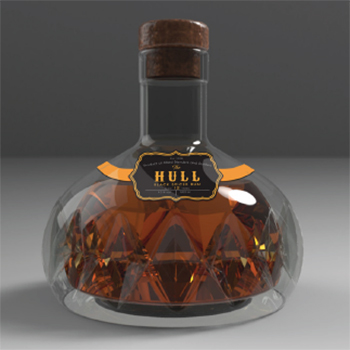
Luxury Alcohol Bottle Design
by Apurba Mondal
by Apurba Mondal
Fermented beverages existed in early Egyptian civilisation, and there is evidence of an early alcoholic drink (rice wine) made out of the fermentation of rice, honey and fruits in China around 7000 B.C. and are known to have independently mastered the process of distillation. In India, an alcoholic beverage called sura, distilled from rice, was in use between 3000 and 2000 B.C. Much before the birth of Christ, consumption as well as celebration of the beverages was a part of many ancient civilisations, such as the Babylonians, who worshipped a wine goddess as early as 2700 B.C. In Greece, one of the first alcoholic beverages to gain popularity was mead, a fermented drink made from honey and water. Evidence of alcoholic beverages has been found in ancient Egypt as well, dating back to 3150 BC. Beer, which is an alcoholic beverage of low alcohol volume, was an everyday drink for people of all classes in Europe during the Middle Ages.The most common usage of alcohol (spirits) was for medicinal purposes, and they were being mass-manufactured only after the 17th century and gained momentum only after the British Parliament passed a law encouraging the usage of grains for distilling spirits. But after rising incidents of citizens breaking the law under the influence, the American as well as British governments imposed a ban on the manufacturing, sale, import, and export of intoxicating liquors.
Details >>
Design of Lamps with Warli Art
by Apurba Mondal
by Apurba Mondal
Lighting is an essential part of everyday households, and when put into scenarios depending upon the activity that needs to be performed, there are different types of the same. Lamps as a product have a lot of potential to bring out motifs and art artforms. They can range from minimal and modern/contemporary to traditional and abstract. Traditional or tribal Indian art forms, especially Warli, are facing a huge problem in sustaining in the modern society. Even though they are heavily used in products such as bags and clothing, they are, however, taken from an uncredited source. In this project, lamps as a product incorporating Warli art are explored to push the art further into urban households. A system-level involvement of the artists living in their villages in the manufacturing of lamps would bring a viable source of income and hence keep the art alive. For this project, a hybrid of modern and traditional types of lamps has been taken, keeping in mind the style of art, and various lighting experiences have been explored.
Details >>
Low Cost Portable Digital Microscope for children
by Apurba Mondal
by Apurba Mondal
The aim of the project is to design and test a portable and affordable digital microscope for school students which connects to screen-based devices. It is focused on being an easy-to-operate device and is economical to be a personal device for learning. It would provide an opportunity for students to look at what the naked eye can not see and hone their curiosity. As a mandatory device provided by the institute for academics, it would aid them and also could be gifted to those who don’t have a microscope in their curriculum yet. Various concepts of operation, slide (onion peel cell) and non-slide (e.g., butterfly) sample insertion, navigation, zoom and focus controls were compared. Playfulness of the device is a key focus, and an important feature which has been introduced is invertibility. This has benefits when a live sample needs to be viewed in a petri dish. The camera lens, instead of being above the sample, is below it, and the tissues, cells, etc., deposit at the bottom and are clearer to view. The device can be simply inverted and kept to be used like this. This has major applications in higher studies in biological sciences. User feedback based on the prototypes aided in improving the design further. A minimal instruction sheet on how to operate, understand scale marking of samples viewed and preparation of slides is designed to create an easier experience.
Details >>
Future Of Sports Helmets
by Archana Sonavane
by Archana Sonavane
The report studies sports helmets and presents a synthesis of research-based information and opinions. A review of the literature shows that helmets play an important role in head injury prevention and control. Helmets have been shown to be very efficacious and effective in a range of sports and in preventing specific head injury risks, especially moderate to severe head injury. The report emphasises the importance of helmet standards and the need for further development. There are calls for helmets that address the needs of competitive (elite) athletes separate from helmets for recreational athletes. Deficiencies in the evidence base for head injury risks and helmet efficacy and effectiveness were identified in some sports. A need to evaluate helmet performance in oblique impacts and incorporate this into standards is also a part of this report. There are emerging opportunities within helmet technology to improve impact performance or to measure impact exposure. Helmet technology, as it matures, may provide critical information on the severity of the impact, the location of the injured athlete, for example, motorcyclists, and assist in the retrieval and immediate, as well as the long-term medical management of the athlete. It was identified that athletes, families and sports organisations can benefit from access to information on helmet performance. The importance of selecting the appropriately sized helmet and ensuring that the helmet and visor were adjusted and restrained optimally was emphasised. The translation pathway from the science to new and better helmets is the development of appropriate helmet standards and the requirement for only helmets to be used that are certified to those standards.
Details >>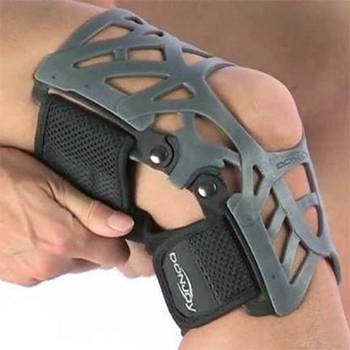
Training Equipment For Endurance Running
by Archana Sonavane
by Archana Sonavane
Endurance running is a form of continuous running over distances of at least eight kilometres (5 miles).
Details >>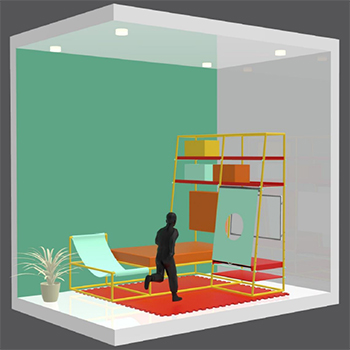
Exploring Spaces In Children’s Furniture
by Archana Sonavane
by Archana Sonavane
The aim of this project is to design furniture for children between the age group of 6 to 10 years that also challenges the conventional kids’ furniture available in the market today. The design process involves the translation of “playfulness” as an experience rather than just a formal expression. It also takes into account the need for a design solution that is space-saving and grows with the child while giving them a sense of independence and belonging. As a part of the process, studies were conducted directly with the children in their homes. This helped in providing clarity on their requirements and also established spatial context. A major challenge was in tackling aspects of packaging, transportation and assembly. The exploration takes all of this into consideration and provides the user with a simple, playful and practical solution that effectively caters to a child’s growing needs.
Details >>
Device To Aid Early Detection Of Breast Cancer
by Archana Sonavane
by Archana Sonavane
The primary aim of this project is to design a portable self-scanning device to check for breast abnormalities in women in the age group of 20 years and above to aid early detection of breast cancer. Breast cancer used to be a disease associated with women in the age group of 50 years and above. However, in the last decade there has been a considerable rise in the number of breast cancer cases in younger age groups (30-40 years). Also, most cancers tend to show no symptoms until a very advanced stage, after which the patient cannot be saved, and therefore early detection is the key to survival. Hence, there is a need for awareness regarding regular monitoring of breast tissue to identify abnormalities. As a part of the process, studies were conducted on the existing technologies used for initial scanning of breasts for cancer detection. Mammography is currently the gold standard for detection of cancer lesions in the breast tissue, after which the patient is sent for further confirmation tests. However, mammography is well suited for women in age groups of 50 years and above, as the breast tissue is not as dense as in the younger age groups, and the incidence of breast cancer is on the rise in the younger age group (30-40 years). Also, it tends to expose a healthy individual to the harmful X-rays. This project aimed at designing a device using a harmless technology that is equally effective in all age groups and can be used by women in the comfort of their homes as a part of the process of self-examination. This device would not only help women scan for abnormalities but also help them become aware of their bodies to identify these abnormalities.
Details >>
Gameplay and Examples
by Maddu Shravan Murali
by Maddu Shravan Murali
The thesis Games without Frontiers by Mr. Aki Jarvinen was given to me by Prof. Uday Athavankar. In this report I have tried to analyse traditional Indian games by applying the analysis template proposed by Mr. Aki Jarvinen. This report is in 2 parts. In the first part I tried to elaborate, to the best of my understanding, the definitions of each component of the analysis template. In the 2nd part I tried to analyse games which were a result of numerous interviews conducted by me in different regions like West Bengal, Andhra Pradesh, Tamil Nadu and Jammu. The objective of this report is to find if the Library of Mechanics proposed by Mr. Aki Jarvinen is sufficient for Indian Games.
Details >>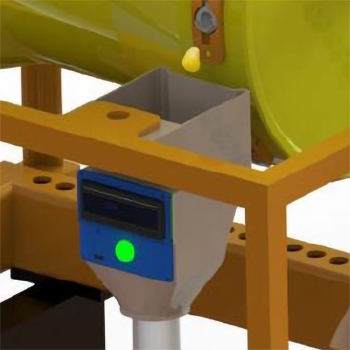
PG AGRI Farm equipment solutions
by Maddu Shravan Murali
by Maddu Shravan Murali
PG AGRI Farm basically provides agricultural equipment to the local farmers at a subsidised rate as prescribed by the Indian government. They have an overall of 7 centres in places like Shimoga, Dharwad and Uttar (North) Karnataka districts. Anujay Rao is the Co-Founder and Head of Project/Design of the company.
Details >>
Redesign of the ALIMCO Hand
by Maddu Shravan Murali
by Maddu Shravan Murali
Limb loss is a burden for the patient and for their carers. It also imposes a financial and psychological burden upon the amputee. Amputation of a limb is a stressful event for an individual. It is a surgical option in circumstances where salvaging a limb is improbable, and the remaining part of the limb tissue needs excision. It is an irreversible surgical option which results in bodily disfigurement. The patient is affected emotionally, and this results in poor quality of life. The amputee may develop depressive disorder due to feelings of loss, self-stigma, and difficulty in coping with the impairment. The healthcare service in India differs considerably from elsewhere. Mental health care access is very difficult and fragmentary.
Details >>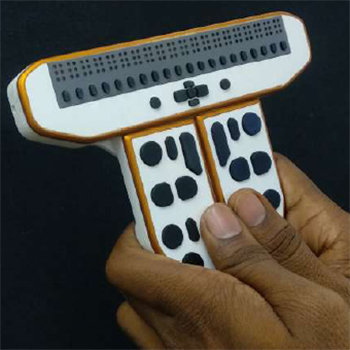
Compact Braille Input Device for the Visually Challenged
by Maddu Shravan Murali
by Maddu Shravan Murali
A sighted person mostly relies on the visual sense to perceive the surroundings. A visually impaired person has to rely on tactile and audio feedback only to make any sense of his/her environment. The script used by the visually impaired to read and write is called Braille. A sentence in Braille consists of Braille cells which are small enough to fit under a finger tip. It is made up of six embossed dots (in varying combinations) arranged in two columns and three rows. Braille can be read by sweeping the tip of the index finger over the embossed sentence. Braille script to a visually challenged person is equivalent to printed script to a sighted person. Braille is not a language but a representation of a language in texture format. Refreshable Braille display devices and applications like ‘voice over’ for smartphones and computers are a few examples of new assistive technologies used by visually challenged people which provide tactile and audio feedback, respectively, to perceive information which is in digital formats. A comparative study of the products used by the visually challenged to practise Braille shows that they either fall short on the portability factor or need a tabletop-like horizontal surface to keep the device on top of to operate. Such conditions leave the user looking for a table.
Details >>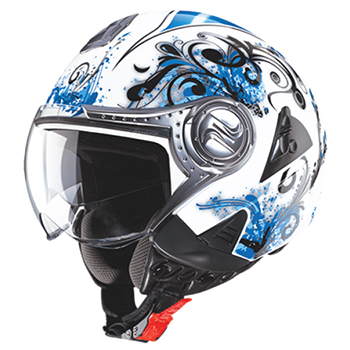
Study of consumer perception towards Open face helmet designs in India
by Minal Agarwal
by Minal Agarwal
Helmets are an essential safety precaution while riding a two-wheeler. The appearance and aesthetics of helmets play an important role to attract buyers, i.e., make them choose a certain helmet, and also act as a way to communicate the language of a brand. The study focuses on how the elements of design in terms of appearance and aesthetics (form, material, finish, graphics and colours) affect the buyer’s perception (attention and purchase). The type of helmets considered for this study were open-face helmets from different brands in the Indian market.
Details >>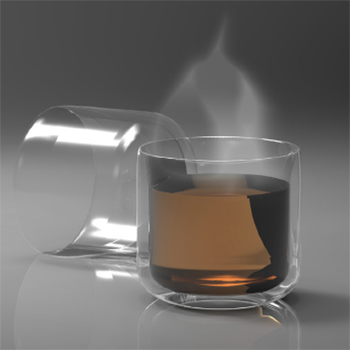
Design of Teaware for Carafewerk
by Minal Agarwal
by Minal Agarwal
In India, chai is more than just a cup of tea to start the day – this drink is an essential part of the rhythm of life. Tea is the most common drink in India. India consumes 837,000 tonnes of tea every year. The ritual of chai crosses all boundaries. Carafewerk, through their tea machine, have tried to bring the essence of Chai into their product. The machine brews tea in the traditional methods and can prepare customised tea according to the user’s preference. Carafewerk is trying to launch itself as an exclusive tea brand. This project aimed at designing a line of teaware for the brand for an office environment. The various components of the tea set were decided, and a more minimal and contemporary approach was followed while designing the teaware.
Details >>
Next Generation Washers
by Minal Agarwal
by Minal Agarwal
Today, a washing machine is one of the most important appliances in a household. It gives us the complete comfort of washing clothes. It has helped us make more time for ourselves and our close ones. The process of washing, which used to be an elaborate process, has been reduced to just a few presses of buttons. The project is an elaborate take on the design of washers which will fit into the lifestyle of a family, 5 years down the line. The process included a detailed understanding of the scenarios of the future and understanding the user needs and requirements. The design process not only covers the function and usability but also a detailed understanding of form and how the form will fit into the interiors of an urban house.
Details >>
Geometry Kit for Visually Impaired Kids
by Minal Agarwal
by Minal Agarwal
The number of blind people in India is 12 million, out of which 26% are children. These children will be making major contributions to the society in coming years. Due to slow cognitive development and the inability to see, visually impaired kids face a lot of difficulty in education and learning. There are requirements for special methods and tools to make them understand various educational concepts. It was observed that due to the lack of certain resources, visually impaired kids are deprived of learning more visually inclined (diagram or picture) topics. Geometry is taught in upper primary schools to sighted students; however, due to the complexity and unavailability of proper instruments, it is not taught in the majority of blind schools in India. This design project dedicates itself to helping the visually impaired children to learn basic geometry and be able to construct simple geometric diagrams.
Details >>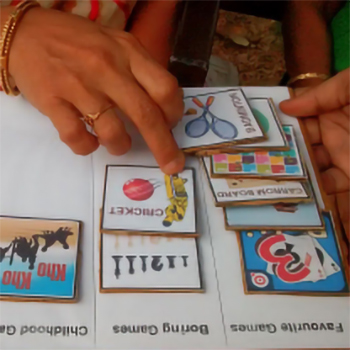
Games and Senior Citizens
by Minu
by Minu
Older adults need to keep exercising to stay active and healthy. Games are proven to be an important and fun way to stay healthy. They not only help us to upgrade cognitive or physical functions but also help us to stay socially active. Irrespective of what age group one belongs to, games tend to lure everyone. India being home to numerous games. With the advancement of newer technologies and more options to play games, a lot of these games are on the verge of getting forgotten.
Details >>
Designing An Auditorium Chair
by Minu
by Minu
Nilkamal Limited is a plastic products manufacturer based in Mumbai, India. It is the world's largest manufacturer of moulded furniture and Asia's largest processor of plastic moulded products. Their product range consists mainly of custom plastic mouldings, plastic furniture, crates and containers. • In 2011, the company also began production of mattresses. • The company has 8 large manufacturing plants in India: • North – Samba (Jammu & Kashmir) and Greater Noida (Uttar Pradesh) • East – Barjora (West Bengal) • West – Sinnar, Nashik (Maharashtra) and Silvassa (Union Territory of Dadra & Nagar Haveli) (2 plants) • South Pondicherry (Union Territory) and Hosur (Tamil Nadu) The company has advanced machinery in injection moulding, rotational moulding, vacuum forming, polyurethane injection (of insulation) and capabilities for blow moulding.
Details >>
Post Industrial Design Application of Bamboo: Design and Construction of Drones Using Bamboo Weaving Technique
by Minu
by Minu
Bamboo can be used in numerous forms (as hollow or solid sticks, strips of varied width and thickness, with weaving and without weaving) to make the structure and to serve various other purposes as required; being highly resistant to climatic conditions, more resistant to stain and scratch, and more durable and long-lasting material, it can be used further to explore the utility in this field. As the use of natural materials is an important trend right now and people are becoming more ecologically conscious, the products that are more ecologically friendly are increasing the green purchase behaviour. With these rises, bamboo drones can play a vital role in bringing technology and bamboo together. The idea of making a bamboo drone/quadcopter is to explore bamboo in the field of the drone industry. Bamboo, being a strong fibrous material, is light in weight, an easily available renewable resource, inexpensive and commonly used as craft material. The aim of the designed structure is to keep the weight as light as possible and include craft techniques and aesthetics. The bamboo cover will allow the user to reuse the electronic parts and make their own drone shell; maintaining, disposing of, repairing and replacing parts will be easier. The objective of this project is to explore bamboo as an alternative resource for constructing the structure of a drone, in this case a quadcopter.
Details >>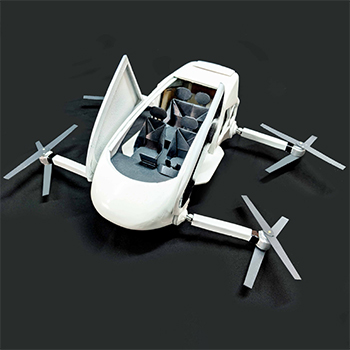
Air Transportation System- Modular Aerial Vehicle
by Minu
by Minu
In the early 20th century personal cars were gradually becoming a popular form of transport. In 1903 the Wright Brothers achieved the first powered flight. Within a decade, dreams of building a flying car began to crystallise for those in the auto industry. Large cities with traffic congestion problems are stepping forward to offer their cooperation to drone aviation innovators. A lot of manufacturers seek to put autonomous drones into the air. These drones will just happen to have a, presumably, untrained passenger. Passenger drones, by contrast, would operate autonomously and leave the “roadable” part behind in favour of larger versions of aircraft that already exist. Modularity in vehicle design has started to gain popularity due to a large number of benefits, including the possibility to use different types of bodies. The purpose of this project is to develop a modular aerial platform which is easy to manufacture, easy to operate, light in weight and battery driven. The key idea is to have a common chassis which could be used by companies to transform the body of the aircraft as per specific need.
Details >>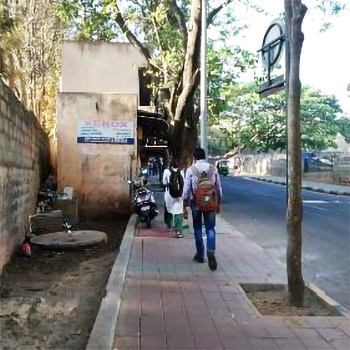
Life on a Footpath
by Nikita Fatarpekar
by Nikita Fatarpekar
The study of life on the footpath has been studied to be sensitive to the functions and activities carried out on the footpath. To understand how space, time, social culture and thoughts affect the view of a footpath. It has been observed that various places have different ways of using a footpath based on the user. To some it’s a home, while others are not affected by its absence. In different contexts, the same footpath can be differently pursued. In some cases it may be a multipurpose way, while in others it just exists. The form of footpaths in various places has been observed and studied in pure form, trying to understand its function and uses as well as non-uses.
Details >>
Lok Biradari Prakalp
by Nikita Fatarpekar
by Nikita Fatarpekar
This report consists of the works done during the P1 internship for the academic work of part for the provisionally degree of Master in Design in Industrial Design. The report contains the processes , analysis and study of the topic of interest of the various projects. This work has been carried out in the months of May and June 2018 at Lok Biradari Prakalp, Hemalkasa, in the field of health-related products. A detailed work process of the following projects : delivery bed, mobile ambulance, tuberculosis packaging, ANC/PNC medicine packaging, rabies cold box, insulin cold box, menstrual charts and book graphics of pregnancy phases. The process of design solutions for different projects has been according to its necessity in the area of study, and the various projects might not follow an order of procedure.
Details >>
Design of a portable spray bidet
by Nikita Fatarpekar
by Nikita Fatarpekar
As we are all aware of personal hygiene and its importance for healthy and quality living. As excretion is one of the parts of a living. There is a whole range of sanitary wares involved and developed for a better living. This project focuses on the need for a portable sanitation product for the urban population involved in travelling. The project was to design a portable bidet for travellers for easy cleaning and maintaining a hygienic living.
Details >>
Design of a Medicine Cold Storage for Electricity Intangible areas
by Nikita Fatarpekar
by Nikita Fatarpekar
As we are all aware of the medication and its importance for healthy and quality living. Medication by injecting medicines that are effective in the cold state is an aspect of medication. There is a whole set of refrigerated medicines developed for the betterment of human life. This project focuses on the need for a portable cold storage product for the rural population involved in treatment and medication. The project was to design a medicine cold storage in electricity intangible areas for health workers for treatment and medication in a rural area.
Details >>
Proof of Concept and Testing of Treadle-Powered Fin Propulsion Boat
by Nirmal P J
by Nirmal P J
In this research paper we talk about the design and fabrication of a boat propulsion inspired by the biomechanics of a caudal fin of a fish. Various mechanisms and forms of generation have been explored to finally create a 1:1 scale proof of concept to test the functioning of the design. Experiments have been conducted to check the performance of the aquatic propulsion system and how it can be further improved. The aim was to develop a simple and efficient system inspired by a biological system which has an edge over the conventional screw propulsion.
Details >>
Summer Internship Report- Uravu Indigenous Science and Technology Study Center, Thrikkaipetta
by Nirmal P J
by Nirmal P J
The motive of the project was to study the existing chair design and document the process involved in it. Studying the chair involved analysing and finding the existing flaws in the design and producing a new chair by rectifying all the faults. The documentation process included documenting all the processes involved in the making of the chair by creating a detailed report on the time, labour and machinery involved in the making, which will help Uravu in the mass production of the chair as an industrial product. As they are building a platform to start a bamboo furniture wing in Uravu.
Details >>
Design Development and Production of Cooking Accessories
by Nirmal P J
by Nirmal P J
Coconut shell has been used as a material to make various cooking accessories for many years. Coconut shell is a hard, durable and, more importantly, a natural material. There are other materials which are also associated with the use of coconut shell, like bamboo and various types of wood. People have been using various products made of coconut shell, bamboo and wood in their kitchen for many years. All those products are mainly referred to as craft products because they are handcrafted by the craftsmen. But today the demand for these products has gone down because of various reasons. The focus area of this project is to look at how we can develop new designs and reposition the craft products to a higher market segment and how this can lead to the betterment of the coconut shell and bamboo craft community and the livelihood of the craftsmen. There are two major aspects to it. The primary aspect is developing new designs and repositioning these to a higher market segment. In order to do that, we have to look at various aspects like the materials and techniques, aesthetics, usability, and manufacturing of these products. All these aspects are very important and need to be scrutinised from two perspectives: one as a craftsman and the other as a user. As craftsmen, it is important that the design is doable and easy for them to manufacture. And as a user, it is important that the product is usable and aesthetically appealing to them. The second aspect is the manufacturing. To be able to manufacture it by the craftsmen, they must undergo training. This will enable them to learn new design ideas and techniques, which will help them in the long run.
Details >>
Blending Craft and Technology for Smart Lighting Applications
by Nirmal P J
by Nirmal P J
The focus area of this project is to look at how we can develop new designs and reposition the craft products to a higher market segment by combining the craft with technology and how this can lead to the betterment of the craft community of India and the livelihood conditions of the craftsperson. There are two primary aspects to this project: craft and technology. They are the two different ends of the spectrum. Craft products are generally very low-tech, and all the high-tech products have zero connection to the craft. Combining craft and technology will work for each other’s advantage. This will place craft products onto a new market segment and attract a broader range of user groups.
Details >>
Exploration of new age materials used in the manufacturing of bullet proof vests
by P Sri Hari
by P Sri Hari
The bulletproof vest, also called a ballistic vest or bullet-resistant vest, is a personal armour that helps to stop penetration of firearm-fired projectiles into the body and absorb the impact. It is worn on the torso. Soft vests are made of many layers of woven or laminated fibres and can protect the wearer from shotgun projectiles, small-calibre handguns and small fragments from explosives like hand grenades. These vests often have a ballistic plate made of metal or ceramic inserted into the vest, providing additional protection against rifle rounds, and metallic components or tightly woven fibre layers can give soft armour resistance to stab and slash attacks from knives and similar close-quarter weapons.
Details >>
Design of hand operated control knobs based on various kinds of hand grips
by P Sri Hari
by P Sri Hari
Human beings have demonstrated amazing ingenuity in designing machines for accomplishing things with less wear and tear upon themselves. Since most machines require human control, they must include control devices through which people make their presence known to machines. These controls must be designed to be suitable for desired control actions in terms of sensory, psychomotor and anthropometric characteristics of the intended user. The design of these controls involves many product components, such as shape, size, force required to operate, resistance and grip. The choice of grips is dictated less by size and shape but by the task that is to be accomplished. Hand adopts different grips to adjust changing force or torque conditions. A single control knob design doesn’t serve all the purposes, and the design must evolve based on the application. This project aims at designing hand-operated control knobs based on different kinds of hand grips to enable the user to sustain productive work in a safe manner.
Details >>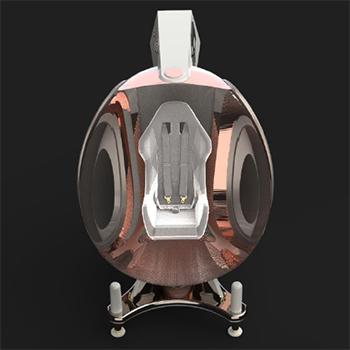
Immersive pod for enhancing Virtual Reality experience
by P Sri Hari
by P Sri Hari
Virtual reality is a computer-generated, feel-real environment. The sole purpose of virtual reality is to enable the user to manipulate and experience the digital or simulated environments as if they were the real world. The best virtual reality aims to achieve complete immersion. Immersive Virtual Reality pod is a platform that uses the latest immersive technologies to blur the line between the simulated world and physical world by providing complete immersion through stimulating various senses. The virtual reality experience is enhanced by a motion platform, immersive projection and Ambisonics to create perceptually real sensations. Whether you want a complete seclusion after a busy day to relax, want to watch a movie, or want to experience lifelike racing but without the crashes and accidents, the Virtual Reality pod makes it possible. The motion platform enhances the feeling that you’re experiencing real-life-like forces; users enjoy the complete 3D effects of sound using Ambisonics technology, and the immersive projection displays the virtual reality content spanning the entire visual field. All these technologies work synchronously to give you even greater immersion into the virtual world. Virtual reality seems to be identical to 3-D imagery, where you manipulate and experience the environment, rather than completely becoming part of the virtual world.
Details >>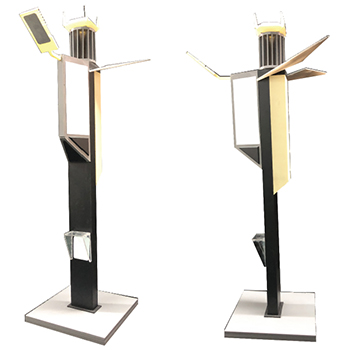
Reinterpreting poles as digital assets to enhance Value of road infrastructure
by P Sri Hari
by P Sri Hari
Urban areas are expected to contribute 75% of India's GDP AND house 40% of India's population by 2030. Smart cities development is a step in that direction. A smart city employs Internet of Things (IoT) sensors to perceive data and use the collected data to manage assets and resources efficiently. Poles are vital infrastructure and span across most parts of the cities but serve limited applications like lighting or signage. Poles of the future serve as ambidextrous city nodes capable of real-time monitoring of the entire city. These poles accommodate equipment for real-time data gathering on roads to make infrastructure more responsive according to the specific needs and achieve sustainability goals by deploying equipment that can naturally replenish the energy to meet the demand for equipment operation. Thus the value addition by redesigning the existing pole infrastructure helps to realise the vision for future smart cities. The humble street pole of the past may soon become the most valuable asset in the city's infrastructure.
Details >>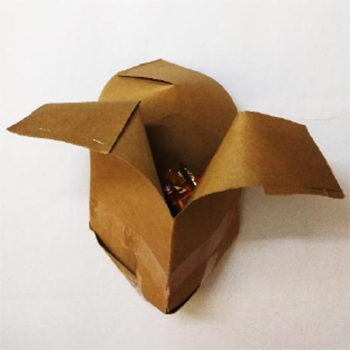
Nature inspired Food dispersal packaging For flood calamity
by Rajat
by Rajat
The food dispersal in flooded lands and conditions is by dropping one or more big & bulky packages of food. This causes damage to food items due to impact with the ground, which can also result in food contamination by exposure to the environment around it. This kind of delivery results in chaos within people, improper food distribution & waste of food due to damage caused by people handling it. The food items are damaged, especially when a variety of items are mixed together and dropped in a single attempt.
Details >>
Modular cup wheel with quick change mechanism
by Rajat
by Rajat
The project “Modular Cup Wheel with Quick Change Mechanism” was developed by Rajat as part of the Product Design program at IDC, IIT Bombay (2017–2019). It explores the design of a modular wheel system that incorporates an innovative quick-change mechanism, making it easier to replace or interchange parts without complex tools. This concept aims to improve efficiency, reduce downtime, and enhance user convenience, particularly in applications where wheels undergo frequent wear or need customization. The project reflects a thoughtful approach to functionality, ergonomics, and practical usability, documented as part of a P1 Project.
Details >>
Next Generation Device for Bathing Experience
by Rajat
by Rajat
We all are aware of the significance of bathing and taking quick refreshing showers to drain out daily fatigue as a part of our personal hygiene. But it is equally important that the value for money paid for any product related to showering or bathing is equally justified with the experience achieved with it. Presently, there is a wide range of products available in the market that can bring in some valued experience but involves a lot of overall cost. On the other hand, there are products that serve the purpose but don't lead to any remarkable experience with the product utilisation. To enrich one's bathing experience, there are various technologies involved and developed these days that are available as a system for inside bathroom installations. This project focuses on targeting a niche for an appropriate bathing facility & bringing together the function, experience and value for money paid by the user to enrich the overall scenario with the presence of the desired product.
Details >>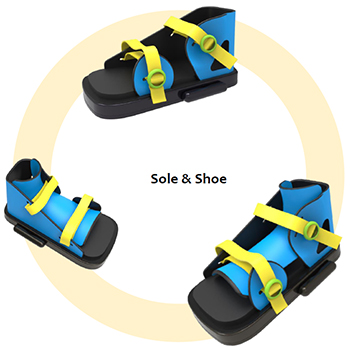
Design Intervention for Clubfoot Abduction Orthosis
by Rajat
by Rajat
Clubfoot is a birth deformity in which an infant's foot is curved towards the body internally, often so severely that the bottom of the foot faces sideways or even upward. The clubfoot can affect one foot or both feet. Clubfoot in both feet is called bilateral clubfoot, and in one foot, it is called unilateral clubfoot. Quick identification and immediate treatment help correct it. The leg affected with clubfoot may be smaller than the normal foot. Normally, half of the affected children have bilateral clubfoot. Some cases can also be associated with other problems too. This condition can be diagnosed at birth or before birth with ultrasound during 18 to 21 weeks of pregnancy. Normally, the males are identified with this condition about twice as frequently as females.
Details >>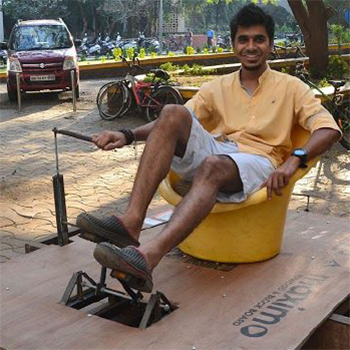
Proof of Concept and Testing of Treadle-Powered Fin Propulsion Boat
by Saijith M S
by Saijith M S
In this research paper we talk about the design and fabrication of a boat propulsion inspired by the biomechanics of a caudal fin of a fish. Various mechanisms and forms of generation have been explored to finally create a 1:1 scale proof of concept to test the functioning of the design. Experiments have been conducted to check the performance of the aquatic propulsion system and how it can be further improved. The aim was to develop a simple and efficient system inspired by a biological system which has an edge over the conventional screw propulsion.
Details >>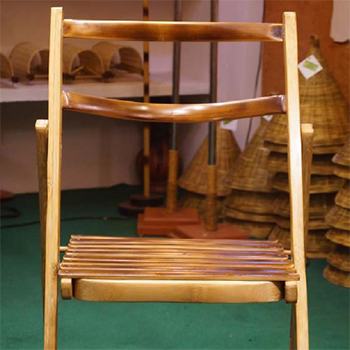
Summer Internship Report- Uravu Indigenous Science and Technology Study Center, Thrikkaipetta
by Saijith M S
by Saijith M S
The motive of the project was to study the existing chair design and document the process involved in it. Studying the chair involved analysing and finding the existing flaws in the design and producing a new chair by rectifying all the faults. The documentation process included documenting all the processes involved in the making of the chair by creating a detailed report on the time, labour and machinery involved in the making, which will help Uravu in the mass production of the chair as an industrial product. As they are building a platform to start a bamboo furniture wing in Uravu.
Details >>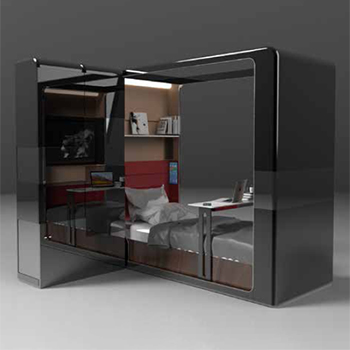
Reimagining The Bedroom Space
by Saijith M S
by Saijith M S
In today’s ever-changing world, material and people move places, cities and countries. As we migrate from city to city in search of better education, jobs or lifestyle, how well are these able to absorb the unprecedented population influx? As spaces become smaller, it is imperative for us designers to appropriate the same into compact liveable spaces. While the world is tending towards smart technology, isn’t it time to celebrate smart living – for a minimal, compact yet efficient living for the future? This project is a venture to reformulate the current perception of the existing household furniture system. A good night’s sleep is vital to our physical health and emotional well-being in this busy urban lifestyle. Here is an attempt to redesign the existing bedroom furniture into a single module which is compact, minimal and smart.
Details >>
Cooking Application Using Steam From Solar Steam Generator
by Saijith M S
by Saijith M S
Solar energy is considered to be the most renewable, clean and abundant source of energy. The application of solar energy has been implemented in various fields, cooking being one of them. The heat pump lab at IIT Bombay has developed a solar steam generator that is simple and affordable. Existing studies in the field show that using steam for cooking can save up to 40%-60% of fuel as compared to traditional cooking. Presently there are many manufacturers who produce cooking vessels in the market that use steam as a source for cooking food, which has its own pros and cons. These kinds of vessels are most effectively used in the area of community cooking (hospitals, hostels, temples, etc.). This project is an attempt to make the whole cooking activity much easier for the user, i.e., making it a user-centric design. Finding the flaws in the existing cooking vessels and delivering a new product that gives a new cooking experience for the user are the further objectives. The project has gradually attained its shape after studying a broad spectrum of steam-generated cooking to understand the possibility and scope of this project and finally narrowing it down to a steam-based rice cooker. This report outlines the detailed design process followed during the project.
Details >>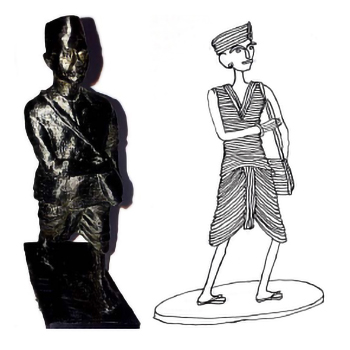
Recreating marchers of salt satyagraha by imbibing inspiration from Dhokracraft
by Sukanta Maharana
by Sukanta Maharana
The Dandi march lasted for 24 days, from 12 March 1930 to 6 April 1930, a campaign of tax resistance and nonviolent protest against British salt monopoly. It gave impetus to the Indian independence movement and started a nationwide civil disobedience movement. Gandhi, along with 80 trusted volunteers, covered 240 miles in 24 days. Started from Sabarmati Ashram, 240 miles away from Dandi, and broke the salt law on 6 April 1930 at 6:30 am. It sparked large-scale acts of civil disobedience against British Raj salt laws by millions of Indians. The salt satyagraha continued for a year, ending with Gandhi's release from jail and negotiation with the viceroy. Over 60,000 Indians were jailed as a result of satyagraha. Gandhi used civil disobedience as a technique for fighting social and political justice. Dhokra art is one of the earliest known methods of non-ferrous metal casting known to human civilisation. The name Dhokra was initially used to indicate a group of nomadic craftsmen. Later it applied to beautifully decorated brassware products created by the lost wax process. In India, these craftsmen are clustered in the states of Bihar, Odisha, Madhya Pradesh, and West Bengal. Dhokra art is practised by different communities like the Thataries, Ghasis, Situlias, Ghantaras, Bathudis and other Dhokra workers.
Details >>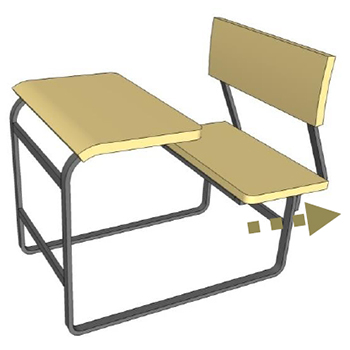
Ergonomic Standards for primary school furniture; Dimensional aspects
by Sukanta Maharana
by Sukanta Maharana
This project focuses on developing ergonomic standards for primary school furniture, particularly for children in the 6–8 years age group. At this stage, kids begin to practice prolonged seating postures for the first time in their lives, making it crucial to design furniture that supports their physical development and comfort. Furniture involves full-body interaction, providing an opportunity to deeply study anthropometry and ergonomics to ensure healthier sitting habits. Since there are currently no ergonomic standards for children’s furniture in India, the project emphasizes the need to create guidelines that address posture, usability, and long-term well-being in the learning environment.
Details >>
Designing fire safe for corporate and commercial sector
by Sukanta Maharana
by Sukanta Maharana
Safe is a rugged box made of unbreakable material where one can store documents and valuables. A fire safe additionally has the ability to save the documents and valuables from fire. Ever since man started colonising and socialising, they started storing things which are valuable to them. They made sure that their valuables are secure from every possible threat, like climate, fire, theft, etc. Initially, people used to hide valuables under some objects or up in the trees. Later they made wooden chests that became an essential part of their culture. Metal braces are used on the wooden chest for additional strength. After fulfilment of their functional requirements, they started anaesthetising the wooden chest with other decorative materials. By the time people had advanced in metallurgy and used metal boxes for more safety. These boxes did evolve through many socioeconomic activities. Many categories and subcategories came into the safe manufacturing based on its use, volume, placement and its functions. That can be broadly divided into burglary safes and fire safes based on their function. The fire safes protect the valuables from fire. As the modern lifestyle requires many legal documents, certificates, jewellery and some liquid cash, every household requires a fireproof safe. All the offices, both government and private, require a fireproof safe.
Details >>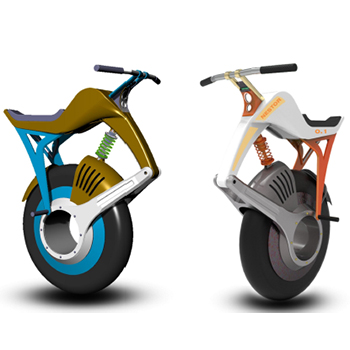
Electric mobility vehicle for adventure ride
by Sukanta Maharana
by Sukanta Maharana
Leisure travel has been, to a large extent, overshadowed by the style of travelling that involves adventure and offbeat experiences. Adventure sports are recreational activities perceived as involving a high degree of risk. These activities often involve risk, speed, power, and uncertainty. Regardless of their innate challenges, monobikes continue to capture the interest of adventurers. The difficulty of stabilising, starting, stopping, turning, and controlling monocycles at low speeds makes them challenging to operate. It has advantages like zero turning radius, minimum footprint, easy parking and freedom of ground clearance. The use of higher clearance and higher traction enables access on trails and forest roads that have rough and low-traction surfaces. The nonavailability of monowheel adventure rides creates an opportunity to design a special vehicle class that doesn’t exist in the current vehicular market.
Details >>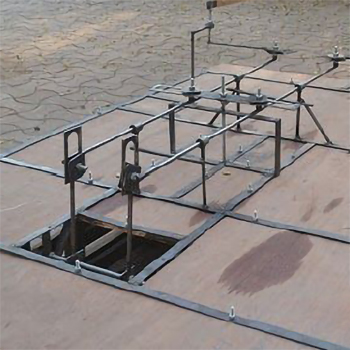
Proof of Concept and Testing of Treadle-Powered Fin Propulsion Boat
by Vinod Louis Joseph Swamy
by Vinod Louis Joseph Swamy
In this research paper we talk about the design and fabrication of a boat propulsion inspired by the biomechanics of a caudal fin of a fish. Various mechanisms and forms of generation have been explored to finally create a 1:1 scale proof of concept to test the functioning of the design. Experiments have been conducted to check the performance of the aquatic propulsion system and how it can be further improved. The aim was to develop a simple and efficient system inspired by a biological system which has an edge over the conventional screw propulsion.
Details >>
Cycle Lock
by Vinod Louis Joseph Swamy
by Vinod Louis Joseph Swamy
This project by Vinod Louis Joseph Swamy explores innovative approaches to product design, focusing on usability, aesthetics, and market relevance, and was carried out as a summer internship at Futuring Design Pvt. Ltd. As a P1 (first year) design project, it focuses on rethinking the form, mechanism, and usability of a bicycle locking system. The internship involved understanding real-world design processes, analyzing user needs, and generating creative solutions that balance functionality with form. The work emphasized ideation, material exploration, and refinement of concepts to suit both manufacturing feasibility and consumer expectations. Through this engagement, the project not only contributed to design development for the studio but also gave the intern valuable hands-on experience in bridging design thinking with practical industry requirements.
Details >>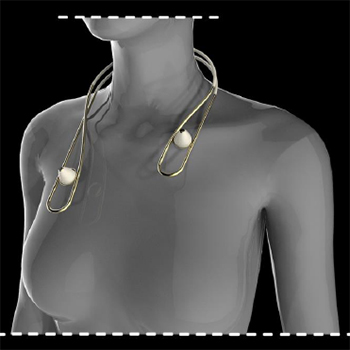
New- Age Gold Jewellery
by Vinod Louis Joseph Swamy
by Vinod Louis Joseph Swamy
The project explores the design of a 3-piece collection of new-age gold jewellery for urban women in India. The visual language of the range was defined by studying and forecasting the upcoming trends in the jewellery industry. The manufacturing processes and techniques used in the making of gold jewellery were looked into in order to exploit the usage of gold based on its properties as a material. With this in mind, formal exploration was done with novelty being the prime focus, yet with the semantic associations one has with jewellery. The collection has different types of wearables – a neckpiece, a collar clip and a brooch – each paired up with a different style of attire. To make jewellery functional and to appeal to the young tech-savvy user group, a Bluetooth headset was integrated with each of the wearables.
Details >>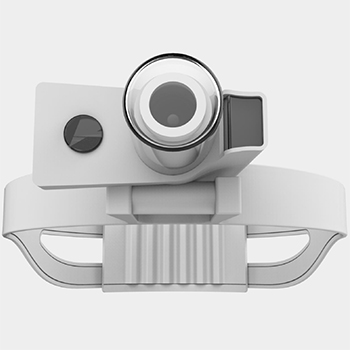
Automated Surgical Headlight
by Vinod Louis Joseph Swamy
by Vinod Louis Joseph Swamy
The project explores the incorporation of automation in the redesign of a surgical headlight used in open surgeries in order to address the unmet clinical need of the surgeon. To provide uniform and shadow-free illumination, the lighthead automatically maintains a constant spot size over a varying working distance. Documenting the surgery for educational purposes called for an integrated camera to wirelessly live-stream the surgery. The configuration of the various components in the lighthead was defined by compactness and easy cleanability. Explorations were done for designing the head mount so as to provide adjustability, grip and occipital support for user comfort when worn over long periods of time, along with rechargeable battery packs for uninterrupted usage.
Details >>