Product Design
Batch 2013-2015
(52 items)
Product DesignBatch 2013-2015
(52 items)
(52 items)

Dabbawala: Service and Mobile Application Design
by Akshay N. Hargude
by Akshay N. Hargude
The dabbawalas (tiffin carriers) of Mumbai are a unique community of around five thousand people who efficiently serve up to 2 lac (0.2 million) customers every day. They have maintained their heritage working process since the inception of the service, and therefore any kind of technology has not been incorporated into their work. They are currently facing numerous business sustainability challenges, such as reaching out to new customers and maintaining their existing customer base. Bachelor employees working for MNCs rarely rely on home-cooked food and thus don’t employ their services. Through our research, we have understood that they might lose their current customer base soon as similar food delivery businesses with faster and better services are continuously emerging. To empower them, we introduce Dabbawala, a mobile application that enables partnerships between dabbawalas and food services around the city and directly connects them to their combined customer base. This application enables customers to order lunch from anywhere in the city. Customer registrations and any kind of money transaction are all handled through the application. The application is also used within the Dabbawala community to manage teams and responsibilities.
Details >>
Summer Internship at Tata Elxsi
by Akshay N. Hargude
by Akshay N. Hargude
The summer internship, as part of my academic requirement, was completed at Tata Elxsi, Pune, during the period from May 6 to June 6, 2014. Tata Elxsi is a design company that blends technology, creativity, and engineering. During the internship, I was involved in multiple projects ranging from packaging to product design. Due to the short nature of my internship, my involvement in the projects was more or less limited to the ideation phase only. In all the projects, I was part of a team, and credit for the works presented here also goes equally to the other team members.
Details >>
Redesign of Drumstick Plucker
by Akshay N. Hargude
Details >>
by Akshay N. Hargude
India is the largest producer of the Moringa tree's pod, referred to as drumsticks, in the world. Unfortunately, there are not any dedicated drumstick plucking tools available on the market. Farmers are using self-made tools made from locally available materials. These tools are not efficient enough to pluck only mature drumsticks out of a bunch. Sometimes, the entire branch of drumsticks gets damaged and breaks along with immature pods, causing loss.
Also, there are some other related problems, such as the collection of plucked pods, their market value, and the transportation and storage of pluckers, apart from issues like affordability, physical accessibility, etc. With this project, all these problems in the drumstick plucking activity are solved, and it is now a more efficient, quick, and easy task.
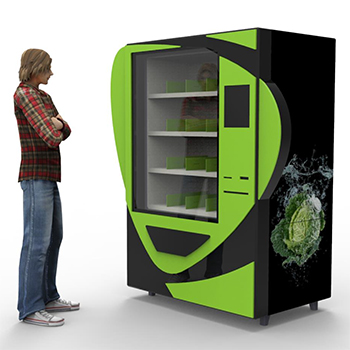
Vegetable vending machine
by Akshay N. Hargude
Details >>
by Akshay N. Hargude
India is the second-largest producer and consumer of vegetables in the world. With the increase in the IT sector in India and the tight schedule of offices, people are finding it difficult to go to the market and buy vegetables every day. Also, people are becoming more health-conscious in terms of the quality of vegetables they consume.
The farmers in India work hard, but still they don't get enough money in return because the vegetables they produce come to end customers through a long middleman chain. Because of this, farmers are not paid an adequate price compared to the price paid by the end customer for the same vegetable.
With this project, I have tried to solve the problems of both farmers and customers by reducing the middleman chain and by providing fresh and nutritious vegetables to customers at their doorstep.

Experiences from 4D living exhibition
by Anulal V. S.
Details >>
by Anulal V. S.
This report gives concise information regarding conducting, coordinating, and handling an exhibition. The information in this report is derived from the team's experience during the '4D-Living' exhibition, which was conducted from January 16th to 19th, 2015. This particular report can become a guideline for the coming batches in the institute to avoid common mistakes and conduct a successful exhibition.
The report briefly explains each stage involved in an exhibition, right from naming the exhibition to handling the crowd. Although the report could become a guideline, this may not be an exhaustive list of recommendations for conducting the exhibition.
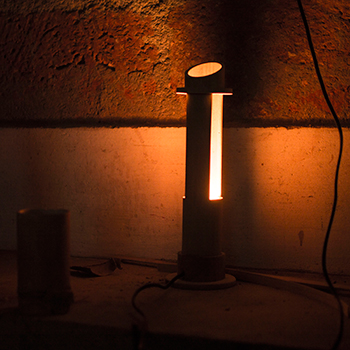
Summer Internship At Uravu
by Anulal V. S.
by Anulal V. S.
Uravu', set in the heart of the woods on the Western Ghats in Kerala among the misty mountain range and lush green backdrop, is an organisation of international recognition acclaimed for promising a new path for many who missed out on their opportunities to live. A non-government organisation, currently focused on bamboo-centred products and services, believes in sustainability in every aspect it throws light on. Uravu implements integrated, end-to-end programmes in the bamboo sector, which include providing skill training in bamboo processing, establishing micro enterprises, marketing bamboo handicrafts, cultivation of bamboo and promotion of eco-tourism.
Details >>
Fitting more into volume- An affordable housing initiative
by Anulal V. S.
by Anulal V. S.
The title of the project is Affordable Housing for the Bottom of the Pyramid. The land cost in urban cities is shooting up day by day as the availability of living space is becoming scarce. This forces the immigrants, or the bottom of the pyramid people to force themselves into temporary living setups, which in turn increase the slums in the cities.The project is trying to provide a housing option for these people, who have very low incomes and are mostly migrants. Various Slums were studied for understanding the lifestyle of migrants belonging to various categories like hedonists, settlers, risers, etc. From different layouts, three layouts were selected as the final layouts of the house, and a working model of one of these layouts was made to get the feedback of the users. We followed the approach of experiential learning, and based on our own experience inside the house, we modified it to suit the needs of the actual user category. The main focus throughout the project was to efficiently use each and every cubic metre present inside the house. For this, various spaces that can be used for multiple purposes were identified and designed according to the incremental needs of the user. The outcome of this project is the prefabricated DIY units, which actually make the user the creator of his space. Provisions were also provided for the user to bring in his own furniture or equipment and place it effectively in the house in such a way that it does not eat up much space.
Details >>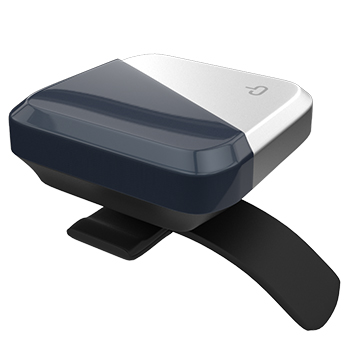
Wearable health monitoring device
by Anulal V. S.
Details >>
by Anulal V. S.
This project aims at helping the mid-aged earning category in the metros by predicting the risk factors that occur due to their lifestyle. Being in a busy city, these people have a very busy lifestyle, which makes it difficult for them to take care of their health. By having this wearable device, the monitoring of vital parameters like heartbeat and Spo2 along with their physical activity level will happen involuntarily. This project targets only those people who are in touch with computers and wireless connectivity or have a basic idea about the technologies. The wearable device, along with the connected smart phone, helps the user always be in the vicinity of their close ones. The device functions as an involuntary bridge. between the user and their close ones, giving the user a feeling that he or she is not alone.
The project includes the selection of concepts based on user surveys and market studies. An in-depth study of the forms was done in all possible directions to come up with separate forms for male and female users. The project also includes the design of a mobile application to work with the device. Various visual elements were designed so that the user interaction would be simple and friendly.

50 years (1951-2000) of Mumbai Weather data
by Baisampayan Saha
by Baisampayan Saha
When a large data set is presented in front of us, it does not make any sense to us until and unless we start doing number crunching. If the data is represented in some form of chart or diagram, we can probably figure something out. Though the project “50 Years of Mumbai Weather“ is not about data visualization, it deals with the notion of data art. The weather data is taken up and woven into the fabric of a narration that, for each viewer, gives an understanding of its own. Each viewer could come to an altogether different conclusion about the diagrams shown in front of them, and their conclusions would be equally correct as the underlying principles of generating each diagram from the data set are kept exactly the same. An attempt is made to generate such diagrams from the weather data of Mumbai for each month of the year. When someone views all the diagrams together, a form of story emerges from the data embedded inside the diagrams.
Details >>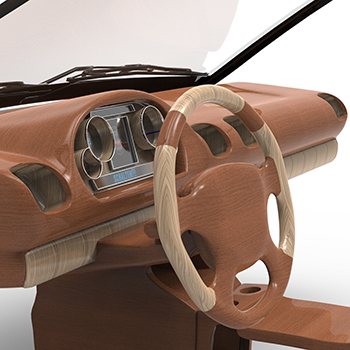
Design of vehicle instrument cluster for Indian and German audiences
by Baisampayan Saha
by Baisampayan Saha
Cultural differences play an important role in the design and development of new products. Many examples of product failures have proven that the culture of a country has a huge influence on the success of new products. Against the background of the growing importance of emerging markets, it is even more important to understand these cultural differences and take them into account during the product design and development process. Therefore, this Advanced Design Project has the goal to examine these cultural differences between India and Germany regarding the design of a dashboard of a B+-segment car (“Kleinwagen”, respectively) and create two instrument clusters, which are based on these results—one for the Indian market and one for the German market. To guarantee an efficient and structured approach, a user-centred design process considering project management methods is executed. On that account, a literature review regarding the user-centred design process and the general dashboard design is executed. Based on the insights of that literature review and its insights, a work breakdown structure is developed to structure the project into feasible work packages.
Details >>
Design of an Integrated Window System
by Baisampayan Saha
Details >>
by Baisampayan Saha
Windows are an integral part of every house. It comes in every possible shape and size. The material of construction also varies with the type of function it is supposed to provide. With the advancement of technology, windows are now becoming smart and can control the behaviour of their functions by using advanced technologies. On the other hand, we have windows, which are still based on traditional technologies and are used in homes and buildings for general purposes.
An attempt is made to understand the humble house window and come up with a new window that is equally functional as well as equally aesthetically beautiful when compared to some of the best traditional windows.

Design of an Ergonomic Laparoscopic Device
by Baisampayan Saha
Details >>
by Baisampayan Saha
In the world of medicine and surgery, laparoscopic surgery has been a gift to mankind. It has replaced open-body surgeries in many cases, where recuperation and healing take time. But as the condition of patients improved dramatically, by taking less time for the patients to recover from the surgeries and return to normal day-to-day activities, the condition of the doctors also changed. Due to a lack of properly designed tools for laparoscopic surgeries, the doctors are now facing stressful conditions while performing surgeries. Many doctors reported numbness in their thumbs and discomfort in their upper extremities after performing laparoscopic surgery.
An attempt is made to understand the difficulties faced by the surgeons while performing such surgeries and come up with the design of an ergonomic and comfortable instrument for laparoscopic surgery.
Design methodology for improvements to the tea-leaf plucking aid
by Gourab Saha
by Gourab Saha
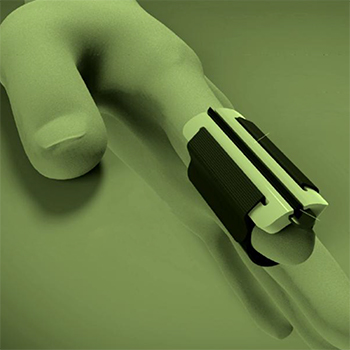
At present, India is the second-largest producer of tea in the world and accounts for the employment of more than 2 million people. At the bottom of the tea industry pyramid are the tea plantation workers. who are prone to various occupational hazards, this project attempts to understand and address some of the core issues associated with handplucking tea leaves. The iterative industrial design process has been utilised in an effort to bring about a meaningful design intervention into the lives of tea-leaf pluckers.
Details >>
Sishu vihar outdoor Play Space: Design & Phase 1 imlpementation
by Gourab Saha
Details >>
by Gourab Saha
Young children bear many gifts that are pure and unadulterated. Between the ages of 4 and 10 years, before being pushed into class rooms and other sterile environments, they love the opportunity to run in open spaces and be a part of nature. It is at this age that they begin to exercise their imagination and bodies simultaneously; hence, the spaces and scenarios that they are in have to be easy to manipulate.
The Sishu Vihar building is a bungalow amongst a series of bungalows situated on the IIT Bombay, Powai campus. As a foundation, it is a crèche and a day care unit formed as a decision by the IIT Staff Club in 2001. Currently, there are close to 100 children and 20 caretakers, excluding three administrators, in an indoor space meant for a family of six.
Our concepts and ideas for the play space in Sishu Vihar, IIT Bombay, are keeping in mind the distinct ecosystem that is IIT Bombay and other constraints that have strengthened rather than limiting the outcome of the project.
Design of a Manual Tea-leaf plucking Aid
by Gourab Saha
Details >>
by Gourab Saha
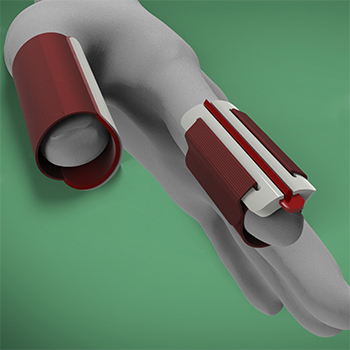
At present, India is the second-largest producer of tea in the world and accounts for the employment of more than 2 million people. It occupies an important role in the Indian economy not only due to its capacity to earn foreign exchange but also because it impacts the livelihoods of scores of people employed directly and indirectly by the industry.
At the bottom of the tea industry pyramid are the tea plantation workers, who are prone to various occupational hazards such as musculo-skeletal disorders or the absorption of harmful alkaloids (sap-like chemicals) into their skin. This project attempts to understand and address some of the core issues associated with hand plucking tea leaves. The iterative industrial design process has been utilised in an effort to bring about a meaningful design intervention into the lives of tea leaf pluckers.

A product system to remedy the symptoms of depressive disorders in college students
by Gourab Saha
by Gourab Saha
A study conducted in 2009 by the Bangalore-based National Institute of Mental Health and Neurosciences placed the average age of the depressed Indian at 31 years. Mental illness in India is high in the age group 30–40, and minor depression, if not properly addressed, could easily deteriorate into major depression. This project aims to blend the design thinking process with insights from behavioural psychology to design a product system that remedies some of the core symptoms associated with mild depressive disorders in India’s university students (18–30 years age group).
Details >>
Experiences from 4D living exhibition
by Gautham Rajaraja Varma
by Gautham Rajaraja Varma
This report gives concise information regarding conducting, coordinating, and handling an exhibition. The information in this report is derived from the team's experience during the '4D-Living' exhibition, which was conducted from January 16th to 19th, 2015. This particular report can become a guideline for the coming batches in the institute to avoid common mistakes and conduct a successful exhibition. The report briefly explains each stage involved in an exhibition, right from naming the exhibition to handling the crowd. Although the report could become a guideline, this may not be an exhaustive list of recommendations for conducting the exhibition.
Details >>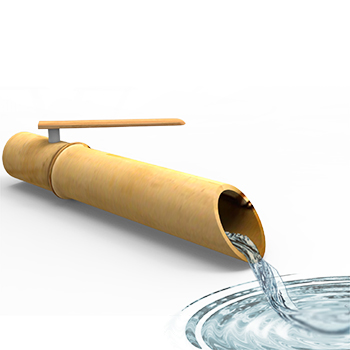
Summer Internship at Uravu
by Gautham Rajaraja Varma
by Gautham Rajaraja Varma
Uravu', set in the heart of the woods on the Western Ghats in Kerala among the misty mountain range and lush green backdrop, is an organisation of international recognition acclaimed for promising a new path for many who missed out on their opportunities to live. A non-government organisation, currently focused on bamboo-centred products and services, believes in sustainability in every aspect it throws light on. Uravu implements integrated, end-to-end programmes in the bamboo sector, which include providing skill training in bamboo processing, establishing micro enterprises, marketing bamboo handicrafts, cultivation of bamboo and promotion of eco-tourism.
Details >>
Fitting more into volume- An affordable housing initiative
by Gautham Rajaraja Varma
by Gautham Rajaraja Varma
The title of the project is Affordable Housing for the Bottom of the Pyramid. The land cost in urban cities is shooting up day by day as the availability of living space is becoming scarce. This forces the immigrants, or the bottom of the pyramid people to force themselves into temporary living setups, which in turn increase the slums in the cities.The project is trying to provide a housing option for these people, who have very low incomes and are mostly migrants. Various Slums were studied for understanding the lifestyle of migrants belonging to various categories like hedonists, settlers, risers, etc. From different layouts, three layouts were selected as the final layouts of the house, and a working model of one of these layouts was made to get the feedback of the users. We followed the approach of experiential learning, and based on our own experience inside the house, we modified it to suit the needs of the actual user category. The main focus throughout the project was to efficiently use each and every cubic metre present inside the house. For this, various spaces that can be used for multiple purposes were identified and designed according to the incremental needs of the user. The outcome of this project is the prefabricated DIY units, which actually make the user the creator of his space. Provisions were also provided for the user to bring in his own furniture or equipment and place it effectively in the house in such a way that it does not eat up much space.
Details >>
In-Flight Catering Delight: Re-Imagining an Airline Service Trolley
by Gautham Rajaraja Varma
Details >>
by Gautham Rajaraja Varma
Flying nowadays has become more of a commodity than the 'experience' it used to be a few years ago. With the introduction of low-cost carriers, cutting costs on things that create an experience of flight has become an innovative management technique. The goal of achieving the lowest cost of flying left no room for the experience a passenger or even a crew member gets out of flying in the aircraft.
This project looks closely at one of the aircraft interior components, an airline service trolley, which has not seen a major development over the last 30 years. The aim of this project is to enhance the functionality and usability of the airline trolley by analysing the various issues that are present now and finding a design opportunity in each one of them. Together with this, enough consideration has been given for visual aesthetics as well as the experience a passenger or a crew member gets out of the product.

Design for Behaviour change- Motorcycle Helmet
by Isaac Junior
by Isaac Junior
The design research was carried out to better understand the issues associated with helmet usage among two-wheeler riders. Personal interviews were conducted to draw on user perspectives. Insights from the discussions were utilised to bring forth concepts or ideas that would bring about regular usage of helmets. Ideas generated during the course of design research are being streamlined and conceived as part of the final design project (P3) to obtain user feedback.
Details >>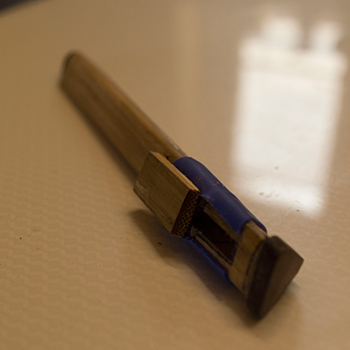
Summer Internship at Uravu
by Isaac Junior
by Isaac Junior
Uravu', set in the heart of the woods on the Western Ghats in Kerala among the misty mountain range and lush green backdrop, is an organisation of international recognition acclaimed for promising a new path for many who missed out on their opportunities to live. A non-government organisation, currently focused on bamboo-centred products and services, believes in sustainability in every aspect it throws light on. Uravu implements integrated, end-to-end programmes in the bamboo sector, which include providing skill training in bamboo processing, establishing micro enterprises, marketing bamboo handicrafts, cultivation of bamboo and promotion of eco-tourism.
Details >>
Design of Agro-Aids for one Acre Farming
by Isaac Junior
by Isaac Junior
This project encompasses the design process we followed to introduce a product that can be used for the process of harvesting, threshing, and winnowing paddy in subsistence farming. The main objective is the integration of existing technologies, which helps us cater to a sector of the market that buys very low-cost products. Using the existing framework of a harvesting machine, we have tried to integrate the same product for the additional purposes of threshing and winnowing.
Details >>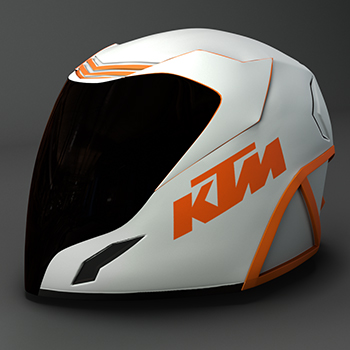
Re-design of motorcycle helmet
by Isaac Junior
Details >>
by Isaac Junior
Riding has by far been the most relaxing and exhilarating experience I’ve ever had. The sense of freedom it bestows on the rider is beyond measure. Being exposed to the environment and living in the moment could not be a better way to exist, but it poses a sizable amount of risk for the rider and pillion, considering that it’s a mode of transport prominent for commutes. Even after being made mandatory, a large population of riders still refrains from wearing a helmet while on the road.
The project explored the user's perspectives and his deep-rooted conventions about the practice of wearing a helmet. The psychological and physical notions associated with it were studied. The structural composition of motorcycle helmets has remained constant since inception; hence, an attempt was made to bring in novelty in this aspect as well as methods to facilitate regular use by improving aspects of comfort and accessibility. Eventually, style matters for a product that the user considers an extension of his personality and cannot be disregarded. Hence, functional advancements were given life through prominent styling that imparted character to the helmet.
Experiences from 4D living exhibition
by Manu Revi Poovakkat
by Manu Revi Poovakkat
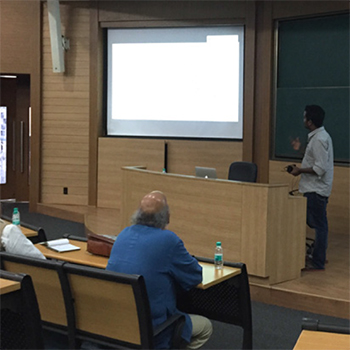
This report provides concise information regarding conducting, coordinating, and handling an exhibition. The The information in this report is derived from experience during the '4D-Living' exhibition, which was conducted from January 16th to January 19th, 2015. This particular report can become a guideline for the coming batches in the institute to avoid common mistakes and conduct a successful exhibition. The report briefly explains each stage involved in an exhibition, right from naming the exhibition to handling the crowd. Although the report could become a guideline, this may not be an exhaustive list of recommendations for conducting the exhibition.
Details >>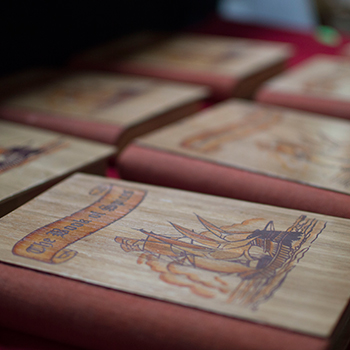
Summer Internship at Uravu
by Manu Revi Poovakkat
by Manu Revi Poovakkat
Uravu', set in the heart of the woods on the Western Ghats in Kerala among the misty mountain range and lush green backdrop, is an organisation of international recognition acclaimed for promising a new path for many who missed out on their opportunities to live. A non-government organisation, currently focused on bamboo-centred products and services, believes in sustainability in every aspect it throws light on. Uravu implements integrated, end-to-end programmes in the bamboo sector, which include providing skill training in bamboo processing, establishing micro enterprises, marketing bamboo handicrafts, cultivation of bamboo and promotion of eco-tourism.
Details >>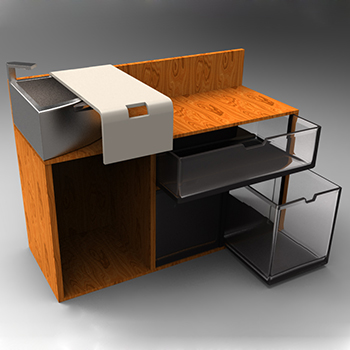
Fitting more into volume- An affordable housing initiative
by Manu Revi Poovakkat
by Manu Revi Poovakkat
The title of the project is Affordable Housing for the Bottom of the Pyramid. The land cost in urban cities is shooting up day by day as the availability of living space is becoming scarce. This forces the immigrants, or the bottom of the pyramid people to force themselves into temporary living setups, which in turn increase the slums in the cities.The project is trying to provide a housing option for these people, who have very low incomes and are mostly migrants. Various Slums were studied for understanding the lifestyle of migrants belonging to various categories like hedonists, settlers, risers, etc. From different layouts, three layouts were selected as the final layouts of the house, and a working model of one of these layouts was made to get the feedback of the users. We followed the approach of experiential learning, and based on our own experience inside the house, we modified it to suit the needs of the actual user category. The main focus throughout the project was to efficiently use each and every cubic metre present inside the house. For this, various spaces that can be used for multiple purposes were identified and designed according to the incremental needs of the user. The outcome of this project is the prefabricated DIY units, which actually make the user the creator of his space. Provisions were also provided for the user to bring in his own furniture or equipment and place it effectively in the house in such a way that it does not eat up much space.
Details >>
Bicycle design for a theme park
by Manu Revi Poovakkat
by Manu Revi Poovakkat
People tend to remember and cherish the memories of the moments they had fun. Some spaces cater to bringing such a kind of fun and joy to people's minds through their interaction with them. Theme parks are built to provide an environment where people can gather to experience the fun and thrill of various rides and games. Each element in a theme park is designed to communicate the same mood. Even the people are sometimes costumed to interact with the subjects as super heroes, cartoon characters, etc. to bring in the feeling of being in a fantasy world. The project aims to design a bicycle to impart the same emotion and mood that a theme park conveys. The fun elements are brought together through both visual and experiential lines. In parallel situations, this could also be replicated in situations like carnival fairs, picnic spots, etc.
Details >>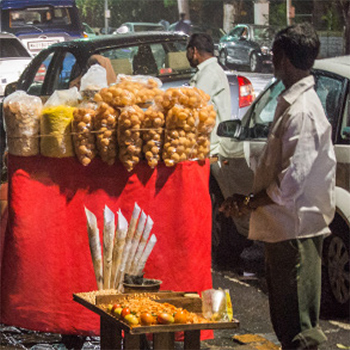
Visual ethnography: Street food vendor
by Midhun K. M.
by Midhun K. M.
Visual ethnography is an ethnographic method that uses visual mediums such as photography, video and sketching to understand the human culture. It is an open-ended process where a large amount of data is gathered and analysed to carry out the study. The process involves the researcher getting immersed in the field with the participants in their environment to observe and analyse the various activities and events that unfold during that time.This method is highly useful for designers to provide appropriate solutions to user needs since it allows understanding of the culture and context of the user or community, which is very crucial for any fruitful solution.
Details >>
Summer Internship at Craft Development Institute, Srinagar
by Midhun K. M.
Details >>
by Midhun K. M.
The Craft Development Institute is an autonomous institute under the Jammu and Kashmir government. The institute is located in Srinagar, Jammu and Kashmir. The institute is committed to providing professional educational programmes in the area of entrepreneurship in the handicraft sector. CDI also conducts skill-based training and workshops to mentor a new generation of artisans. The activities at CDI are aligned such that the regional craftsmen are aided in understanding contemporary design and market trends and helping them out of other issues prevailing in the handicraft sector.
Without the dedication and skill of these artisans, no design will become a reality. A line of acknowledgement would not be sufficient to bring forward these wonderful people. Kashmiri handicrafts are unique in their richness and beauty. The craft of Kashmir is deeply rooted in its culture and traditions. The craftsmen are well renowned for their intricate workmanship. The handicraft reflects the richness of nature and the wide variety of flora and fauna found in the valley. The handicraft industry is an unorganised sector with low investment capital, and the craftsmen work with traditional tools and processes.
Design and development of agricultural equipment for marginal rice farmers
by Midhun K. M.
by Midhun K. M.
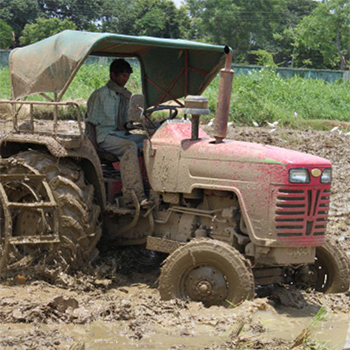
The present study is an attempt to understand the current scenario in marginal rice farming in the state of Kerala in India, which is deficient in the production of its staple grain, rice. The focus is on understanding the context and the requirements of the community for sustaining rice cultivation and their livelihoods. The research carried out showcases the various challenges faced by the farmers to sustain the cultivation due to the higher production cost and lack of solutions to cater to the needs arising from the shortage or unavailability of resources to carry out the operations in the field. The study is concluded by proposing the requirements of the farmers by analysing the data collected during primary and secondary research for designing a solution in the next phase of the work.
Details >>
Design of agricultural equipment for the marginal rice farmers: A solution for transplanting and harvesting of rice
by Midhun K. M.
by Midhun K. M.
The current project is a continuation of the work carried out to identify the problems associated with the marginal farming community in Kerala. In this part of the project, the focus is on providing solutions to the issues. The various design opportunities are studied based on the needs of the user group, and the need to sustain marginal rice farming communities by maximising profit is taken forward. The solution proposes a conceptual machine that is economically viable to operate in marginal-sized land holdings to carry out the transplanting and harvesting of rice, which are the most intensive activities in rice farming. The solution also focuses on various factors such as safety, comfort, and efficiency for improving the productivity of farm activities while addressing the need to sustain marginal rice farming. Along with the conceptual machine, the project concludes with a note on the system-level design based on the context of the user group for which the solution is designed.
Details >>
Life & Culture Of The Eunuchs in India
by Naman S. Varma
by Naman S. Varma
Oxford English defines the word eunuch as: a man who has been castrated, especially (in the past) one employed to guard the women’s living areas at an orient court. The process of castration is known as “Nirvana” in the eunuch community. They are very much like other people, but even now, they are not considered human beings because of their unclear biological sex and gender identity. They are commonly known as ‘hijras’ in Indian society. They are also known as kinnar, chhakka, khusra, kojja, alis, aravanis, napunsak, and jogappa (depending upon the region) in Hindi and transgender, transsexual, and eunuch in English. They are not accepted in our society; hence, they have their own customs and rituals. They dress as women, and most of them consider themselves women but are male in the eyes of the law, but for the common people, they are neither male nor female.
Details >>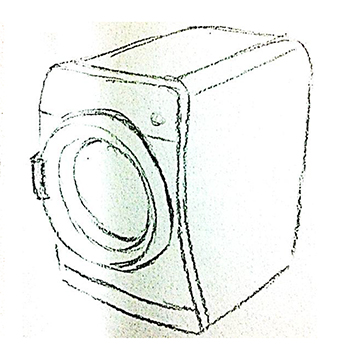
Mini Washing Machines for Under Garments
by Naman S. Varma
by Naman S. Varma
The project “Mini Laundry Device for Washing Undergarments” by Naman S. Varma (IDC, IIT Bombay, 2008–2010) explores the potential of designing a compact and durable laundry solution for the Indian base-of-the-pyramid market. With rising disposable incomes and changing lifestyles, consumer durables such as washing machines are shifting from luxury items to everyday necessities. Yet, a significant section of the population remains underserved when it comes to simple, affordable laundry devices. This project identifies laundry—an essential, universal need—as an area where design can reduce effort, save resources, and modernize age-old practices while being sensitive to local customs and materials. By focusing on undergarments, the design aims to provide a practical, low-cost, and culturally relevant white good that not only eases daily life but also holds potential for job creation and broader social impact.
Details >>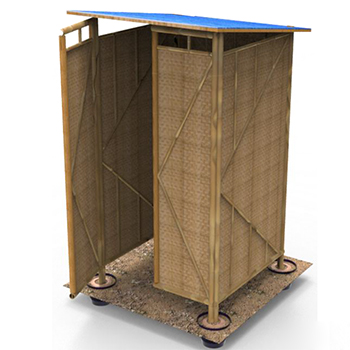
Low-cost Sanitation Structure for Rural India
by Naman S. Varma
by Naman S. Varma
Most rural people in India, both men and women, defecate in the open; they are seen squatting by the side of the road. India’s high rate of open defecation takes the lives of hundreds of thousands of children each year. Children lose their lives to diarrhoea and other water-borne diseases. Children who defecate in the open have the tendency to catch diseases sooner than children who use latrines; these children are weak and are unable to grow to their full physical and cognitive potential. Although many people who defecate in the open think it is harmless, or maybe even good for them, they are wrong: the negative consequences of open defecation are a very big deal and can take their lives because of the diseases it causes. Also, women need privacy and extra hygiene to protect themselves from various infections. Therefore, it has become necessary to design and develop a low-cost, simple, and hygienic sanitation system. Educating people about the importance of good sanitation for their health and well-being is very important.
Details >>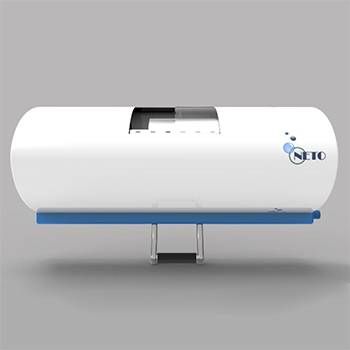
Low Cost Washing Machine for the Low Income Groups
by Naman S. Varma
by Naman S. Varma
People all over not only desire but also need clean clothes. We can hope to reduce the time, effort, and resources needed to perform these tasks by understanding local customs, practices, and geography. We can hope to fill the void and modernise an age-old process for people who need it the most. “When companies design products and services for the poor, they often think about making them as low-cost as possible. But whether you’re tapping a market opportunity or addressing a social need, it’s important to realise that people living in poverty value quality design. Quality design doesn’t mean that goods and services need to cost more.” - IDEO.
Details >>
Observational Research of Bus Stops for Mumbai
by Omkar R. Jambovane
by Omkar R. Jambovane
Mumbai is the capital of Maharashtra state. 2680 buses ferry 5 million passengers over 365 routes and have a work force strength of 38,000, which includes 22,000 bus drivers and conductors. The city is divided into 25 depots. There are 5200+ bus shelters in Mumbai. The study is intended to interpret the habits of people with respect to the usage of three bus shelters around them. Also to find the unmet needs of people with respect to bus shelters. The observational research is based on the photographs taken at various locations in Mumbai, which are then tagged based on the information they contain. The observations and insights from each photograph were then documented. An affinity analysis of these insights gave a finer breakdown of the issues that are unmet and unaddressed.
Details >>
Summer Internship at Wings 44
by Omkar R. Jambovane
by Omkar R. Jambovane
Wings 44 is an Industrial design firm that operates from Shiroli MIDC, outside Kolhapur city. It was founded by Amey R Ghatge, an IDC alumnus. Wings 44 specialises in Material handling and storage, Industrial furniture and automation. It strives to keep 'man' as the main element around which the design process revolves including machine, environment, manufacturability and economics.
Details >>
Innovative Application of Steel in Housing: Floor Slab
by Omkar R. Jambovane
by Omkar R. Jambovane
The human population has grown by leaps and bounds over the last century. Consequently, the demand for housing has also gone up. But in the name of development and land for housing, we as a species have violated our planet, depleted its resources, and disturbed its fragile ecological balance. It is obvious from the above facts that calcination arising due to cement manufacturing needs to be curbed, and we need to look at alternative techniques that have a lesser carbon footprint. The perspective shift can happen either by reducing cement concrete in housing wherever not required or by totally looking at material-based innovation in construction techniques. The project was conceived and executed keeping this “rapid construction of economical, eco-friendly, and structurally sound houses” in mind. Within the scope of the project, it has been tried to address all issues related to housing. While working on this project, we came up with one very innovative concept called Criss-Cross Corrugation. Here, this CCC concept is used for the flooring structure, which reduces almost 50% of the cost.
Details >>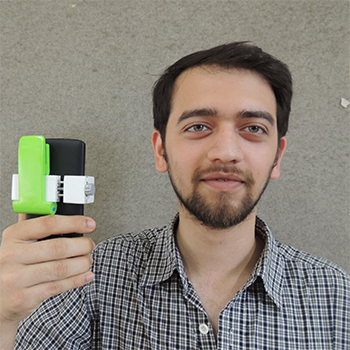
Point-of-care medical diagnostic using smartphone.
by Omkar R. Jambovane
by Omkar R. Jambovane
Remote health monitoring and disease detection in rural India are hampered by a lack of accurate, convenient, and affordable diagnostic tests. As per my field study, I observed that many of the basic tests administered in well-equipped clinical laboratories are inappropriate for the setting encountered at the point of care, where poor or even low-income patients may be best served. To address this problem, I have designed a smart scope that is useful for conducting rapid basic tests at the point of care by a single patient or a person who can conduct these tests door-to-door and carry the sample to the clinics in rural India. This project is a design for the initial implementation of diagnostics with a smartphone application that supports health workers in rural India.
Details >>
Sishu vihar outdoor Play Space: Design & Phase 1 imlpementation
by Paulanthony George
by Paulanthony George
Young children bear many gifts that are pure and unadulterated. Between the ages of 4 and 10 years, before being pushed into class rooms and other sterile environments, they love the opportunity to run in open spaces and be a part of nature. It is at this age that they begin to exercise their imagination and bodies simultaneously; hence, the spaces and scenarios that they are in have to be easy to manipulate. The Sishu Vihar building is a bungalow amongst a series of bungalows situated on the IIT Bombay, Powai campus. Our concepts and ideas for the play space in Sishu Vihar, IIT Bombay, are keeping in mind the distinct ecosystem that is IIT Bombay and other constraints that have strengthened rather than limiting the outcome of the project.
Details >>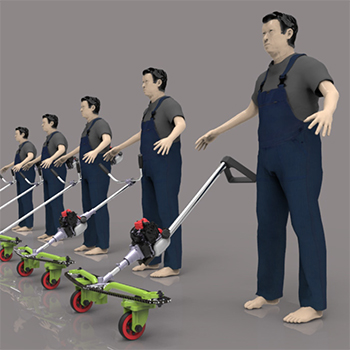
Design of Agro-Aids for one Acre Farming
by Paulanthony George
by Paulanthony George
This project encompasses the design process we followed to introduce a product that can be used for the process of harvesting, threshing, and winnowing paddy in subsistence farming. The main objective is the integration of existing technologies, which help us cater to a sector of the market that buys very low-cost products. Using the existing framework of a harvesting machine, we have tried to integrate the same product for the additional purposes of threshing and winnowing.
Details >>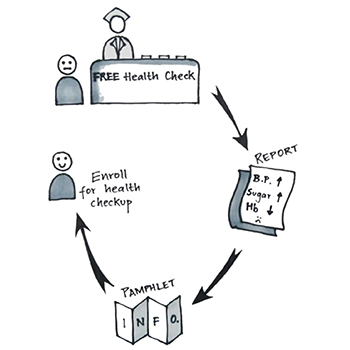
Design for Behaviour Modification- For Routine Health Checkups
by Sohini Guin
by Sohini Guin
The project is based on Design for Behaviour Modification. The selected field is routine health checkups. Routine health checkups are meant to comprehensively perform various tests on a person periodically so as to prevent illness or take action whenever necessary before the illness gets aggravated and caught at a later stage. Health checkups are especially important for middle-aged people who tend to fall sick often. However, most people do not do this regularly for varying reasons. The aim of the project is to understand the mindset and behaviour of such people and intervene by providing nudges to benefit them so that they go for routine health checkups regularly. To do this, various cognitive biases in the human brain were studied. Several examples of nudges in healthcare and other fields were studied for a better understanding of various biases. In the end, some ideas have been described to try and make health checkups more routine in the lives of middle-aged people.
Details >>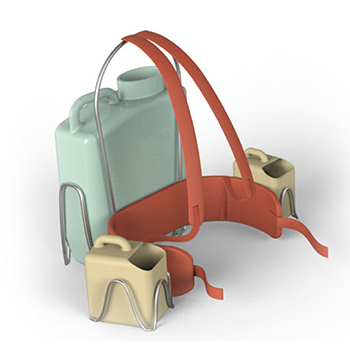
Water Fetching Aid for Rural Women
by Sohini Guin
by Sohini Guin
Access to potable water in villages is still a problem in India. It has to be fetched over long distances. This task is usually done by the women in the family. They go to fetch water from the well or a pump in the area. This constitutes approximately 50 litres of water per day for a family of five members. The most common method of fetching water is by carrying matkas or handas on the head. This form of head load causes a lot of strain on the neck and is often the cause of injuries and muscular spasms. The following project aims at providing an aid to help with this load-carrying task. Various methods of load carrying have been studied; complete motion and task analysis have been done to come up with a solution that reduces effort and is physiologically safe. After coming up with various concepts and testing some of them, a product that distributes load around the trunk of the body has been decided as the final concept.
Details >>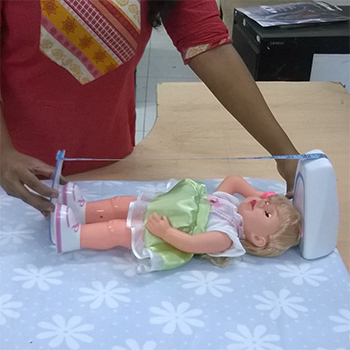
Growth Monitoring Device for Children
by Sohini Guin
Details >>
by Sohini Guin
45% of global infant deaths are due to nutrition issues. Such problems can be monitored and diagnosed through the growth monitoring of children. Growth monitoring for children is a standard practice followed all over the world from birth until the age of 18. It allows the detection of growth problems, nutrition deficiencies, and endocrin diseases. Endocrine problems at a young age manifest into serious problems as an adult. These problems can be monitored and detected at a young age. Parents should be given information about nutrition or referred to doctors in case of a problem.
The various equipment available for growth monitoring is often not used by health workers who set up health camps in remote locations due to various usability issues. The current scenario, use of these devices, or lack thereof, has been studied. Concepts for easier use, accurate measurements, and data recording in growth monitoring systems were explored. The final concept was a portable product that is simple to use, has data recording capabilities, and is affordable for use in health camps and rural hospitals.

Comparative study of vein detection devices to develop a low cost device
by Trivikram Annamalai
by Trivikram Annamalai
Vein detection technology is a vital area of research that is concerned with viewing patients' veins accurately. It avoids multiple needle pricks and makes the venipuncture process less traumatising to the patient. The research deals with the study of existing vein detection technologies and the development of a prototype based on the insights obtained from the study. The prototype was evaluated by experts, paving the way for a product that is effective and affordable for Indian scenarios.
Details >>
Summer Internship at Mobility India, Bangalore
by Trivikram Annamalai
by Trivikram Annamalai
Mobility India is a registered society, established in 1994 in Bangalore, Karnataka, with a Regional Resource Centre in Kolkata, West Bengal. Mobility India is the first NGO school in India to receive accreditation from the International Society of Prosthetics and Orthotics (ISPO). Mobility India’s objective is to provide support to ensure that people with disabilities have equal rights and a good quality of life, especially those living in rural areas and urban slums. In pursuit of this objective, MI set up its rehabilitation, research, and training centre in 2002. This is a disability-friendly building that houses MI’s activities and provides rehabilitation services and various training programmes in rehabilitation, prosthetics, and orthotics. MI has a policy of employing people with disabilities in order to give them equal opportunities; hence, most of the staff in Mobility India in all departments are people with major health issues (like cancer patients) or other disabilities.
Details >>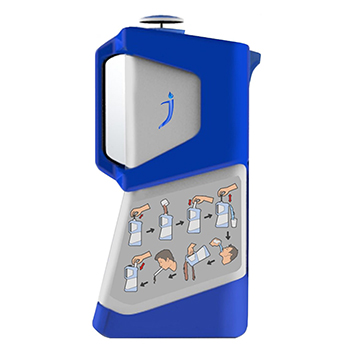
Jivan Jar: A water purifying jar for survival situations
by Trivikram Annamalai
by Trivikram Annamalai
The area of work dealt with in this project is providing drinking water for the survival of people during natural disasters and emergency situations. In this area, a product has been developed that would be a do-it-yourself, quickly deployable device that provides pure water to the needy. In India, quick relief during disasters and emergencies is often hindered due to a lack of quick deployable solutions, which gives rise to the need for design intervention that would help solve this problem. Rainwater harvesting was the initial focus in order to utilise the benefits of using rainwater, which was later modified into designing a device for handling water crises during emergencies or disaster situations. Hence, a device was designed that would quickly provide pure water using the flood waters or any other contaminated source of water.
Details >>
C-Vein: A low cost vein detector for Indian scenarios
by Trivikram Annamalai
Details >>
by Trivikram Annamalai
Vein detection is a vital area of research that is concerned with spotting the patient’s veins quickly and accurately, thereby avoiding multiple pricks. The project deals with making an effective, low-cost vein detection device based on a comprehensive study of parallel products available on the market and an analysis of functional rigs.
The project focuses on design intervention in areas of product usability, aesthetics, and manufacturability, apart from incorporating the technology into the product. Although products that help find veins do exist in the market, this project differentiates itself from other products by being affordable and better at usability aspects.
Major New Trends in Last 4 Years- An Investigation into Their Impact
by Tushar Wankar
Details >>
by Tushar Wankar
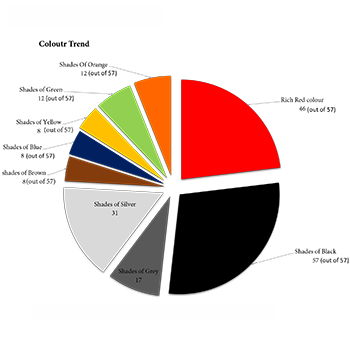
The project aims to understand the trend or pattern followed by people in India in the motorcycle category in the past 4 years. The new methodology of attribute-based analysis is explored here with the intention of finding the common attributes in the present motorcycles.
The study involves an understanding of the projects done at IDC and IIT Bombay on trend analysis, followed by a pilot study of “wrist watches” to get a clear idea of the method and end results. Then the actual research study starts with an understanding of the motorcycle market in India, thus finding the most-seen attributes, and then representation results through a pie chart to trace patterns. The end results were compared with the top ten motorcycles in India, and their results were analysed to find the difference.

Application of Steel in Housing Construction- Wall System
by Tushar Wankar
Details >>
by Tushar Wankar
India is one of the largest producers of steel in the world. Even though India has the potential, steel-intensive construction has been quite low, and concrete-based construction has been on top, mainly due to the lack of awareness of the advantages of steel-intensive construction and the social mindset about concrete construction.
The project aims at exploring the innovative application of steel and finding the scope of use of steel in the construction of housing. The challenge of developing design and technology that can be deployed easily by semiskilled or local labour with minimal tools and power is addressed here. So that it will result in a reduction in construction time, mass-produced components, and enhance people's sense of dignity, identity, and belonging. The target area focused within the house is internal walls, which aim to improve safety, quality of life, and comfort over the long term with sustainable and adaptable solutions to local norms without losing the visual appeal of a traditional brick wall.

Rescue Kit for Floods
by Tushar Wankar
by Tushar Wankar
Floods are annual natural calamities and the second-most fatal natural disaster in India after earthquakes. Each year, hundreds of people die because of floods. Most of the people were killed because they were not prepared for such a disaster and because help was not available on time. This project deals with the design of a lightweight, portable kit for an individual that floats on water and can be used for self-rescue from floods. This kit is primarily a personal flotation device that will keep people floating and alive until they get help. This kit will also provide possibilities of self-deployment, giving a signal to the rescuers, rain protection, anchoring possibilities, etc. Kits can be owned by the people or distributed by the government as a lifesaving aid. This project focused on strengthening rescue and relief operations in India by providing an opportunity for new product development, catering to human needs in vital conditions.
Details >>