Product Design
Batch 2021-2023
(55 items)
Product DesignBatch 2021-2023
(55 items)
(55 items)
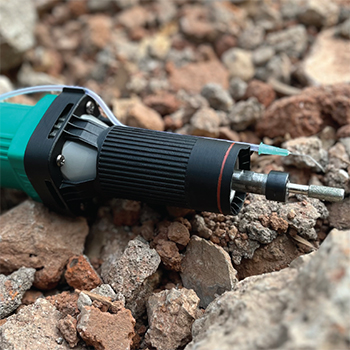
Die Grinder Attachment for Marble Carvers
by Aamod Narkar
by Aamod Narkar
Marble carving is one of the oldest art forms involving marble. The craft of carving shapes from stones began long before painting. Artifacts have progressed from this point to where they are now. They are not only durable and resistant, but they also have a traditional sense of style. Marble carvings have a unique place in the world of art. As the technology has been developing, it has led to an increase in the extent of the use of power tools for carving. Most of the artisans working in all tier city categories have shifted to the use of power tools from hand tools. Due to the increase in the demands of the marble products, power tools have contributed to assisting the artisan to develop designs faster. The most commonly used power tool for carving is a die grinder. Usage of the die grinder for carving is a skillful task and requires the artisan to be precise and attentive while working with it. It was commonly observed that this die grinder was customized by the artisans to help them perform their tasks better. The customization was majorly for gripping, water connecvtivity and blowing of dust. My project specifically looks at these clusters of artisans working in small-scale workshops and attempts to solve all the customizations made by the artisans on their die grinders with the help of a single attachment that attempts to solve the basic requirements of the artisans by externally clamping over it.
Details >>
CardioAssist: CPR Assistive Device for Adults
by Aamod Narkar
by Aamod Narkar
Cardiac arrest is one of the leading causes of deaths around the world, and as per the news reports, that scenario is similar in India. Many articles have reported young people as victims of cardiac arrest, proving that cardiac arrest is not restricted to any particular age, gender, or profession. One of the major issues around cardiac arrest in India is its lack of awareness and lack of information on measures to be taken after witnessing such a case. CPR is a life-saving skill that can revive the victim from the arrested state if help is provided correctly within the given time. The bystander CPR rate is very low in India; hardly around 2% of the population is aware of the techniques of CPR. As the majority of the cardiac arrests happen outside hospitals, it is highly likely that only a lay bystander will witness a victim getting an arrest, and hence a bystander plays a very important role in saving the victim’s life. Creating awareness amongst people about CPR through trainings and seminars is very important, but relying just on these training sessions to create immediate impact on improving the bystander CPR rate in India is ambitious. Hence my project aims to develop such a design solution that encourages and assists a bystander to provide CPR to the victim. A cost-effective, portable, and easily available solution that could be operated over the victim by the bystander until the emergency medical service reaches the site.
Details >>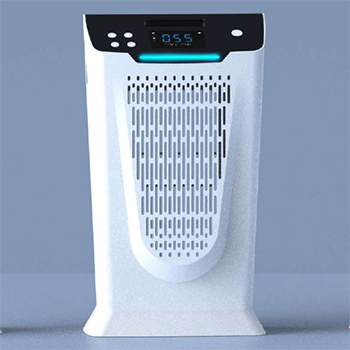
Design of an Air Purifier for Indian Mid-Income Group
by Amit Kumar
by Amit Kumar
This is a college course project in an effort to understand the design process that is followed to design any product for general consumers. The topic selected for the project was the redesign of an air purifier for the Indian middle-income group. The concise brief can be quoted as “To design a range of air purifiers for middle-income groups, keeping in mind usability, serviceability, portability, ergonomics, aesthetics, interface or navigation, and visual semantics as features." The issues targeted were selected based on interviews that were conducted during the project. Air quality is deteriorating around the globe rapidly, and to mitigate that problem for metropolitan cities, an air purifier remains the only solution. As a necessity, that product becomes an integral part of our lives. Following the design principles of Dieter Rams, who said, "Good design is often invisible," the goal is to make the product with the best possible interaction for the user to make it invisible.
Details >>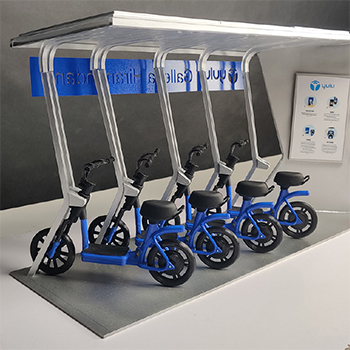
Docking, Locking & Charging Solution for shared Micro-Mobility (Yulu)
by Amit Kumar
by Amit Kumar
This report examines the docking, locking, and charging solution for Yulu, a prominent shared micro-mobility provider. It evaluates the existing infrastructure, locks, and charging facilities, focusing on usability, durability, and security. The operational implications, such as user experience and vehicle distribution, are analyzed. Finally, potential enhancements are proposed, such as smart docking systems, advanced anti-theft mechanisms, and dynamic charging infrastructure. This study sheds light on the challenges and opportunities in the shared micro-mobility sector, providing insights for service providers to improve their operations and enhance customer satisfaction. Keywords: shared micro-mobility, docking, locking, charging, Yulu, usability, security, user experience, operational challenges, enhancements.
Details >>
Origami Inspired Lighting Solutions
by Aryan Gajwe
by Aryan Gajwe
Home decor and lighting is one of the booming industries in recent times. With every developing technology and sustainable light fixture, space illumination has been explored to a great extent. On the other hand, origami is one of the ancient crafts that is still being practiced and is an integral part of cognitive development. This project involves intense exploration of origami as a functional craft. This project focuses on exploring the origami forms and principles to design lighting solutions.
Details >>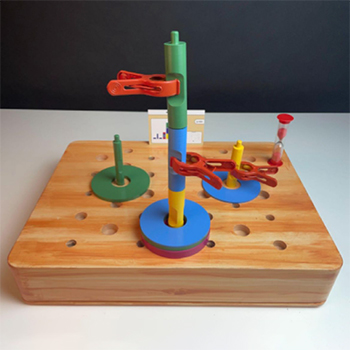
Occupational Therapy Kit for patients suffering from ALS/MND
by Aryan Gajwe
by Aryan Gajwe
This study aims to design an occupational therapy kit for individuals in stages 1 and 2 of ALS or MND, to be used conveniently at home. The kit will consist of a variety of exercise tools targeting muscles in the fingers, palm, wrists, elbows, and shoulders. The objective is to help patients maintain their range of motion, improve grip strength, and reduce muscle wasting in their upper limbs. The designed kit emphasizes affordability, accessibility, and portability, allowing individuals to engage in therapy sessions without the need for frequent hospital visits. The tools within the kit are designed to be intuitive and user-friendly, facilitating ease of use. Additionally, exercise performed with the assistance of these tools can be personalized by the occupational therapist to suit the specific needs and condition of each patient. By providing a comprehensive therapy kit, this study seeks to enhance the accessibility and effectiveness of occupational therapy for individuals with ALS or MND. The convenience of using the kit at home promotes consistent engagement in therapy, enabling patients to proactively manage their condition. This approach holds the potential to improve the maintenance of upper limb function and enhance the overall quality of life for individuals living with ALS or MND in the early stages of the disease.
Details >>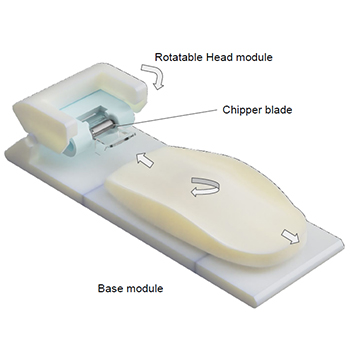
CLIPPA - Designing a nail clipper for Geriatric who have trouble reaching their toe nails
by Ashuj Chawda
by Ashuj Chawda
Post pandemic, our lifestyles have changed, which has allowed me to think about and address problems that came with the pandemic. Being quarantined at home meant staying away from loved ones and avoiding physical contact with anybody. There are situations in which the geriatric or the elderly have to stay away from their loved ones too, and there are many tasks that they need to perform alone throughout the day. Nail clipping of the toenails is one such task that can involve bending and stretching. This is almost an impossible task for the elderly, especially if he or she is obese or has back problems. My project focuses on problems associated with nail clipping of the toenails of the elderly and the obese; here I have explored various possibilities of the automated chipping of the nails using just the feet. The explorations involve the use of a spiral blade that chips off the extra, protruding nails of the toe fingers. The device is named Clippa, from the word clipper. Problems like disposing of the nails after chipping have also been addressed.
Details >>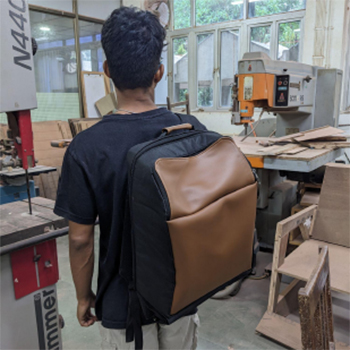
Jogee Backpack - An semi-formal backpack for the wanderer in you
by Ashuj Chawda
by Ashuj Chawda
This project is about designing a backpack that fulfills the needs of an office-going person who has to travel for 3-7 days but doesn’t want to shift from his office backpack to a travel backpack. In the process, I have outlined the way backpacks are made in the industry and how various materials can be sourced, especially in the Mumbai region.
Details >>
Polika Polika - A tale of pottan Theyyam
by Athira E
by Athira E
Theyyam, a ritualistic performance related to myths and tales, is the most prominent and spectacular form of art in Malabar (the northern region of Kerala, southern India). Theyyam is a form of worshipping gods, goddesses, and legendary heroes that is based on a relatively straightforward idea: following appropriate preperformance rituals, the god or goddess of a temple temporarily manifests itself in the body of a powerful man (the performer), elevating him to divine status. One of North Kerala's most ancient indigenous and mystical ceremonial art forms is this one. It's known that there are 400 varieties of theyyam in northern Kerala. ‘Pottan theyyam’ is one of the major kinds among them. It stands out from the project's goal, which is to gain a thorough understanding of "Pottan theyyam" in particular and various aspects of theyyam in general. this crowd due to a lot of intruding and entertaining factors of it. The project's goal is to gain a thorough understanding of "Pottan theyyam" in particular and various aspects of theyyam in general. It also aims to develop a brief, epic novel for children between the ages of 8 and 12 that can depict the actions of pottan theyyam, who gave their life in defense of a social cause.
Details >>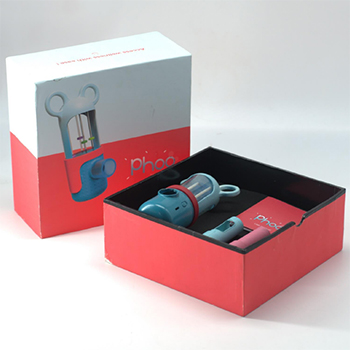
Spirometer for kids
by Athira E
by Athira E
COPD (chronic obstructive pulmonary disease) is a leading cause of illness and mortality worldwide. According to WHO estimates, 65 million individuals suffer from moderate to severe COPD. COPD killed about 3 million people in 2005, accounting for 5% of all deaths worldwide, and it is expected to be the third greatest cause of death by 2030. Developing countries are rapidly changing. Socioeconomic development, industrialization, urbanization, changing age structures, and changing lifestyles have resulted in a growing burden of noncommunicable diseases (NCDs), like COPD, in the countries. India contributes a considerable and growing proportion of COPD mortality, which is considered to be among the highest in the world, with more than 64.7 estimated age-standardized death rates per 100,000 people in both sexes. Crude estimates suggest there are 50 million COPD patients in India. Among which the disease is very much noncommunicable in kids. Spirometers are breath analyzers or devices used for conducting spirometry tests for the diagnosis of respiratory issues like COPD & asthma. This project is to redesign the spirometer for kids of 5-10 years old to encourage them and test their lung function for the betterment of their lives.
Details >>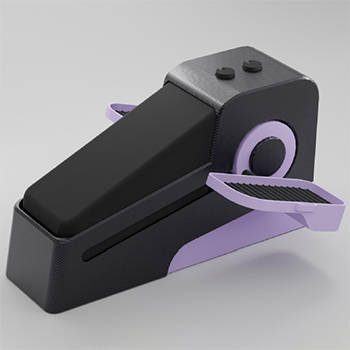
Flexo - Designing for Improved Care; Physiotherapy Equipment for Parkinson's Patient
by Athira E
by Athira E
Parkinson's disease (PD) is a chronic neurodegenerative disorder that affects the central nervous system. It is characterized by the loss of dopamine-producing cells in a specific region of the brain called the substantia nigra. Dopamine is a neurotransmitter responsible for transmitting signals that regulate movement and coordination. As dopamine levels decrease, individuals with PD experience a range of motor and non-motor symptoms. The primary motor symptoms of PD include tremors, bradykinesia (slowness of movement), rigidity (muscle stiffness), and postural instability (balance problems). Non-motor symptoms may include cognitive impairment, depression, anxiety, sleep disturbances, and autonomic dysfunction. PD is a progressive disease, meaning symptoms worsen over time. While there is no cure for Parkinson's disease, various treatments, including medication, physiotherapy, and lifestyle modifications, aim to manage symptoms and improve quality of life for patients. However, there is a need for innovative equipment that targets the specific challenges faced by PD patients. This project aims to fill that gap by designing advanced personnel physiotherapy equipment that addresses the unique needs of PD patients, focusing on improving motor function, balance, and mobility. The report outlines the design process, technical specifications, functionality, and potential benefits of the developed equipment, along with recommendations for future improvements and implementation. Through this project, I hope to contribute to the advancement of physiotherapy interventions for Parkinson's disease, ultimately enhancing the well-being and functional abilities of affected individuals.
Details >>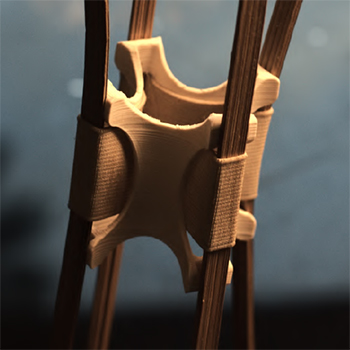
Exploration on BAMBOO JOINERY
by Infant Bibin I
by Infant Bibin I
This joinery exploration project is focused on studying and understanding the potential of bamboo as a versatile material for varied applications and how its functionality can be maximized by creating a new joinery system. The project aims to create a new joinery system that is more application-centric, scalable, adaptable, and has a unique growth combination for varied creative applications. This new joinery system aims to connect bamboo strips or solid bamboos without any external puncturing or carpentry tooling but with the use of tensional/elastics members.
Details >>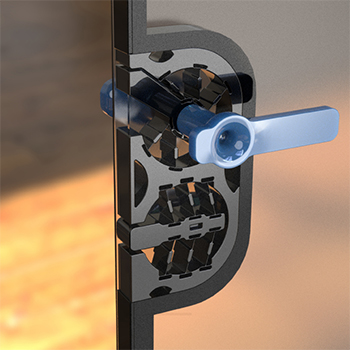
Design of Compliant hardware for Plastic Doors
by Infant Bibin I
by Infant Bibin I
This increased building construction has resulted in increased production of doors and door hardware. Door hardware is an essential component that makes any board or plank into a usable and functional door, and as a result, there is an increasing demand for the door hardware market on a global scale. Metal hardware industries are well developed and matured currently, having great designs and functionality. On the other hand, when it comes to plastic hardware, it remains the same over the years. This project tries to create a system to leverage the plastic hardware, especially for PVC/UPVC doors that are primarily used for lavatory spaces and temporary installations of enclosures. And also, the main objective of this project is to create an integrated system for hardware designs that should be easily manufactured at the same time as being compliant. The ideations were mainly driven by factors like creating the hardware with a smaller number of parts, easy to assemble, and positively impacting user kinematics.
Details >>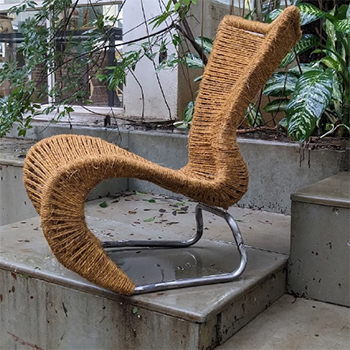
Furniture Design with Banana Stem Fibers
by Infant Bibin I
by Infant Bibin I
Banana is one of the most important fruit crops grown in India. After the harvest of fruits, huge quantities of waste biomass from pseudo stems were burnt or left in situ, causing detrimental impacts on the environment. This thesis presents a comprehensive exploration of product design for a furniture range made by utilizing leftover banana stems as the primary raw material and primarily focuses on environmental sustainability and empowering rural women and promoting through the utilization of banana fiber while also delving into craft and form exploration. The research begins with an analysis of the social and environmental context, highlighting the impact of banana fiber made for a small group of rural women at Melakkal village. This model can be used throughout India’s banana-growing regions, and it also highlights the need for sustainable alternatives in the furniture sector. To ensure the viability and marketability of the designs, the report emphasizes material-specific testing. Mockups are created to evaluate the structural integrity, load-bearing capacity, and overall comfort of the furniture. To bring the final designs to life, prototypes were developed in collaboration with industrial manufacturing partners. Different treatment methods, such as boiling and dyeing, are explored to enhance the durability, color options, and customization potential of the banana fiber ropes. In conclusion, this report presents a holistic approach to product design for a furniture range made with banana fiber ropes. The integration of craft and form exploration, material-specific testing, and empowerment of rural women contributes to the overall sustainability and social impact of the project.
Details >>
Gondhal - Commune with Divine
by Malhar V Pilvalkar
by Malhar V Pilvalkar
Maharashtra, like all other states in India, is rich in culture, heritage, and traditions. There is a variety of rituals, ceremonies, and traditions that bring people close to the divine energy. Out of many, Gondhal is also one. Gondhal, in literal translation, means 'chaos,' which depicts chaos through good vibrations that dispel all evil. Gondhal is one of the Kulachara or Kula dharmas, that is, the family traditions of certain Brahmin and Maratha families in Maharashtra. Gondhal The ritual of gondhal is considered ‘vidhinatya,’ which means ritualistic performance. It is mainly performed after auspicious events such as marriage or upanayana (initiation into studentship); in some regions, it's performed as part of the festival of Navaratri. A gondhal is performed to express gratitude to the kula devata (patron deity of the family). It's believed that the ritual calls the deity to the house and asks her to bless the family members and to kill all the evils.
Details >>
Redesign of a Reusable water bottle
by Malhar V Pilvalkar
by Malhar V Pilvalkar
This is a college course project in an effort to understand the design process that is followed to redesign any product for general consumers. The topic selected for the project was the redesign of a reusable everyday water bottle for young Indian users. The concise brief can be quoted as “to design a range of water bottles for young age groups, keeping in mind usability, handling portability, ergonomics, aesthetics, and visual semantics as features.” The issues targeted were selected based on interviews that were conducted during the project. Disposable plastic water bottles contribute a major part to global plastic pollution. Reusable plastic bottles are a significant countermeasure to this problem. After the pandemic, people have become more conscious about health and fitness. Reusable water bottles are one of the products used by wide user groups involved in sports and fitness.
Details >>
Modular Acoustic Treatment System for workspaces
by Malhar V Pilvalkar
by Malhar V Pilvalkar
In the modern era of open-plan office layouts and collaborative work environments, and noisier cities, the challenge of managing acoustic disturbances has become increasingly critical. The comfort, efficiency, and general satisfaction of an office's inhabitants are directly impacted by the acoustic quality of the space. Organizations are now investing in cutting-edge technology to create a conducive auditory environment that encourages focus, privacy, and efficient communication as a result of realizing the importance of acoustic comfort. Every modern society uses its buildings continuously and intensively, placing everyone in them for most of their daily activities. That makes it important to design healthy modern workspaces considering all the factors like privacy, collaboration, lighting, ventilation, ergonomic workstations, cleanliness, etc. This project tries to understand how noise pollution affects attention spans, stress levels, and general job satisfaction. Being aware of the negative impacts of excessive noise will help to design better soundscapes. Along with acoustical properties, the design also focuses on interactions of a user with his surrounding physical space. The design tries to break the rigidity of conventional partition cubicles. And add more value to the product in terms of usability and experience. The design also employs the principle of modularity to explore more interactive design. Concepts like fabric manipulation and paper engineering are explored to achieve surface development and modularity.
Details >>
AR For Institute Events- Use Of AR For Project Display During Exibitions
by Mohammed Hazique Kola
by Mohammed Hazique Kola
By employing augmented reality, information such as advertisements, posters, and announcements regarding upcoming events, launches, festivals, and more can be communicated without the need for printing posters, pamphlets, and other physical materials that result in waste generation. Our objective through this project is to propose an alternate solution that employs AR to disseminate information, not only reducing waste but also paving the way for further advancements in the digital space.
Details >>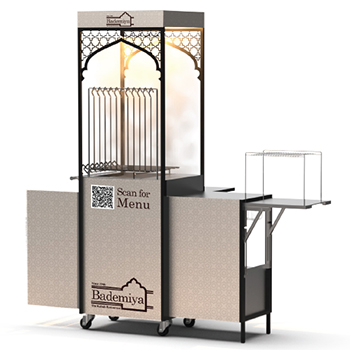
Redesign of mughlai street food stall
by Mohammed Hazique Kola
by Mohammed Hazique Kola
Street food business in India is one of the fastest growing businesses in India and it is the next big thing in the food and restaurant industry. Eating street food in India is a delightful experience. It is not just the lip-smacking taste; it is also the culture and cuisine that makes you go gaga over the food served. The rich diversity of cultures of which India is proud is reflected in the variety of cuisines served in the streets of India. One of such is the Mughlai cuisine. This project aims at redesigning the street food vending cart that serves food prepared with charcoal. Street food is an inseparable part of urban culture. Cities like Delhi, Mumbai, and Kolkata boast about their street food. In this project, I have looked at the iconic Mughlai street food served in Mumbai. I tried to look at the Mughlai street food and various dependencies that street food businesses have. I analyzed the system of street food vending in this particular cuisine and tried to design a solution for the businesses that want to start a new street food venture. This product caters to the restaurant owners who want to expand business in the street food market and the new entrepreneurs that want to establish a Mughlai street food brand.
Details >>
Smart Glove for Control And Interaction of Electric Super Bike
by Mohammed Hazique Kola
by Mohammed Hazique Kola
This design report explores the requirements of future cities and the emerging trends in the automotive industry, specifically focusing on the need for seamless interactions. The project presented in this report introduces designed gloves that facilitate control and interaction with electric super bikes. The automotive industry is undergoing significant advancements with the emergence of electric vehicles, autonomous driving, and connected car technologies. These trends are shaping the future of transportation and influencing the design and functionality of cities. With the rise of electric vehicles, it becomes crucial to develop solutions that enable seamless interaction between vehicles, infrastructure, and users. Several companies are actively developing future concepts and initiatives that embrace seamless interaction. These concepts include advanced user interfaces, augmented reality, wearable technologies, and intelligent mobility solutions. Companies like Tesla, Google, and Apple are investing heavily in research and development to create innovative products and services that redefine the way we interact with vehicles and cities.
Details >>
Blooming with Elegance- Icons Featuring the beauty of Magnolia Champaca Flower: A Floral Inspiration
by Mugdha Dengle
by Mugdha Dengle
The goal of this project is to design a collection of icons inspired by the Magnolia Champaca flower. It will creatively depict its anatomy, cultural significance, and mythological meaning in 2D & 3D form. Through the exploration of its beauty and charm, visual appeal, and icons are designed that capture the essence of flowers. “Golden petals, fragrant and bright, Magnolia Champa, a pure delight. A floral gem, of beauty and grace, A fragrant symbol of life’s sweet embrace.” The poem beautifully describes the alluring qualities of the magnolia champa flower: its golden petals, fragrant aroma, and pure grace, making it a symbol of life’s sweet embrace. Native to India, Champa is a well-known flower that holds immense significance in South Asian culture. The flower is widely recognized for its unique and pleasing fragrance. In Theravada Buddhism, champaca is believed to have been the tree used by the fourteenth Buddha, Aththadassi, to attain enlightenment or Bodhi. In India, these flowers are commonly used for worship in temples, both at home and outside. Additionally, they are often worn by women and girls as hair ornaments to enhance their beauty and for their natural perfume.
Details >>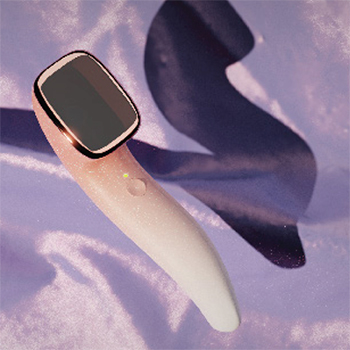
Breast Cancer Early Detection Device
by Mugdha Dengle
by Mugdha Dengle
This project’s main goal is to create a portable detector that can be used to evaluate breast anomalies in women 35 years of age and older in order to help with early breast cancer detection. Breast cancer was once thought to be a condition that only affected women over the age of 50. The incidence of cases of breast cancer in younger age groups has, however, increased significantly during the past ten years (30-40 years). Studies on the current technologies employed for the initial scanning of breast tissue for cancer diagnosis were done as part of the procedure. The gold standard for diagnosing breast cancer is mammography, which is followed by additional confirmation tests for the patient. However, all the tests are to be done in a hospital. This can only be apparent during regular health checkups or self-testing. Additionally, the majority of malignancies tend to go undetected until an advanced stage, after which the patient survival probability is poor, making early detection essential for survival. Therefore, there is a need for education on the importance of regularly checking breast tissue for abnormalities. The goal of this project was to create a device that can be used by women in the comfort of their homes as a part of the self-examination process and is beneficial for the target user group. Without anyone’s assistance, users would be able to understand this unaided. Women could use this equipment to not only check for anomalies but also to become more cognizant of these irregularities in their bodies.
Details >>
New Age Bus Stop With Air Purifier
by Mugdha Dengle
by Mugdha Dengle
Air pollution has emerged as a pressing concern in urban cities across India, posing a grave threat to the health and well-being of the population. Among those most susceptible are daily commuters who rely on public transport, exposing themselves to harmful pollutants like carbon monoxide, hydroxides, and nitrides, further compromising their well-being. To combat this issue, a modern bus stop has been developed, integrating advanced air purifiers capable of efficiently eliminating hazardous PM2.5 level particles from the surrounding air. This innovative bus stop design adopts a sustainability-focused approach, aiming to achieve a net-zero carbon footprint by harnessing solar power for electricity generation, thereby minimizing its environmental impact. Moreover, this cutting-edge bus stop incorporates a range of smart system features to enhance the commuting experience. Supplementary amenities like public Wi-Fi systems, mobile device charging stations, and interactive maps of the surrounding area may also be included to further augment the passenger experience. Furthermore, this bus stop design prioritizes the promotion of health and wellness. It offers a secure and comfortable environment for commuters, featuring improved lighting and ergonomic seating arrangements. By seamlessly integrating functionality, sustainability, and passenger well-being, this modern bus stop endeavors to address the challenges posed by air pollution while elevating the overall commuting experience for urban dwellers.
Details >>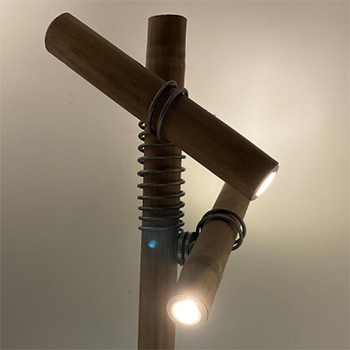
An Exploration on Bamboo Joinery
by Naiga Catherine
by Naiga Catherine
Bamboo, as a building material, has high compressive strength and low weight and has been one of the most used building materials as support for concrete, especially in those locations where it is found in abundance. Due to a distinctive rhizome-dependent system, bamboos are one of the fastest-growing plants in the world, and their growth is three times faster than most other species of plants. They are a renewable and extremely versatile resource with multipurpose usage. Among many uses of bamboo, housing is one of the major areas of application, especially in the wake of residential shortages around the globe. Bamboo as a building material is conventionally associated with the regions of Southeast Asia and South America, where the climate is best suitable for its cultivation. In many of the nations, bamboo is used to hold up suspension bridges or simply make places of dwelling.
Details >>
Designing an aerobic human powered food composter for everyday use in residential spaces for or a middle-class family up to 4 members to give ready to use compost as the end product
by Naiga Catherine
by Naiga Catherine
India faces major environmental challenges associated with waste generation and inadequate waste collection, transport, treatment, and disposal. Current systems in India cannot cope with the volumes of waste generated by an increasing urban population, and this impacts the environment and public health. An average person in India wasted 137 grams of food every single day. That is 0.96 kg per week or 50 kg per year. In India, 40% of the food is wasted, which is equivalent to Rs. 92,000 crores a year. Every year waste generation per person is increased by 5%. By 2050, India is expecting a landfill of 88 sq. km, which is almost equal to the size of Delhi. Population growth and particularly the development of megacities is making waste management in India a major problem. The current situation is that India relies on inadequate waste infrastructure, the informal sector, and waste dumping. There are major issues associated with public participation in waste management, and there is generally a lack of responsibility towards waste in the community. There is a need to cultivate community awareness and change the attitude of people towards waste, as this is fundamental to developing proper and sustainable waste management systems. Sustainable and economically viable waste management must ensure maximum resource extraction from waste, combined with safe disposal of residual waste.
Details >>
Design interventions for PARKINSON’S Accessory to resolve freezing of gait
by Naiga Catherine
by Naiga Catherine
Parkinson's disease is a neurodegenerative disorder that affects millions of individuals worldwide, significantly impacting their mobility and quality of life. One of the most distressing symptoms experienced by Parkinson's patients is freezing of gait (FOG), characterized by sudden and temporary immobilization of the lower extremities. This report explores design interventions aimed at alleviating the challenges associated with FOG, with a focus on developing an innovative accessory to mitigate this symptom. The report begins by providing a comprehensive overview of Parkinson's disease and its impact on gait and mobility. It delves into the intricate mechanisms underlying FOG, highlighting the complex interplay of motor, cognitive, and environmental factors contributing to its occurrence. By understanding these underlying factors, it becomes possible to identify potential design opportunities for interventions. A thorough review of existing research and technological solutions for FOG intervention is conducted, outlining the strengths and limitations of current approaches. This literature review serves as the foundation for proposing a novel accessory designed specifically to address FOG episodes in Parkinson's patients. The accessory considers factors such as portability, usability, and effectiveness in triggering movement initiation during FOG events. The design process is outlined, incorporating user-centered methodologies such as interviews, observations, and iterative prototyping to ensure the accessory meets the unique needs and preferences of Parkinson's patients. Various design iterations and user feedback are incorporated to refine the final accessory, considering aspects such as form, ergonomics, sensory stimulation, and biofeedback mechanisms.
Details >>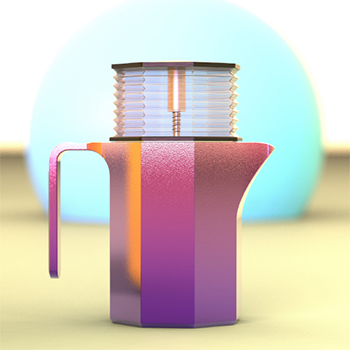
MiFro
by Parth Rathod
by Parth Rathod
Be it cappuccino or cafe latte, foamed milk is an important part of coffee preparation. The invention of espresso machines enabled baristas to steam milk before adding it into espresso to make coffee taste creamier and richer and enhance the coffee-drinking experience. India’s coffee culture is expanding as we move into the Third Wave. This leads to innovation in home brewing techniques and tools. Every year, a number of specialty roasters are born in India, each one vying for market share by using beans that are legitimately sourced and expertly roasted and promoting best-in-class machinery to produce the ideal cup of coffee. There are a wide variety of products available to grind and brew coffee at home, but foamed milk receives very little innovation. In cafes, milk is foamed using a steam wand that creates microfoam that gives milk a velvety texture. Little to no milk frothers used at home can achieve microfoam. To improve the enjoyment of coffee drinkers and makers, this study examines the home production of microfoam using a manual milk frother at home. This report explores the coffee culture and design trends of the products available in the market, finding a gap to introduce a product that adds to the coffee-making experience at home. MiFro is a frother that attempts to produce microfoam that resembles that of a cafe and adheres to the design aesthetic of modern products that may be displayed on your kitchen platform.
Details >>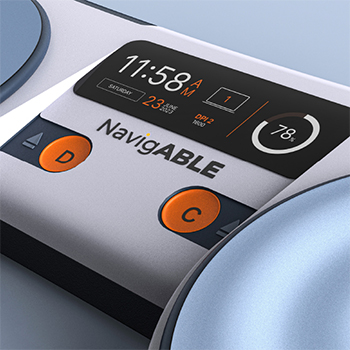
NavigAble- A computer input device for ALS patients
by Parth Rathod
by Parth Rathod
This report presents the design and development of a computer input device aimed at improving cursor navigation and control for patients suffering from Amyotrophic Lateral Sclerosis (ALS). ALS is a debilitating neurodegenerative disease that gradually impairs motor functions, making conventional input devices challenging to use. The primary objective of this research was to create an intuitive and effective cursor control device that would enable ALS patients to navigate computer interfaces with greater ease, fostering improved independence and access to digital resources. A comprehensive approach was employed, combining principles of assistive technology and user-centered design. The design process encompassed an in-depth analysis of the specific challenges faced by ALS patients in cursor navigation and an exploration of existing assistive technologies. The proposed cursor control device utilizes innovative technologies tailored to the varying degrees of motor impairment observed among ALS patients. The device’s ergonomic design and customizable settings further contribute to a personalized and comfortable user experience.
Details >>
Future Gadgets as seen through science fiction movies Human Machine Interactions (HMI)
by Pranay Gurumukhi
by Pranay Gurumukhi
The intent of working on human-machine interfaces (HMI) is to improve the interaction between humans and machines, making it more efficient, intuitive, and natural. This involves developing technologies that allow humans to control and communicate with machines through gestures, voice, touch, and other modalities. By building interest in future tech HMI, we hope to inspire and educate people about the possibilities and potential of these interfaces. This includes exploring new technologies such as brain-computer interfaces, augmented reality, and haptic feedback, as well as improving existing interfaces such as touchscreens and voice assistants. The ultimate goal is to create interfaces that are more human-centric, enabling us to interact with technology in more seamless and meaningful ways.
Details >>
Re-Designing a helmet for the young age group
by Pranay Gurumukhi
by Pranay Gurumukhi
According to the Ministry of Road Transport & Highways statistics, 4 lives are lost every single hour because of fatal head injuries suffered by motorcyclists in India. A shocking 78% of the riders do not wear helmets, which leads to grave injuries. A majority of these accidents take the lives of children and pillion riders, who are at a much higher risk of a head injury in the event of an accident. Therefore, motorcycle helmets for women and helmets for kids are also equally important when it comes to staying safe on the roads. Wearing good-quality helmets that meet safety benchmarks can prevent fatal head injuries and save your life. Also, insurance payouts are hassle-free when you have a helmet on during a mishap. In most cases, insurance adjudicators often conduct an investigation before paying out insurance coverage. If you failed to abide by any traffic laws, there could be a potential problem in receiving the insurance money. So, a word of advice: never forget to put on your helmet, even if it is a short ride to the grocery store.
Details >>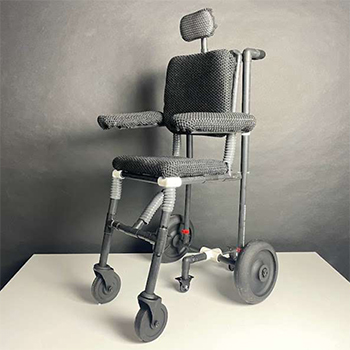
Designing a compact Wheel Chair For MND – ALS Patients
by Pranay Gurumukhi
by Pranay Gurumukhi
MND stands for Motor Neuron Disease, which is a group of progressive neurological disorders that affect the nerve cells (neurons) responsible for controlling muscle movement. The most common forms of MND are a) amyotrophic lateral sclerosis (ALS) and b) progressive bulbar palsy (PBP). The affected nerves stop sending messages to the muscles, gradually leading to weakness and thinning (atrophy/wasting) of those muscles. This is known as neurodegeneration.
Details >>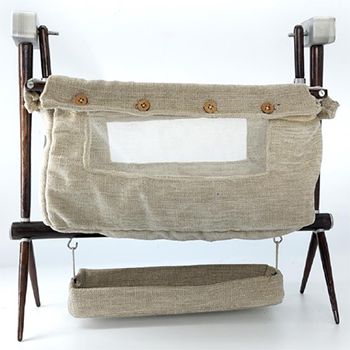
Smart Cradle
by Prathmesh Pedamkar
by Prathmesh Pedamkar
A working couple living in urban areas where they are unable to give appropriate attention to their baby without compromising their professional life. And it becomes a concerning aspect if the couple lives in a nuclear household without a family member to watch the baby. People also search for goods that appeal to them and meet their aesthetic preferences. This project looks at the overall concerns of such parents and facilitates a cradle that could help them take care of the baby without compromising much of their other commitments. I conducted the necessary research throughout the project to look at the various existing solutions and the needs of the users. Then, using all the information acquired, I am proposing a solution. The cradle, along with addressing the concerns of the user, also goes forward with maintaining the aesthetics, such that it looks like furniture that one will want to have over other products in the market.
Details >>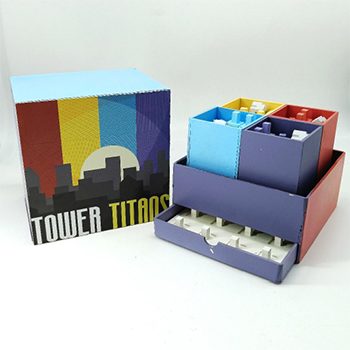
Fine Motor Occupational Therapy (OT) Kit for Parkinson’s
by Prathmesh Pedamkar
by Prathmesh Pedamkar
Parkinson's disease (PD) is a chronic neurodegenerative disorder affecting the central nervous system, characterized by the loss of dopamine-producing cells. This leads to a decline in dopamine levels, resulting in a wide range of motor and non-motor symptoms. While no cure for Parkinson's exists, treatments like medication, therapies, and lifestyle modifications aim to manage symptoms and improve patients' quality of life. Occupational therapy (OT) has emerged as a valuable approach for symptom management, especially when initiated early. In line with this, the project focuses on providing fine motor therapy for Parkinson's patients in the comfort of their homes. The design process involved a comprehensive approach, combining expertise from neurologists, MND specialists, occupational therapists, and individuals with Parkinson's disease. Research was conducted to understand the specific fine motor challenges faced by individuals with Parkinson's and to provide effective solutions. Furthermore, prototypes were developed and tested iteratively, incorporating feedback from both occupational therapists and individuals with Parkinson’s. The report outlines the design process, technical specifications, functionality, and potential benefits of the developed equipment, along with recommendations for future improvements and implementation. By advancing the field of occupational therapy interventions for Parkinson's disease, this project seeks to enhance the well-being and functional abilities of individuals affected by this challenging condition.
Details >>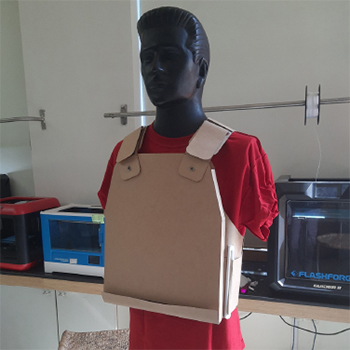
Redesign of Bullet Resistant Jacket For Anti Terror Attack Force
by Sagar D Dabherao
by Sagar D Dabherao
In the past, people have protected themselves from injury with different types of materials. In the earliest days, people used animal skins as barriers to injury and attacks. As weaponry advanced, they added wooden and metal shields to their defensive arsenals. Today various grades of bulletproof armor are worn to protect from advanced ballistic projectiles. A bulletproof vest acts as a protective layer against fast-moving projectiles such as bullets in times of war or a terrorist attack. India has recently come up with its own standards for ballistic applications, while the types of bulletproof vests available as per set specifications in the market are limited as well as do not cater to user comfort. Current bulletproof vests, worn by the Indian armed forces and special task force commandos, are quite bulky and are more generalized rather than specific to a particular application. Almost all armed forces use a similar type of vest, which sometimes puts the life of the user in danger due to its rigid and bulky construction. This project focuses on redesigning such a bulletproof vest that is customized to a specific category, taking its user into consideration, is comfortable, and does not compromise on safety but rather improves it.
Details >>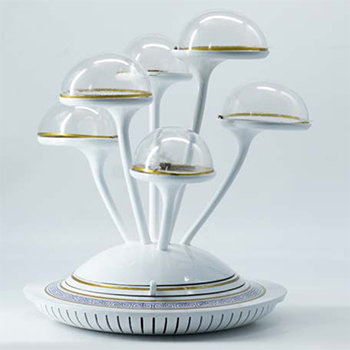
Steam Cooking Device
by Sagar D Dabherao
by Sagar D Dabherao
Starting from a personal steam cooking device for an individual, the project went through a lot of refinement and upgrades at every stage of the process and ended with a steam cooking device for esteemed fine dining establishments specializing in Asian cuisine. Though the device is made for an individual to enjoy the experience of cooking, the goal is to influence as many people as possible with the pleasing experience. It is a premium appliance that also caters to the needs of culinary experts to create new dishes. The project pivoted a lot throughout the process as my understanding of the subject grew deeper. Learning through books, TED Talks, and primary and secondary research gave very valuable insights that I wanted to apply to my product. Bringing in the “design for senses” aspect brought in various new concepts to explore. The product achieved an organic form inspired by nature and yet is geometric.
Details >>
Designing a table lamp to facilitate ambient and task lighting
by Shankara Vigneshwaran V
by Shankara Vigneshwaran V
Conventional lamps have been proven to be inefficient for use as work lamps for a variety of reasons, and a sizeable population prefers to use no light while working with screens at night; this leads to eye strain and more chronic disorders if continued regularly. Table lamps provide a middle ground for using as work lamps or to brighten up the surroundings a bit while working but have been slow in adaptation. In this I attempt to identify the reason for the low adaptation of table lamps and to improve upon their design for using them in mainly work environments.
Details >>
Designing a peeler for those affected by Cerebral Palsy
by Shankara Vigneshwaran V
by Shankara Vigneshwaran V
Cerebral Palsy is a non-progressive disease caused by damage to the brain and can present itself in various ways and is diagnosed at a very early age, and the caregivers of those affected are trained to deal with the problems caused by it along with those affected, leading to them being cared for almost throughout their lives, but most cases of cerebral palsy are under GMFCS level 2, meaning they can serve for themselves given the right tools, and there has been a trend of increasing want to care for themselves among those affected by a lot of chronic illnesses, including CP. Peeling is an integral task in elevating one’s cooking, and most solutions for other aspects of cooking involve readymade materials or improvised shortcuts, and there is a massive gap in the market for products that can help with peeling in the market of assistive care.
Details >>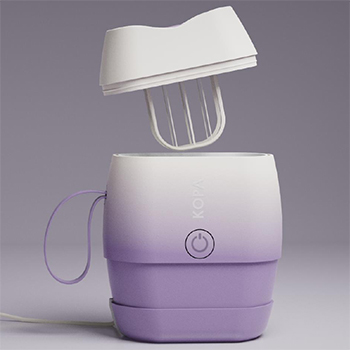
Kopa- Menstrual Cup Sterilizer
by Shivani Mule
by Shivani Mule
Menstrual cups are a revolutionary product in women’s menstrual health and hygiene sectors. Being reusable and affordable, it is a sustainable solution for the sanitary waste being generated per woman per cycle. It is gaining popularity amongst the youth and working-class women, but still, there is a huge number of women who are skeptical about it. Menstrual cups are also receiving a positive response from women in urban and rural areas as they are low cost and low maintenance. Despite being a reformative product, certain issues have to be addressed to increase engagement and user numbers. The project deals with the development of understanding the issues with the process and developing a tangible product solution for the same.
Details >>
Alora- Lactation Massager
by Shivani Mule
by Shivani Mule
Breastfeeding is considered one of the most pious and selfless practices throughout different cultures and beliefs. It not only endorses the mother-child bond and nutrition but also encourages sustainable living and long-term health benefits. Over the years, mother and child care facilities have enforced better development and nourishment of both mother and child. There are several products in market promoting breastfeeding and natal care. However, there is a niche market for postpartum care products, as the later stages of postpartum are still not thrown light on. One of such issues is the breast engorgements, clogged milk ducts, or mastitis. The concern is severe and not well addressed. New mothers unaware of the pain and guidance tend to suffer, especially mothers who don’t have assistance. The product helps assist the mother in lactation by providing massage and comfort for better flow of milk and resolving the discomfort caused by engorgement or mastitis.
Details >>
Device to Stabilize and Secure IV insertion site for pediatric patients
by Snehal Gaikwad
by Snehal Gaikwad
An invasive device is a device that, in whole or in part, penetrates inside the body, either through a body orifice or through the surface of the body. Period of use: Short term. In medical terms, intravenous"—or IV, for short—refers to the administration of substances into the body through a vein or veins. INTRA means IN and VENOUS means VEIN. It is commonly referred to as a drip. IV therapy, therefore, works by delivering fluids directly into your veins.
Details >>
Designing an interactive product to educate and raise awareness about menstrual health and hygiene among rural adolescent girls
by Snehal Gaikwad
by Snehal Gaikwad
The project aims to design an interactive product that effectively educates and raises awareness about menstrual health and hygiene among rural adolescent girls in India. The lack of knowledge and resources surrounding this topic often leads to health issues, social stigma, and educational setbacks. By starting a conversation around this taboo subject, the project seeks to empower girls and provide them with the necessary information and tools for managing their menstrual health effectively. The interactive product will serve as an engaging educational tool, covering essential topics such as menstrual hygiene, the menstrual cycle, and available resources for menstrual management. It will employ various mediums to cater to different learning styles and literacy levels. The project acknowledges the constraints of limited resources, technology access, and cultural taboos. However, it will strive to overcome these challenges by adopting cost-effective approaches and tailoring the content and delivery methods to suit the rural context. It will aim to create a safe and supportive environment where open discussions about menstrual health are encouraged and girls feel empowered to make informed decisions. Ultimately, this project seeks to bridge the information gap and empower rural adolescent girls in India by equipping them with the necessary knowledge and skills to manage their menstrual health effectively. By breaking the silence and fostering open conversations, the project endeavors to promote positive change, reduce stigma, and improve the overall well-being and educational outcomes of these girls.
Details >>
Taking Control
by Snehdeep Singh Pabla
by Snehdeep Singh Pabla
Taking Control is a design exploration exercise focusing on controlling Parkinsonian tremors in the upper limbs of patients. A study was conducted on the various methods employed by current designs in the space. A variety of nonpharmacological therapies were evaluated with the help of professional guidance, research papers, and other secondary research methods. Degrees of freedom were identified and chosen to be controlled with the means of the orthoses with no compromise in user comfort and confidence.
Details >>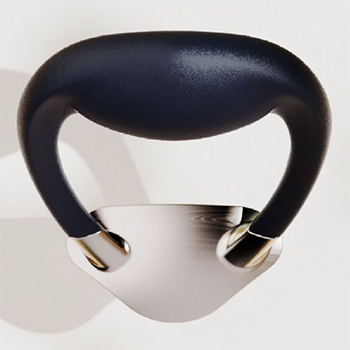
Everyday cookware designed for better handling
by Snehdeep Singh Pabla
by Snehdeep Singh Pabla
This project is an attempt to redesign the three most commonly used utensils in order to improve their handling and usage. The project started with researching inclusive design and how to remove systems of exclusion from the cooking spaces. This involved how people who are not abled-bodied feel excluded on various levels. I interviewed people from all over the country, of different age groups, occupations, and abilities, in order to understand their cooking habits and preferences. The insights gained from these interviews were then categorized and prioritized. Ideas were generated by using these newfound insights in order to create design concepts. These concepts were then prototyped and tested in order to create the final designs.
Details >>
Nourish | Dysphagia Therapy Device for Parkinson's patients
by Snehdeep Singh Pabla
by Snehdeep Singh Pabla
This project aims to design and develop a portable therapy device for Parkinson's patients suffering from the swallowing disorder known as dysphagia. The device based on the VitalStim NMES protocol integrates sensors and electrodes to induce electrical current to specific (which are patient-specific) throat muscles, which helps in muscle re-education. By thorough research of the medical and human condition, feedback, and guidance from medical professionals, the design aims to be a patient-friendly device that provides tailored therapy that tracks the progress of the user's muscle response over time. The result will be a device that aims to allow the patient easy access to effective therapy without having to journey to the hospital and enjoy their gastronomic life without pains.
Details >>
Exploration in Form 2D Icon and Symbol
by Susovan Gupta
by Susovan Gupta
In this book, a collection of icons and symbols based on 5 different IoT devices are explored in different styles. The IoT-based devices are smart curtains, smart lights, smart yoga mats, smart yoga mats, smart planters, and smart coffee makers. The future era of IoT-based devices is rapidly approaching and is poised to have a significant impact on the way we interact with objects in our daily lives. IoT, or Internet of Things, refers to the network of devices that have the ability to connect to the internet and collect and exchange data with each other. Its promise to provide us with unprecedented levels of convenience and control over our environments. I have designed a set of icons for different IoT-based devices, which will help people better understand the idea and their functions. These icons can be used in various places, such as manuals, user interfaces, and marketing materials, to communicate the features and benefits of IoT devices. The icons are designed in different art styles to cater to different preferences and needs. The refinement for this icon set was done with basic geometric shapes, adding a touch of organic twist, and flat colors were used to give it form and a 2D shape. The icons are instantly recognizable and convey their intended meaning in a clear and concise way, making them a valuable asset for many IoT-based devices.
Details >>
Designing a Hydrothermic device for children to help relief from common cold
by Susovan Gupta
by Susovan Gupta
This project initially started when I got frustrated with my use of a cheap steam vaporizer. But as I researched more into the topic and market, I started looking at one big gap, or you can say a big danger, that needed to be solved. One thing that came to my notice, again and again, is that small children are severely suffering from scalds caused by steam inhalation. As parents, the very important goal is to do whatever they can do to safeguard and improve their child’s life. For that, knowing the right thing to do and making sure the general safety is maintained is crucial. But very often mishap occurs. And that, in my opinion, can be solved through design. Every day almost 100 children present to the emergency department with burn injuries in the UK. During the covid-19 lockdown, there was a 30-fold increase in burn injuries in the pediatric department. But these incidents occur due to their natural child characteristics, such as a) curiosity, b) limited understanding of danger, c) limited ability to react quickly to contact with hot liquid or steam. Therefore, I understood and took up this project to design a device as an alternative to a dangerous steam vaporizer to help relieve the common cold. Also, as there is already a presence of nebulizers and other medicine-delivering devices I want to design the device where not necessarily medication is needed.
Details >>
Furniture Design and Standardization For Indian Navy
by Susovan Gupta
by Susovan Gupta
In an ever-evolving world, where technology and innovation have become the driving forces of progress, it is imperative that we adapt our surroundings to meet the needs and aspirations of those who serve our nation. The Indian navy, with its critical role in safeguarding maritime security, deserves no less. With this in mind, we embark on a transformative project aimed at designing and developing modern-age furniture for navy ship interiors while standardizing the design for improved manufacturing processes. The objective of this project is to enhance ship habitability and create an environment that not only meets the functional requirements but also prioritizes the well-being and comfort of the sailors who spend extended periods at sea. We recognize the significance of quality sleep and recreational facilities in maintaining the physical and mental health of our servicemen and women. By providing them with better sleep and recreation options, we aim to optimize their performance and overall satisfaction during their time on board.
Details >>
Marine Garbage Collector Inspired From Dung Beetle
by Uppili Nithin Soorya B
by Uppili Nithin Soorya B
The project “Marine Garbage Collector Inspired From Dung Beetle” is a product design exploration by Uppili Nithin Soorya B from the 2021–2023 batch at IDC, IIT Bombay, conducted under the supervision of Prof. Nishant Sharma. The concept draws biomimetic inspiration from the dung beetle to devise a novel marine garbage collection device, aiming to address pollution and waste in aquatic environments. This work sits in the “Special Project” category and reflects an effort to merge nature-inspired mechanisms with industrial design to solve real-world environmental challenges.
Details >>
Designing A Tool Bag For Doorstep Bicycle Repair Executive
by Uppili Nithin Soorya B
by Uppili Nithin Soorya B
Everybody would have used a bicycle at some point in their lives. It is also regarded as the best form of transportation on the planet that doesn't hurt the environment, and it's not only about the environment—it also keeps our bodies in shape and makes us feel healthy. However, the demand for bicycles surged significantly after the effect of COVID, and people began to purchase bicycles to maintain their health and fitness. Therefore, just as any product in the world needs routine maintenance to prolong its life, the same holds true for bicycles. But people with their hectic work schedules, some people find it difficult to maintain their bicycles. Being unable to transport their bicycle to a nearby shop. Keeping this in mind, a few doorstep bicycle repair service startups launched the business where customers must schedule an appointment to service their bicycle, and then the technician with his tools goes to the customer's home and repairs the bicycle. Observing the issues faced by the technicians while repairing the cycle, I tried to offer solutions to the technician by designing them a portable tool bag that enables them to increase the efficiency, reduce the strain created in their back, and reduce the mess that happens with the existing toolbox/bag. This tool bag will be helpful for people who will be traveling in locals while going to their customer houses.
Details >>
Adaptive Writing And Cutting Device For Individuals With Hand Arthritis
by Uppili Nithin Soorya B
by Uppili Nithin Soorya B
The ability to use essential tools such as scissors and pens is often taken for granted, but for individuals suffering from rheumatoid arthritis, these seemingly simple tasks can become incredibly challenging and frustrating. Rheumatoid arthritis is a chronic autoimmune disease that primarily affects the joints, causing pain, stiffness, and inflammation. The condition can significantly impair fine motor skills, making it difficult to grip and manipulate objects like scissors and pens. Being able to use these tools effectively is crucial for daily tasks, such as writing, cutting paper, or even performing basic self-care activities. The inability to use these tools can lead to a loss of independence, reduced quality of life, and increased dependence on others for assistance. While technology has certainly introduced digital alternatives, the tactile experience and versatility provided by these tools remain unmatched. Adaptive tools and techniques can be developed to assist individuals with such conditions, but these alternatives may not fully replicate the functionality and ease of use offered by traditional scissors and pens. This project focuses on designing and developing an adaptive writing and cutting device specifically for individuals with hand arthritis. Limited availability and high costs of existing products for arthritis have been identified through research and interviews with rheumatoid arthritis patients.
Details >>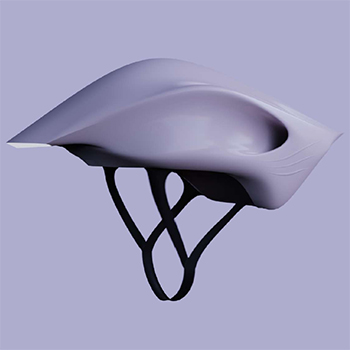
Nature and Form- Bicycle Helmet
by Vaibhav Watile
by Vaibhav Watile
The project “Nature and Form – Bicycle Helmet” by Vaibhav Watile (IDC, IIT Bombay, 2021–2023) is a special product design exploration guided by Prof. Nishant Sharma. Inspired by the elegance and structural uniqueness of the flamingo bird, the helmet concept translates natural cues—such as balance, sleek curvature, and organic flow—into a protective and visually striking form for cyclists. By studying how flamingos embody grace, strength, and adaptability in nature, the design reimagines a bicycle helmet that is not only functional in ensuring rider safety but also aesthetically engaging, standing out from conventional geometric or mechanical helmet forms. This biomimetic approach demonstrates how nature can inform innovative solutions in product design, combining ergonomics, safety, and visual appeal in a meaningful way.
Details >>
Desert cooler Redesign
by Vaibhav Watile
by Vaibhav Watile
India has a summer season from the month of March to May, and although geographically it’s a peninsular country, it also has vast terrain that faces hot and dry climatic regions. In summer, the maximum ambient temperatures are as high as 40-45 oC during the day and 20-30 oC at night. Considering the climatic conditions, evaporative coolers are the best suited for the region. It works on the principle of evaporative cooling, hence the name. Desert coolers are most efficient when assembled outside the house, as the evaporation is fast, leading to more cooling. However, there are humidity issues when assembled inside the house. The cooler assembled outside the house has to experience major shifts in temperature, with constant contact in water; metal desert coolers in this scenario tend to get rusted over time. However, its usage is during the summer season only, and during the off season it needs to be stored.
Details >>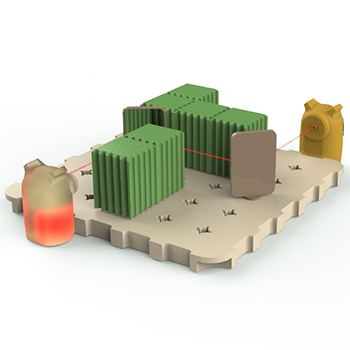
Optics based Play Design for Secondary School Children
by Vaibhav Watile
by Vaibhav Watile
In a child’s life, play has an important role in improving their linguistic, psychological, motor, and psycho-emotional skills. The project aims towards creating a play based on science principles, which is fun, engaging, and involves learning. Amongst various topics, optics was selected, based on the need and scope to create a play out of it. The play had to incorporate hands-on activities that would allow children to strategize and explore, with different elements that actively engage children. This would involve puzzles, challenges, and games that require them to apply optics principles to solve problems and complete tasks. The game is focused on engaging children to think with an understanding of basic optics principles, learn different strategies that they would employ to win the game, and also make them think in two- and three-dimensional spaces. The play is aimed towards learning at school; it also can be used by the parents while homeschooling their children. The targeted users are the students of classes 6th, 7th, and 8th, which is the age group of 11-13 years. The idea was to explore and look for various ways in which the play can be enhanced in a way that the play accommodates different concepts of optics. Due attention was given to make the play more intuitive, which would make it easy to start and navigate as they play.
Details >>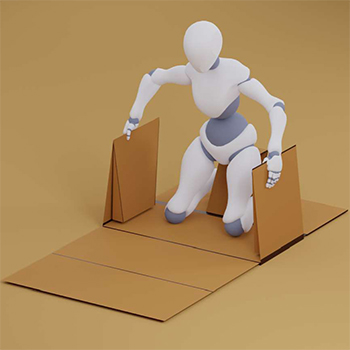
Designing a Prayer Aid for Salah
by Zaid Khuram
by Zaid Khuram
The salah is a special form of worship that is the second most important pillar of Islam after the shahada (testimony of faith). It is an obligatory form of prayer performed five times a day as commanded by the Prophet Muhammad (peace be upon him). The salah involves a number of physical movements—standing, bowing, prostrating, and sitting. It also involves the recitation of verses from the Holy Quran in Arabic along with a number of dua. The salah is performed by Muslims five times a day. Each of the five prayers has names—Fajr, Asr, Maghrib, and Isha—and has a prescribed number of units to be performed during that prayer. The required physical movements within salah—standing, bowing, prostrating, and sitting—are performed in a fixed order to complete rak’ahs (units) of prayer.
Details >>
Redesign of an Insulin Pen for Adolescent Type 1 Diabetics
by Zaid Khuram
by Zaid Khuram
This project is an attempt to redesign the insulin pen for adolescent diabetic users. The initial part of the project included a literature review of existing research done in the area of insulin delivery methods to validate the project area and understand the existing usability and design problems faced in this product category. I reflected on my own experiences growing up as a diabetic, as well as conducted user interviews to get a deeper understanding of the contextual problems. An iterative ideation process was adopted to work on solving the difficulties of a stable grip, controlled injection, and injection site tracking. Concepts were created and evaluated before the detailing and development of the final design.
Details >>