Product Design
Batch 2001-2003
(40 items)
Product DesignBatch 2001-2003
(40 items)
(40 items)
Design of human powered bionic boat
by Ashish Chandel
by Ashish Chandel
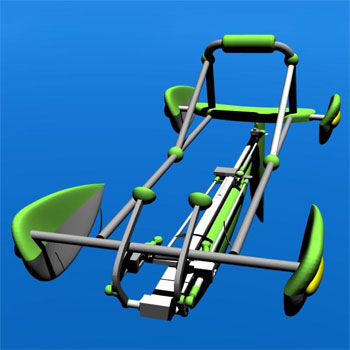
This project aimed at utilising the motor qualities of fish to conceptualise a human-powered boat. Such projects have been studied deeply under the discipline of bionics; however, what was needed was conceptualisation of the principle into a feasible product, which was ultimately the aim of the project. The initial task was to come to terms with the existing studies in this area and underline guidelines that have to be followed. As I understood from the data collection, most of the work in this area has been done on scale models and has been solely devoted to perfecting the motion of fish. Little effort has been made in putting the principle into a product form. In our effort to conceptualise a product, a scale model of the boat was made and experimented upon. Useful observations were taken from our experiments with the model; however, given the constraint of time in this project, the data generated is mostly qualitative. Some concepts have been generated in this project that broadly define the possible scope of utilisation of this bionic project in various fields of aquatic transportation. Notable among them is the human-powered boat, which theoretically is more efficient than propulsion-powered boats and has unique turning qualities and mechanisms. Although this project was with me for only a few months, it was undertaken under Prof. V. P Bapat, IDC, who is an authority in the field of bionics. Given his special interest in this area, the project is under development under his guidance.
Details >>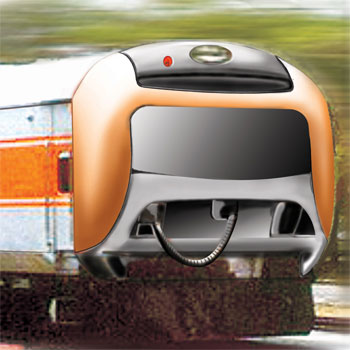
Summer Internship at Mozaic
by Ashish Chandel
by Ashish Chandel
Industrial training is an exposure to the design scenario as it exists and to get a feel of practices that shape the products that reach the masses. The training is also a chance to get first-hand exposure to market forces and constraints under which a designer works. It's an opportunity to understand the demands of the design field, which the design students will have to rise to as they move into the arena. The student gets to work with senior designers and technicians and gets a first-hand feel of design methods, materials, and processes. The students get constant guidance and comments from the senior designers and work towards conceptualising and detailing a complete product within a month. However, given the time constraints, whatever the student achieves in the month should reflect a sincere effort towards a feasible design solution.
Details >>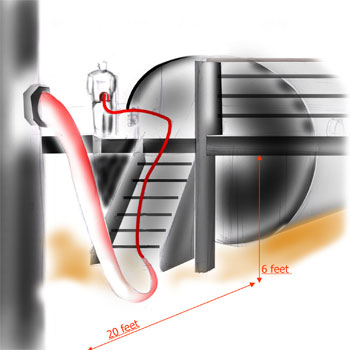
Design of thermal jackets for industrial workers
by Ashish Chandel
by Ashish Chandel
Design of thermal suits for industrial workers working in hot, stressed conditions was a six-month product design exercise undertaken by me under the guidance of Prof. GG RAY, IDC IIT Bombay. The objective essentially was to use the vortex tube technology and use its specific advantages to create a product that is economically viable and more user-friendly than existing technologies. The project was sponsored by ESSEN ENGINEERS, MUMBAI. The sponsors initially provided us with technological logistics along with a vortex tube and a suit. Henceforth, it was left to us to integrate the technology into a user-friendly product designed specifically for the target users. The product, which was eventually prototyped, is the result abstract of a planned design process involving inputs from human physiology, fabrics, pneumatics, fashion, and thermodynamics, to name some of them. Special care was taken to keep in mind the capabilities of sponsors in actually manufacturing the suit in desired numbers. The suit has to compete with other imported concepts only in terms of cost, which was illegitimately high for their poor product packaging. The cost of the suit has been kept optimum in terms of its utility and economics. The design is dedicated to Indian industrial workers who work in extremely pathetic conditions for meagre financial benefits. Their extremely poor working conditions created the passion and urgency in the design process, which helped me to reach this stage. Although the design will help them in more than one way, more still needs to be done at the system level, where the administration takes measures to educate their workers on industrial safety.
Details >>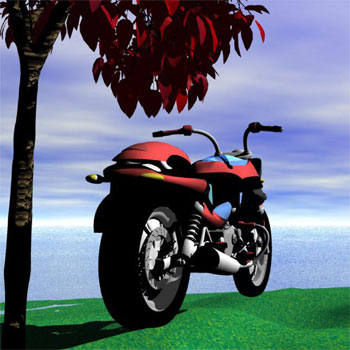
Styling of two wheelers
by Ashish Chandel
by Ashish Chandel
In life, we can't help but think of what others have done before us. The sculptor Alberta Giacometti said of his contempories that although they could look outside, they could see the landscape only in terms of what painter Camille Picasso had done. Williams boroughs had said that after looking at the sunflower painted by Vincent van Gogh, he could never see nature the same way again. If we look at the current realm of individuals and products, we see that we have come to accept the notion that the identity is fluid. Even the self can be reinvented in the personal wisdom of our times. This assertion can be seen in the plethora of products that we see today. They challenge our discretion to select amongst them through banal criteria of the tangibles. However, products bring with them certain experiences that shape our perceptions and aspirations. A lot of factors are involved in this metamorphosis, which needs to be understood.
Details >>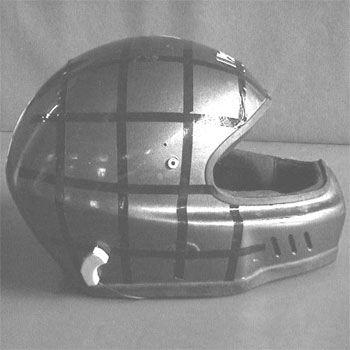
Bioacoustics
by Dhananjay Wagh
by Dhananjay Wagh
Bioacoustics is the study of the adaptive basis of animal sound signals: how (when, where) and why animals make sounds. Animal’s signaling behavior is a complex of structural and behavioral features that had adaptive consequences in previous generations. Bioacoustics is the investigation of these adaptive consequences. A number of taxa make very extensive use of sound signals, and in a loose sense, it may be convenient to consider them ‘acoustic animals’. The acoustic insects are the crickets and katydids, the grasshoppers and cicadas, all noteworthy sound signalers. Though the extent of the literature addressing Orthoptera and cicadas justifies the use of the term acoustic insects, in fact the incidence of sound signalling in insects, especially if one expands'sound’ to embrace'mechanical disturbances in water and solid substrata’ as well as air, is catholic. Among vertebrates, sounds are produced extensively by fish and mammals, but the frogs and birds are especially studied from an acoustic perspective. The birds are perhaps the preeminent acoustic animals. But anyone studying bats or cetaceans could find many arguments for disagreement. A final comment: we greatly underestimate the numbers of taxa that make an important use of sounds in their daily lives, particularly if we include vibration in terrestrial substrata and sound and vibration in water.
Details >>
Summer Internship at Suresh Sethi Design
by Dhananjay Wagh
by Dhananjay Wagh
The project, a “Summer Internship project completed at Suresh Sethi Design,” is a product-design endeavor by Dhananjay Wagh (Batch 2001–03). It is classified under the Product Design category and documents the outcomes, processes, and design insights developed during the internship.
Details >>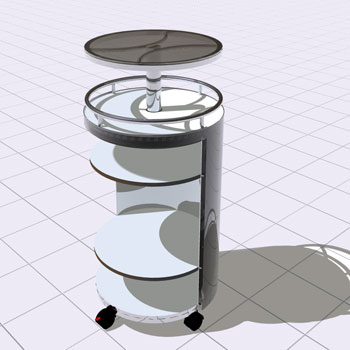
Bed-Side Storage for Hospital
by Dhananjay Wagh
by Dhananjay Wagh
Storage cabinets are the need of every hospital. From small P.H.C. to specially equipped hospitals. This is one kind of small storage that is given to a patient to keep his belongings, medicines, food, etc. The current design of the storage unit doesn’t allow the user to keep all the required things. There are many problems related to the current design, like space, usability, accessibility, visibility, cleaning, and maintenance problems. Also, there are some more problems related to material, manufacturing, and transportation. From the last many years, there has been a typical image of this ‘Bedside storage cabinet' that hasn’t been subjected to any change due to considering it as secondary furniture and a lack of change in design approach towards this product. As we know, the big hospitals can afford to take imported hospital furniture, whereas the small hospitals are using the same old design, which is absurd to the user. But the study shows even the imported furniture does not seem to fulfil the requirements of the user. The design of a bedside storage unit for a general hospital, with the help of a different design approach by knowing the user. The targeted users were the patient, visitors, attendant, doctor, nurse, and other hospital staff. The requirements and problems related to them were understood with the help of a user survey in the general hospital. The survey included observing the user, the handling, the storage requirements, the volumetric study, the duration of the patient's stay, and the usage of the cabinet.
Details >>
Digital caretaker for elderly
by Dhananjay Wagh
by Dhananjay Wagh
The project deals with conceptualising and designing an electronic product to take care of elderly people’s health-related problems. The aim was to design a device for the elderly that will act as a digital caretaker and help them to solve some of their health-related problems based on physiological and psychological requirements. There are many problems everybody comes across in old age, like health problems, communication problems, entertainment problems, relationship problems, memory problems, economical problems, and time management problems. These problems arise due to changes in the human body, physiological functions, motor ability, and sensory and mental changes in old age. The first step was to understand all the above problems of elderly people and then select the important one. A user survey study was done with 20 elderly targeted users to understand the requirement of the product. The survey was based on contextual enquiries, which helped to understand the real problem faced by elderly people. The data was derived with the help of consolidation of work models and affinity diagrams. This gave us the list of problems, which were carefully segregated into two parts: a) problems that can be handled by design and b) problems that cannot be handled by design.
Details >>
Creative Aid for School Children
by Muralidhar K.
by Muralidhar K.
In our present educational system, maximum importance has been given to the bookish way of learning (i.e., the manipulation of 26 alphabets and 10 numerals). The interaction between the bookish knowledge, the reality in the environment, and the self forms the basis for a creative experience. The ability of the child to question, to find form and order, to rethink and restructure, and to find new relationships with knowledge at hand needs to be encouraged. Optimal reading occurs when it is fun and the individual is challenged to the limits of their state. It occurs when the challenge is matched to the child’s knowledge and skills. This state occurs when the challenge is matched to the child’s knowledge and skills. Every kid must be taken to the optimal level of challenge, regardless of skill. Kids become winners when we enab'losers.' entiated learning, thus overschoolchildrenitional ga of ‘winners’ and ‘losers’ To design creative, enjoyable school children of age 12+ years so that learning becomes a hands-on, enjoyable, and self-taught experience. The aid is aimed at means for kids to work with to illustrate various materials and activities that they can relate to their day-to-day activities like play, games, hobbies, and academics.
Details >>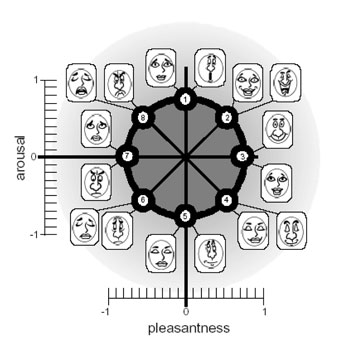
3D Form Generation Through Emotions
by Pankaj Dhamane
by Pankaj Dhamane
Due to increased competition in the market, companies are continually introducing new products with unique aesthetics. As products in the same category often have similar technical performances, consumers are basing their purchase decisions more on the pleasure a product can provide. Companies have come to realise that technology-driven product design does not always align with real user needs and desires. Today, intelligent product design increasingly requires a focus on emotional or affective intelligence to create meaningful connections with users. In a customer-driven market, individuality is paramount; consumers seek products that reflect their own identity and preferences, making customisation an essential aspect of modern product design.
Details >>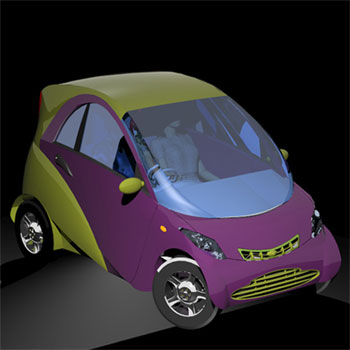
Micro passenger vehicle- A transportation concept for India
by Pankaj Dhamane
by Pankaj Dhamane
The design of a micropassenger vehicle for intra-city transport is intended to address urban mobility challenges with a compact and innovative solution. The vehicle will accommodate two adults, two children, and a minimum of two VIP mantra bags. Its structure may feature a hard top or, optionally, a convertible design, emphasising lightweight construction. Compactness is key to solving traffic and parking issues, and the vehicle will employ an environment-friendly power plant, achieving a fuel efficiency of 25–40 km per litre with a maximum speed of 60 km/h. The vehicle is intended to be affordable, with a target cost of approximately 1,50,000 rupees, and will be suitable for mass production. Styling is an important consideration, as the vehicle should present a refined aesthetic, reflecting both current and future trends, and create a distinctive identity in the automotive market. Safety and stability are also prioritised, ensuring that the vehicle remains stable in all conditions and provides weather protection for passengers
Details >>
Personalized Vehicle for The Sophisticates
by Pankaj Dhamane
by Pankaj Dhamane
Vehicles for adults who have established their own sense of value: these vehicles should be both attractive and exciting to drive. Moreover, their unique qualities should help foster a personal bond with their owners—a bond that only grows stronger with time. The core target market is couples in their 50’s.
Details >>
Contemporary Industrial Design Methodology
by Pravin S. Padale
by Pravin S. Padale
One of the simplest and most common observations about designing is that it includes the three essential stages of analysis, synthesis, and evaluation. These can be described in simple words as ‘breaking the problem into pieces’, ‘putting the pieces together in a new way', and ‘testing to discover the consequences of putting the new arrangement into practice’. These three stages are named divergence and convergence. Divergence: This term refers to the act of extending the boundary of a design situation so as to have a large enough, and fruitful enough, search space in which to seek a solution. It may be useful to think of divergent search as testing for stability, or instability, in everything connected with the problem; an attempt to discover what, in the hierarchy of community values, systems, products, and components, is susceptible to change and what are to be regarded as fixed points of reference. The aim of the designer is to avoid, as far as they can, imposing a premature pattern upon what they discover. Convergence: The last of three stages is that which, traditionally, is nearly the whole of designing but which, under the impact of design automation, may eventually become the bit that people do not do. It is the stage after the problem has been defined, the variables have been identified, and the objectives have been agreed. The designers aim becomes that of reducing the secondary uncertainties progressively until only one of many possible alternative designs is left as the final solution to be lunched into the world.
Details >>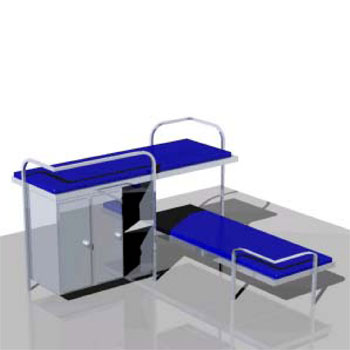
Summer Training Report
by Pravin S. Padale
by Pravin S. Padale
The company is located in the industrial area called Gokul-Shirgaon Midc. This is one of the only big steel furniture manufacturing companies in this region. This unit is around 12 km away from Kolhapur city. The major products that this company produces are hospital furniture and kitchen equipment. This company was started by Mr. . Madan K. Kulkarni around 12 years ago as a small fabrication shop. He is also an excellent designer, qualified from the IDC’s third batch. Now this company has four units in this industrial area. One unit handles all development activities, such as die development and all machined components. The other one handles the total production of the hospital bed, and the other two handle the kitchen furniture and nonstandard as well as standard furniture for the hospital. Next, they are starting the furniture range for the academic and educational institutions. This is one of the reasons why I went company turnover for a month is around 40 to 60 lakh rupees. there for training. The company turnover for a month is around 40 to 60 lakh rupees.
Details >>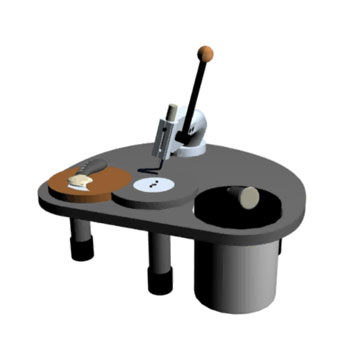
Design Of Cobbler Tools
by Pravin S. Padale
by Pravin S. Padale
In this project, only the cobblers of Kolhapur district are considered. The chappals they make are beautiful. These will be more beautiful with the help of new tools. There is good scope for designers to work in this field. New designs of tools can improve the production, and hence the productivity of the cobblers will improve. There is possibility of solving ergonomic issues with the help of new design projects in this area. Though the process of chappal making is interesting, it is quite complicated. This may improve with the help of new designed tools. These tools are not only used by the cobblers but also by the leather industry, which makes other leather products. At present, the Kolhapuri chappal industry is slowly shrinking. The leather industry doesn’t seem to be following this pattern of shrinking. There are a lot of small shoe and chappal manufacturers other than Kolhapuri chappals, who still use the same tools and are likely to use them for the next few generations because of the cost and tradition of the craft. Hence, there is a great scope for these tools to be used not only for kolhapuri chappals but also for other applications in the leather industry. So the data collection was started. The main focus was the cobblers in the Kolhapur district, as this city is famous for Kolhapuri chappals. These are pure leather chappals. In the first stage of the data collection, it was found that there are four types of cobblers. After study of these peoples, a user profile was decided. For this class of people, the tools were considered. A detailed study was done about the chappal making process and the tools they use.
Details >>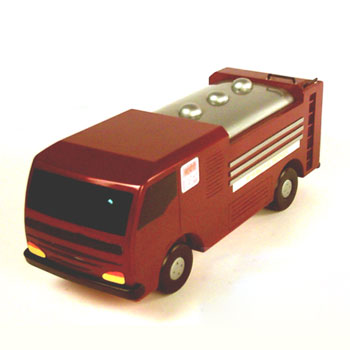
Design Of Mobile gasoline dispenser
by Pravin S. Padale
by Pravin S. Padale
The design of the mobile petrol pump is an innovative idea to serve the rural population of India. The gasoline dispensing unit can be a part of a vehicle or a transportation medium that will carry a sufficient amount of gasoline. The challenge in the design is about the storage of the gasoline and about the interface and dispensing module of the pump. Traditionally, in the existing petrol pumps, the storage tanks are located below the ground, but with new solutions, they will be above the ground, so this is another safety issue that needs to be considered. The interface issue is how one or two people can operate the whole dispensing system, right from refilling the tank and dealing with the customers. We are talking about making the stationary pump into a mobile unit, which has space constraints as well as a lot of layout and dispensing issues. The places where the designed unit starts dispensing also matter, as the terrain and changing locations put some constraints on dispensing units. The day and night conditions have to be considered, as illumination can be an issue for night dispensing of gasoline. Besides this, the system cost is another issue that must be considered. Therefore, the design needs to consider all such factors before it takes a saleable product form.
Details >>
Special Project- Defining Literacy
by Rajat. S. Singh
by Rajat. S. Singh
In order to understand the catch-22 that exists between illiteracy and other socio-economic problems in a society, one needs to carefully analyse and bifurcate the term "illiterate" in order to define it aptly and study its various forms and kinds. They do so from a conviction that how we define the term has substantial impact on the goals and methods that are set for literacy education, in particular, and for education overall. Definitions of literacy today are multiple, complex, and shifting, and often they add to each other.
Details >>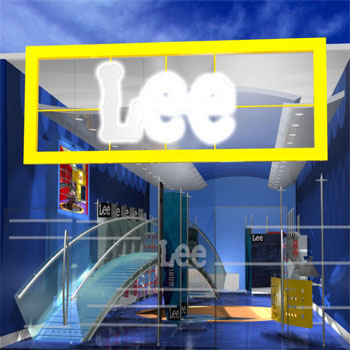
New Identity for Lee Stores
by Rajat. S. Singh
by Rajat. S. Singh
The concept for a new retail environment for the Lee brand aims to create a refreshing, highly differentiated space that stands out as trendy, aspirational, and effortlessly cool—a place where teenagers and young adults can hang out, relax, and engage with the brand beyond typical “jeans wear” imagery. The environment will be modular, practical, and dynamic, offering a constantly evolving backdrop that encourages visitors to explore without feeling pressured to buy. Designed to foster a laid-back, stress-free browsing experience, the space will allow customers to move freely, engage with products, and make decisions organically, with a focus on peer-led interactions that enhance the sense of community and shared style discovery.
Details >>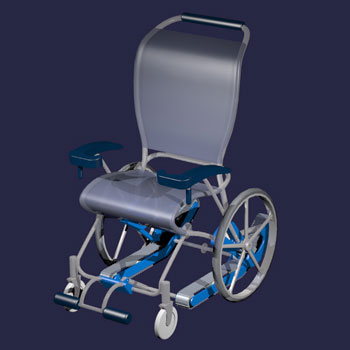
Design of a Wheelchair
by Rajat. S. Singh
by Rajat. S. Singh
The wheelchair project is taken because a need was felt for a wheelchair in India, which suits the Indian patients and gives them the much-needed comfort and motivation to use a wheelchair. It was also to seek meaningfulness in my work by contributing my little bit into the disability sector, where I personally feel lies immense possibilities, and the results generate very significant and obviously comforting change in the lives of the users.
Details >>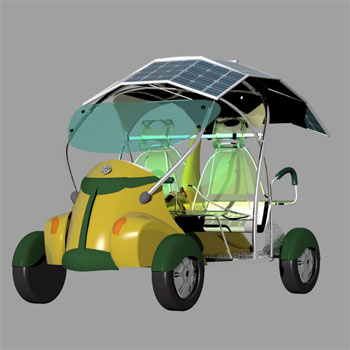
Design Of Solar Powered Vehicle
by Rajat. S. Singh
by Rajat. S. Singh
The greatest problem that faces the world today is global warming. It is more apparent here in India than anywhere else, especially Rajasthan, where temperatures over the last few years have risen from 32°C to 36°C to last summer's 42°C to 46°C. The principle forms of renewable energy suitable for places that lie in the tropics are wind and solar energy. The solar panels seen on the roof tops are usually for producing hot water and should not be confused with those used to produce electricity, which are photovoltaic panels. They are made of 2 thin plates of silicon containing slight impurities, which, when exposed to sunlight, experience a stimulation of electrons. If positive and negative terminals connected by a wire are added, as in a battery, the electrons will flow around the wire, producing electricity.
Details >>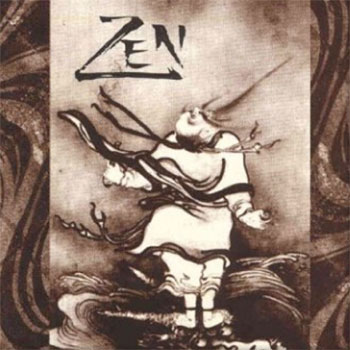
The concept of aesthetics in ZEN, TAO and Deconstruction
by Ritu Sonalika
by Ritu Sonalika
This project aims to understand the doctrine principles propounded by various schools of thought.
Details >>
Introduction to Nagaland and its handicrafts
by Ritu Sonalika
by Ritu Sonalika
Nagaland, nestled in the northeastern part of India, is a vibrant state known for its rich cultural heritage, stunning landscapes, and traditional handicrafts. Home to a diverse array of tribes, each with its own unique customs, festivals, and art forms, Nagaland’s culture is deeply rooted in community values and craftsmanship. The state's handicrafts are a reflection of its rich tribal history and are renowned for their intricate designs, skilled craftsmanship, and the use of natural materials sourced from the region's lush environment.
Details >>
Design of luminaires
by Ritu Sonalika
by Ritu Sonalika
To design a family of luminaires with a contemporary Indian image for showrooms selling exclusively Indian products. The design of luminaires should complement the image of the space and the products being retailed. To develop a different language for lighting showrooms. The luminaires can be batch produced using a combination of craft and industrial production. Luminaires facilitating different objectives.
Details >>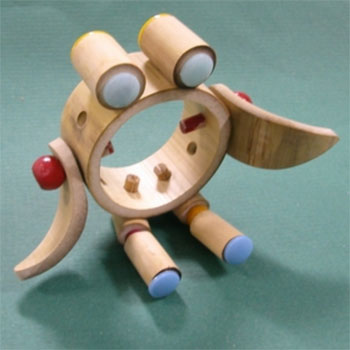
Design for Children: Toys in Bamboo
by Ritu Sonalika
by Ritu Sonalika
This project explores the design and development of a range of bamboo-based toys for children aged 3 to 7 years, with a focus on fostering motor, imaginative, and creative skills. The toys are envisioned not only as playthings but also as tools that encourage group interaction and meaningful adult participation. Special attention is given to safety, durability, and ease of maintenance, ensuring that the toys can withstand rough handling while remaining child-friendly. By innovatively employing bamboo as the primary material, the project seeks to carve a niche for sustainable toys in a competitive market while also aligning with parents’ expectations of quality and safety.
Details >>
Bamboo weave patterns
by Rupali Babahulkar
by Rupali Babahulkar
Bamboo products have a long history all across the world, specifically in China, Japan, and India. In all these places, there are various traditional bamboo weaving patterns, which have been developed through the ages. There are certain patterns that are common in every region, though these are known by different names in that particular region. However, some interesting weave patterns are developed in that particular region only, and thus these become the speciality of that region. It’s interesting to observe the method or process of weaving these fascinating patterns, which might be different for the same pattern in two different regions. These weaving patterns, which are in two-dimensional forms, are used to make mats, fans, partitions, screens, etc. For three-dimensional objects like baskets, vases, fish traps, etc., the same two-dimensional weave patterns are adopted and then converted accordingly. This project makes an attempt to analyse the grammar of existing weaving patterns and classify them into categories. Through this classification, the gaps can be identified, which can lead to developing the methodology to come up with new patterns.
Details >>
Summer training at Philips Corporate Design, Pune
by Rupali Babahulkar
by Rupali Babahulkar
As part of the summer training at Philips Corporate Design, Pune, this project focused on designing new speaker concepts for Philips Sound Solutions (PSS), specifically for the Indian market. The study analyzed market trends and consumer preferences, revealing challenges such as competition from local and Chinese low-end products, as well as the rising demand for home theater systems and high-end multimedia speakers. Insights highlighted a gap between multimedia speakers and professional audio systems, presenting opportunities to cater to young consumers seeking stylish, innovative products that go beyond conventional “black box” designs. The project emphasized how design can play a strategic role in creating differentiated audio solutions tailored to evolving lifestyles in India.
Details >>
POP environment for Indian wear- Display system for sarees
by Rupali Babahulkar
by Rupali Babahulkar
A point-of-purchase (POP) environment for displaying sarees in an Indian wear retail setting should reflect the elegance, richness, and diversity of the traditional garment while enhancing the customer experience. The display system for sarees should be crafted to captivate attention, facilitate easy browsing, and highlight the saree’s fabric, pattern, and drape.
Details >>
Mobile phone: Identity for individuals
by Rupali Babahulkar
by Rupali Babahulkar
This project focuses on exploring innovative concepts for wearable mobile communication devices, addressing both user needs and environmental context. The study highlights user expectations such as compact size, lightweight design, larger display, sleek aesthetics, durability, and an easy-to-use interface with well-proportioned buttons and a comfortable grip. It also emphasizes the ergonomic challenges like thumb movement during use, and the shift towards wearable solutions that reflect personal identity while avoiding unnecessary features. From an environmental perspective, the project takes into account trends in peripheral products, the use of soft, multi-colored forms, and the growing application of mobile technology beyond telephony. With mobile companies moving towards wearable communication devices, this project envisions a future where design balances usability, comfort, and individuality in next-generation mobile products.
Details >>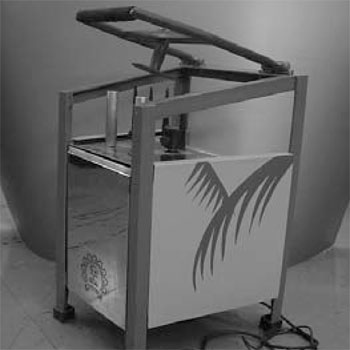
Redesign of Coconut Dehusking Machine
by S. Sundara Mohan
by S. Sundara Mohan
The project, a redesign of a coconut dehusker, was taken up to improve the innovation developed by the innovator, Mr. R. Jayaseelan, from a small village in Tennessee. The objective of this project is to develop the machine to the level of a complete product with all the inputs from a product design perspective. The department of science and technology helped establish the National Innovation Foundation (NIF) of India in March 2000, with the main goal of providing institutional support in scouting, spawning, sustaining, and scaling up grassroots innovations and helping their transition to self-supporting activities. The foundation has a governing body chaired by Dr. R. A. Mashelkar, Secretary, CSIR, and Director General, CSIR. Prof. Anil K. Gupta, president of SRISTI and professor, Indian Institute of Management Ahmedabad, is the Executive Vice Chairperson of NIF. For the last ten years, the Honeybee Network and Society for Research and Initiatives for Sustainable Technologies and Institutions (SRISTI) have been scouting innovations by farmers, artisans, women, etc. at the grassroot level.
Details >>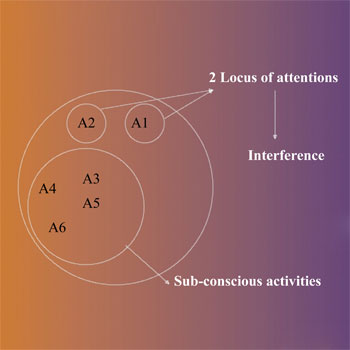
Design for Habit Formation
by Shilpi Kumar
by Shilpi Kumar
This project is an attempt to identify issues pertaining to “design for habit formation,” understanding user habits to be able to predict the usage pattern of any new product, which would help designers at the time of product development.
Details >>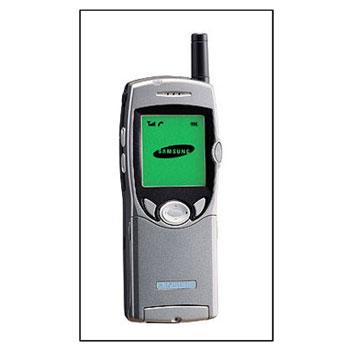
Study of habit formation on Mobile Phone
by Vikram singh parmar
by Vikram singh parmar
There is no doubt that cell phones have had an impact on society, both good and bad. The possibilities of the usefulness of carrying a cellular phone are nearly endless—solving problems ranging anywhere from car problems to a heart attack. “Mobile phones have finally penetrated the entire nation,” Fausto Cardoso, president and CEO of BPL Mobile, a cellular service provider, told IANS. “India is really ready for accelerated growth in the year ahead." All though mobile phones have been around for about thirty years, it is only recently that they have become widespread. Experts estimate that 80 percent of the population will soon own a mobile phone. Study of mobile phones has helped locating some habits that are unnoticed by the user unless they are told. All the habits documented have some connection with the users previous behaviour in a similar context. Once the nexus of habits and primarily where it originates is understood, the whole polemic of technology and habits seems related or connected to each other. The study also tries to elucidate the fact that habit formations are not isolated processes.
Details >>
Summer training at National Centre for Product Design and Development (NCDPD)
by Vikram singh parmar
by Vikram singh parmar
The National Centre for Product Design and Development (NCDPD) is the result of the endeavouring efforts of the Export Promotion Council for Handicrafts (EPCH), the office of the Development Commissioner (Handicrafts), and member exporters. The NCDPD has undertaken the responsibility of revival of languishing crafts for achieving a quantum jump in the exports. Indian arts have a charm of their own. But the international markets constantly demand something new and innovative. To help the Indian artisans cope with the fierce competition in the global markets, the National Centre for Design and Product Development (NCDPD) was set up to provide an upper edge to Indian handicrafts abroad by means of design and technical inputs. The centre has two branches—one in Delhi and the other in Moradabad.
Details >>
Summer training at National Centre for Product Design and Development (NCDPD)
by Vikram singh parmar
by Vikram singh parmar
The National Centre for Product Design and Development (NCDPD) is the result of the endeavouring efforts of the Export Promotion Council for Handicrafts (EPCH), the office of the Development Commissioner (Handicrafts), and member exporters. The NCDPD has undertaken the responsibility of revival of languishing crafts for achieving a quantum jump in the exports. Indian arts have a charm of their own. But the international markets constantly demand something new and innovative. To help the Indian artisans cope with the fierce competition in the global markets, the National Centre for Design and Product Development (NCDPD) was set up to provide an upper edge to Indian handicrafts abroad by means of design and technical inputs. The centre has two branches—one in Delhi and the other in Moradabad.
Details >>
Design a mobile handcart for
pepsi
by Vikram singh parmar
by Vikram singh parmar
In the realm of consumer products, certain items may not be omnipresent but can still achieve ubiquitous status, seamlessly integrating into daily life across diverse geographies and cultures. Beverages, particularly soft drinks, exemplify this phenomenon. Major brands like Coca-Cola and Pepsi are recognisable from the sands of the Kalahari Desert to the icy peaks of Alaska, symbolising global reach and adaptability. In India, the soft drink market is fiercely competitive, with Pepsi currently holding a slight edge over Coca-Cola, despite Coca-Cola’s position as the world’s largest soft drink producer. This rivalry for market dominance has led to a spectacle of innovative marketing strategies, with Indian consumers witnessing a variety of promotions and stunts by both brands. Both companies bring their aggressive marketing approaches from the U.S. and Europe, adapting their tactics to fit the Indian context, which continually evolves as consumers and cultural landscapes change.
Details >>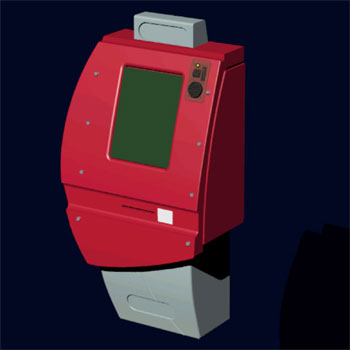
Interactive information system for bus commuters of Mumbai
by Vikram singh parmar
by Vikram singh parmar
As observed over the project, Mumbai is one of the only places where railways have a very significant presence in commuter routines. Delhi has the opposite situation; there, bus transport is more popular. (Now with the new metro in Delhi, there might be a change in the travelling patterns of commuters.) Everyday, approx. 15, 000 visitors, migrants, and businessmen come to Bombay to seek a desired job or money. Mumbai transport has a very significant role to play in terms of connecting all the novice people (new visitors) and regular people to their desired destination. The railway network is very linear and well defined because of the tracks, unlike the bus network. The bus network is quite diffused and distributed and has its own defined routes and stops. The bus is still popular among the users who stay at locations where there is no railway line or preferred by the commuter who can reach half way by train and later half by bus. Marriage of train and bus networking is very important, as commuters use both modes very effectively and efficiently for commuting short or long distances in Mumbai.
Details >>
Innovation matrix for new ideas
by Yogesh S. Patankar
by Yogesh S. Patankar
For every business, small, medium, and large, innovation is key to success. It is not necessarily about thinking up new things in the first place but about exploiting opportunities profitably and ahead of rivals. Innovation is the process that involves the whole company and its all disciplines to come up with new ideas. It is not enough that the company is innovative, so it will come up in the market. The competition in the market is tremendous. Every company is going for innovative products. So whatever you produce must be innovative enough to beat other products. The project “Innovation matrix for new ideas” focuses on this aspect of business. Is it possible to rank your innovative ideas? Focus is to answer this question. The work started with knowing basic definitions and differences between innovation and invention. Then reading papers on innovation processes and types of innovation. Various ways to make a matrix like these were analyzed. One of them is a QFD matrix, which tells the customer voice. In the later part of the project, the QFD matrix is used as an extension of the innovation matrix. The innovation matrix developed gives the innovation index of an idea considered as compared to present products taken along with it.
Details >>
Innovation matrix for new ideas
by Yogesh S. Patankar
by Yogesh S. Patankar
For every business, small, medium, and large, innovation is key to success. It is not necessarily about thinking up new things in the first place but about exploiting opportunities profitably and ahead of rivals. Innovation is the process that involves the whole company and its all disciplines to come up with new ideas. It is not enough that the company is innovative, so it will come up in the market. The competition in the market is tremendous. Every company is going for innovative products. So whatever you produce must be innovative enough to beat other products. The project “Innovation matrix for new ideas” focuses on this aspect of business. Is it possible to rank your innovative ideas? Focus is to answer this question. The work started with knowing basic definitions and differences between innovation and invention. Then reading papers on innovation processes and types of innovation. Various ways to make a matrix like these were analyzed. One of them is a QFD matrix, which tells the customer voice. In the later part of the project, the QFD matrix is used as an extension of the innovation matrix. The innovation matrix developed gives the innovation index of an idea considered as compared to present products taken along with it.
Details >>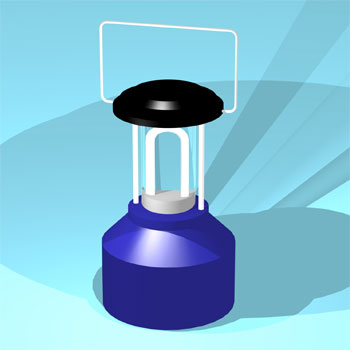
Design of AuroDeep
by Yogesh S. Patankar
by Yogesh S. Patankar
Auroville’s Centre for Scientific Research CSR was founded in 1984, with an original focus on ferro-cement technologies: roofing channels, water tanks, doors, biogas tanks, and other products. Aurore Projects and Services is a renewable energy service-provider agency. It aims at progressively introducing renewable energy systems in India by interacting with product manufacturers, leasing companies, subsidy givers, and end users. AuroRE has executed renewable energy projects in the Indian states of Andaman and Nicobar, Tamil Nadu, Pondicherry, Karnataka, Kerela, Orissa, Jammu & Kashmir, Punjab, and Gujarat. Partnerships have been established with the government, NGO's, and the private sector to promote renewable energy in different parts of India. Since 1992, AuroRE, through the Centre for Scientific Research (CSR), has been closely collaborating with IREDA, the Indian Renewable Energy Development Agency, for the implementation of several renewable energy projects. The design of solar lights for different sectors of the market involved the study of the present lantern and a market survey. Then followed by making the concepts for solar lights, and work ended with four models of lights.
Details >>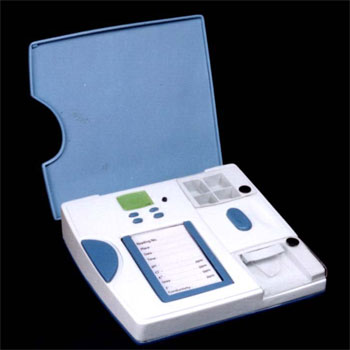
Design of Water quality checking product
by Yogesh S. Patankar
by Yogesh S. Patankar
The chemical department of IIT Bombay has developed a biosensor that works on conducting polymers. These types of sensors can check the presence and quantity of various elements in a liquid. Media Lab Asia took this project for further development and appointed people from various departments like electrochemistry, microelectronics, biomedical, industrial design centre of IIT Mumbai, and people from Media Lab Asia. I took this project under the guidance of Prof. Munshi of IDC, IIT Bombay. The project's main aim was to do research in water quality checking. On every Friday, a meeting is used to be held in the Chemistry department where all the people in the group meet and discuss various issues of design at various levels of sensor design. Group looks on to the progress of every person. Inputs are given from experts in different fields and are used in the design of the product. The project's main aim is to develop a water quality checking product that can be carried in fields outside the laboratory. Each and every technical issue is discussed in a meeting, and solutions for problems were finalised by consulting with the people. The effort is to make such a product that is useful to people who are doing research in this field. Exploration for design ideas was done in many ways. At every level of design, concepts were evaluated and then carried forward.
Details >>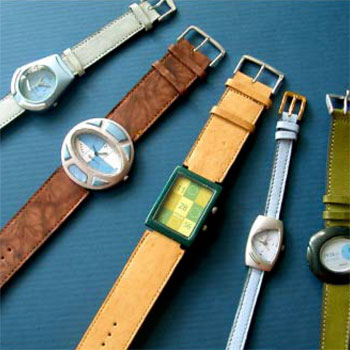
Design of Watches for Youth
by Yogesh S. Patankar
by Yogesh S. Patankar
“Design of watches for young people” In every day life we wear and carry many things along with us, for example, a watch, mobile phone, pager, valet, etc. . The important thing is to watch. By looking at the time in watch, we decide many things and follow many schedules. The watch is not only a time-showing instrument but also carries a lot of individual attachments to it. It reflects the personality of the person who is wearing it. There is a lot of aesthetic quality involved in it other than functionality. I have taken a project named “Design of watches for young people." The market is ever-changing, and new fashion trends are being set up. The young people are always looking for new things, and they are very keen to follow new fashion trends. There is a lot of challenge in designing watches for young people as it involves designing for continuously changing needs. The project work will involve the study of new products and their formal characteristics, parallel products used by youth. The work also involves image mapping and identifying elements, which define the youthfulness of the watch. Much stress will be given to the formal, aesthetic aspects of watch design. Finally, the output of the project will be the design of watches considering the youth segment in the market. Physical models will be done to conclude the project.
Details >>