Product Design
Batch 2007-2009
(55 items)
Product DesignBatch 2007-2009
(55 items)
(55 items)

An inspirational approach to retain natural aesthetics in our lives
- Classification of Products based on Inspiration from Nature
by Abhishek Prasad
by Abhishek Prasad
Humans have always taken inspiration and learnt from nature. This project is the study of an inspirational approach to understanding nature in our daily lives. It talks about various perspectives of taking inspiration from nature in industrial design to retain natural aesthetics in products. Sometime biological methods become the solution to our daily life requirements, and sometime natural materials help us to maintain a sustainable environment. The best existing examples have been collected and studied to show some of the areas and ways in which we can achieve natural aesthetics in designing the products.
Details >>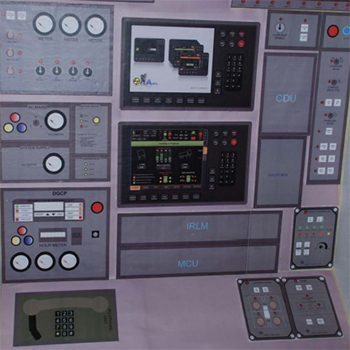
Design of GUI and MMI for a Weapon Launch Platform
by Abhishek Prasad
by Abhishek Prasad
Aesthetics, Ergonomics and Usability study and recommendations of a weapon launch system. The project is complex in nature with a blend of technologies from the Electrical, Electronics, Computer and Mechanical Engineering disciplines. As this project is related to Defence System and the Defence Ministry of India, not all data could be published in the form of a report. The data published in this report is sole property of Larsen & Toubro Pvt. Ltd., Powai, Mumbai. L&T was founded in Bombay (Mumbai) in 1938 by two Danish engineers, Henning Holck-Larsen and Soren Kristian Toubro. Both of them were strongly committed to developing India's engineering capabilities to meet the demands of industry. Beginning with the import of machinery from Europe, L&T rapidly took on engineering and construction assignments of increasing sophistication. Today, the company sets global engineering benchmarks in terms of scale and complexity. Larsen & Toubro (L&T), headquartered in Mumbai (Maharashtra), is a technology-driven engineering and construction organisation and one of the largest companies in India’s private sector. It has further interests in manufacturing, services, and Information Technology. The evolution of L&T into the country's largest engineering and construction organisation is among the most remarkable success stories in Indian industry.
Details >>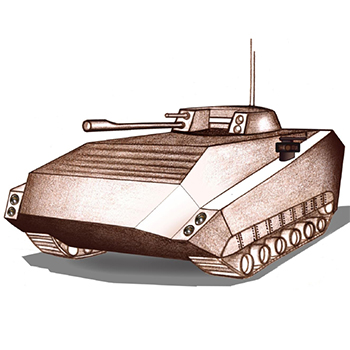
Redesign Of Infantry Combat Vehicle
by Abhishek Prasad
by Abhishek Prasad
Industrial design has started to play a major role in the development of Defence Industries in the past few years. India has transformed from a developing country to a fast-emerging superpower. Science and technology have also developed at a fast pace. With the increase in potential, the need to safeguard the country has also increased. For the past few years, the tension in the Indian Subcontinent has increased. So, the defence is of utmost importance. The government has started many research and development programs to look into this field. With age-old Infantry Combat Vehicles (ICVs), our soldiers can’t have an upper edge over their enemy. For the past 30 years, BMP-2 has been serving the Indian Army. But with advancements in Science & Technology, the warfare scenario has changed drastically. The need to safe guard our soldiers’s lives and to keep their trust in the army is the main motto of this project. Having a good fighting instrument really plays a vital role in moral buildup. The project is intended to save soldiers lives, give them better fighting power, conduct agronomical analysis, redesign the present existing ICV in the Indian Army, and solve their backdrops.
Details >>
Power Assisted Bike for Youth
by Abhishek Prasad
by Abhishek Prasad
The study of the scenario of bicycles in IIT Bombay and problems associated with them. Exploring new forms to satisfy the emotional and physical needs of the young generation. There is a growing need to revamp the bicycle to meet contemporary demands. With the institute banning motorbikes and introducing efficient Tam-Tam bus services, traditional bicycles are becoming less attractive. However, the love for radical design among today's youth offers an opportunity to reimagine the bicycle in ways that reflect their aesthetic preferences and desire for individuality. Advances in technology and materials present the perfect chance to introduce sustainable, customisable bicycles that align with campus culture while reducing environmental impact. At the same time, irregular maintenance facilities and the decrease in social interaction, often caused by increased internet use, can be addressed by promoting bicycle sharing and repair hubs, fostering a sense of community and interaction among students. With time, thinking has evolved, and it's crucial that bicycles keep up with these cultural and technological shifts, providing a solution that resonates with both functionality and modern sensibilities.
Details >>
An Inspirational Approach To Retain Natural Aesthetics In Our Lives
by Abneet Chauhan
by Abneet Chauhan
Humans have always been taking inspiration and learning from nature. This project is a study about an inspirational approach to retaining natural aesthetics in our lives. It talks about various perspectives of taking inspiration from nature in industrial design to retain natural aesthetics in products. Sometime biological methods become the solution to our daily life requirements, and sometime natural materials help us to maintain a sustainable environment. The best existing examples have been collected and studied to show some of the areas and ways in which we can achieve natural aesthetics in designing the products. Study involves taking a natural entity and finding the ways in which elements can be extracted from it, which depends on the particular properties of the entity. Different properties of it create multiple view points to see its form in different ways.
Details >>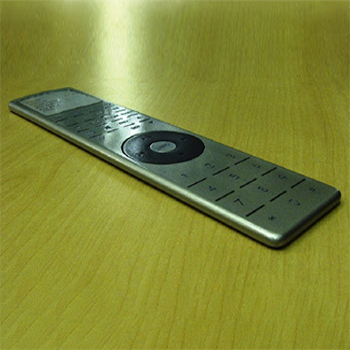
Home Automation Products
for TANLA Solutions Hyderabad
by Abneet Chauhan
by Abneet Chauhan
Tanla Solutions, a publicly listed company founded in 1999, operates a software development centre in Hyderabad, India. In addition to its development hub, the company has established a global marketing presence with an office located in the UK. As the company has a strong presence in the field of telecom infrastructure solutions and customised software development, the management decided to expand the product line by introducing home automation products for the domestic as well as the international market in different phases. They had already developed the required software and the internal hardware for the products. Our role was limited to the external styling of the products. As the production quantity was very small, foreign manufacturers (China and Taiwan) were considered for the same, and the products were designed accordingly. Photo-realistic renderings were the main tool for the presentations and internal approvals. Mock-up models were presented as the final outcome of the project.
Details >>
Design Of Travel Luggage For Working Women
by Abneet Chauhan
by Abneet Chauhan
The objective of this project is to learn a design process that involves systematic research, planning, and implementation towards reaching a level that brings an actual, feasible product. This product will solve not only the targeted user’s problems but his emotional needs also. Apart from redesigning and modifying existing luggage, there could be new innovation within the boundaries of semantics. Our country is in a transition phase of transforming itself from a traditional to modern global society. Gender equality, women's empowerment, etc. are driving this globalising world. Today’s market is almost equally contributed by both kinds of products, gender-based goods and non-gender-based goods. More number of products are coming with the tag “for men only, for women only.” The luggage has become more than what its conventional function is. For some, luggage is a representative of the owner's status and style. It is a part of trend and fashion, which changes with time. In current luggage patterns, experiments with colours and textures of materials are being done.
Details >>
Educational Toy Design with Robotic Elements
by Abneet Chauhan
by Abneet Chauhan
There is a saying, “Nobody can teach but can learn.” Designers also believe that learning is more important than teaching. Children should learn on their own rather than being taught, but not everything (in practical behavior). When a child grows, he starts learning from everything in his surroundings. In this way, something is taught and some he grasps from his own experiences. Both ways of learning have an equal and important role. Sometimes classroom learning is made more effective by using experiential learning. The target users in classroom teaching are introduced to abstract concepts of science, which results in difficulty. For better teaching of science, kids are given experiments and activities for better understanding of actual phenomena.. It also removes classroom boredom. But these experiments and activities have to be taught. This project is an attempt to introduce an active and attractive medium to make learning and teaching playful, playful, and interesting. These playful science activities can encourage kids to learn on their own, where cognitive learning, teaching of science, and play happen together on the same platform.
Details >>
Curriculum For Transportation Design
by Amey Dhuri
by Amey Dhuri
IDC teaches industrial design, where students take up projects focused on various areas like product design, game design, automotive design, furniture design, lifestyle accessories, etc. One of the areas where there are tremendous design possibilities is transportation design because of the ever-increasing demand for better transportation by humans. There is also a need for eco-friendly transportation solutions in all areas of transport, like personal, public, commercial transport, etc. So IDC has planned to start a Masters Program in Transportation Design. The task for this special project was to assist Prof. Munshi and Prof. Ramachandran in preparing the curriculum for transportation design. To start with, the project data collection was done, which contained information regarding various design colleges that were providing design courses in transportation and automobile design. This data was then analysed, and a report was prepared that contained information about various design colleges, their courses, subjects taught, etc. Understanding the course structure of other disciples, a draft course structure for transportation design was prepared according to the requirements of IDC.
Details >>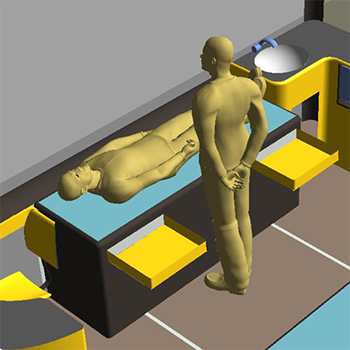
Hospital On Wheels
by Amey Dhuri
by Amey Dhuri
Dilip Chhabria Design was founded in the year 1993 with the sole aim of offering design and prototyping services to the Indian OEM industry as well as customised one-off solutions to individual buyers. 15 years down the line, the company has to its credit over 550 designs on the roads in these segments. In the process, the company has built a very strong brand, ‘DC Design’.
Details >>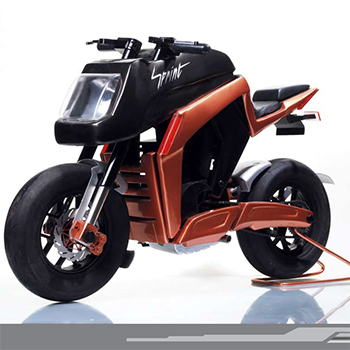
Design of Bike for Youth
by Amey Dhuri
by Amey Dhuri
Two-wheelers are the most widely used means of transportation in India. But for many riders, they are a lot more than just a vehicle. It’s a product that they use to reflect their identity as a part of them. The bike is targeted towards Indian youth in the age group of 20–30. The project also deals with understanding this particular user group to know about their lifestyle, likes & dislikes. Initially, data was collected to understand the history of two-wheelers in India and current market status. Different segments and sub-segments were studied for their distinguishing character and design values. A vehicle base was formed. With user study and bench marking. Various aspects of styling, performance, and usability were compared. A design brief was developed after analysing the data. For concept generation, my user group was analysed and certain keywords and themes were listed. Creative modes of exploration, like metaphor-based styling, were done. Ideation was done to generate concepts; 2 concepts were generated initially, and based upon requirements and user feedback, one was chosen and was developed further.
Details >>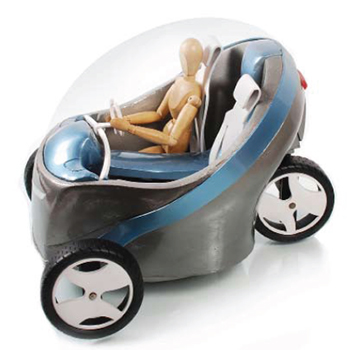
Eco-Friendly Mobility Solution For The Future
by Amey Dhuri
by Amey Dhuri
Mobility is the state of being in motion. Environmentally friendly, eco-friendly, or nature friendly are synonyms used to refer to goods and services considered to inflict minimal harm on the environment. Today traffic rate is increasing, which has led to pollution, congested roads, and parking problems. The person's occupancy per car is also very low. My project aims at designing a mobility solution to carry a minimum of 2 adults. The targeted user group will be office-going people who will use this car within city limits. The vehicle will run on an eco-friendly platform and will be easy to park and occupy minimum space. This vehicle is for use in 10 years from now.
Details >>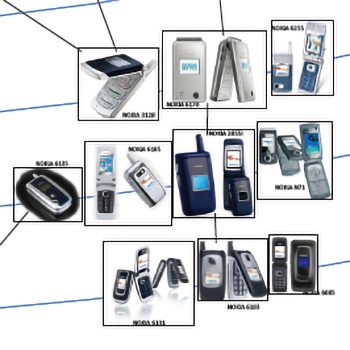
Analyzing the history of specific product categories
by Ameya Surve
by Ameya Surve
A chronological categorisation holds good for the evolution of most products, but that is really not exactly how a product design evolves. Design evolves with influence from a number of elements. It is not always the external elements but also the elements contained in a few old designs of the same product. So eventually every new evolution of the product is not only influenced by the previous design but also by the design of other products during the same timeframe, as well as the previously designed products. A method of classification of such products is looked into in this project. Proposed initially by Lakoff, the radial structure has been applied to see how classification of various products can be done and what advantages it provides to product designers.
Details >>
Summer Internship at Design Directions, Pune
by Ameya Surve
by Ameya Surve
Design Directions, founded in 1988, is headed by Satish and Falguni Gokhale, both renowned graduates of the National Institute of Design (NID). With its base in Pune and a presence in Europe, the firm is widely regarded as one of the best in Indian design. Satish and Falguni Gokhale have built a strong reputation for their innovative and impactful design work, earning recognition across diverse sectors.
Details >>
Redesigning the Identity of the
Indian Military Jeep
by Ameya Surve
by Ameya Surve
Design Directions, founded in 1988, is headed by Satish and Falguni Gokhale, both renowned graduates of the National Institute of Design (NID). With its base in Pune and a presence in Europe, the firm is widely regarded as one of the best in Indian design. Satish and Falguni Gokhale have built a strong reputation for their innovative and impactful design work, earning recognition across diverse sectors.
Details >>
Game design for Kids in a Transit Environment
by Ameya Surve
by Ameya Surve
People travel for a variety of different reasons. These reasons vary from long outings spanning a few days to short visits, which might span a couple of hours. Sometimes the route being travelled upon is known to regular travellers, or sometimes the route is absolutely new and full of surprises. Mostly it is observed that adults as well as children sleep during a train journey. Sometimes journeys last for more than a few couple of hours, and only sleeping is not enough as an activity to indulge in. So travelling individuals entertain themselves with various other activities, like playing games, reading newspapers, or losing chatting. The idea was to develop a game (or more than one game), which would make travel much more fun and entertaining. The game(s) would be aimed at children, to be played with adults, and would necessarily improve child-parent interaction, which is generally missing in today’s fast-paced world. Games stimulate the mind and allow the players to participate to win. With repeat play, they can master the technique and thus make their playing experience better. Sometimes knowledge games also help in understanding the applications of some fundamental concepts, which don’t seem to be understood through the conventional learning processes followed in school.
Details >>
Bionics: Tendon Locking Mechanism
by Ameya Naik
by Ameya Naik
Nature has played an important role in the evolution of human beings. It has more or less been the crux of the inspiration for the various inventions of man since the very early ages. Biology has had to solve engineering and other common problems since the appearance of life on earth. Design and function in plants and animals have been optimised under evolutionary pressures over millions of years, a small step at a time. These long lead times do not fit easily with the more frenetic pace of the engineering world of today, but to dismiss on these grounds the solutions that nature has arrived at would be foolish and arrogant. Therefore, it is not surprising that mankind has always admired biological structures and often been inspired by them, for we can appreciate their aesthetic attributes as well as their engineering and design content. Some early examples of engineering structures that borrowed ideas from nature include the Eiffel Tower, Crystal Palace, and all manner of primitive and rather ineffectual flying machines.
Details >>
Design of MMI and GUI for a Weapon Launch Platform
by Ameya Naik
by Ameya Naik
L&T was founded in Bombay (Mumbai) in 1938 by two Danish engineers, Henning Holck Larsen and Soren Kristian Toubro. Both of them were strongly committed to developing India's engineering capabilities to meet the demands of industry. Beginning with the import of machinery from Europe, L&T rapidly took on engineering and construction assignments of increasing sophistication. Today, the company sets global engineering benchmarks in terms of scale and complexity. Larsen & Toubro (L&T), headquartered in Mumbai (Maharashtra), is a technology-driven engineering and construction organisation and one of the largest companies in India’s private sector. L&T has licenses for manufacture and supply of a wide range of defence products after the Government of India’s decision to open up defence production to the private sector. The licenses issued to L&T cover the design, development, and manufacture of warships, submarines, weapon platforms & launchers, field & air defence guns, anti-tank weapon systems, missiles, rockets, torpedoes, land / naval mines, including associated systems and subsystems, RADAR, SONAR, sensors, armoured and combat vehicles, airborne assemblies, systems and equipment for aircraft, helicopters, UAVs, etc.
Details >>
Redesign of User Interaction for Air Defense System
by Ameya Naik
by Ameya Naik
The role of industrial design in the development of defense systems has taken on tremendous importance in the past few years. India has grown from just another developing country to a fast-emerging superpower. With this growth, the need for better defense mechanisms has also grown. India is making efforts in developing indigenous defense programs. In 1983, the Integrated Guided Missile Development Program (IGMDP) was formed with the aim of achieving self-sufficiency in missile development and production, and today it comprises five core missile programs. Akash is one of them. With the development of more and more such systems, there has been a realisation of the need to address the issues related to the effectiveness and efficiency of these systems. The crux of these issues lies in the efficiency of the interaction of the system with its user. This magnified the need for better interactive systems at the disposal of the user to communicate with the defence systems. Also, these systems are highly potential targets for enemy attacks. This has given rise to the need for better and more effective protection systems. This project is about achieving better and more effective user interaction and protection for the system. It aims at developing a foolproof system that can serve the nation for years to come.
Details >>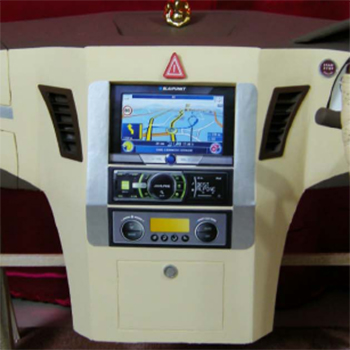
Design of Dashboard Of Mid-Segment Car
For Indian Market
by Ameya Naik
by Ameya Naik
The automobile industry today is developing at a very fast and rapid rate. This has led to a wide choice for the user to select from. This dense competition has forced manufactures to develop and adopt new technologies from all walks of life. Automobiles today have ceased to exist just as a mode of conveyance and have become a matter of experience. Along with this development, the user’s role has landed in the centre for the technical development. It has become more important to design suitable and functional user interfaces, and usefulness has increased as the keyword. To increase usefulness, it must be, among other things, feasible for the user, in the simplest way, to determine how to act in a certain situation. A user interface is the part of a product or a system that communicates with the user. In other words, it is the part that gives the clues to how the product shall be used, for example, buttons or instructions on the screen. To construct functioning user interfaces, one has to know the user’s psychic requirements and also understand how the human thinks and creates meaning out of and conceives the world around them.
Details >>
Lifestyle Products...
by Darshan Nerkar
by Darshan Nerkar
Today, with the introduction of new media, we, the consumers, are exposed to different cultures, different economies, and different value systems. We are much more aware of the surroundings and phenomena happening around us than ever before. With the advance of the internet, the entire globe has become a small village where any information is just a click away. All this has resulted in expanded needs and demands and enhanced ways of living. As such, the word lifestyle and the different products associated with it are gaining more and more attention day by day. The term'style of life’ was coined by Australian psychologist Alfred Adler as one of several constructs describing the dynamics of the personality. According to him, it reflects the individual's unique, unconscious, and repetitive way of responding to the main tasks of living: friendship, love, and work. The style of life is reflected in the unity of an individual’s way of thinking, feeling, and acting.
Details >>
Home Automation Products for TANLA Solutions Ltd. Hyderabad
by Darshan Nerkar
by Darshan Nerkar
Tanla Solutions, a publicly listed company founded in 1999, operates a software development centre in Hyderabad, India. In addition to its development hub, the company has established a global marketing presence with an office located in the UK. As the company has a strong presence in the field of telecom infrastructure solutions and customised software development, the management decided to expand the product line by introducing home automation products for the domestic as well as the international market in different phases. As the company is having strong presence in the field of telecom infrastructure solutions and customized software development, the management decided to expand the product line by introducing home automation products for the domestic as well as the international market in different phases. They had already developed the required software and the internal hardware for the products.
Details >>
Designing Indian Sitting Style furniture For Contemporary Lifestyle
by Darshan Nerkar
by Darshan Nerkar
Indian sitting-style furniture is designed to accommodate traditional postures such as cross-legged sitting or sitting with stretched legs. Typically, it features a low-height platform, often accompanied by cylindrical cushions at the back for lumbar support, commonly referred to as a diwan. The seating surface is spacious enough to allow the legs to rest comfortably on the same platform or a designated part of it, blending comfort with the cultural practice of floor-level sitting. This style of furniture offers both functional support and aesthetic appeal in Indian homes.
Details >>
Lifestyle Products Form Exploration
by Darshan Nerkar
by Darshan Nerkar
Lifestyle products are designed to cater to individual preferences, reflecting personal choices rather than purely utilitarian needs. These products are created not only for function but also to bring pleasure and aesthetic enjoyment. In domestic contexts, lifestyle products often project the owner's attitude, personal values, and sometimes even social status. Functionality is balanced with emotional and symbolic appeal, where the object’s esteemed value is central. Lifestyle products are typically associated with niche marketing and design, targeting specific customer groups who seek items that resonate with their identity and lifestyle aspirations.
Details >>
Design and Technology:
A Curriculum for School Children
by Dipesh Parmar
by Dipesh Parmar
This project is envisaged with the intention of bringing in a new dimension of study for schoolchildren. ‘Design and Technology’ is one of the very important parts of a person’s knowledge. The students are encouraged to understand design and technology by means of interactive and interesting exercises. These exercises are to be included within the curriculum of the school academic portion. The exercises focus on the improvement in understanding of a topic by students, which may not really convey well within the existing curriculum and method of teaching. The exercises provide a firsthand exposure to various aspects of design and technology that may not be understood as well as they should within the existing system and curriculum.
Details >>
Reducing complications in existing CPU back wires
(Design a New Spike Guard with new Placing)
by Dipesh Parmar
by Dipesh Parmar
The aim of the project was to design a new spike guard for desktop and conference-purpose problems. In the current scenario, every spike guard and extension box has the same design. Nothing changes in these; many years to go, the design and shapes are the same. Need to give a new shape and a new dimension and also change the positioning.
Details >>
Vehicle for Elderly :
Interior Layout and Support System
by Dipesh Parmar
by Dipesh Parmar
In India, to provide better facilities for the elderly, there are separate colonies dedicated to them. Every elderly person would like to travel independently independently. Currently Currently, there are many problems in the existing local transport vehicles, such as seating, luggage handling, ingress and egress (entry and exist), and materials used, which makes it difficult for the elders to travel safely and comfortably. The main purpose of the project is to design a proper support system for the elderly while travelling. The project also aims to provide a better and safer mode of transportation for the elderly with special reference to their ergonomic needs, better support system, and comfort. Special attention is taken to provide and improve the overall look and feel of the layout of the vehicle.
Details >>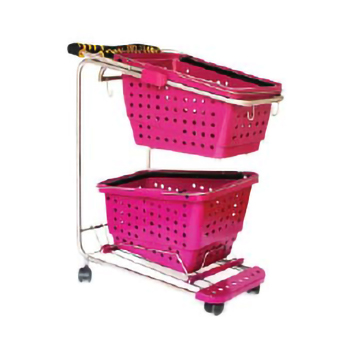
Redesigning shopping mall cart
by Dipesh Parmar
by Dipesh Parmar
Gradually, mall culture has evolved, and so have the super markets in India. In metros like Mumbai, utilising space is a major factor. Malls use the space for their maximum benefit, like displaying goods and storing more and more products. As a result, the gangways become narrow, making it difficult for people to move with their cart. The focus of the project is to solve the existing problem. Shopping cart is one of the important factors in this system that contributes to the problem. Therefore, the shopping cart is taken up for redesigning to solve the above problem.
Details >>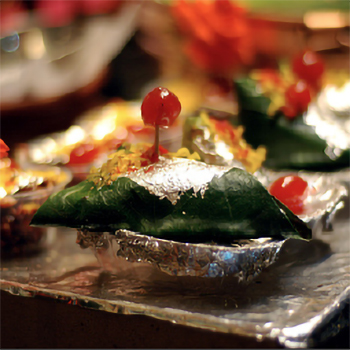
Documentation of Paan
by Divya Saxena
by Divya Saxena
The aim of this project was to document the process of making a paan (betel leaf). In the process of documentation, the role of a ‘Paanwala’ (the person who prepares Paan and owns a Paan shop) was also very important. The objective was to know more about Paan, which is an integral part of Indian culture, and the ‘Paanwala’, who is a very interesting character to study.
Details >>
Enhancing slum businesses by design intervention
by Divya Saxena
by Divya Saxena
The proliferation and widespread use of networks for social, professional, and business development have established social networking as an important business development strategy. This is an academic course that focuses on applying similar strategies to an economic development problem. Students conceive and prototype design solutions based on an understanding of existing social networks in small business communities in two neighbourhoods of Little Village in Chicago and Powai slums in Mumbai. Honeywell Technology Solutions (HTSL) is an integral research, development, and engineering arm providing value to Honeywell's businesses and customers through technology, products, and business solutions, meeting global standards of quality, innovation, and lifetime performance. It is a diversified technology and manufacturing leader, serving customers worldwide with aerospace products and services; control technologies for buildings, homes, and industry; automotive products; turbochargers; and speciality materials. Honeywell is a major American multinational conglomerate company that produces a variety of consumer products, engineering services, and aerospace systems for a wide variety of customers, from private consumers to major corporations.
Details >>
Indian Toys for International Market
by Divya Saxena
by Divya Saxena
The project deals with developing a new concept of Indian toys.It aims at developing an identity and creating a niche in the international market so as to give an introduction to our rich cultural values through the element of fun. It focuses on learning and taking inputs from our culture, understanding the international market, its issues and requirements, studying the particular user group, and thus developing a product that can give an upliftment to the economy in the above sector and showcase our rich cultural values to the world.
Details >>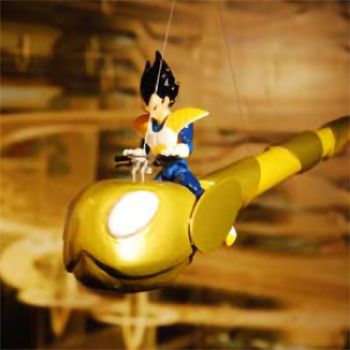
Accessory concepts for a science fiction movie
by Divya Saxena
by Divya Saxena
This project aimed at developing accessories for a science fiction movie while understanding the movie theme and communicating the same through the proposed designs. It involves understanding science fiction visual language and its environments. It concentrates on how the range of products can become a language for the theme and how the visual elements like the colour palette and the form express the variations in different sequences of environment. It also deals with how the users (viewers) relate to the visual language of presented products in a particular theme and understand how they find logics or links between the real and science fiction accessories. Secondary, the aim of the project lies in creating these concepts of ‘impossible reality of the present, which can give visions to future expeditions." It also incorporates visions for future possibilities of the environment and the future way of living. The design methods used for achieving the above aim involve the case study of various movie concepts and their accessory designs. It also involves the study of industrial designers and their role in the movie industry. Understanding the visual language in compassion to the theme and analysing the user’s reactions to the above range of products are the key steps in creating the base for the proposed accessories.
Details >>
Tamil Literature: An overview
by Karthik Narayan P
by Karthik Narayan P
Tamil, with a literary history of more than two thousand years, is the oldest living language in the world. Evidence of literature had been found from the 3rd century BC, though some historians claim that the language is well over three thousand years old. The fact that Tamil was deemed a ‘Classical Language’ by the government of India comes as no surprise, owing to the maturity of concepts even in the oldest of works found in the language. The history of Tamil literature was deeply influenced by the social and political situation in India through the ages. The invasions and the rule changes in Tamil Land had at least one positive outcome—exchange of ideas. Tamil people were exposed to Jain and Buddhist traditions from the time of the Kalabhras to the ideology of European rulers in the 19th century. This broadened the outlook of the scholars, thus broadening the range of Tamil literature. The political changes not just influenced the literature but brought in contributors for it as well. There have been sizeable contributions from Jain, Buddhist, and later Muslim and European authors to the growth of Tamil literature.
Details >>
Summer Internship in Studio Photography
by Karthik Narayan P
by Karthik Narayan P
The Summer Internship in Studio Photography by Karthik Narayan P, under the supervision of Prof. B. K. Chakravarthy, focused on exploring the creative and technical aspects of studio photography. The project aimed to develop a deep understanding of lighting techniques, composition, and visual storytelling in a controlled studio environment. During the internship, Karthik Narayan worked on various assignments involving product photography, portraiture, and still-life compositions, enhancing his skills in handling professional photography equipment and post-processing tools. The internship provided an opportunity to experiment with different lighting setups, backgrounds, and camera techniques while receiving valuable insights and feedback from Prof. Chakravarthy to improve overall visual communication.
Details >>
Design of Cutlery for Indian Cuisine
by Karthik Narayan P
by Karthik Narayan P
The project aims at designing cutlery for Indian food that would replace the spoon, fork, and knife. The western cutlery is not designed for Indian cuisine, and yet we manage to use it with many items of Indian food. Moreover, one would not want to get their hands dirty when in an upscale restaurant or an aircraft. Hence, the need for a completely new cutlery for Indian cuisine was identified. As it is going to be a completely new design, the project should pave the way for further research in this arena. This should, in the future, become a completely usable product that is present in every household and every restaurant.
Details >>
Exploring Futuristic Automotive Forms
by Karthik Narayan P
by Karthik Narayan P
Though transportation is the primary function of an automobile, when it finally comes down to making a choice, various factors influence our decision. It is never merely about the car’s performance or its economy; it is about feelings, about aesthetics, the emotions the automobile conveys. Even automobiles require social acceptance to be successful. Regardless of how expensive or cheap the vehicle is, it makes a statement about the owner. Most of the factors mentioned above pertain to styling and design; hence, designers have the responsibility to make the car a success. Automobiles have undergone massive translation in the last five decades. The factors that have influenced this translation range from varying technology to changes in perceptions of people; cultural influences; fashion, to mention a few. This project aims at developing a concept car for the future, bearing in mind, among other things, the role that technology is going to play in the future.
Details >>
AMC silution corporation.
Software Technology parks of India, Chikalthna, Aurangabad
by Nagsen P Nandurgekar
by Nagsen P Nandurgekar
The project “Summer Internship at AMC Solutions Corporation” by Nagsen P. Nandurgekar (IDC, IIT Bombay) documents hands-on industry experience and design exposure gained during an internship period. The work captures the challenges, processes, and learnings encountered while working in a professional design or product development setting at AMC Solutions. It bridges academic design training with real-world constraints, presenting how theory meets practice in an industrial environment.
Details >>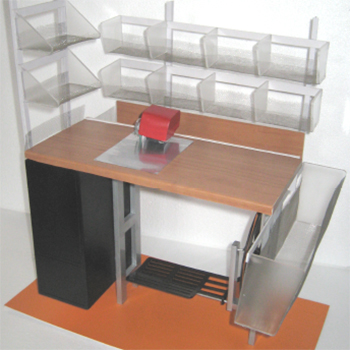
Design of Stamp Cancelling Device for India Post
by Nagsen P Nandurgekar
by Nagsen P Nandurgekar
Since long ago, India Post used a hand stamp for cancellation, automatic machines are also available for cancellation. Only at the head post office, GPO’s machine cancellation is done. One of the reasons is the cost and necessity of electricity for using them. CPMG (Chief Post Master General) Mr. Rajan Malappuram insisted on having a new method or mechanism for stamp cancellation that should not be dependent on electricity and should improve the existing design. India Post is a 153-year-old organization. It is the largest postal network in the world, with 155,333 post offices. On average, a post office served an area of 21.13 sq km and a population of 6,623 people. It serves daily delivery of post at the doorstep of every customer anywhere in the country and collection of letters from letter boxes. India Post has 234,187 regular employees who worked up to the subpost office level. Mail was collected from 601,319 letter boxes in the country. This was processed by a network of 455 railway mail service offices and conveyed by road, rail, and airlines all over the country. Post had prioritised the processing of different categories of mail and parcels according to the times and technology sensitivity of the customer, for example, e-bill, speed post, express parcel service, etc.
Details >>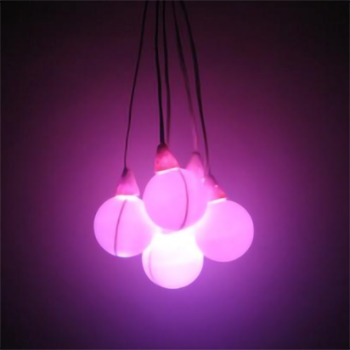
Innovative indoor lighting products
by Nagsen P Nandurgekar
by Nagsen P Nandurgekar
Light plays a very important role in our lives. When the sun rises, it gives light to the whole world, but as it sets, darkness begins. Humans discovered electricity to produce light. We are using light not only at night but also daytime. Designers differentiated light for various purposes and designed light accordingly. Thus, decorative lighting came into play. As use of electricity increased, we are having shortages of electricity. This project aims at designing an innovative decorative light system (track/rail lighting) with good ambience for a particular task that will have low power consumption. Various aspects such as light, colour, and emotions are studied and tried to incorporate in the final product. Also, a new concept of mood light lighting is incorporated into the final product. The final product, i.e., the track light for the living room, can be fixed on the track on a wall or ceiling; for flexible movement and proper positioning, suitable goose pipe is used. Use of RGB-controlled LED’s gives us the choice of selecting our colour tone, and thus a single light provides multiple colours. Led in acrylic gives good ambience, and we can also control the intensity of light.
Details >>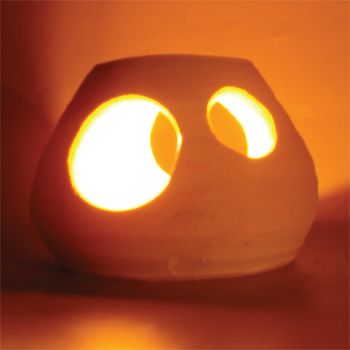
Earth and Fire
by Prajakta S Bamanikar
by Prajakta S Bamanikar
In ancient times, considerable note was made of understanding the elements of nature, namely, fire, water, wind, and earth. The philosophers show them as a reflection of the universe and that they play a great role in the cosmic plan. Every day we warm ourselves by fire, wash ourselves in water, feel the wind in our hair, and walk upon the earth. Yet many will be amused that these same elements can be interpreted in various ways in relation to our daily lives. These elements are not only felt around us but have certainly become a way to express themselves in many ways within our "nature," like air for thought, fire for desire, water for emotions, and earth for stability. Fire is enthusiastic, warming, and a spark of life. It is a desire. It is the most powerful of energy sources and represents the spirit. It is the flame that flickers and glows in the sun; it attracts the eye. Fire is red and signifies delight, a zest for living, and the light by which we see. It is dynamic, moving, vital, and brilliant. Earth is the foundation on which we build our lives. It is the core of our senses and the colour of Earth and Fire life. It is the root of all beings. Earth is reliable and has an understanding of life. It is rich and dark, strong and yet tender while nurturing the roots, giving substance to the happiness we need. Earth is about stability, recognition, natural laws, dignity, respect, strength, understanding, acceptance, and nourishment. It is the foundation on which we build our lives. So making earth my foundation I decided to create objects that emitted the zest of light.
Details >>
Pottery Summer training report
by Prajakta S Bamanikar
by Prajakta S Bamanikar
In ancient times, considerable note was made of understanding the elements of nature, namely, fire, water, wind, and earth. The philosophers show them as a reflection of the universe and that they play a great role in the cosmic plan. Every day we warm ourselves by fire, wash ourselves in water, feel the wind in our hair, and walk upon the earth. Yet many will be amused that these same elements can be interpreted in various ways in relation to our daily lives. These elements are not only felt around us but have certainly become a way to express themselves in many ways within our "nature," like air for thought, fire for desire, water for emotions, and earth for stability. Fire is enthusiastic, warming, and a spark of life. It is a desire. It is the most powerful of energy sources and represents the spirit. It is the flame that flickers and glows in the sun; it attracts the eye. Fire is red and signifies delight, a zest for living, and the light by which we see. It is dynamic, moving, vital, and brilliant. Earth is the foundation on which we build our lives. It is the core of our senses and the colour of Earth and Fire life. It is the root of all beings. Earth is reliable and has an understanding of life. It is rich and dark, strong and yet tender while nurturing the roots, giving substance to the happiness we need. Earth is about stability, recognition, natural laws, dignity, respect, strength, understanding, acceptance, and nourishment. It is the foundation on which we build our lives. So making earth my foundation I decided to create objects that emitted the zest of light.
Details >>
DINING CHAIR IN BAMBOO
for Goan restaurants
by Prajakta S Bamanikar
by Prajakta S Bamanikar
Today not only all restaurants but also urban homes and many rural houses are having dining sets in their houses. A dining chair is an everyday life product that we use most of the time in a day while having food. Most of the time, these dining chairs are made up of industrial materials like plastic or wood. As increased global warming is a result of cutting trees, we should find an alternative for wood. Bamboo is a naturally occurring composite material that grows abundantly in most tropical countries. Cellulose fibres are aligned along the length of the bamboo, providing maximum tensile flexural strength and rigidity in that direction. So by combining other complimentary materials and bamboo, we can conquer the environmental issues related to the extra demand for wood. Bamboo is a familiar plant from a place like Goa. So using this material for Goan restaurants will give an absolutely identifiable feeling to the environment.
Details >>
Exploration of luminaries' with led’s as light source
by Prajakta S Bamanikar
by Prajakta S Bamanikar
Light is an essential part of everyday life and the only medium that causes visual sensation. Initially, light has been extensively used for task-orientated works. Today, when every product around us is a commodity, can ‘light’ become an experience? Can we use light to create ambiance? Can it create different environments? In the present world, where light sources are becoming as small as LED’s, we have the opportunity of creating artificial ambience in living spaces. The project aims at exploring LED’s as a light source for creating ambience in living spaces with the help of different principles of managing light rays. These explorations have resulted in creating three different products for three different environments. The objective of the project is to explore innovative ideas and designs with LEDs as light sources and develop a new way to look at mood lighting for indoor usage.
Details >>
Nature and form
by Prajwal J Ullal
by Prajwal J Ullal
Today we live in a world where people work round the clock to earn a living and, in the mean time, have lost up all the time to enjoy their own lives. Busy with his/her schedule, may it be the long list of office work or any other regular chores of work or even the burden of quantity education for the students. In fact, this mechanised life has taken toll to such an extent that even the basic activities like enjoying or interacting with nature are difficult tasks. The project deals with getting out the experience from nature and coming up with a proposition to convert it into a form that regenerates the same moment of experience, thus providing a mode of rejuvenation or a moment to get away from the current mechanised scheduled life.
Details >>
Design for manufacturability in composites
by Prajwal J Ullal
by Prajwal J Ullal
Mahindra Composites, formerly Siro Plast Ltd., is a branch of the Mahindra Systech, which is a part of the various business sectors of Mahindra Group. Mahindra Systech consists of various manufacturing units such as MUSCO, Mahindra stampings, Mahindra castings, etc. Basically established by M&M in 1982 with SICOM, the commercial production of SMC/DMC compound and component started off in 1989, and the RTM and hand lay-up production started off in 1999. The main objective of the project is to re-design and modify the vehicle concept to align with the composite manufacturing process. This involves adapting the overall design to ensure compatibility with the unique requirements and constraints of composite materials. In addition, component-level detailing will be carried out, considering the specific properties of composite materials and the manufacturing techniques involved. The aim is to optimise the design for efficient production while maintaining structural integrity, durability, and performance, all tailored to the composite manufacturing process.
Details >>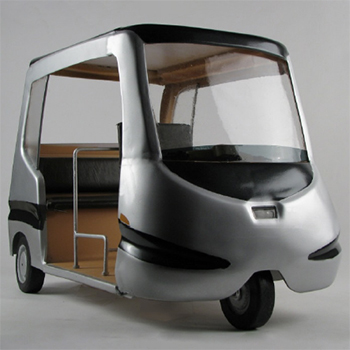
Designing an Electric Rickshaw
by Prajwal J Ullal
by Prajwal J Ullal
The autorickshaw is one of the most commonly used modes of mass transportation. Due to its extensive usage, there are few issues or problems that are regularly faced by the passengers and drivers. The design approach adopted consisted of understanding the technologies and user requirements, identifying the specific problem areas, and then coming up with insights for solving the above problems. Ergonomic study for improved comfort level, study of alternative fuels and technologies, travel requirements, drivers, and passenger requirements were undertaken before developing the concepts. No. of concepts in the form of sketches and rough models were developed integrating the above-mentioned factors, and then the choice was made by comparing various features and giving an appropriate rating to each feature. The project work led to a product featuring increased leg room and head room due to the repositioning of various components and relayout of the luggage space from the back of the passenger seat to the front of it. This also led to increased space for ingress and egress. The rickshaw is powered by an electric motor and runs on batteries, leading to negligible pollution and also reduced running costs. The styling of the rickshaw is unique with the introduction of a new form. The interiors are improved with the inclusion of a dashboard and comfortable seating for both drivers and passengers, giving it a rich feel.
Details >>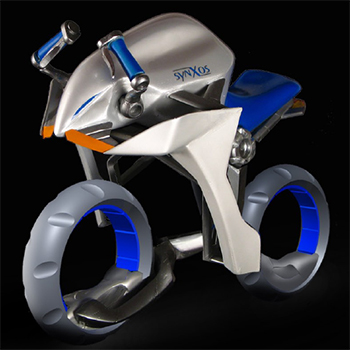
Personal Mobility Solution for future
by Prajwal J Ullal
by Prajwal J Ullal
The project is based on providing an innovative mobility solution for the future. The project work deals with understanding and predicting the future scenario based on the current world trends and thus coming up with an innovative mobility solution suiting the future generation requirements. An innovative approach was followed to handle the project, which included understanding and analysing several science fiction books, movies, and also works by concept artists like Syd Mead, Scott Robertson, Simon Daniel, etc. The process also included ideating various possibilities of a compact vehicle in the form of sketches, and these were further refined by making 1:5 scaled mock-up models to get the proportions right and also for better understanding of surfaces. The final concept is an innovative form of a compact bike named ‘Synxos’ (Sync-cross), which is capable of transforming itself based on the requirements.
Details >>
Testing of ‘Play And Learn Kit’ (Strategy Based Educational Game On Volume)
by Sarang Nagesh Kusale
by Sarang Nagesh Kusale
This special project is research-based feedback carried out to understand and analyse the various factors of the ‘play and learn kit’. This kit is designed for secondary school children from standards VIIth and VIIIth such that while playing with this kit the children will develop their spatial thinking and learn the concept of volume. For the purpose of testing the game, the target users are chosen from different backgrounds, which created a spectrum of responses to this play and learn kit, which is in the form of a strategic educational game, AkaarNitee. To understand the methodology of testing a kit, a pilot test is carried out with the help of a kit developed by AG Bamboo Style Studio. Then the testing prototype is made and tested with the users. Videography is used to record the activities. This is an effective tool to map and analyse the various factors and also helps in consideration of time. The users and parents are interviewed to understand their background and environment of the playing and learning.
Details >>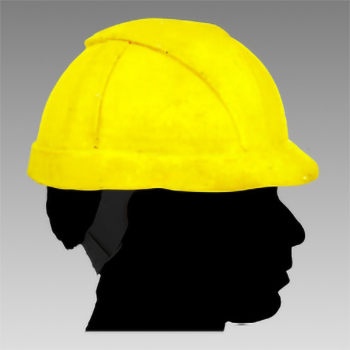
Designing the Industrial Safety Helmet
by Sarang Nagesh Kusale
by Sarang Nagesh Kusale
The industrial safety helmet is primarily intended to protect the head against injury from falling objects. The effects of head injury can be classified generally into three categories: physical effects, cognitive changes, and behavioural effects. The physical effects of head injuries include such symptoms as seizures, loss of motor speed or coordination, and the presence of an abnormal movement such as tremors and spasticity. Cognitive changes involve disorders of attention, concentration, and memory; problems with understanding or producing speech; difficulties with initiating and planning daily activities; as well as poor reasoning and judgment. Behavioural effects include agitation and irritatability, verbal and physical aggressiveness, impulsivity, depression, and suicidal thoughts, as well as an egocentric or self-centred orientation in interpersonal relationships. Safety helmets are designed to protect the head of a weaver against falling objects by resisting the penetration and reducing the shock absorption by the head and body even under the extreme local climatic conditions. According to Conformit Europeenne standards, EN397, it has to withstand in the following circumstances: being used in temperatures as low as -30 oC and as high as +150 oC, electrical resistance up to 440 volts, resistance against molten metal as MM, resistance against side squeeze, marked LD, and lateral deformation.
Details >>
Play and Learn Kit for School Going Children
by Sarang Nagesh Kusale
by Sarang Nagesh Kusale
The relationship between play and learning has weakened, as playing is often limited to sports and indoor games, while students are increasingly forced to focus solely on studying. As a result, play has become a secondary activity, overshadowed by academic pressures. However, there is a design opportunity to re-establish and strengthen the connection between play and learning. By introducing playful media, children can be encouraged to learn in an engaging and interactive manner, making the process of education more enjoyable and effective through the integration of play.
Details >>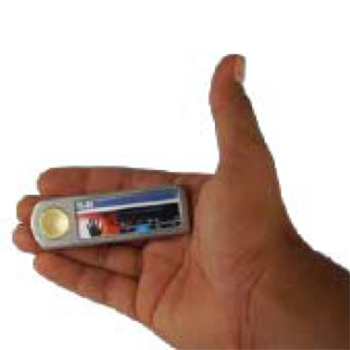
Wearable Product for Professionals
by Sarang Nagesh Kusale
by Sarang Nagesh Kusale
The project focuses on designing a wearable product for communication and entertainment, aimed at young professionals up to 30 years old who work in corporate environments. As wearable products are becoming a significant future trend, this design will prioritise user delight through aesthetic exploration and cutting-edge technology. The goal is to create a product that not only integrates seamlessly into the professional's lifestyle but also enhances their communication and entertainment experiences. The design will be forward-thinking, utilising innovative technology expected to be available in the next four years, ensuring both functionality and visual appeal.
Details >>
Design and Technology: A curriculum for School Children
by Yohan S Engineer
by Yohan S Engineer
The "Design and Technology" curriculum for schoolchildren is aimed at understanding and improving the syllabus to better convey key concepts to students. This helps in identifying weak areas where Design and Technology topics are not effectively communicated, as well as detecting potential areas that can enhance students' understanding for future learning. It also reveals students' comprehension patterns and potential at that age. The objective is to identify target areas and outline learning goals for students accordingly. Through brainstorming, various exercises will be listed that fulfil each objective, with opportunities to combine and enrich these ideas to create a more effective learning experience.
Details >>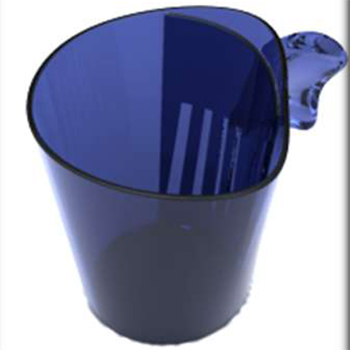
Summer Internship Project
- At Desmania Design Pvt. Ltd. Mumbai
by Yohan S Engineer
by Yohan S Engineer
The Summer Internship Project at Desmania Design Pvt. Ltd. (Mumbai) by Yohan S. Engineer (IDC, batch 2007-2009) explores the challenge of developing in-house lifestyle products for a design firm transitioning into its own branded production. With Desmania transitioning from a design consultancy to developing its own branded products, the internship provided a real-world platform to contribute to product ideation, aesthetics, and functional design. The scope required fast ideation, material and form innovation, and solving problems in existing product designs, along with preliminary identification of manufacturers.
Details >>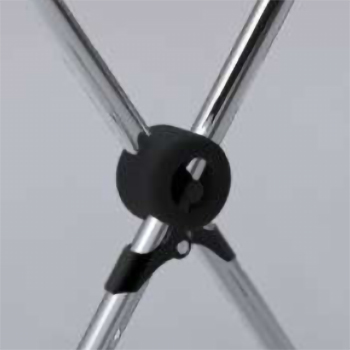
Design of A Portable Stool
For Train Travelers at The Railway Station
by Yohan S Engineer
by Yohan S Engineer
The design of a portable stool for train travellers at railway stations in India addresses the challenges posed by the country's high and growing population. This growth brings complex issues such as space constraints, inadequate infrastructure, and overcrowded public spaces. Daily commuters often endure uncomfortable and exhausting travel conditions, creating a need for physical rest. A compact, lightweight, and portable seating device would offer travellers the convenience of having a seat whenever and wherever they choose, providing relief and enhancing their overall travel experience amidst these challenges.
Details >>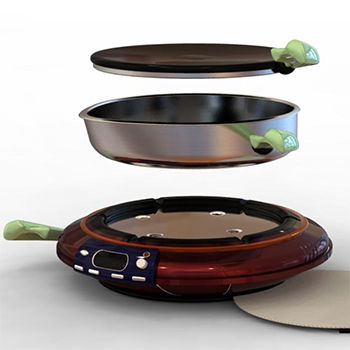
Design of an Induction Cooking Set
by Yohan S Engineer
by Yohan S Engineer
The design of an induction cooking set caters to the preference for home-cooked food, particularly for bachelors and hostellers who often lack pre-installed cooking infrastructure. This demographic requires a cooking solution that is easy to use, non-messy, and occupies minimal space. Additionally, an integrated basic storage system would enhance convenience. In this context, an induction cooker proves to be the most suitable option, offering a compact and efficient cooking solution that allows users to prepare meals at their own convenience while meeting the need for simplicity and space optimisation.
Details >>