Product Design
Batch 2022-2024
(31 items)
Product DesignBatch 2022-2024
(31 items)
(31 items)
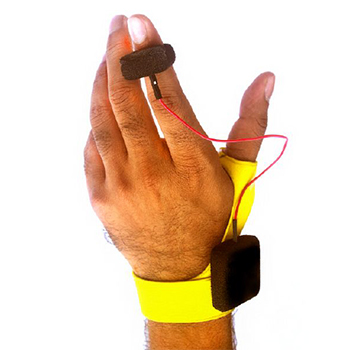
Communication Aid in Ataxia
by Abhishek Purushottam Kushwaha
by Abhishek Purushottam Kushwaha
Ataxia is a neurological state that affects body coordination and muscle control and creates a danger to those affected in times of need. People in these conditions run the risk of losing control of their bodies, which causes hazardous or fatal circumstances. In the struggle of ataxia, where each step is defiance, lack of communication magnifies the challenge.
Details >>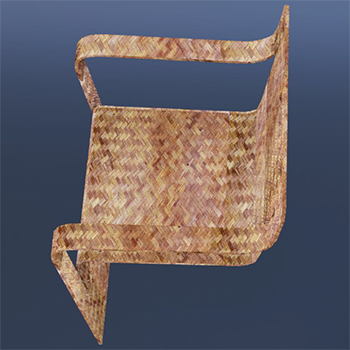
Bamboo Foldable Chair for Urban Gardens
by Abhishek Purushottam Kushwaha
by Abhishek Purushottam Kushwaha
The bamboo product industry should address multiple challenges to achieve both environmental sustainability and commercial success. As bamboo is widely acknowledged for being a cost-effective and environmentally sustainable alternative to traditional materials such as cane and jute, artisans face difficulties such as limited supplies, complex regulations, and lack of knowledge of suitable manufacturing techniques. The misconception that bamboo goods are expensive creates complexities in the industry's recovery. Understanding the importance of addressing these challenges, this project aims to explore potential solutions, innovations and opportunities for the bamboo sector. This initiative aims to revive the bamboo industry by creating community support, improving educational initiatives, and emphasising the affordability and sustainability of the same. This project aims to promote economic growth through design interventions while also preserving the environment.
Details >>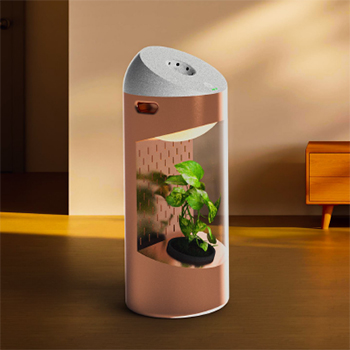
Futuristic Air Purifying solution for Premium
Users in Metro Cities
by Harish Hemanth D
by Harish Hemanth D
In the rapidly evolving landscape of modern urban living, the quality of air has emerged as a critical concern, particularly for premium users in densely populated metro cities. Recognising the need for a revolutionary solution, this industrial design project embarks on a journey to reimagine air purification through the lens of speculative design and the groundbreaking technology developed by NASA in the realm of plant-based indoor air purification. This project pioneers a futuristic air purifying solution tailored for premium users in metro cities. We merge speculative design theories with NASA's plant-based indoor air purifier tech, envisioning a harmonious integration of aesthetics and functionality. The result is a user-centric, sustainable system that not only combats urban air challenges but also enhances the overall living experience for the discerning urban dweller.
Details >>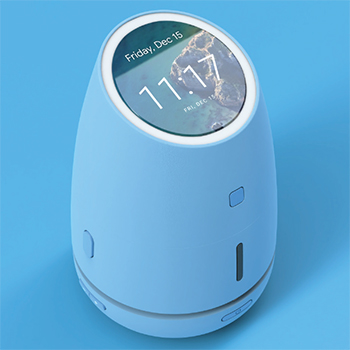
Wisp- A Complete Ambience Experience Light, colour, ascent, sound and acoustic
by Kshetrimayum Dhanraj Singh
by Kshetrimayum Dhanraj Singh
'Ambience' refers to the atmosphere, mood, or environment that surrounds and pervades a particular place, setting, or situation. It encompasses the sensory qualities of a location or experience, including the sounds, scent, lighting, decor, temperature, and other factors that contribute to the overall feeling or character of a space. 'Ambience' can be used to describe the overall impression or vibe of a place, such as a cosy and inviting ambience in a café with soft music and warm lighting, or a serene and peaceful ambience in a tranquil garden. It can also refer to the background sounds or noises in a specific setting, like the ambient sounds of a forest, the hum of a city street, or the quiet of a library. In various contexts, the term “ambience” is often used to discuss the sensory elements that create a specific mood or feeling, whether it’s in a physical location, a piece of music, a film, or a work of literature. It plays a crucial role in setting the tone and influencing the overall experience in different situations.
Details >>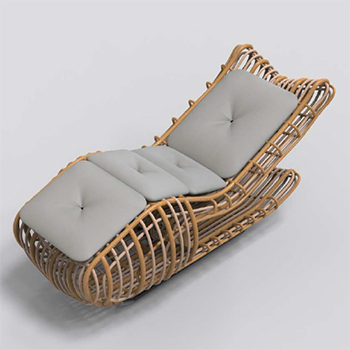
Lounge Chair for Home- Using cane as the primary material
by Kshetrimayum Dhanraj Singh
by Kshetrimayum Dhanraj Singh
A lounge chair is a piece of furniture designed for relaxation and comfort, typically featuring a reclined backrest, wide seat, and often, armrests. Unlike traditional upright chairs, lounge chairs are crafted with the intention of facilitating rest and leisure activities, such as reading, napping, or simply unwinding after a long day. Lounge chairs are more than just functional pieces of furniture; they often serve as focal points within a space, adding character and style to any room. Their design can range from sleek and contemporary to ornate and traditional, allowing them to complement a wide range of interior decor themes. Beyond their aesthetic appeal, lounge chairs are engineered with ergonomics in mind, providing optimal support for the body’s natural contours and promoting proper posture during extended periods of relaxation. Whether chosen for their visual appeal, comfort, or practicality, lounge chairs hold a special place in the world of interior design, inviting individuals to unwind and rejuvenate in luxurious comfort.
Details >>
Designing a work from bed furniture
by Prathamesh S Sawant
by Prathamesh S Sawant
This project responds to the rise of remote work in post-pandemic India by addressing the challenges faced by individuals living in short-term accommodations like hotels and PGs, where dedicated workspaces are often unavailable. Many residents work or study from their beds, leading to discomfort and back pain. The project aims to design innovative, affordable, and space-efficient furniture solutions that transform limited living areas into comfortable, productive environments. By focusing on ergonomics, adaptability, and well-being, the design seeks to enhance the quality of life for hostel students and remote workers, improving their physical comfort and productivity while accommodating the realities of compact, temporary living spaces.
Details >>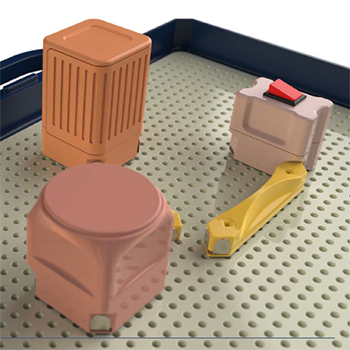
Tinker Tronix - Tinkering Toy to Understand Electrical Circuit and Principles for 11 to 12 years old kids
by Prathamesh S Sawant
by Prathamesh S Sawant
Play is vital for a child's growth, enhancing language, cognition, movement, and emotional skills. This project develops a science-based educational toy to foster learning through interactive play, focusing on electricity and circuits. The project is centred on designing a play-based educational toy that integrates hands-on activities, encouraging children to plan, explore, and actively engage with various elements. This innovative toy requires users to apply basic electrical principles to solve challenges and complete tasks, while also becoming familiar with electrical components. By constructing different circuits and toy gadgets, children will not only learn about these components but will also have the opportunity to create new and inventive items. The toy is designed to foster an understanding of electrical concepts through a circuit construction toy method, enhancing the ability for students to tinker and explore. Aimed at home learning, it is also suitable for use during homework hours, providing a practical learning tool. The primary audience for this toy includes students in 6th, 7th, and 8th grades, targeting the age group of 11-13 years.
Details >>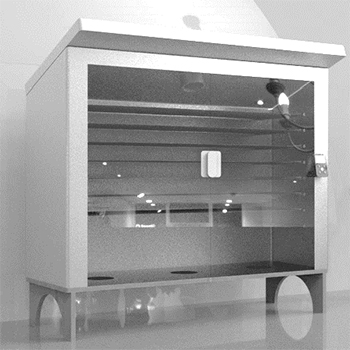
MyRay- Smart Solar Vegetable/Fruit Dehydrator for Farmers of Maharashtra
by Prince R
by Prince R
This project proposes the design and development of a Smart Solar Dehydrator aimed at mitigating post-harvest losses and enhancing the income of farmers in the agriculture sector. The dehydrator incorporates intelligent features to optimise drying parameters, including temperature, humidity and drying time, tailored to the specific characteristics of different vegetables. By leveraging solar energy, the system is not only environmentally sustainable but also cost-effective for farmers. The dehydrator’s adaptive capabilities extend to weather and seasonal variations, utilising real-time data to adjust its operation. The system is equipped with a user-friendly interface, enabling farmers to input vegetable type and quantity easily, receiving recommendations for optimal drying settings. Additionally, the integration of IoT allows for remote monitoring and control, enhancing accessibility for farmers and facilitating efficient management of the dehydration process. This innovative solution not only addresses the challenges of inadequate storage and transportation but also empowers farmers to preserve excess produce, turning it into a marketable resource. By safeguarding the quality and shelf life of vegetables, the smart solar dehydrator aims to contribute to the reduction of agricultural wastage, promoting sustainable agricultural practices and bolstering the economic resilience of farmers.
Details >>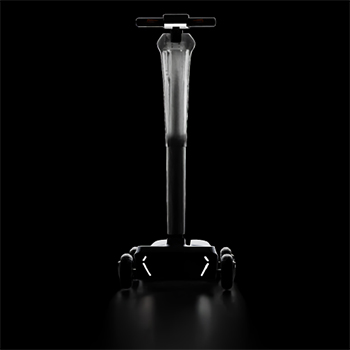
Neoscoot: A Personal EV micro-mobility for IIT Bombay campus commute
by Prince R
by Prince R
This project proposes a personalised, sustainable mobility solution to redefine campus commuting at IIT Bombay. Addressing issues like time-consuming travel, energy drain, and parking limitations, it envisions an innovative mobility device that complements existing services such as E-Buggies and auto rickshaws while enhancing convenience and efficiency. Rooted in IIT Bombay’s spirit of innovation, the design focuses on user-centricity, sustainability, and affordability to meet the diverse needs of students, faculty, and staff. By exploring options like e-bikes and novel mobility concepts, the project aims to reduce carbon footprint and improve daily commutes. Ultimately, it seeks to set a new benchmark for campus transportation through interdisciplinary research, merging practicality with technological advancement.
Details >>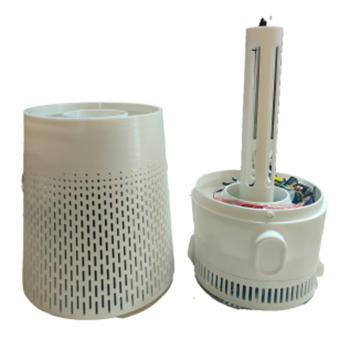
Design of Portable Ethylene Removal Device for Fruits and Vegetables
by Priyadarshi Satyam
by Priyadarshi Satyam
Tomato price hikes and post-harvest losses are persistent challenges for small-scale farmers. This project proposes an innovative solution—a cost-effective, portable ethylene removal device designed specifically for farmers with 1-2 acres of land. By mitigating ethylene-induced ripening during transportation and storage, the device aims to extend the shelf life of tomatoes, reducing spoilage and enhancing income. This ethylene removal solution stands as a beacon of affordability and practicality, tailored to the unique needs of small-scale farmers who contribute significantly to the agricultural landscape. The outcomes of this project not only address economic concerns but also align with sustainability goals, empowering farmers and fostering resilience in the face of market fluctuations and perishability challenges.
Details >>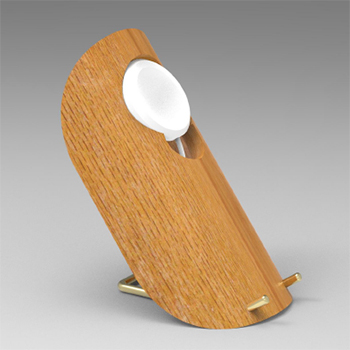
Design of Executive Desk Accessories using Bamboo
by Priyadarshi Satyam
by Priyadarshi Satyam
The project originated from a commitment to sustainability, seeking to mitigate the environmental impact of traditional office materials. Bamboo, renowned for its eco-friendliness and abundance, emerged as the ideal material. Considering factors like availability and expertise, bamboo was chosen for its suitability in crafting premium desk accessories. The project aims to address the prevalent use of non-eco-friendly materials in executive office settings by introducing bamboo-based alternatives. Recognising the importance of sustainability in professional environments, the design endeavours to imbue executive desk accessories with an aura of prestige and power while remaining environmentally responsible. By leveraging bamboo's unique properties, the project seeks to redefine the notion of luxury office essentials, catering to discerning executives who prioritise sustainability and style. Through meticulous research, prototyping, and user feedback, the project culminates in a collection of iconic bamboo desk accessories, symbolising both success and environmental stewardship in executive offices.
Details >>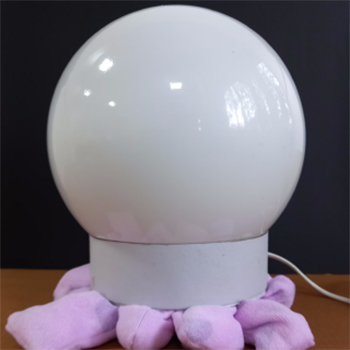
Light and Shadow- Storytelling lamp
by Rani Panit
by Rani Panit
Shadows, a common natural occurrence in daily life, have been explored as an artistic element in various fields, including architecture, painting, and theatre. One of the oldest and most popular applications is shadow puppetry. However, there has been limited exploration of shadows in product design. A notable example of the artistic use of shadows in a product is the Sun Dial, showcasing a beautiful integration of shadow as a design element. Childhood stories serve as a vital component by simplifying complex ideas for kids, imparting moral values. Through imaginative narratives, children develop creativity, language skills, and emotional intelligence. Stories also contribute to cultural awareness, critical thinking, and bonding with carers. Essentially, they provide an engaging avenue for children to explore, learn, and develop essential life skills in a relatable and enjoyable manner. My project tries using shadow to tell stories. In my project, I aim to leverage the concept of shadow as a functional element. I am exploring ways to integrate shadow as a purposeful and practical component within the project's design or functionality.
Details >>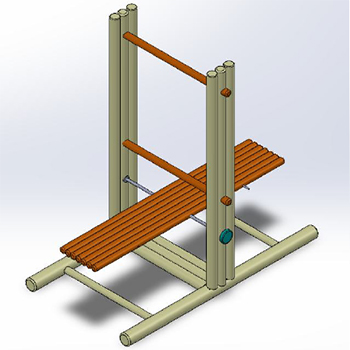
System Design- Play area furniture for Preschools using bamboo
by Rani Panit
by Rani Panit
This system design project focuses on developing play area furniture for preschools using bamboo, emphasising safety, creativity, and sustainability. Children are naturally curious and active, constantly climbing and exploring their surroundings; hence, the furniture must be stable, durable, and proportionate to their size for comfortable use. To ensure safety, all designs will feature rounded edges and non-toxic, chemical-free finishes. The preschool environment aims to foster a positive and engaging learning atmosphere, with furniture that supports interactive play, imagination, and focus without occupying excessive space. Drawing inspiration from natural forms such as animals, flowers, the sun, moon, and stars, the furniture will spark creativity and storytelling among children. The playground furniture, particularly for pre-primary and primary age groups, will encourage physical activity through climbing, holding, and balancing, ensuring both excitement and safety. Using bamboo and plastic components that are stackable, colourful, and soft in appearance, the project seeks to create functional, safe, and playful furniture systems that enhance children’s holistic development while promoting sustainability and imaginative exploration.
Details >>
Design of a ‘make and play’ toy for children
by Rijesh K
by Rijesh K
Among the many definitions for “play”, child development expert Jorn Martin Steenhold’s “explanation” that play is an activity undertaken for its own sake characterised largely by its processes rather than end goals inspired me to work on this topic. As part of my initial studies, I tried to understand the different aspects of childhood, child developmental stages, types and stages of play, evolution of toys, types of toys, etc. from secondary sources. During the user studies and interactions with children, parents and teachers, I understood their play preferences and the types of play materials and toys they interact with every day. Among these, the most recurrent behaviour among children was to ‘make’ and ‘break’ things. This led me to explore the segment of toys commonly referred to as toys for ‘constructive play’. Another aspect of my study was to explore the nature of ‘goal-orientated’ or ‘open-ended’ toys and arrive at an ‘object of play’ that can provide opportunities for both types of play.
Details >>
Classroom to community- Adapting primary school furniture for elderly recreational activities
by Rijesh K
by Rijesh K
Over the course of this project, the design brief evolved through multiple iterations, reflecting a growing understanding of user needs and design priorities. Initially, the focus was on creating a solution that catered equally to both children and the elderly. However, as the research progressed, it became evident that each group had distinct and complex requirements, making it necessary to clearly define primary and secondary users. This shift in approach led to a more focused and practical design direction, where the primary emphasis was placed on developing classroom furniture tailored to children’s needs, while ensuring that the design could be adaptable and accessible for elderly users as well. This refined perspective helped in achieving a balanced, inclusive, and user-centred design outcome.
Details >>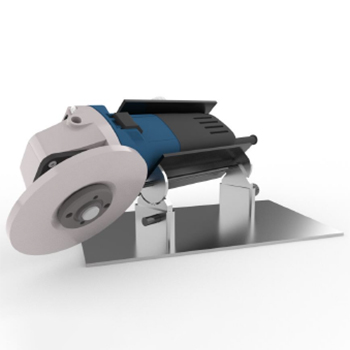
Cutting Guide for Angle Grinder
by Ritik Verma
by Ritik Verma
This project focuses on the design and development of an add-on guiding tool for an angle grinder machine to enhance precision and safety during tile cutting. Tiles are widely used in residential spaces for floors, walls, and staircases, yet the sharp, unfinished edges often pose safety risks, particularly for children. The existing methods of chamfering and moulding tiles are time-consuming and require skilled labour, making them impractical for many users. To address this, the project aims to create an efficient external attachment that simplifies the tile cutting process, reduces hazards, and improves the overall finish and aesthetics of tiled surfaces. By combining functional design with safety and usability, the proposed guiding tool seeks to make tile installation more accessible, accurate, and secure for residential applications.
Details >>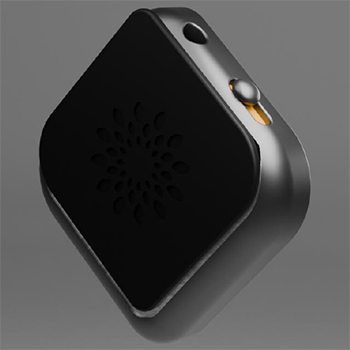
BreezySure- Breath Monitoring device for asthma patients
by Ritik Verma
by Ritik Verma
This project presents BreezySure, an innovative breath monitoring biosensor designed to enhance asthma management through user-centred design. Recognising that existing medical devices often appear clinical and discourage consistent use, BreezySure focuses on comfort, aesthetics, and intuitive interaction to promote daily engagement. The device combines ergonomic design, ease of maintenance, and a visually appealing form to foster curiosity and awareness about respiratory health. By providing real-time feedback and encouraging regular use, BreezySure aims to improve adherence to asthma management practices, empower users to take control of their well-being, and transform medical monitoring into a more accessible and motivating experience.
Details >>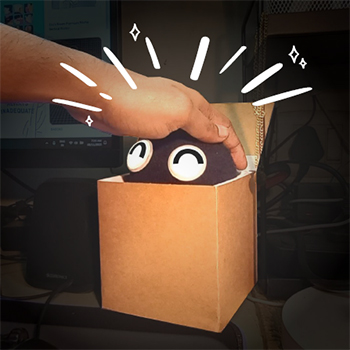
MIU- The SHYbot- A shy interactive deskpet
by Siladitya Samir
by Siladitya Samir
This report introduces the design and functionality of a novel product—an interactive desk pet engineered to encourage healthy computer habits. The "Shy Interactive DeskPet" serves as a gentle reminder system, fostering user awareness of prolonged screen exposure and promoting timely breaks to mitigate long-term health risks associated with extended computer use. Through intuitive cues and subtle interactions, the DeskPet employs nonintrusive nudges to remind users that it's been a while that they have been sitting in front of a screen and they could use a break. This report outlines the design process, user interface, functionality, and the underlying principles driving its development, emphasising its potential to contribute positively to users' health and habits in the digital age.
Details >>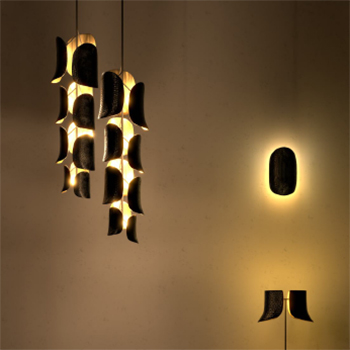
Kopou- Lighting design- Exploration with bellmetal of Assam
by Siladitya Samir
by Siladitya Samir
The ancient art of bell metal craftsmanship in Sarthebari, Assam, has a rich legacy dating back to the 7th century, making it a cultural treasure of India. However, the traditional techniques used by artisans have faced challenges in adapting to modern demands, leading to stagnation in product innovation. The difficulty of working with bell metal, combined with the artisans' adherence to age-old methods, has limited their ability to create new forms beyond the traditional and auspicious items they are known for. Moreover, the livelihoods of these artisans have been further threatened by mass manufacturers who replicate their designs and sell them at lower prices, diluting the authenticity and value of the original craftsmanship. In response to these challenges, this project aims to introduce a new product line focused on lighting design, leveraging the inherent qualities of bell metal while respecting and preserving the traditional techniques of production. By collaborating closely with the artisans, this initiative seeks to create contemporary lighting fixtures that showcase the unique beauty and resilience of bell metal, thus opening up new markets and opportunities for the artisans without compromising their heritage or craftsmanship. Through this endeavour, we aim to not only revitalise the bell metal industry in Sarthebari but also empower the artisans to sustain their livelihoods while preserving and promoting a centuries-old art form.
Details >>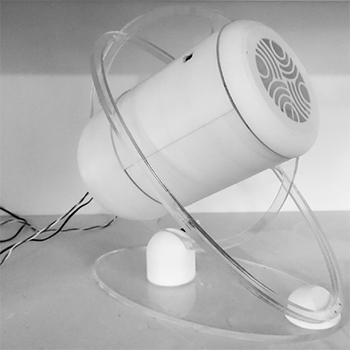
Non-evaporative Compact Cooler for Students
by Souvik Das
by Souvik Das
This project introduces an innovative solution tailored to the cooling needs of students residing in hostels and paying guest (PG) accommodations, where the luxury of full-fledged air conditioning is often financially prohibitive. Unlike conventional evaporative coolers, this innovative system operates effectively in high-humidity environments. It ensures optimal thermal comfort without relying on water evaporation, making it a suitable and reliable solution for regions with elevated humidity levels. This project seeks to enhance the living conditions of students in hostel and PG environments by providing an effective, affordable, and humidity-resilient cooling solution. By making such innovations accessible, the goal is to improve the overall well-being and productivity of students while promoting energy efficiency and environmental responsibility in humid climates.
Details >>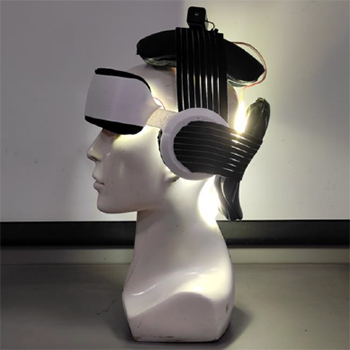
A personal aid to treat Parkinson’s Disease
by Souvik Das
by Souvik Das
Parkinson's disease (PD) presents a complex array of symptoms affecting both motor and non-motor functions, often challenging patients' quality of life. This project aims to develop a novel wearable photobiomodulation (PBM) device targeting key areas affected by PD, specifically the brain and gut, to alleviate symptoms and improve overall well-being. Drawing insights from extensive research on PD pathology and treatment modalities, as well as user-centred design principles, the project focuses on creating two distinct wearable devices: headgear for brain treatment and a belt-like device for gut therapy. These devices incorporate PBM technology, emitting therapeutic wavelengths, including 650 nm, 810 nm, 904 nm, and 1076 nm, proven to aid in PD management. The design process involves iterative prototyping and testing, considering factors such as comfort, usability, styling, etc. Anthropometric data analysis guides the sizing and customisation of the devices to accommodate a diverse range of users. Furthermore, consultation with electronics fabrication experts ensures the integration of high-quality components for reliable performance. Overall, the development of these wearable PBM devices holds promise in providing accessible and effective adjunctive therapy for individuals with PD, addressing both motor and non-motor symptoms to improve their quality of life.
Details >>
OCLEAR - An Indoor Air Purifier
by Sukhadev Mohanlal Kumavat
by Sukhadev Mohanlal Kumavat
This project focuses on designing an indoor air purifier that enhances user experience and encourages regular use while spreading awareness about air quality and health. India faces severe air pollution challenges due to industrialization, urbanization, and traditional household practices, making indoor pollution a critical yet often overlooked issue. The proposed air purifier aims to be intuitive, user-friendly, and aesthetically appealing, integrating considerations of usability, ergonomics, serviceability, and visual semantics. By creating a design that invites curiosity and engagement, the project seeks to promote healthier living environments and demonstrate the essential role of air purifiers in improving overall well-being amidst the growing global air quality crisis.
Details >>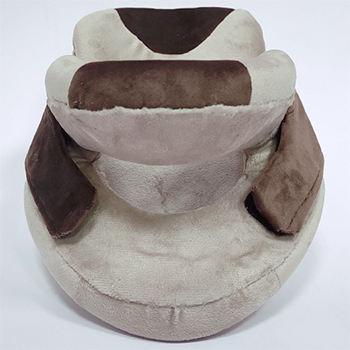
Assistive Sleeping Aid for People with Ataxia
by Sukhadev Mohanlal Kumavat
by Sukhadev Mohanlal Kumavat
This project was undertaken to understand the design process involved in creating products for general consumers, with a specific focus on developing an assistive sleeping aid for people with ataxia. The objective was to design a wearable product that provides neck support to help individuals with ataxia achieve better sleep while considering aspects such as usability, ergonomics, aesthetics, and visual semantics. The project was guided by research-based insights into user needs and challenges associated with the disorder. Although ataxia is a rare neurological condition with varying prevalence worldwide, it significantly impacts coordination and movement. As there is currently no cure, management focuses on symptom relief and improving quality of life through therapies and assistive devices. This project aims to contribute to that effort by offering a comfort-orientated, user-friendly solution that enhances rest and overall well-being for individuals living with ataxia.
Details >>
Principle Of Tensegrity
by Tarun Pahadiya
by Tarun Pahadiya
The core intention of this project centred on an in-depth exploration of tensegrity principles, with the ultimate goal of translating this knowledge into the creation of an industrial product. The specific objective revolved around the effective application of tensegrity principles in a manner where traditional structures fall short, highlighting the unique strengths of tensegrity in practical design. The intended impact of this project is threefold: to usher in innovation within design paradigms by leveraging the inherent strengths of tensegrity, to offer a product that not only showcases aesthetic appeal but also functional utility through its motion and structural novelty, and to broaden the application of tensegrity principles in a tangible, accessible manner. The vision encompasses achieving the perfect equilibrium between aesthetics, motion capabilities, and novelty, thereby establishing a new benchmark in design innovation through the application of tensegrity principles.
Details >>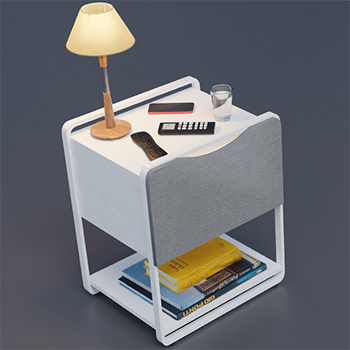
Adaptable Recliner Bed
by Tarun Pahadiya
by Tarun Pahadiya
The “Adaptable Recliner Bed” project, developed in collaboration with Recliners India under the guidance of Prof. B. K. Chakravarthy, focuses on designing an ergonomic, smart, and versatile bed that enhances both sleep and productivity. Aimed at meeting diverse user needs, the bed integrates adjustable firmness, temperature, and posture settings through manual or automated controls, promoting comfort and health. Emphasising a DIY and user-centric approach, the design encourages personalisation and ownership. Extensive research—through market studies, interviews, and user testing—revealed a growing demand for adaptable, health-orientated furniture. The final design combines advanced ergonomics, sleek aesthetics, and smart technology, resulting in a modern product that fits various interiors. This project showcases how interdisciplinary collaboration and user-focused innovation can redefine everyday comfort and set new benchmarks in smart, ergonomic furniture design.
Details >>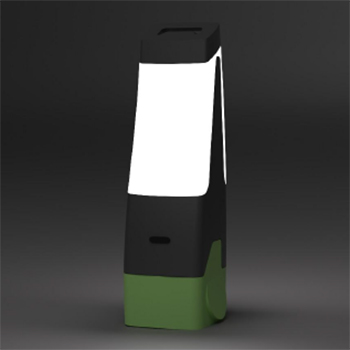
Reimaging of Camping Lights with enhanced portability
by Vasa Padmanabham
by Vasa Padmanabham
Camping has evolved into an adventurous recreational activity, experiencing a notable surge in popularity since the early 2000s and continuing its upward trajectory to date. The camping equipment market has responded with the mass production of reliable and robust gear, particularly in the realm of camping and hiking. While advancements have been witnessed across various camping accessories, the design of camping lights has seen minimal evolution and innovation. The need for a fresh perspective on camping lights is underscored by the booming demand for enhanced recreational experiences and the pursuit of innovation within the outdoor industry. The camping equipment market has undergone significant transformations over the years, with innovations using advanced materials and ergonomic and sustainable designs. The research aims to introduce modular adaptability in camping lights, thereby offering a personalised and efficient lighting solution for campers. The brief idea is to catalyse camping lights that elevate the overall camping experience through functionality and portability.
Details >>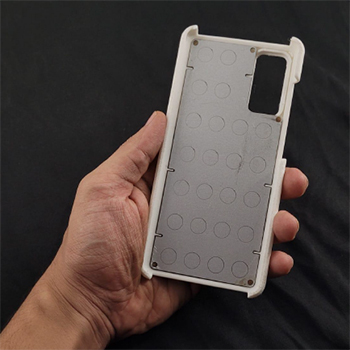
Assistive Touch Stylus for People with Tremors
by Vasa Padmanabham
by Vasa Padmanabham
The project “Enhanced Mobile Phone Accessibility for Tremor-Related Conditions” focuses on designing a specialised stylus to assist individuals with neurological disorders such as ataxia and Parkinson’s disease, who experience tremors that hinder effective mobile phone use. Recognising the vital role of mobile devices in daily life, the project aims to enhance digital accessibility and independence for this demographic. Through collaboration with neurologists and patient advocacy groups, the design integrates scientific principles to counteract involuntary movements, ensuring ease of use and comfort. By addressing the specific challenges faced by users with tremors, the project seeks to improve their interaction with touchscreens, promoting greater autonomy, inclusivity, and quality of life through thoughtful, user-centred design.
Details >>
Aadhar- Trunk stability product for Patient Ataxia in sitting posture
by Kulkarni Vedang Uday
by Kulkarni Vedang Uday
This project presents a trunk stability product designed to improve seated posture and stability for individuals with ataxia, a neurological disorder that impairs coordination and balance. Focusing on ergonomic design and user comfort, the product features adjustable support mechanisms to accommodate varying severity levels and individual needs. Incorporating assistive technology and biofeedback, it enhances user engagement and promotes better posture during prolonged sitting. Developed through collaboration with healthcare professionals and refined via user feedback, the design addresses a significant gap in existing assistive devices for ataxia patients. The trunk stability product represents a meaningful advancement in assistive technology, aiming to foster independence, confidence, and improved quality of life for those living with ataxia.
Details >>
Solar Room Air Heater- Heating Solution for Schools in Ladakh
by Kulkarni Vedang Uday
by Kulkarni Vedang Uday
This project focuses on designing a solar room air heater to meet the heating needs of Turtuk Valley School in Ladakh, ensuring a comfortable learning environment during the region’s harsh winters. Developed in collaboration with the Mechanical Department, the design integrates a solar air heater panel by Prof. Rane, which captures solar energy and circulates warm air through a custom-designed suction fan and diffuser system. Field visits to Ladakh provided crucial insights into local climate, culture, and architecture, shaping a solution tailored to the school’s context. Guided by Prof. Prabhu and Prof. B. K. Chakravarthy, the project involved extensive testing to optimise efficiency and reliability. The final prototype offers a sustainable, cost-effective, and eco-friendly heating system, demonstrating how interdisciplinary design and renewable energy can enhance comfort, reduce carbon footprint, and serve as a scalable model for cold, remote regions.
Details >>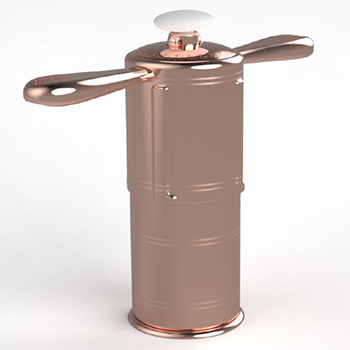
Redesign of Idiyappam Maker for User-Friendly Culinary Experience
by Wasim Salih Thari
by Wasim Salih Thari
This industrial design project endeavours to transform the conventional idiyappam maker, addressing current usability challenges and enhancing the overall user experience. Through a comprehensive exploration of user requirements and preferences, the project prioritises refining essential design elements, including mechanism efficiency, stability, and seamless dough feeding, aiming to streamline the idiyappam-making process. Innovative features such as body weight assistance and controlled use of mechanical stored energy are incorporated into the redesigned idiyappam maker, aiming to minimise user effort, alleviate fatigue, and introduce a more enjoyable and efficient culinary experience. Valuable insights obtained from user interviews and usability testing guide the development of design concepts, with a specific focus on creating a versatile and accessible kitchen tool tailored for South Indian households. This project represents a significant advancement in improving the usability, comfort, and functionality of the idiyappam maker, contributing to the evolution of traditional culinary tools through meticulous industrial design.
Details >>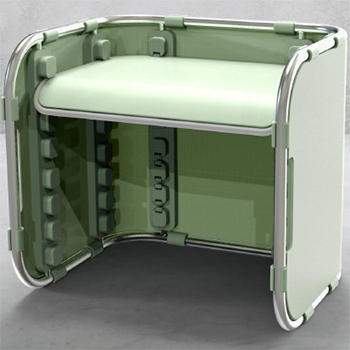
Sustainable Modular Adaptable Furniture for Children
by Wasim Salih Thari
by Wasim Salih Thari
The project "Sustainable Modular Adaptable Furniture for Children" is an exploration driven by the observation of constant change in our surroundings and the recognition of its impacts on our lives. By studying the evolution of children and their furniture needs, the project seeks to address the shortcomings of existing furniture solutions, particularly for urban environments. The aim is to design adaptable furniture that grows with children, providing a flexible and affordable solution that accommodates their development from early childhood through adolescence. This project emphasises sustainability, functionality, and affordability by aiming to create furniture that adapts to diverse needs, maximises space, and contributes positively to the well-being and independence of children and their families.
Details >>