Product Design 2009-2018
Batch 2012-2014
(49 items)

Batch 2014-2016
(48 items)

Batch 2008-2010
(26 items)
Batch 2015-2017
(55 items)
Batch 2013-2015
(52 items)
Batch
(1 items)
Batch 2007-2009
(55 items)
Batch 2017-2019
(51 items)
Product Design 2009-2018
2012-2014
(49 items)
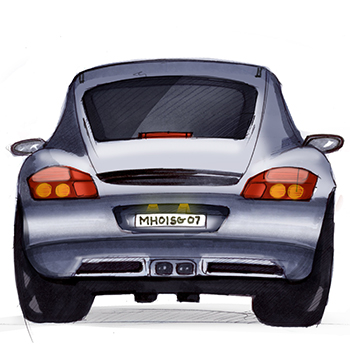
Signature Tail Lights
by Amol Pakhale
by Amol Pakhale
The objective of this research project was to document the people’s feelings and understand the inclusion and connectedness in signature tail lights of a vehicle using some case studies as a medium within the constraints of the project description. A concept of signature tail lights has been already developed in the history of automotive industry to add a brand value to the company. Through this process report, the author will explain the documentation for the project, analyzing some example through case studies, existing concepts and forms of selfexpression as a designer. The journey will then take you through the process of how the concept of signature tail lights evolved through generations and the concrete nature of which came into being through academic research, thought and analyses. The report explains all the relevant aspects of this subject. Details and insights on the research methodology results will be found in this report.
Details >>
Hands on science & Core of economics
by Amol Pakhale
by Amol Pakhale
Since the last three decades and more, Eklavya has been striving to translate this dream into a lived reality for all children. Working towards the goal of social change through meaningful education, it conducts researches and evolves curricular models at the micro level and attempts to implement them in the mainstream system to bring about change in the school education system in India. Since my childhood I had touch with this organization through my schools and here in IDC I got to know more about this organization from Prof. Raja Mohanty. So my past willingness to work with this organization becomes true through this internship programme. Eklavya was set up in 1982 as a non-government registered society. From the onset, it took up the academic responsibilities of the landmark Hoshangabad Science Teaching Programme (HSTP), then being jointly run by the state government and two voluntary organizations, Kishore Bharati and Friends Rural Centre. Alongside, it developed and implemented the innovative Social Science Teaching Programme and the Primary Education Programme (PRASHIKA) in the government schools of Madhya Pradesh. More recently it worked with the National Council of Educational Research and Internship (NCERT) in developing the National Curriculum Framework (NCF) 2005 and the syllabuses and textbooks based on the NCF. Eklavya continues to actively seed and develop academic programmes for curricular change in elementary education, at the micro level, and mainstream them through government and non-government agencies. It has now initiated work in curricular research and material development in language and math in the primary stages and science and social sciences in the high school stages. This work of curricular critique, research and material development fuels its ongoing engagements with the State Councils of Educational Research and Internship (SCERTs) of Bihar, Chhattisgarh, Rajasthan, Kerala and Andhra Pradesh in providing them academic resource support in developing curricula and textbooks in various subject areas. Teacher professional development is another area that Eklavya is engaged with through research, material development and conducting teacher capacity building workshops. Eklavya also works with the community in about 100 villages in five districts of Madhya Pradesh to run learning centres (Shiksha Protsahan Kendras) for first generation school-goers. This attempt to enhance community involvement in education and build linkages with the government schools to demand quality and efficiency. In addition, 70 libraries in government middle schools spread over 6 districts in Madhya Pradesh try to entrust the ownership and management of the libraries in the hands of children. Regular reading-writing activities in the libraries are also positively impact the learning of language and other subjects in children. (Eklavya introduction n.d.)
Details >>
Mass manufacturing building components for affordable housing
by Amol Pakhale
by Amol Pakhale
Now a day’s houses are not affordable due to high land value and lack of mass production in building components. Mass production not only reduces the price of component but it also provides high quality surface finish at very less period of time.The idea is to design and develop mass producible building components like door – window, balcony, staircase, plumbing and electrical systems etc, which can help us to reduce the overall cost and time during construction, which would help us to make houses affordable for lower middle class people.Many cost effective and time saving alternatives are explored prior to implementation of mass manufacturing components for housing during this
program and that could be implemented with high time and high technological research. Some of these alternatives may be discarded after little study; some
appear immediately attractive; and others must be studied at some length before their attractiveness can be evaluated.This project identifies the need of a faster system of housing delivery and attempts to determine the appropriate form, process and techniques for industrialized
housing, which can cater the need, in Indian context.
Details >>
Accommodation system seat/berth layout for force ventilated air cooled coaches of Indian Railways
by Amol Pakhale
by Amol Pakhale
The objective of this design project is to explore ways of increasing people’s comfort and connectedness in a public and private space using a good accommodation system concept as a medium within the constraints of the
project description as per the Indian Railway scenario.
The interior design, sleeper comfort and manufacture efficient design for reduced energy consumption are the three essential factors for a successful operation in the competitive world. Scientific design of sleepers for increased comfort of the passengers is seldom seen.
The overall aim of this project was to design a ‘Force ventilated air cooled sleeper coach’ with enhanced interior, reduced mismanagement in accommodation and increased comfort for the passengers. Design of passenger coaches must combine the state-of-the-art technology and the best of aesthetics with an Indian touch. Through this process report, the author will explain
the design process for the project, analyzing for example existing design of self-expression in public spaces. The journey will then take you through the process of how the concept came into being through rigorous academic
research, user study, thought and analyses. The report explains all the relevant aspects of these processes.
Details of and insights on the research methodology results will be found in the final design of the project.
Details >>
A Visual Ethnography on Cashew factory workers of Kerala
by Arun Raj R S
by Arun Raj R S
Kollam in Kerala is known as ‘The cashew capital of India’. It holds a major share in the total cashew produced and exported. With around a hundred cashew processing factories both managed by the government and private groups, the cashew sector gives employment to more than 40,000 workers. Surprisingly, 95% of them are women. These people have been working in the factories throughout their life and it is carried over by the next generations. The KSCDC Elampalloor factory is around 300 metres from my home and I never got any chance to see what is happening in the factory even though I see lot of women going to the factory for the work. This project is a study on the culture, behaviour and life of the working population in cashew factories.
Details >>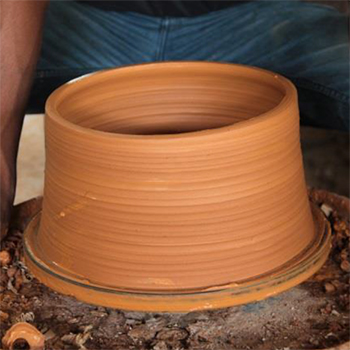
Explorations in potter’s wheel and design of a tea-set
by Arun Raj R S
by Arun Raj R S
Visva-Bharati University is one of India's major Central Govt. funded autonomous university located in Santiniketan,West Bengal. It was founded by Rabindranath Tagore who called it Visva Bharati, which means the communion of the world with India. Silpa-sadana is the one of the department coming under Visva –bharati university, which is founded by Rathindranath Tagore in 1921.He is the youngest son of Rabindranath Tagore. Silpa-Sadana is a pioneering institute in India in developing cottage and small scale industries. It has two units: Training and Extension Wing. Shantiniketan one of the renowned place in India for art and crafts being an engineer turned design student, I would like to expose myself in crafts and craft based design for a holistic design approach. which would introduce me to a new perspective of product design. Also from my two experience in Industry and from the discussion and suggestions from Prof.Rao, Prof.Sandesh and Prof.Kumar Esan the idea of doing the internship in Santhinikethan seems convincing . As a product design student I am very keen to work with lighting design, and from the facilities of shantinikethan pottery is one of the suitable medium to pursue my interest. Hence I choose ceramics as my area of internship
Details >>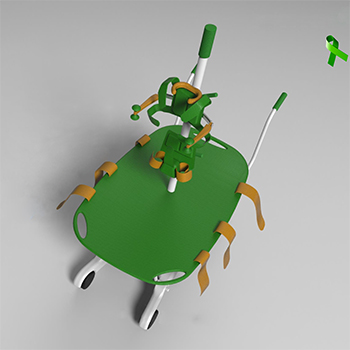
Redesign of a Vestibulator for the children with Cerebral Palsy
by Arun Raj R S
by Arun Raj R S
The aim of this project is to redesign a therapeutic equipment for treating children with Cerebral Palsy. CP or Cerebral (brain) Palsy (malfunctioning) is a birth related disorder in children which damages specific parts of the brain which controls their posture, muscle movement and co-ordination. An organ called the vestibular organ behind our ear gives the sense of balance, posture and co-ordination in us. This organ malfunctions in the children with CP. So, these children may not be able to sit, stand or walk depending on the severity of their CP. Hence, we need to assist these children. They can be brought to a better life by treating them with therapeutic exercises that can externally stimulate the vestibular organ. This product stimulates the vestibular organ of the CP affected children in three different axes through linear, gravitational, rotational and tilting motions in different combinations of postures like sitting, standing, kneeling, prone, supine and quadruped. The ‘redesign’ is developed by bench marking the vestibulator designed by Dr. Sayyed Ali Hosseini (as part of his P.hD programme at Industrial Design Centre, IIT Bombay, 2007). Also, the parallel products in the market were also studied. The redesign is suited for physiotherapeutic centre scenario for treating children with 2-6 years of age. Betterment of the CP children are the primary concern.
Details >>
Design of a platform safety system for passengers in Indian Railways
by Arun Raj R S
by Arun Raj R S
Indian Railways are one of the largest networks in the world which carries millions of people day by day from place to place. Such a big network is very difficult to handle. It has to address all the needs of the travelling population. So from these needs, what should be in the top priority? When we travel from place to place our prime need is to reach safely. So it is the main problem that has to be addressed in an area which is dealing with lot of people’s life. So when we travel in the train, these questions come to our mind. Are we safe in the train? Do the authorities take any measures to make us safe in the travel? If not, what can be done to make that train travel safe? All these questions directed towards the need for a system of safety in the railways. To figure out where the problem lies and how can we solve the problem through design thinking. So this project is aimed at a high level of safety for the Passengers in Indian Railways. And in the journey, the project was focussed into the passenger safety in Mumbai sub-urban rail. Mumbai sub-urban stations, trains, its passengers and their behaviour were studied to focus on a main problem. The gap between the train and the platform was identified as a major problem in the design. A platform gap filler was designed to give maximum safety and to prevent the commuters falling into the gap between the train and the platform while boarding and alighting the trains.
Details >>
Design Management: Analysis & Recommendations for Design and Degree Show
by Avinash Jayakumar
by Avinash Jayakumar
This document presents a concise overview of the learning and recommendations from Design and Degree Show 2014. It is meant to act as a broad guide for future Design and Degree Shows to be organised by IDC. It is assumed that the current trend of organising a degree show exhibition combined with a conference will be continued, however the format of the same has not been commented upon in order to maintain a guideline that is applicable broadly. It’s recommendations and guidelines are drawn from my pesonal experiences as one of the Overall Coordinators of Design and Degree Show 2014. The report presents an overview of the all the teams involved in organising the Design and Degree Show at IDC and their essential functions, along with suggesting prudent ways to plan and execute schedules. The main recommendations are that the show should be combined and organised as the flagship show of IDC and held annually. The document also recommends that students start planning the event and contacting speakers and sponsors around mid-September. The event should also be held only in VMCC, IIT Bombay and the Nehru Centre phase should be scrappedfor future shows due to logistical troubles and increased participation of public and industry at the IIT Bombay event in recent years.
Details >>
Waste Management Solutions for Mumbai
by Avinash Jayakumar
by Avinash Jayakumar
Solid Waste management is a global issue requiring urgent attention. It is a particularly severe problem in Indian cities like Mumbai as the overwhelming population and continuous growth combined with poor management strategies by local government leads to visible garbage pile-up almost everywhere, causing reduction in quality of life for citizens. Existing ‘pick-up and dump strategies’ are ineffective due to the lack of space, and negative environmental side effects of landfills. There is an urgent need to reduce the quantity of waste being sent to landfills. The study undertaken by this project has shown that littering is also common because existing dustbin solutions are not user-friendly, have no visibility and are poorly deployed. This project studies the context of the current problem and offers implementable design solutions to allow more effective solid waste management through increased segregation to reduce landfill waste, proper disposal of solid waste by citizens through higher bin visibility, and improving civic sense through education.
Details >>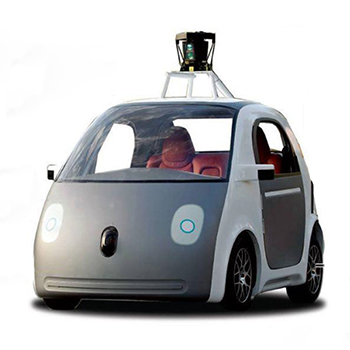
Study of communication systems Used in new generation personal Car
by Avinash Prabhune
by Avinash Prabhune
When human discovered wheel and its applications; since then his progress takes a fast track. Today Personal mobility became very important part of our day to day life; although the fuel shortage and global worming going to became big issues in next coming decade. The new revolution in the automobile technology is on the door step, very efficient electric batteries and advance computing technology making automobile very efficient. The companies like “google” taking interest in the driverless car technology. Very soon we are going to see the smart vehicles which ensuring the safety and fast transportation In the near future car can predict the traffic density and plan your trip accordingly. The real time data about road, city, car health condition, will be processed by inbuilt computer and helping us to manage efficient transport system. Smart phones allow us to connect anybody in the world, imagine what if your car able to communicate with you and give status updates about maintenance schedule of itself? Isn't it great!
Details >>
Summer Internship at Integral Enterprises Auroville
by Avinash Prabhune
by Avinash Prabhune
Auroville (City of Dawn) is situated along the coast of Tamil Nadu and was founded in 1968 by Mirra Alfassa, a disciple of Shri Aurobindo Ghosh. The township was designed by architect Roger Anger. Auroville has a number of small scale industries that are heavily based on traditional arts & crafts. Units associated with theAuroville foundation design, manufacture and distribute products such as scented candles, incense sticks, soaps and naturalcosmetics, pottery and ceramic ware, gemstone jewellery, wooden furniture, food products such as cheese and baked goods, etc. There is also a presence in the leather products industry, with a major brand such as Hidesign being based close to Auroville.
Details >>
Solar Cooker For High Rise Buildings
by Avinash Prabhune
by Avinash Prabhune
The LPG price hikes every month triggered the thought on Solar Energy which could be a clean and abundant source of energy. There are many types of solar cookers available in the market, but they are not that efficient. Each one has its own pros and cons. In a rapidly urbanizing India, the user segment this product is targeted towards are the people who live in high rise buildings because they don’t have space to use solar cooker and the old solar cookers fail to match their fast-paced life style. For using present type of solar cookers, the users need to have open space where they will get continuous sun light and the users need to track the sun all day. All these usability issues are the reason why urban users are not willing to consider this as an alternative to conventional cooking methods. This new kind of solar cooker will be mountable in the window or wall like a window AC, while facing towards south where sun is available all year round. Thus the accessibility becomes very easy from inside the house itself and the users need not go out. The cylindrical form provides uniform sunlight all day long. The ‘Dabba’ perception about the box-type of solar cooker has been broken by this new design. The efficiency has been improved and the time taken for cooking is drastically reduced, as compared to any other kind of solar cooker.
Details >>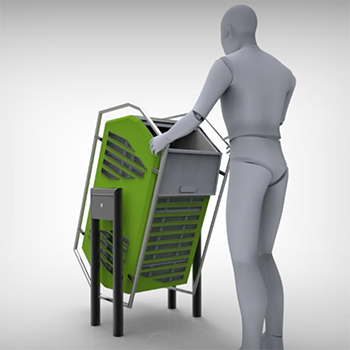
Design a Vermicompost Unit For Housing Society
by Avinash Prabhune
by Avinash Prabhune
The global view of waste management is disturbing. As the world's population has increased and become more urban and affluent, the production of waste has heightened by alarming rates - which in turn is a major cause of concern since it is an evidence of overuse of natural resources. Discarded materials, the byproduct of excessive consumption, are being produced faster than other environmental pollutants or harmful gases. Today, solid-waste management is one of the highest expenses to municipal financial plan. Waste problem is more grave in emerging cities rather than in rural areas. Unless we tackle this serious issue adeptly, the planet will have to bear the brunt of increasing waste burden. The tonnes of rubbish clearly reflect that the present disposal and processing capacity is probably not sufficient to deal with the rising growth of waste. Ironically, all these facts essentially point to one concern and it is perhaps of a greater consequence than anything else -the Basic Human Attitude. The seeds of this potential problem were sown quite early by our outlook towards waste and our ignorance in handling it. The importance of segregation of waste into wet and dry units is till now quite unknown to our society. That waste can be a source of value if handled efficiently is still unbeknownst to us. The aim of this project is therefore to motivate and educate the society to look at waste in a different perspective-in turn making each one of us responsible to understand – that recycling waste can be rewarding in terms of the output and give a sense of satisfaction in improving the health of our planet. This is achieved by looking at waste as a resource to obtain soil/compost of the finest fertilizing qualityby recycling the wet waste after segregation at a house-hold level through vermicomposting. The idea is to have a unit with the necessary components installed within the premises of a housing society to create a byproduct (vermicompost) for the residents which may eventually be marketable
Details >>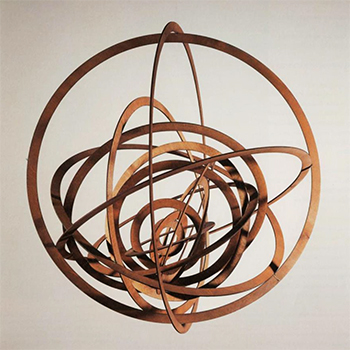
Study Of Kinetic Art
by Deepanwita Ghosh
by Deepanwita Ghosh
The topic for the Design Research Seminar is Study of Kinetic Art. This field of art caught my interest when I was previously working on an immersive light experience project for my curriculum. The works of U-Ram Choe, a kinetic artist from South Korea was very fascinating and inspiring. Thus it got me curious to go ahead with this project. The origin and developments in art and how kinetic art was formed was studied. The various ways in which movement was interpreted was noted and how the works of the artists in that era were influenced by ‘movement’ was studied. The works from the era of 1860 till today was researched and it was noted that the innovators in plastic arts have worked with a lot of different materials and technology as eras have passed transforming the image of movement in art into a genuine art of movement.
Details >>
Summer Internship at Integral Enterprises Auroville
by Deepanwita Ghosh
by Deepanwita Ghosh
Auroville (City of Dawn) is situated along the coast of Tamil Nadu and was founded in 1968 by Mirra Alfassa, a disciple of Shri Aurobindo Ghosh. The township was designed by architect Roger Anger. Auroville has a number of small scale industries that are heavily based on traditional arts & crafts. Units associated with theAuroville foundation design, manufacture and distribute products such as scented candles, incense sticks, soaps and naturalcosmetics, pottery and ceramic ware, gemstone jewellery, wooden furniture, food products such as cheese and baked goods, etc. There is also a presence in the leather products industry, with a major brand such as Hidesign being based close to Auroville.
Details >>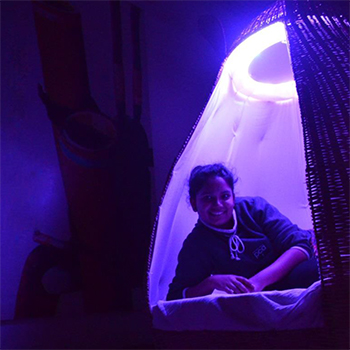
Immersive Light Experience
by Deepanwita Ghosh
by Deepanwita Ghosh
The idea of this project was to bring in the visual attributes of natural light (colour, illuminance and perception of motion) to create an immersive experience that helps a person to relax. So how can these visual attributes translate into relaxing a person? Relevant data was collected on light, relaxation, colour - for example - studies have revealed that colours have an effect on our cognitive responses and certain wavelengths help in calming the mind, a theory on which Chromatherapy is also based. Relaxing can be even more enjoyable if the light is soft. Information on immersiveness and its significance in any experience was also obtained during user studies and interviews. Finally all the research study was combined to get a comprehensive knowledge to bring out the Immersive Light Experience. The project brief and user details was then defined. Ideas were generated from which concepts were detailed and tested to simulate the desired effects to reach the final concept level.
Details >>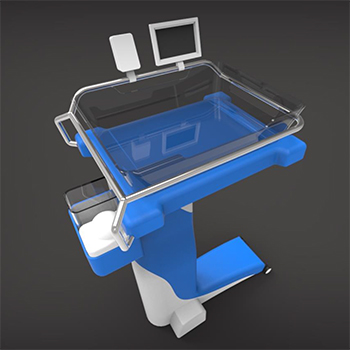
Redesign of CPAP Device
by Deepanwita Ghosh
by Deepanwita Ghosh
Recent studies and medical surveys on neonatal mortality have shown that India accounts for the maximum percentage of deaths among newborns worldwide, which is 28%. These newborn infants pass away primarily due to either of the following causes: infections due to prematurity, asphyxia, low birth weight, or pneumonia—complications that hospitals with low-end facilities cannot handle. Even if these infants stabilise and get discharged from the hospitals, they are susceptible to frequent chest respiratory infections and may have problems with asthma or other problems caused by the environment they go back to. The first 20–25 weeks after birth are a period of viability in which the infants are susceptible to acquiring infections if proper care is not taken. Three main reasons why, despite India’s growth, neonatal mortality rates remain high are: (i) socio-economic factors ii) a lack of infrastructure; iii) insufficient specialised staff for prenatal, postnatal, and post-natal care. Continuous Positive Airway Pressure (CPAP) equipment is a recent break-through innovation in the field of neonatology that is efficiently life-saving. The CPAP device is used in most developed countries to cure the causes of infant deaths mentioned previously. In spite of being a great boon, this equipment has some issues and problems associated with it that have been identified after studies and discussions with doctors. The objective of this project is therefore to facilitate the use of a CPAP device by making it compact, portable, easy to use, and easy to maintain. Use of the CPAP device in multiple directions was thought of, like during transit (emergency vans), in local clinics, where the accessibility of the people to obstetric care is much easier, and in hospitals, wherever its use is relevant and such that infant lives could be saved. The final concept arose from insights gained while considering the direction for establishing a local clinic.
Details >>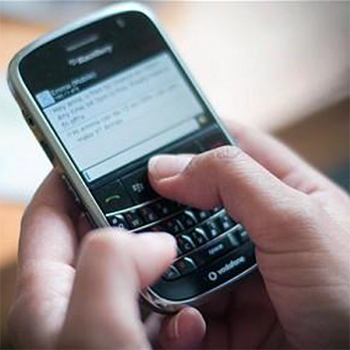
Muscular skeletal disorders associated with Micro Workstations
by Edu Mohan
by Edu Mohan
Telecommunication has taken a major leap since radio was invented and the first radio signals were transmitted in the 1901 . Ever since man has been trying to reduce size of the telecommunication devices and it has come to an era where every common man can afford a mobile telecommunication device . These devices also incorporated various other value additions like music players and cameras . This emerging trend has been serving man a great advantage as he can have everything he wants in his pocket . The shrinkage in dimensions has given an adverse effect to the humans because the human dimensions doesn’t change according to the new device coming in market . Hence the mismatch causes various musculoskeletal health issues along with other issues . This project aims to study and document a few of such musculoskeletal disorders caused by mobile telecommunication devices .
Details >>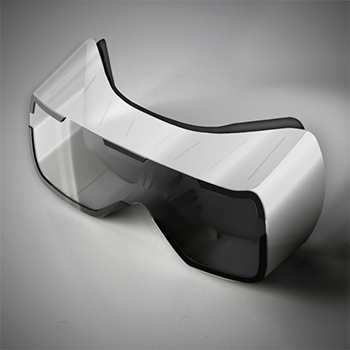
Summer Internship at UT-Darmstadt
by Edu Mohan
by Edu Mohan
ALARP is a consortium of companies and universities
from 5 European countries: Italy, Germany, Great Britain,
Austria and Israel.
This topic concentrates on conceptual models for
warning / alerting signals and devices with ergonomic
man-machine-interfaces (HMI). Safety of railway workers is a serious concern of most industrialized countries. Surface transport workers are facing very high risks since they often operate without service interruptions. The railway situation is even more peculiar, since vehicles are constrained to tracks and therefore drivers have much less margins to react in case of emergencies and therefore workers are much more
exposed to injuries and fatalities. This vision is supported
by many analyses and published reports
- Most staff fatalities and serious injuries continue to be as
a result of being hit by a train;
- Most staff member deaths occurred in open line
accidents, whereas most serious injuries to staff members
were incurred in accidents in stations.
Therefore safety requirements for railway trackside
workers are very strict and necessary.
In Germany today stationary railway automatic track
warning systems (ATWS) are being used at railway
construction sites. ALARP (A railway automatic track
warning system based on distributed personal mobile
terminals) is project partially funded by the European
Commission whose goal is the study, design and
development of a safety-critical Automatic Track Warning
System (ATWS) for railway track-side workers
Details >>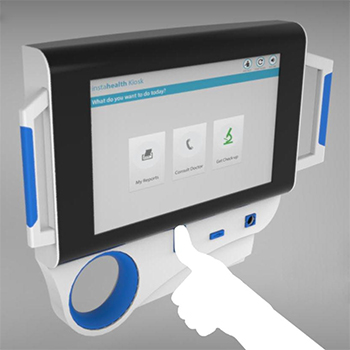
Designing of a primary health check up kiosk for HealthATM group
by Edu Mohan
by Edu Mohan
Health care has always been a primary concern for man. Health is not just mere absence of illness or diseases. It is a state of complete physical, mental, and social well-being (WHO, 1946). Due to the changing lifestyle of the population and with the growth in modernization, people are forced to lead a hurried day and maintain an unhealthy diet, thus leading to various health issues. The nature of these health problems are such that they affect both genders equally and in early ages leading to health deterioration. The major problem is that often initial discomfort is ignored. The visible symptoms appear too late to take a precautionary measure thus leading to a chronic condition. Hence awareness and frequent health checkups are necessary for remaining on the safer side of life. Providing easier means to take control of the health is the solution this project is proposing. The idea is to create an automated self-service health kiosk so that the consumer can have quick, convenient and affordable access to the knowledge of his state of wellness and avail primary and preventive services on time. The kiosk can be installed in high traffic areas such as malls, gyms and corporate lounges. People can take five to ten minutes out of their busy schedules to get a comprehensive primary health report. This report can be used as a baseline for future consultations if necessary. Thus people can take charge of their health condition and well being can be ensured.
Details >>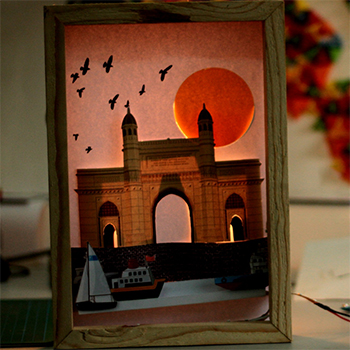
Creative engagement for the Autistic: A design approach
by Edu Mohan
by Edu Mohan
Autism Spectral Disorders(ASDs) are a range of neuropsychological disorders which affects an individual. One is born autistic due to various genetic, environmental and psychological conditions before, during and after birth. ASDs are non curable. The severity can be controlled by timely identification and appropriate therapeutic measures. In Indian context alone, the numbers go as high as one out of 88 children. ‘Shraddha’ is a non profit NGO, based at Mumbai, which is working towards the betterment of the situation of young autistic adults. The institution provides them with vocational training and involves their abilities creatively for making small products. These products are sold and the Shraddha students are given back a small incentive. The aim of my project was to work in close collaboration with Shraddha and come up with a range of products and also design the process through which these products can be created by the people at Shraddha, keeping in mind their abilities and disabilities.
Details >>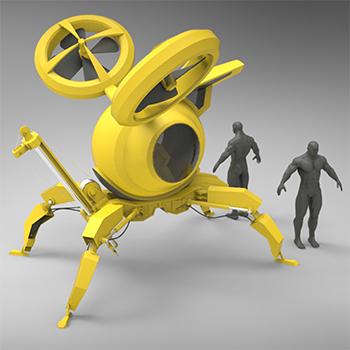
Nature and Form
by Nikhil Das K.V
by Nikhil Das K.V
Design research seminar project is a part of final semester at IDC, IITB. I have opted `Nature and Form’ for my area of project because of the tremendous interest in bio-mimicry. The main objective of this project is to study one organism in-depth and identify specific characteristics or parts of it and find a design application for the characteristic. Nature has solution for all kind of human needs. It is possible to solve all these needs by observing nature and how plants and animals tackle challenges of their environment. The word Biomimicry is very relevant in this present world technology and researches because nature is the best teacher who has gained experience through many years of evolution. The creative solution which inspired from the nature can be much more sustainable than others. The discipline of Biomimicry takes its name from the Greek words ‘bios’ which means life and ‘mimesis’ which means to imitate. As its name might suggest, Biomimicry involves the study of nature’s designs and mimicking them to solve human challenges. Janine Benyus, one of biomimicry’s pioneers defines it as ‘innovation inspired by nature’
Details >>
Exploration in Ceramics and development of flower pot cum lighting product
by Nikhil Das K.V
by Nikhil Das K.V
Visva-Bharati University is one of India's major Central Govt. funded autonomous university located in Santiniketan,West Bengal. It was founded by Rabindranath Tagore who called it Visva Bharati, which means the communion of the world with India. Silpa-sadana is the one of the department coming under Visva –bharati university, which is founded by Rathindranath Tagore in 1921.He is the youngest son of Rabindranath Tagore. Silpa-Sadana is a pioneering institute in India in developing cottage and small scale industries. It has two units: Training and Extension Wing. Shantiniketan one of the renowned place in India for art and crafts being an engineer turned design student, I would like to expose myself in crafts and craft based design for a holistic design approach. which would introduce me to a new perspective of product design. Also from my two experience in Industry and from the discussion and suggestions from Prof.Rao, Prof.Sandesh and Prof.Kumar Esan the idea of doing the internship in Santhinikethan seems convincing . As a product design student I am very keen to work with lighting design, and from the facilities of shantinikethan pottery is one of the suitable medium to pursue my interest. Hence I choose ceramics as my area of internship
Details >>
Household Aquaponics system
by Nikhil Das K.V
by Nikhil Das K.V
The project is aimed at studying aquaponics, implementing it in urban context and promoting the technology through this urban home product. The urban population has less access and opportunity to farming due to space, resources and time constraints. The Aquaponics technology has been in existence for over the last 3 decades, yet it is not so common to the masses. In a developing country like India, where the balance between the rural and urban population, is rapidly shifting towards the latter, issues like food insecurity becomes a major concern. Urban farming is the one answer to solve this problem and it takes conscious effort for that. The product could be used as a serious farming as well as a hobby/destressing element in the urban homes.
Details >>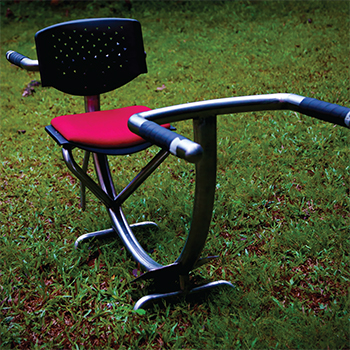
Barrier Free Ajanta: Resign of Palanquin System
by Nikhil Das K.V
by Nikhil Das K.V
‘Barrier free Ajanta’ is aimed to design and develop an accessible system which will resolve the existing accessibility issues of Ajanta caves, a world famous historic monument at Fardapur in Aurangabad District of Maharashtra. The Ajanta caves are a complex of 30 rock-cut Buddhist caves containing paintings and sculptures which is a perfect example of Indian art and tradition, especially Buddhist religious art. Ajanta Caves have been a UNESCO World Heritage Site since 1983. Because of these reasons, thousands of pilgrims, foreign and domestic tourists visit this site every year. The visitors also include a large number of elderly and physically challenged people. For some, visiting Ajanta caves is akin to making a pilgrimage. But for the elderly and handicapped people, the rough terrain, steep inclinations and large number of steps makes this an arduous task. Just like other people, they also have equal rights to visit and enjoy these places. In this project, I have tried to conduct a detailed research on present accessibility systems and barriers in the existing scenario. My research and study is based on some design considerations. Primarily, the design should enhance accessibility of the elderly and people with disabilities. The new systems should not destroy the current livelihood of the porters and designed system should also keep Ajanta’s heritage value. The design should further reduce the porter’s efforts, and be part of a system that provides more safety and comfort to visitors. The palanquin system is the existing answer to these accessibility issues. The role of palanquin in Ajanta is tremendous. The existing palanquin is made from wood or bamboo by local carpenters or the porter himself and is carried by four male porters. The palanquin is the only accessible system for elderly and physically challenged people. Introducing a new system to this context will be difficult and impractical, so I focused on ‘redesign of palanquin system’ for the scope of my project.
Details >>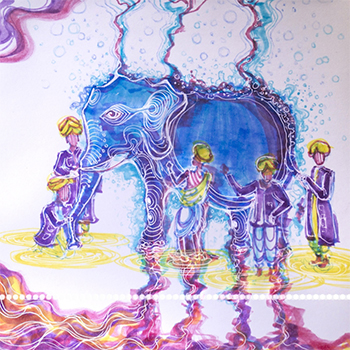
WAYs of Seeing
by Rahul Anand
by Rahul Anand
The project “WAYs of Seeing” by Rahul Anand (IDC, batch 2012–2014), supervised by Prof. Alka Hingorani, is a design research inquiry that experiments with flow and reinterprets modes of seeing, drawing from foundational visual culture writings by Susan Sontag and John Berger. The work sits in the product design/design research domain and seeks to explore how perception, narrative frames, and visual logic can be transformed into design artefacts or interventions.
Details >>
Summer Internship at LEDeG
by Rahul Anand
by Rahul Anand
In 1978, four years after Ladakh was opened to tourism, Helna Norbreg Hodge, Started the 'Ladakh Project' over the concern that the winds of change might prove too strong for the fragile roots of a culture that had developed tenaciously over the millennia in an equally fragile environment and change would need to be carefully guided. LEDeG has a Rural Building centre about 16 kms from its main office. The centre has various facilities to manufacture building materials ranging from CSEB blocks to Ferro cement roof vaults. It supplies these building materials to local construction sites. The rural building centre at Leh, has been trying to achieve quality CSEB blocks for quite some time (around two years).
Details >>
Designing Interactive Exhibits/Installations for Information Access
by Rahul Anand
by Rahul Anand
Exhibitions are spaces where emotional connections and experiences happen. As a child, I was fascinated with exhibitions, and science museums, because these were the spaces where information was experienced through moving, and getting involved with the objects. The joy of watching little turbines generating electricity in a dam model was unparalleled. These experiences and information was not available anywhere. A lot has changed since then. Information technology has made information and experiences available in the virtual world. Slick animations, websites and apps make all rich information accessible at your fingertips.
Details >>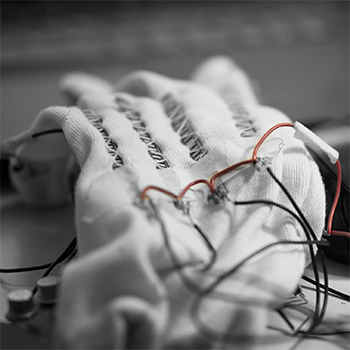
Understanding Wearable Computing Devices
by Rahul Anand
by Rahul Anand
What if you can have more than five senses to experience the world ? What if your direct perception of the world can be altered ? With Wearable computing devices this true augmentation of human capabilities is becoming ever more possible. These devices are changing the way we see, we perceive and do things. In recent years there has been an exponential rise in development of wearable products and it is considered as the next breakthrough technology in computing. It is important to understand the potential that wearables have to offer. Almost every day, a new wearable device sees the light of the day, but a majority of them have failed to make an impact over the people. What is the reason behind this failure? This research based project tries to understand why wearable computing is important and most importantly it raises questions , finds out the problems that wearables suffer from, currently. It tries to answer how these pitfalls can be avoided to create the next generation of successful wearable computing devices. A comprehensive literature study was done to understand
the history and development of wearable computers, the
visions proposed and what is the state of wearable as of
now. An analysis of over 500 devices, with focus on 20
different devices helped in assimilating the overall picture
of the current generation devices, their functions, target
areas and shortcomings. Over the course of project, the
author used four of the class leading wearable devices to
understand the benefits, and faults in them. To gauge the
importance of wear-ability, fashion, individual choices and
role of technology in our lives, a user survey involving 250+
users was conducted.
The findings of the research brought out the fact that when
computers are wearable, they become a part of our identity and become much more than just products. This calls
for a collaboration of product design, interaction. User experience design, fashion design and hardware engineers to
conceive and build devices together, to be able to cater to
each individual’s needs, choices and usage pattern. Moving beyond fitness trackers and phone repeaters, wearables
need to make use of breakthrough technology to change
the way we interact with information, data and execute
tasks using computers. Based on the inferences and understanding gained during research, a suitable use case scenario is identified and an experimental wearable product is devised responding to the scenario. A music creation glove which allows musicians to create, save, learn and share music on the fly was proposed and discussed with a set of music makers and possible users. The device was prototyped and during a survey, it was received well in its second version itself. Wearable devices have definitely come a long way, and with hardware becoming ever smaller and smarter, they are putting ever more power onto our bodies. Getting these devices right might be the key to solving a multitude of specific problems that people suffer from, ranging from algorithm assisted artificial limbs to replacing the screens and their limited size to consume and create information.
Details >>
Stereotypical Character Design in Indian Context
by Shashank N. Sawant
by Shashank N. Sawant
Stereotyping is defined as an "oversimplified attitude people hold toward those outside one's own experience who are different.” Stereotypes arise as a result of incomplete or distorted information accepted as fact without question. A stereotype is simply a widely held belief that an individual is a member of a certain group based on characteristics. Due to the process of over-generalization within social perception, stereotyping leads to a great deal of inaccuracy in social perception. Sex, race, age, sexual orientation, religion and physical ability are various categories which exist in stereotyping. The most prevalent and controversial forms are sex and race. Racial studies have found that descriptions such as Jews are shrewd and ambitious, African-Americans have special musical and athletic ability and Germans are methodical and efficient, are commonly used to label these ethnic groups. Slowly, society has been making a slight transition away from stereotyping. Unfortunately it is a difficult process, especially since we rely on second-hand sources for our information for the majority of our knowledge. The main outlet of second-hand information is the mass media. As a result of depending largely on the second-hand source of mass media, mass media in turn plays a major role in determining the content of our culture. Stereotyping is a product of culture, therefore, mass media have a strong influence in supporting and tearing down stereotypical characteristics.
Details >>
Summer Internship at Wings44
by Shashank N. Sawant
by Shashank N. Sawant
Wings 44 is an Industrial design firm that operates from Shiroli MIDC, outside Kolhapur city. It was founded by Amey R Ghatge, an IDC alumnus. Wings 44 specialises in Material handling and storage, Industrial furniture and automation. It strives to keep 'man' as the main element around which the design process revolves including machine, environment, manufacturability and economics.
Details >>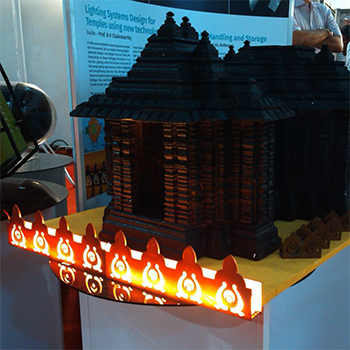
Lighting Systems Design for Temples using New Technologies
by Shashank N. Sawant
by Shashank N. Sawant
History fascinates all of us. It speaks to us in various forms, through ruins, scrolls, stories and memories. In India, we are blessed to have temples and other monuments which weave the seamless tapestry of our existence since times immemorial. But as the footsteps of time approach louder, and modern technologies penetrate deeper and deeper into our lives, the insensitivity to these heritage structures is on the rise. Lighting which forms the crucial part of the temple-going experience is often neglected and thoughtlessly laid out. This is seen in terms of the entire system. Any damage to the structure results in permanent loss of our cultural heritage. The project was conceived and executed keeping this ?pain? in mind. Within the scope of the project, it has been tried to address all issues related to lighting within the context of heritage temples. The issues that fall within this gamut include light sources, fixtures, wire management, switches and power supplies to some extent. Accordingly, we worked within the context of Ambernath temple. The temple is a classical structure built circa 900 A.D., and is in need of urgent attention. Referring to books and in consultation with scholars, the temple was separated into zones and the lighting need for each zone was identified. The possible places where lights could be mounted were also identified. These included blank lintels and pillars. The crowd movement patterns through the temple were observed. The present power supply, switches and light sources were also listed. Various luminaires and design directions were explored. Since the brief was to remain unobtrusive within the temple space, the luminaire was a simple channel designed to house the LED lights with temple motifs engraved on it. The module ensures protection, repeatability and variations in motifs across locations.The lights were then fabricated under collaboration with VinLED. Various luminaires and design directions were explored. Since the
brief was to remain unobtrusive within the temple space, the
luminaire was a simple channel designed to house the LED lights with temple motifs engraved on it. The module ensures
protection, repeatability and variations in motifs across locations.The lights were then fabricated under collaboration with VinLED and were installed in the temple for pilot purposes after obtaining necessary permissions from the Archaeological Survey of India.The design was further scaled down and copper cut-pieces were fabricated in Kumbharwada, Mumbai.Throughout the project, enough attention has been paid to keep the proposed systems culturally sensitive and unobtrusive within the sacred space that is the Indian Temple.
Details >>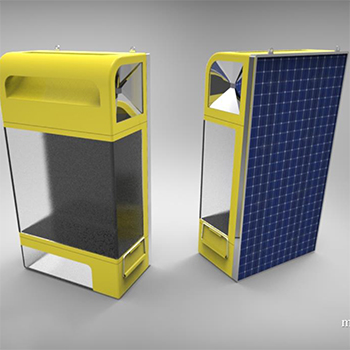
Lighting for Rural India
by Shashank N. Sawant
by Shashank N. Sawant
According to the 2011 census, 68% of our population still lives in rural areas. Despite all the development schemes and incentives that the government provides, a large chunk of our population is still oppressed, socially and economically. Absence of light, or darkness, is a very powerful metaphor of this divide. The project set out to remedy this hardship. Over the course of the project, more emphasis was laid on user and usability issues of the product. To observe the daily tasks and identify the needs and of people in rural India, field studies were carried out. The initial field study was to understand the people, the social structure, the activities, tasks and hardships in rural India. This helped gain an idea of rural psychographics, the attitudes, interests and opinions of rural people. A second field study was carried out in which rural folks were given a solar lamp to handle and usage patterns were observed. Important insights were gained from both the excursions, which helped shaped the functionalities and usability of the product. Based on these insights, opportunity areas were looked into which had scope for lighting. They included possible interventions in night schools, community gatherings, medical emergencies, dedicated task lighting for rural occupations, etc. Simultaneously, ideations were carried out to give a form to possible solutions. Initial explorations included ideas like flexible neck lamps, disc lights, simple cubical clustered lamps, light cylinders, value lights, triangular lights and others. Amongst these, the concept of value lights was found to be more beneficial than others. The idea was a product that could be split into three light components that could be used for three disparate tasks. The lights come together to form a single product whose combined value is more than the sum of its individual. The lights provided include: • A focussed light for outdoor excursions in dark, wayfinding • A diffused light for general indoor purposes • A secondary low power light for auxiliary activities.The selection of these tasks was done on basis of needs identified in the
user studies. The components are stacked vertically providing a sense of
hierarchy and separation of purpose. The uppermost component is a
torch, with high power beam of cold light with illumination of around
150 lumens and a beam angle of up to maximum 30 degrees. The central
component provides warm ambient light for general activities with an
illumination between 250-300 lumens. The lower light is a secondary
light of 150 lumens meant for auxiliary tasks like short trips to the
washroom, the cattle shed or to be hung outside in the verandah.
Further, by incorporating solar technology, we free them from
dependence on unreliable power grids and take them back to the purest
source of energy: the sun. The solar panel doubles up as docking panel on
which the lights are docked. The lights can be detached from the panel
and hung on the wall, while the panel can be placed outdoors for
charging. The primary battery pack in the solar panel gets charged thus
and then discharges into each of the lights’ individual batteries when the
lights are again docked onto it indoors. The central light is the main hub
to stack the components and to connect electrically with the docking
panel. The focus was to formally integrate the three distinct lights with
emphasis on stacking the components. Efforts have been directed to
make the product maintenance free and keep the assembly as easy as
possible.
The proposed strategy for marketing could either be a Government
scheme, with participation from NGOs or a corporate venture as a part of
social responsibility. Else, it could be manufactured under a social
entrepreneurship venture with nominal profits. The product is designed
to fit seamlessly in a rural household. It aims to assist more than one
rural activity in night time. The result is not a mere artefact that is just
one more addition to the market, it is a product that is sensitive to the
needs of rural India and addressing the disparate needs of this diverse
rural sector.
Details >>
Courtroom Drama
by Siddhartha Mukherjee
by Siddhartha Mukherjee
Clay is so directly linked with life it is so natural. Like life it is full of surprises. I was always fascinated to know how people transfer lump of clay into useful products. To me it always gives a sense of excitement with every single piece which we make, because every time result is different and the unpredictable feature makes it much more fun. The beauty of its rebirth again & again, gives you a childlike feeling, it tells you that it is ‘OK’ to be wrong and you can mend the mistakes. Pleasure of doing it all, from scratch to end, makes you the sole owner of your creations.
Details >>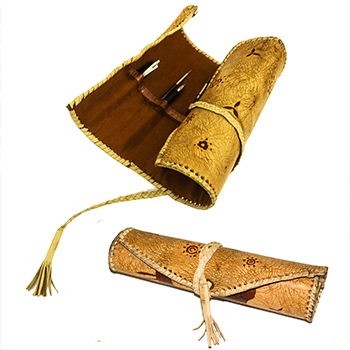
Leathercrafts at Shantiniketan
by Siddhartha Mukherjee
by Siddhartha Mukherjee
A unique & beautiful tradition of craft, commonly referred to as Santiniketan Leather Products, has over the course of more than three quarters of a century carved out a distinct identity on the world stage. Its appeal is both popular and artistic, its charm both exotic and future embrasing. Its delicate aesthetics is informed by a singular artistic tradition (the artistic heritage of santiniketan) and its innate aesthetic affiliation to an organic world. Like the discrete charm of the place itself, Santiniketan and its surroundings, this craft of leather products too owe its origins to the many-sided meditations of the poet, artist and thinker Rabindranath Tagore, more commonly known to the world as the famous poet laurate of the east and the winner of the nobel prize for literature in 1913. A process that started with the poet's father, Debendranath Tagore, and carried forward by the poet himself, the santiniketan's journey from a barren land to a thriving cultural microcosm cradle in a rich natural environment is an amazing story, and one of the more unique offshoots of this grand meditations in the grand tradition in leather crafts. The artistic heritage of santiniketan has a rich and engaging history. From its inception to date, santiniketan and its culture has been a pioneering force in the world of art & culture, and a leading aesthetic conscience of the region. Its unique aesthetic tradition is shaped by its innate affiliation to the organic environment and nature. As a result a remarkable aspect of this tradition has been its responsive interpretation of nature and the environment, a feature that lends its nuances heavily upon the crafts of this place, and none more so ever than on the leather crafts tradition. Thus the decorative style of the traditional leather crafts of santiniketan traces its roots back to the creative and ornamental interpretation of nature, a style which is at once inimitable and sighlty. Over the years, informed by the creative inputs of the master artists of santiniketan and ingenious solutions by the local artisans, Santiniketan leather craft has become a force in the world of crafts, appreciated by the craft lovers all over the world.
Details >>
Design of Low Cost Alternative Fuel Chulha
by Siddhartha Mukherjee
by Siddhartha Mukherjee
The project aims at improving the rural cooking scenario in India for the people who are dependant on firewood as the sole source of fuel for their daily cooking. The idea initially was considered for the dwellers of the Sunderban region who apart from being firewoood users are inhabitants where transportation of coal and other fuels difficult due to absence of well organised roads. Apart from using some alternative fuel (crop refuse in this case), it is emphasised that the design be flexible enough so that it can be manufactured locally with availble materials and existing technologies. Its not just about making the product and selling it to them, its about incorporating it into their daily lifestyle. Replacing the hearth from someone's house is more than a design challenge. It calls for making the technology availble and more importantly comprehendible so that it becomes adapted to a certain cooking culture. Also it needs to accomplish by a device that is affordable to those living below the poverty line.
Details >>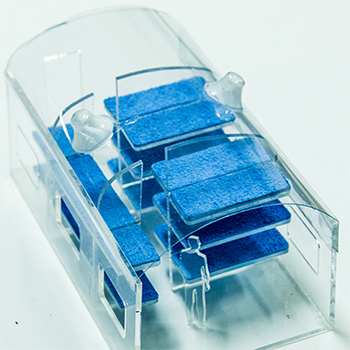
Design of a forced air ventilation system in Sleeper coaches for Indian railways
by Siddhartha Mukherjee
by Siddhartha Mukherjee
Indian Railway sleeper coaches have always been dependent on the windows for natural ventilation. Be it hot or cold or rainig outside, closing the windows was never a feasible option. It only meant sacrificing on the passengers comfort and the proper ventilation. The open windows also invites in loads of dust at high speeds and passengers are often prone to theft of their belongings due to open windows. The project thus is carried out from a proposal by the Indian railways for developing a forced air ventilation system for a sleeper coach thus eliminating the need for openable windows, and depending on them for ventilation. The project also aims to improve the overall hygiene and cleanliness of the coach.
Details >>
Color by interaction
by Sugandha Jain
by Sugandha Jain
In our day-to-day life we are surrounded with colors. Color is in everything that we touch or see, but then also we overlook the visual interaction of colors and how it is affected by different parameters like form, intensity and placement. This report discusses the various factors, which affect the visual perception of color. It briefly describes the various components of colors and its typ
Details >>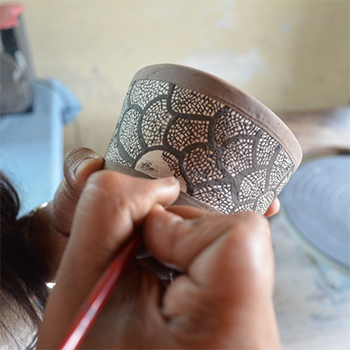
Pottery Internship Report
by Sugandha Jain
by Sugandha Jain
The project looked at inputs from industrial point of view for the small community based pottery industry with a view to offer better salability, novelty in products and modern outlook. This project involves study of different methods and techniques used in pottery along with study of contemporary and traditional products in ceramics. A detailed study of different techniques used in making of terracotta and ceramic products, which are available in the market was undertaken. The aim of the project was to identify the area of scope, and then develop a new range of products. To decide what range of products should be worked, on a mind map was created and the decision was made on the basis a considerable buyer segment available for the product, need of the product in the market and scope for possible range of explorations. Terracotta mood lighting was chosen as the final product range to design. Reason behind choosing lighting product thus that it plays a major role in ambience of any surrounding and it provides scope for variety of exploration, and the reason for selecting terracotta is that it is more ecofriendly than the glazed ceramic and it is easier to produce by potter’s community. Infrastructure required for making the final range of products are minimal, since non glaze work requires low firing temperatures. A wide range of explorations was done, starting from drawing inspiration from nature to bringing ‘Indian-ness’ in lighting experience. Explorations were also done keeping in mind traditional art and craft of India. The final concept has been put forward keeping in mind material and process optimization; easy do-ability, stack ability, simplicity and yet a new lighting experience. Patterns, which are used for the final concepts, are kept simple and easily doable drawing inspiration from basic geometric shapes and nature. The product can be used in the interior spaces of domestic environment, theme based restaurants and resorts.
Details >>
Ceramic products for traditional pottery community
by Sugandha Jain
by Sugandha Jain
The project looked at inputs from industrial point of view for the small community based pottery industry with a view to offer better salability, novelty in products and modern outlook. This project involves study of different methods and techniques used in pottery along with study of contemporary and traditional products in ceramics. A detailed study of different techniques used in making of terracotta and ceramic products, which are available in the market was undertaken. The aim of the project was to identify the area of scope, and then develop a new range of products. To decide what range of products should be worked, on a mind map was created and the decision was made on the basis a considerable buyer segment available for the product, need of the product in the market and scope for possible range of explorations. Terracotta mood lighting was chosen as the final product range to design. Reason behind choosing lighting product thus that it plays a major role in ambience of any surrounding and it provides scope for variety of exploration, and the reason for selecting terracotta is that it is more ecofriendly than the glazed ceramic and it is easier to produce by potter’s community. Infrastructure required for making the final range of products are minimal, since non glaze work requires low firing temperatures. A wide range of explorations was done, starting from drawing inspiration from nature to bringing ‘Indian-ness’ in lighting experience. Explorations were also done keeping in mind traditional art and craft of India. The final concept has been put forward keeping in mind material and process optimization; easy do-ability, stack ability, simplicity and yet a new lighting experience. Patterns, which are used for the final concepts, are kept simple and easily doable drawing inspiration from basic geometric shapes and nature. The product can be used in the interior spaces of domestic environment, theme based restaurants and resorts.
Details >>
Exhibition Design for DDS 2014
by Sugandha Jain
by Sugandha Jain
Exhibition is a process of exhibiting exhibits in a way that could appeal and be understood by people who comes to view it. Exhibition design is about designing the space in which products or exhibits are exhibited. It is a continuously evolving field, with the requirement of coming up with lots of creative and practical solutions. It’s about a challenge of developing communicative environments that ‘tell a story’ in a three-dimensional space. Industrial Design Centre is a premier design school in India, established in 1969, by the Government of India at the campus of Indian Institute of Technology, Mumbai (IIT Bombay).There are currently 5 disciplines in IDC compromising of Industrial Design, Visual Communication, Animation Design, Interaction Design & Mobility and Vehicle Design. Design and Degree Show (DDS) 2014 is the annual design conference and showcase of design & works by the passing out batch of IDC from 5 disciplines. DDS is a very important event for IDC and it is only through this medium that the work which happens in IDC can be shown to people outside IDC, which includes designers from the industry, students, aspirant designers, layman etc. DDS exhibition should also reflect upon the design methodology and teaching of one’s learning in two years of IDC
Details >>
Form, Function and Structure studies in Nature and Architecture Design Research Seminar
by Tu’umay Allene Negash
by Tu’umay Allene Negash
The essence of architecture is articulation of spaces to serve speciic functions in a speciic way. Form is the result of how the physical elements such as walls, loors, roof etc are articulated through construction and material with the help of structural system. This manifests in the form which also articulate the meaning.The FUNCTION here also includes aesthetic function. A building must look interesting and convey a meaning. Ever since man set his foot on the planet he has been encountering nature. NATURE in this context is all the phenomena and products of nature animate, inanimate as well as phenomenon such as climate, wind, sunlight, rain, storm etc this encounters has taught man. Through analogies from nature, man’s problem can be solved optimally. Architects study art, science, and religion in order to understand the basic workings of nature, and then applied what they learned to solve the problems of the day. Over time the quantity and complexity of accumulated knowledge led to increased specialization among Architects, and breadth of knowledge has increasingly
traded for depth of knowledge. This trend continues today. An Architect interested in learning about other areas of specialization like biology, art science,
agriculture, mathematics, physics and so on in order to have clear knowledge how to solve problems of the current day. In short ‘Architecture is something about everything’. This implies Architects would have to study
the following challenges.
1. Contexts from many different disciplines and determine the contexts in each discipline
2. Specialization on the terminologies of the contexts of the disciplines.
These all needs effort and extended beyond the brief and
excursions into unfamiliar areas to research speciic problems.
Details >>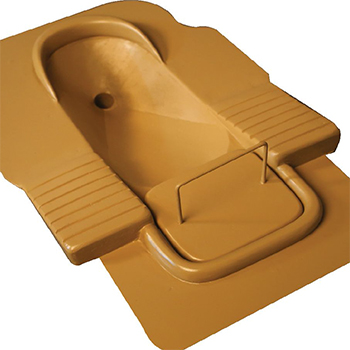
Low Cost Toilet for Rural Household
by Tu’umay Allene Negash
by Tu’umay Allene Negash
According to the 2011 Indian census 68.84% of the population are living in rural and 31.16% are urban dwellers. If we change the lifestyle of the 68.84% of the population obviously the urban areas will be positively affected, because the urban life is depending on rural resources. But majority of the people in rural area particularly in developing countries use an open field as "every man for himself" latrine. This is because most of the people in rural areas do not have knowledge on the negative impacts of defecting on open field. Misunderstaing of toilet use and poor disposal of waste material in rural areas leads to affect major health problems such as cholera, dysentry, diarroea, typhoid and stomach complications. This problem is a serious issue especially in developing countries and it needs to be improved from the base. It starts from changing the lifestyle of rural areas using clean and controlled sanitisation system in a safe and clean way by providing an affordable toilet for each household. This project solves some problems related to toilet in rural areas in particular developing countries like indian using the designed toilet pan which diverts solid waste from liquid wastes and providing sustainable sanitisation, which is focused on closed-loop management of excetra and saving of other resources such as water. This is achieved by narrowing down to the toilet pan and the waste management system in the chambers to use as a compost making.
Details >>
Street Furniture for Powai Special Focus on Lake Front Road
by Tu’umay Allene Negash
by Tu’umay Allene Negash
Public spaces are crucial components of the city in terms of the physical as well as social function they serve. These spaces not only form the image of the city and the way it perceived but also become places where people interact under collective identity. Public places are more than street, parks, maidans, beaches, play grounds, they also include waterfronts stations, markets and other places designed or designated for public uses. The basis of this project was to design a set of Street furniture for ’Powai’ lake front road which stretches 2.2 kms from Indian Institute of Technology, Bombay, main gate to Larsen & Tourbo ly over. The main goal of this project is to create clean ’Powai’ lake side and maintain it as a recreational area. This has been achieved by creating good urban open spaces for users and erect/build an iconic street furniture where it is needed. These furniture has been selected after the case study held to identify the problems faced around ’Powai’ lake front. Since maintenance is a big deal for street furniture, it has taken in to consideration that the maintenance cost would be at net zero cost by using limited advertising price displayed on the furniture. In this project more than seven furniture have been developed for ’Powai’ lake front namely Benches, Bus stops, Vending kiosk, Litter bin, Public convenience, Light poles, Ballads and Information boards. These products have same family look by form, shape, color, material used for all the furniture, and the concept used to relect the Powia-ness of the products which are derived from the design elements in the place, ‘Powai’. These are repetition of elements, combination of lines and arcs, free low of forms and shapes and the nature in Powai lake are some of the elements. Finally Bus stop with vending kiosk is detailed as a inal output
Details >>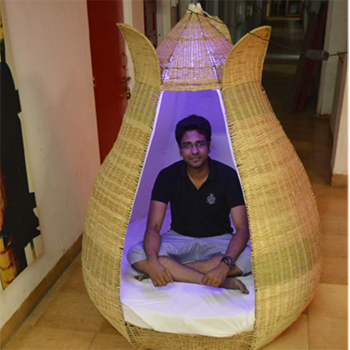
Emotion Based on Light and Color
by Vinoth VV
by Vinoth VV
Initial idea of the project was to understand the emotions based on light and colour using some wearable device, which will help the designer and the lay man to set the mood and to take the informed decisions. But due to the time constrain the project this had to be converted to a research project where the said things are understood and proved using experiments. The whole process of the experiment introduced me to the research process starting from the literature review, designing questionnaire & experiment, defining protocol, Analysing the data, both qualitative and quantitative, descriptive statistics, box plot, finding co-relation and so on. From the understanding from the literature, there had been lot of work done around the colour and emotion, but less is been explored on the different saturation level of coloured lights. Due to time constrain the research if restrained to only two colours and analysis based on descriptive statistics and box plot.
Details >>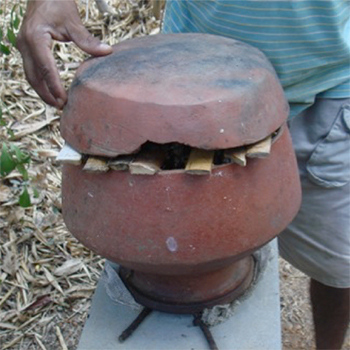
Increasing Biodiversity In the forest & Design for Sustainable lifestyle
by Vinoth VV
by Vinoth VV
Sadhana Forest started its ecological revival and sustainable living work on December 19th 2003. The vision of its founders, Yorit and Aviram Rozin, is to transform 70 acres of severely eroded, arid land on the outskirts of Auroville. In a spirit of human unity, their aim is to introduce a growing number of people to sustainable living and veganism. Their energy and resources are focused on the creation of a vibrant, indigenous Tropical Dry Evergreen Forest (TDEF). The main activities of Sadhana Forest: Planting the indigenous plants that constitute TDEF, an ecosystem unique to this region, and one that is currently endangered and to support the local rural villages: By retaining water and filling the aquifer, Environmental education for all. We include as many children and young people in the process of ecological revival and sustainable living as we can. Our aim is to encourage them to share and propagate our vision of an ecologically responsible and sustainable way of living, and for them to help take urgent actions that are necessary for the future of their environment.
Details >>
Cold storage without external power
by Vinoth VV
by Vinoth VV
In a tropical country like India, with about 70% of population of India is engaged in agriculture, the importance of refrigeration can hardly be over-emphasized. Nearly 30 per cent of the country’s fruits and vegetables perish due to lack of cold-storage facilities. The estimation of growing need for household refrigeration products reflects upon the scope of the market of the product. But the fact that the refrigeration is the highest consumer of power only next to lighting, leads to the selection of natural ways of cooling and refrigeration. In the past around 4000 years from now, people in India and Egypt are known to produce ice by keeping water in the porous pots outside the home during the night period by radiative cooling or nocturnal cooling technique. On a clear night the water would lose heat by radiation upwards. Provided the air was calm and not too far above freezing, heat gain from the surrounding air by convection would be low enough to allow the water to freeze by dawn. Night sky radiant cooling has in modern times been forgotten due to widespread use of modern mechanical cooling systems and refrigerants. However, this type of cooling has roots in many ancient civilizations across the globe. The idea is to use the ancient technique to solve the current day problem of cold storage and without external power which will satisfy the need of the rural household and enhance their lively hood. Inference for the design is taken from the experiments conducted with the prototypes made for testing. The usability is given prime importance in the design. The device is designed with double walls with insulator inside to avoid conduction and mouth wide opened Abstract to increase radiation. Handling, locking mechanism, manufacturing were given importance considering the context and affordance of the home products. Device can be used for ice making regularly with the suitable atmosphere and storage of food. This enables the storage of freshly grown vegetables to last much longer than usual in a hot climate. Some enterprise can also use this as a business opportunity and make ice and sell. It is also great for using at a picnic or outdoor trekking where there is no electricity outside, but food or drinks need to be kept cool The disadvantage is the process of ice making is highly dependent on the atmospheric weather and need for a person to religiously engage in the process of ice making from keeping it in a proper place to taking it back at the right time.
Details >>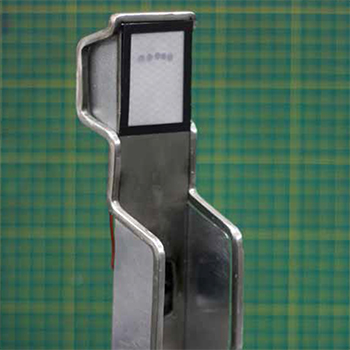
Hybrid Sourced Lighting
by Vinoth VV
by Vinoth VV
Lighting is a major issue during a long power outage in an energy-scarce country like India. Though there are alternate ways of generating power, they are highly seasonal, not very cost-effective, or require human effort, which leads to hybrid options. And the most viable solution lies in energy harvesting methods. The project evolved in two stages, with the first focusing on general research into alternate power and lighting as well as experimentation with a few techniques. With the inferences from the first phase, the second phase of the project was highly focused on the power production using the thermoelectric generator (TEG) and the scenarios in which it could be used. Initial ideation covers the possible chances of producing power using TEG in the house scenario without doing much labour. After a series of studies, the context of the kitchen, which is one of the most sought-after places and requires adequate lighting at any time of the day, is chosen for power generation as there is heat generation happening at least twice a day. During cooking, almost two-thirds of the heat is wasted in the surrounding air. The idea of the project is to harvest that energy using a thermoelectric generator and produce power that could be used for lighting and charging low-power gadgets. Thus, the project aims at developing a reliable secondary source of light and power and increasing the overall efficiency of energy utilisation in the house. Based on that, a user study and market study are conducted to understand the scenario and the possible applications of TEG. Experiments are carried out using an actual thermoelectric generator, and various levels of heat exchange possibilities are understood and concepts are generated as a result. The structural design of the product is chosen for its simplicity in manufacturing and ease of maintenance. The product will act as a secondary source of task lighting during load shedding and can support the charging of low-power gadgets.
Details >>2014-2016
(48 items)

POSHAK- Traditional Attire of Rajput Women
by Akanksha Rathore
by Akanksha Rathore
Rajasthan leaves no senses untouched. The colours, yellows, blues, greens and red are a delight to watch. The state has a distinct music to it with kartals and dholak singing the bravery of warriors and songs of Thar desert and festivities. Rajasthani cuisine made of dried vegetables and spices has a distinct flavor and fragnance. Dal bati churma, ker sangri, badi, pithode, gatte are few to be named .The land restores and tell stories of its art and culture in the kind of architecture practiced, various handcrafted items, clothing etc. Each motif is quintessential to the place and represents the uniqueness of the land in the best possible way. The major population of Rajasthan is of Rajputs Who belonged to the warrior class of people and are an image of feudalism and chivalry. The entire cultural ecstasy of the nation with all its regality and beauty boils down in the cultural beauty of the state of Rajasthan. The first recorded Rajput kingdoms emerged in Rajasthan in the 6th century and small dynasties later ruled much of northern India. According to the Hindu Mythology, the Rajputs of Rajasthan are the descendants of the Kshatriyas or warriors of Vedic India. The Rajput ethos is martial, in spirit, and fiercely proud and independent, and emphasizes lineage and tradition. Rajput women have always been known for their grace and conduct. From an early age Rajput girls have always been told that they must learn modesty for when they marry they will have to live in a new family, accept its customs, and obey its elders. On the contrary the tales of their bravery and courage to fight against all odds and taking to war when in need are well scripted in history .Women of the clan are known for their sacrifices as sati and are preached till date as sati mata.
Details >>
Report on Khamir, Reha & IDC
by Akanksha Rathore
by Akanksha Rathore
Khamir in the Kukma district of Kachch is a platform for the crafts, heritage, and cultural ecology of the Kachchh region of Gujarat. It was founded in the aftermath of the 2001 earthquake to provide a venue for artisans, resource groups and institutions, buyers, suppliers, and craft enthusiasts from around the world to exchange ideas, collaborate, and learn. It works to strengthen and promote the rich artisanal traditions of Kachchh district. The name Khamir stands for Kachchh Heritage, Art, Music, Information, and Resources. Born in 2005, it serves as a platform for the promotion of traditional handicrafts and allied cultural practices, the processes involved in their creation, and the preservation of culture, community, and local environments. Their main aim is to shift consumer perspectives and raise the cultural value placed on crafts.
Details >>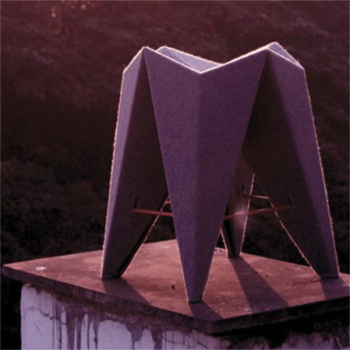
Origami Inspired Furniture
by Akanksha Rathore
by Akanksha Rathore
The heart of the appeal of origami: exploring the surprising magic of just how far you can change that square only by folding. - Robert Lang
Origami is an art of transformation. The strong identity of its textures, patterns of its fold with the involvement of human mind and skill makes it distinct and significant. This project is an attempt to understand the material (paper) and its relation when subjected to origami. To take essence from these folds and lines and creating furniture that brings playfulness in environment surrounding us.
Details >>
Toys Designed to Narrate Jataka Parables Inspired from turned Wood Channapatna Toys
by Akanksha Rathore
by Akanksha Rathore
Toys are a bundle of little joy and enjoyment for toddlers and young kids. Toys have been associated with children throughout history and in all cultures, and will continue to do so. Play time counts as one of the most fundamental and significant parts of childhood. Those attractive little tits and tots that we assume to me quite cute find themselves a perfect place in a kid’s wardrobe. While kids are dependent on us for food, and all other needs, toys prove to be their companion and friend for the first few years of their life. Psychologically speaking, kids require space to stock out their thoughts and emotions. And toys are just an ideal source on which they can easily bank upon- they can play with them, get angry, or throw them around as the like.
Details >>
Data generative art installation
by Bhavik grover
by Bhavik grover
How can we create a space more experiential using generative art? The aim of the research is to implement a data generative art installation by integrating a physical space with technology where people can come and be a part of that space, the sense of inclusiveness and engagement will create an emotional experience . We targeted to make mundane space more happening , and to reduce gap between physical world and digital world by giving an immersive experience to user.
Details >>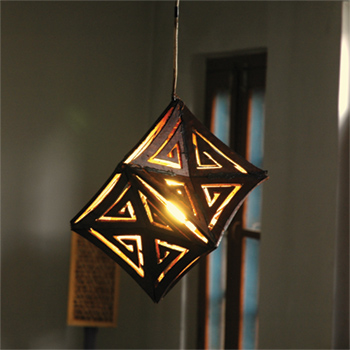
CDI srinagar
by Bhavik grover
by Bhavik grover
Kashmir, also known as the "crown of India," is a valley surrounded by beautiful, snow-covered mountains, green gardens and fields, vast, quiet lakes, clear and sweet water rivers, and wildlife, making it "heaven" in true English terms. The people of Kashmir are as beautiful as its nature; men are friendly and strong, and women are beautiful and peaceful. The strength and texture of walnut, the wavyness of rice paddies, the smell of apple orchid, the colours of tulip gardens, the quietness of Dal Lake, and the sound of nimaz make it a most pleasurable and beautiful place to live. It has a diverse variety in culture and tradition as well; the craftsmanship of the people of Kashmir is richer than any other state’s craft. Papier mache, wood carving, copperware, pashingmina shawl making, khatamband, pinjrakari, kashmiri embroidery, silver work, willow wicker, shikara, and house boats all contribute to Kashmir's rich culture.
Details >>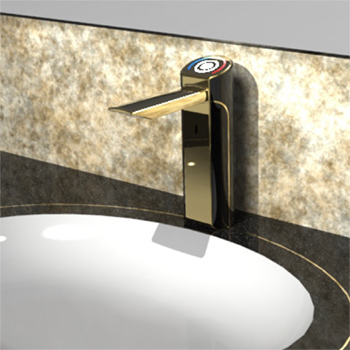
Faucets for smart usage of water
by Bhavik grover
by Bhavik grover
Water wastage is one of the biggest problems of today’s modern world, and it is witnessed predominantly at the industry, household level. The project addresses the upper-class segment of a user where water wastage is prevalent in their daily household usage, and have targeted the areas where awareness about water wastage can also be provided, I have selected faucets because at household level user interacts with faucets mostly for his daily life water using activities, The faucets in basin area were focused because most number of the water usage activities. The project is to design a faucet that prevents water wastage in daily activities of brushing teeth, washing face, shaving etc., And also making the user interactions more intuitive and informative. I have tried to make the entire process experiential, with combinations of digital and manual interactions of faucets, Certain functions like manipulation of the flow, temperature control were taken into consideration for all concepts. The formal study for ideation has been done using semantics approach and features has been shortlisted by taking inferences from market research and semantic studies.
Details >>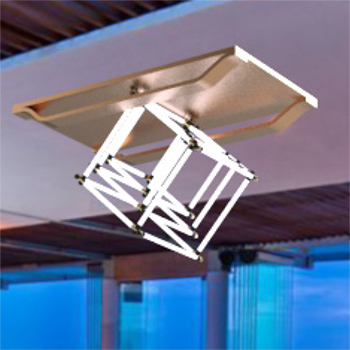
Transformable Luminaire
by Bhavik grover
by Bhavik grover
A luminaire is defined as “a complete lighting unit consisting of a lamp or lamps together with the parts designed to distribute the light, to position and protect the lamps and ballast (where applicable), and to connect the lamps to the power supply.” Since luminaries (lighting fixtures) were not previously defined, this new definition is meant to cover all aspects of a lighting unit, including the lamps that actually provide the illumination, as well as internal and external parts necessary for the proper operation of the unit. Luminaries can be of the traditional type, such as a recessed or surface-mounted incandescent, fluorescent or other electric-discharge luminaries. Luminaries can also be of the non-traditional type, such as fiber optics with the light source at one location and the fiber core or “light pipe” at another.
Details >>
Imagery from Buddhist thoughts on Ceramic ware
by Dattaram Chari
by Dattaram Chari
We all love beautiful ceramic artifacts and a decorative surface, of course, is the first thing noticed about any piece of ceramic ware and as with all things made with hand, the right concept makes all the difference. I have delved into exploring the virtually limitless world of ceramic art in the project. From the history to the abstract there are endless possibilities of expressions. The project focuses on philosophy behind the Buddhist Art forms and thoughts and exploration of imagery & details thereby breaking them into a structured reality with more simplistic details. With this project I have made an attempt to open up the creation of movement with the flow of shapes, lines, textures which delivers the beautiful imagery in the material. The theme, Gautama the Buddha, with its mystical presence, can be interactive in the sense that can invite the viewer to participate and interpret the piece of art.
Details >>
Internship at URAVU Indigeneous Science & Technology Centre
by Dattaram Chari
by Dattaram Chari
Indian design has always been indebted to its traditional design sector for identity within as well as outside India. The traditional design sector contributes significantly to the national income & accounts for 15 to 20% of country’s manufacturing workforce. A lack of technological and design upgradation, the changing preferences of consumers and sometimes and sometimes unethical policy level decisions have hit this creative and accomplished sector severely. The internship at URAVU Bamboo Training Centre & URAVU Eco links has helped me to understand traditional design sector and Bamboo as a new scope for sustainable design approach. It helped me to understand the material at depth & inspired me to go very close to nature & eco-friendly design. It was a decent and & happy approach to understand material from the local art & tradition inspired artists in the lush, green Wayand district. Initial motive to work in Bamboo eventually blossomed into understanding the traditions, culture & rich heritage of the place which itself resembles heaven in the God’s Own Country.
Details >>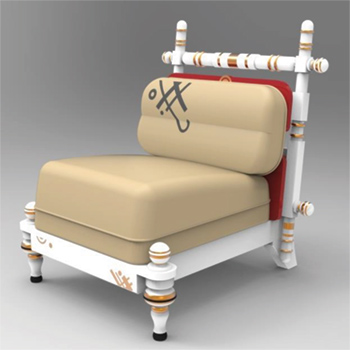
Design of Contemporary furniture range inspired from the Traditional Sankheda Craft
by Dattaram Chari
by Dattaram Chari
India has been a powerhouse for vast cultural and ethnic diversity and craft. This has enabled a variety of motifs, techniques and crafts to flourish in various parts of this land. Wood craft has been one of the integral part of the rich tradition of handicrafts in India. The hallmark of Indian wooden furniture has always been durability, ethnic flavor, elegance and design, attractive colors, unmatched workmanship and subtle elegance. Even today the traditional Indian craftsmen use the simplest of the tools and adhere to their style of their forefathers which has helped to keep the traditions alive. Today craftsmen are engaged in making furniture, products for everyday use, toys and decorative items that are in demand in the market. One such work is Sankheda wood craft in Gujarat wherein the artist put forth their ideas about mythology, emotions in their work which is losing its potential market. As an Industrial design student the area of work i have dealt in this project is to understand the particular wood craft furniture, understand the artisan issues, and explore various possibilities & ideas to reposition the craft in a higher segment of market.
Details >>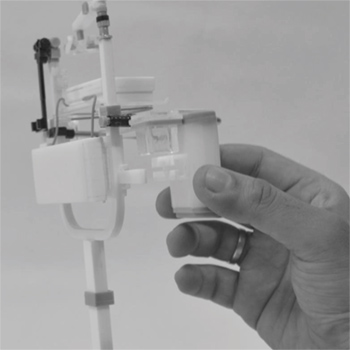
Design of an user friendly ECG System
by Dattaram Chari
by Dattaram Chari
ECG , Electrocardiograph has become a routine part of any complete medical evaluation .The ECG waveform allows one to infer information about electrical activity associated with different aspects of a heart beat and is therefore of particular value for assessing an individual’s cardiac rhythm and heart health. In this project, an approach of systematic redesign of the ECG is done to obtain the desired results at conceptual levels. The project aims at intervention in areas of product usability redesigning an easy to use, cost effective aid and system to record the heart activities and make the process of ECG recording less cumbersome. Although products which help in ECG monitoring do already exist in the market, this project differentiates itself from other products by being better at user centric design aspect and by being affordable on a slighter note. I have tried to come up with a better model considering the findings & observations made during the project duration. The project report discuss on the existing user related problems in ECG recording and then derive to the research and redesign of the product.
Details >>
Imagery from Nature on Ceramics
by Gaurav Vaidya
by Gaurav Vaidya
The motivation behind choosing ceramics for this project was to understand the medium and play with it to explore various techniques while working. The journey of this project helped me learn different stages involved in ceramic tile making. The theme of the design research seminar is Imagery from nature on ceramics. This involved observing the beauty in nature around us, looking at the minute details which makes it alluring and depicting the essence of it on ceramic tiles in the form of visual images. Working in ceramic studio and making tiles with hands was a major part of this project. A disciplined rou - tine in working allowed me to understand the nature of clay and its behavior in different stages.
Details >>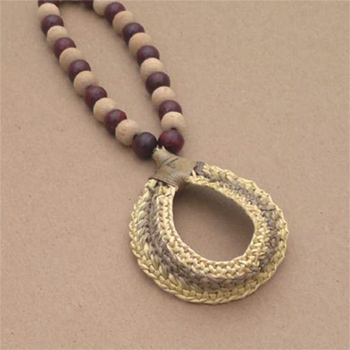
Dhokra Casting: A Traditional Tribal Craft of Jharkhand
by Gaurav Vaidya
by Gaurav Vaidya
My internship happened in two parts. First part was to
observe and understand the things and the second part was hands on exprience with different materials. Both the parts were done in completely different environments.
In my first part of internship, through Tata Centre at IIT Bombay, I got a chance to visit MIT Cambridge, Massachusetts. A group of 20 students from IIT Bombay went there to see the problem solving approach and research methodology followed at MIT. There we observed the institute’s working culture, different lab facilities, presentation techniques etc. We also interacted with faculties, students and entrepreneurs.
One more important feature of the first part was that I got a chance to visit different museums like Museum of Modern Arts, NY and Museum of Fine Arts, Boston where I could see works of well known artist, product designers, graphic designers. And of course, the fun part like visiting places like Times Square, the Statue of Liberty, World Trade Centre, Central Park, Rockefeller Centre etc.To explore newer frontiers of design I was unfilmiliar with,in second part of internship I chose to work in a completely new environment rather than mainstream production and industry. To explore crafts, I went to Shantiniketan, Bolpur in West Bengal. Who would know the traditional crafts and art in Shantiniketan region better than an artist, Mr. Bidyut Roy who has spent more than 30 years of his life in Shantiniketan. I feel fortunate to stay with him and understand his philosophy and his views on different issues.During the second part, I explored various things and worked with different materials but majority of my time I spent on Dhokra Casting which is a traditional craft of Jharkhand. Within one mont of my summer internship, I could experiance and explore people, their life, style, food, culture from different places like New York, Boston, Shantiniketan (W.B.) and tribal villages in Jharkhand.
Details >>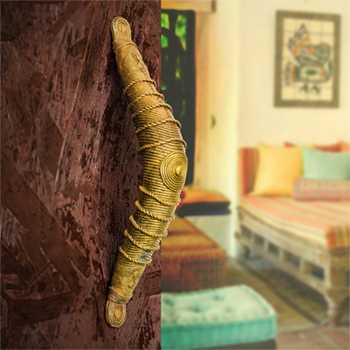
Enhancing Livelihood Possibilities Of Dokra Craftsmen Through Their Craft: Redesign Of Dokra Door Handles
by Gaurav Vaidya
by Gaurav Vaidya
In my Design Project 1, I had experienced the traditional technique of dokra casting by doing it myself, from the initial stage to making the final finished product, with the help of traditional craftsmen in one of the tribal areas of Jharkhand. Design Project II is a continuation from Project 1, and it involves making aesthetically pleasing objects that will also find use in day-to-day life rather than being just decorative pieces. These products will not only be visually appealing, but they will also serve the functional purpose for which they are intended. These everyday utility products will invoke sensitivity about craft, its rich background, and inherited tradition in the minds of people seeing or using them. Working with dokra craftsmen has been a major part of this project, where I experienced the pleasure of making my own metal objects that can actually be used. While exploring the methods and techniques to make quality articles, I also thought of how making such usable metal articles would be easy and beneficial to the craftsmen in the villages to earn a better livelihood. This report outlines the detailed design process being followed while creating a range of Dokra door handles.
Details >>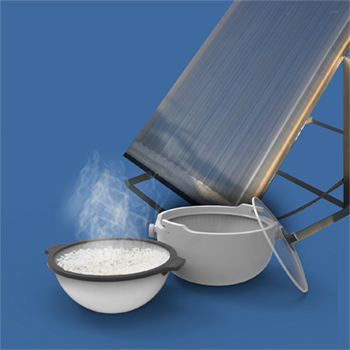
Design of Cookware for residential Rice Cooking application using Steam from Solar Steam Generator
by Gaurav Vaidya
by Gaurav Vaidya
Solar energy is a clean and abundant source of energy. This energy is utilised for many applications, and cooking is one of them. There are various types of solar cookers available on the market, but they are not that efficient. Each one has its pros and cons. For using currently available solar cookers, users need to have an open space where they will get an ample amount of continuous sunlight. They also need to track the sun all day. The whole process of cooking takes place outside the kitchen, and it is a very slow and cumbersome process. This project is an attempt to make the whole cooking activity quick, easy, and inside the kitchen while using steam generated from solar energy for a single home's usage. The cost-effective steam generation technology developed by Heat Pump Lab and the Mechanical Department (IITB) is used, and the product that uses this steam is designed during this project. The 7Cs of innovation, as guided by Prof. B. K. Chakravarthy, were the design methodology adopted for the project. This report outlines the detailed design process followed during the project.
Details >>
Ema Keithel : The mothers’ market
by Hirom Ulemba Meetei
by Hirom Ulemba Meetei
Broadly speaking , a market can represents many things. When we are young we grew up learning market is a place where selling and buying happened . But as time passed by, it started revealing its own nature of relationship between people and its surrounding, and also behaviour and attitude toward the society. Thus, marketplace literally become a storyteller of that particular society. Yes, In this project, I’m trying to find out what Ema market actually tell us . Ema in manipur means “mother”, named as mother market, this market has been providing livelihood for the entire Manipur from generation to generation. Being run only by the women , this market has perform a significant role in empowering the women in the Manipur society. Its traditional and culture bonding with people have make this market one of the biggest market of its own kind in the entire country The project mainly focus on the daily activity of the women and their perspective of the market. It also try to cover some of the untold story of the women whose unbeatable power in bringing up their family .
Details >>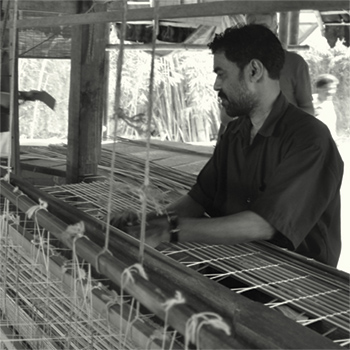
Summer Internship at Uravu
by Hirom Ulemba Meetei
by Hirom Ulemba Meetei
“URAVU” is a network of community based, non[1]profit organisation spread out in Wayanad district, Kerala state, South India. It works close with people, governments and business organisation for the implementation of sustainable development in local areas. Built with five main core branches , namely - Uravu indigenous science and technology study centre - Bamboo Nursery Unit - Uravu Eco Links Ltd - Bamboo Grove Project - Uravu bamboo village . This organisation is trying to improved the product and process development in bamboo handicrafts, furniture making and bamboo construction .It also helps in enhancing local skill and processing technique in handicraft and structural application of bamboo. Large number of their works include promoting community-led eco-tourism and local craftsmanship through local materials like bamboo and jute. The whole purpose of the study can be divided into two parts, the internship part which mainly focus on the product development for Uravu and its associated units .Then workshop part , a bamboo workshop which aims on developing structural application of bamboo on housing and furniture design for rural and tribal areas .
Details >>
Redesigning Deployable Mosquito Net Structure For Tribal Settlement
by Hirom Ulemba Meetei
by Hirom Ulemba Meetei
Malaria is always been a life-threatening disease from the time it has been known. Probably it’s one of our oldest enemy of all time, taking more human-life than any other disease. Each year millions of people died and around half the population of the world is put in risk due to this dreadful disease. Sub-Saharan Africa being the highest affected region followed by Southeast Asia and others, this disease spreads all over the world. In India itself, every year, thousands of people lost their life and another million were still living under the burden of this disease, with most of the case coming from rural areas (especially the tribal areas). Though we have known how to cure malaria from the beginning, it got an entirely different story in most of the tribal inhibited areas, often a darker one. It has been reported that 30% of the total cases in India come from this regions. Apart from poverty, poor health facilities and lack of proper education, the tribal regions are most of time isolated from the mainstream not only geographically but also socioculturally. Despite taking measures to prevent malaria including mosquito nets and other programs, the cultural barriers make it difficult to control the same. To understand the problems more critically, a Abstract field trip was planned with the help of SEARCH organization and visited different villages in Gadchiroli, Maharashtra. One of the most important issue which come out from this study was the lack of seriousness about this disease in those areas. When further research is done, it opened up to many issues from economical to educational to cultural. But as part of this project, the focus is put only into the specific problems related with usages of mosquito net in this area. In the early stage, the project try to question the most common attitude of people toward the difficulties of not using the mosquito net, which were given to them through government. It also try to critically analyze the problem from the lens of cultural obstacles, the climatic hindrances and the typology of the houses toward this behavior . In the later section of the project, the issues is taken up to a design level problem and try to solve using different design approaches and methods. This includes mind- mapping, ideation, concept generation system design etc. Finally, as a deliverable of the project a deployable mosquito net structure named “Kavach” is created, which can be easily made by the local people, using locally available materials with minimum cost.
Details >>
Domestic Poultry Incubator for micro-poultry farming
by Hirom Ulemba Meetei
by Hirom Ulemba Meetei
Although India is one of the major countries in poultry production, it has not been able to meet the increasing demands of the nation completely. In many cases, this has led the poultry industry to use artificial drugs and steroid for faster growth. Hence people are diverting to healthier options such as organic eggs and chicken. This opens up an opportunity for rural areas to critically look at their methods of backyard poultry farming, which they have been following from ages. The project mainly aims at uplifting the socio-economic status of the villager through self employment. It focuses on putting relevant technology and design intervention in developing a sustainable poultry incubator which would be less dependent on electricity. The early phase of the project mainly includes addressing the problems in rural context , a research on various available incubator and the different technology which are used This is supported by a field study to Central Poultry Development Organization, Aarey colony Mumbai. In the later stage of the project, the concept is further narrow down with the help of various design method including brainstorming, idea sketching , concept evaluation , mock up model user feedbacks etc. Finally as a deliverable of the project a concept of modular domestic incubator which have a hybrid power system with both solar energy and electricity is suggested with a f maximum of 96 eggs capacity . A simple business module is also suggested which complement the idea of micro-poultry farming in community level.
Details >>
Design Thinking: Collection & Review of literature on design thinking for students of management studies
by Pai Sanket Satish
by Pai Sanket Satish
Design thinking has become a buzzword in most organisations and institutions over the past decade. This has given rise to multiple educational institues of various domains incorporating design thinking in their curriculum. This project examines some of the design thinking courses available to management students across the world. This study has led to generation of structure for an ideal design thinking course for management students.
Details >>
Internship at IN2 ON2 Food and Hospitality Pvt. Ltd
by Pai Sanket Satish
by Pai Sanket Satish
There has been a spate of ice cream centres blooming in major metro cities in India this year. The most interesting thing about some of these shops is that they use liquid nitrogen to create ice cream almost instantly in front of the customer. However, all these places, including the ones abroad, directly pour nitrogen in the mix used to prepare ice cream. We wanted to create a product which would do everything that these people do, while using indirect cooling. This project documents my summer internship with IN2 ON2 Food and Hospitality Pvt. Ltd where we tried to create this innovative product.
Details >>
Design for elderly: For safer and easier cooking
by Pai Sanket Satish
by Pai Sanket Satish
The ageing population of the world has seen an upward trend over the last two decades along with tendency of independent living by the elderly. Currently efforts are being made to create comfortable and safer housing environment for the elderly. However the kitchen still remains as the most neglected area in terms of redesign. This project tries to focus on the kitchen as the independent living facility in order to make cooking easier and safer focusing more on the women elderly population. The project started with primary and secondary study, leading to multiple insights in areas of mobility, posture, while using tools and consideration for user reach. These insights were then used to derive features and to come up with designs specifically for the food preparation area. The final design was developed after creating a test rig to check required heights for different activities.
Details >>
Design of a surgeon friendly laparoscopic device for electrosurgery procedures
by Pai Sanket Satish
by Pai Sanket Satish
A laparoscopic surgery is a minimally invasive surgery where the surgeon creates small incisions on patient’s body in order to insert instruments and a light with a camera to perform surgical procedures. Even though this surgery results in quicker recovery time and lesser pain for the patients, it is highly demanding for the surgeons. Since the operations lasts for hours, there is a need to design and develop devices which minimize the surgeons discomfort while enhancing the usability. This project is an attempt to design such a device for the procedure of cutting and coagulating tissues during laparoscopic surgery. After constant trials and multiple mock up prototypes, the device is designed to gently grip the hand and uses flexible linkages to provide comfort to use, ease of assembly and maintenance.
Details >>
Multi-sensorial perception & Design
by Patric john
by Patric john
An object is never identified as the object at the fraction of the second. It would take, a few milli seconds for the brain to read the signals from eyes, ears or other sensory organs to sense and perceive it as an object. Depending upon the complexity of the object or its features, the time taken by brain can vary to perceive and understand. Design is a domain in which perception is much considerable and influential. In this Design Research Seminar i am curious to know about, how senses works & how perception matters in design. What are the elements or factors among senses and sensation which affects the perception.? The focus area of the project is to know about multi-sensorial perception in the framework of design. How a design with multi-sensorial (catering to more than one sense) perception, is different from a design which is single-sensorial (catering to only one sense). Can multi-sensorial design bring more value to a product? What are the possibilities and limitations of multi-sensorial perception in Design.
Details >>
Learning Woodwork
by Patric john
by Patric john
This report is part of Project I-summer internship in Silpa-sadana, Sriniketan. The duration of summer internship was around 1 month. The objective of the internship is to learn something new which supports my design knowledge and to apply what i have learned in the field of design. I worked in wood and learned the basics of wood working. I was also able to learn about wood and the hand tools for woodworking which helped me alot in learning woodworking. I focused a bit more on turning wood. I made a few flower vases and some other products. Well after one month of summer internship the experiences which I gained through it helped me to create a better sense towards crafts and design. Also the learning about the wood and understanding about other crafts in Silpa-sadana was very useful and informative. I further look forward in continuing woodworking and would suggest anyone in design/arts/architecture field to have a first hand experience in crafts from this place.
Details >>
Design of Food Kiosk for street vending: Urban Indian scenario
by Patric john
by Patric john
With over 1.2 billion people of various beliefs, religious practices, life styles, and cultures, India is the seventh-largest country by area and the second-most populous country. Urban India is a place where you can see and experience this diversity and variety. The project aims to design a food kiosk that will cater to these urban areas. Today, street foods have inseparably become part of urban culture. Due to the huge population and diversity of the urban population, even the street foods evolved and multiplied over time. Today, a large variety of traditional street foods and modern street food items are available. In this project, I attempted to look at these street foods as well as the various interconnected elements and stakeholders in the system and come up with a solution: a kiosk that could cater to a segment of street foods and vendors, thereby supporting and enhancing their business potential. The project also looks at a plan or strategy that would complement each stakeholder in this system and enable it to go forward in a better way.
Details >>
Design of Teaching-Learning Aids for Blind Children
by Patric john
by Patric john
A project which started with an objective of “Design Intervention for the blind”, progressed and specified with the objective “Help with design , the blind children to learn/make them teach about geometry in Mathematics”. This project investigates the existing/ current scenario and comes up with a few ideas which would help the blind children to learn about particular concepts of Geometry in maths. The project initially started with study about blind and other related issues of being blind. With the help of two organizations which help and support the blind, the direction was chosen and focus area was determined. Problem solving was one of the major priorities of the project which remained since ideation and progressed along with conceptualization and evaluation.
Details >>
Data generative art installation
by Shashank Gautam
by Shashank Gautam
How can we create a space more experiential using generative art? The aim of the research is to implement a data generative art installation by integrating a physical space with technology where people can come and be a part of that space, the sense of inclusiveness and engagement will create an emotional experience . We targeted to make mundane space more happening , and to reduce gap between physical world and digital world by giving an immersive experience to user.
Details >>
Internship At Uravu
by Shashank Gautam
by Shashank Gautam
Bamboo has a long and well-established tradition as a craft and building material throughout the world’s trophical and sub-trophical regions. It is widely used as a material for many forms of products and construction, in particular for traditional art and craft in rural areas. Bamboo is a renewable and versatile resource, characterized by high strength and low weight, and is easily worked using simple roots. It is widely recognized as one of the most important non-timber forest resources due to the high socio economic benefits from bamboo based products. It is estimated that there are 1200 species growing in about 14.5 million hectares area. Most of them grow in Asia, Africa and Latin America. And India is the second largest producer of Bamboo.
Details >>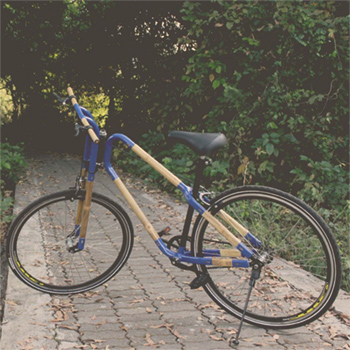
Use Of Bamboo In Bicycle
by Shashank Gautam
by Shashank Gautam
Bamboo has a long and well-established tradition as a craft and building material throughout the world’s trophical and sub-trophical regions. It is widely used as a material for many forms of products and construction, in particular for traditional art and craft in rural areas. Bamboo is a renewable and versatile resource, characterized by high strength and low weight, and is easily worked using simple roots. It is widely recognized as one of the most important non-timber forest resources due to the high socio economic benefits from bamboo based products. It is estimated that there are 1200 species growing in about 14.5 million hectares area. Most of them grow in Asia, Africa and Latin America. And India is the second largest producer of Bamboo.(National Mission on Bamboo Corporation, 2015). Bamboo is one of the strane species of grass which nature endows. The mechanical properties of bamboo is unbelievable. Bamboo has been in wide usage since ancient times as a low cost material for houses, bridges etc.
Details >>
Climate Responsive Building Facade
by Shashank Gautam
by Shashank Gautam
The project investigates responsive building facade systems that adapt to the dynamic environmental conditions to regulate the internal conditions in a habitable space over different periods of time by exhibiting a state of motion and dynamism. Heat, Light and wind are the primary parameters for regulation, leading to energy efficiency and dynamic spatial effects. Passive and active skins using pneumatic actuators are developed through investigations of smart systems that integrate smart materials and smart geometries. The precedents in this domain have rarely dealt with individually controlled multiple parameters of heat and light in a single system, which is attempted in this project.
Details >>
Idital - Digitization of tribal script, Sora Sompeng
by Sony Salma Priyadarshini
by Sony Salma Priyadarshini
Sora Sompeng is the script of Sauras, a tribal group predominant in Odisha and Andhra Pradesh. Saura mostly uses Odia and Telugu to write their language. This has pushed Sora to the verge of extinction. Recently, a growth of interest in Sora Sompeng shows that there is a scope for reviving and digitizing the script. This project is an effort to analyse and understand Sora Sompeng in order to make a suitable typeface for the script. The focus was to understand aspects of the script, its visual features and the design decisions taken towards achieving this.
Details >>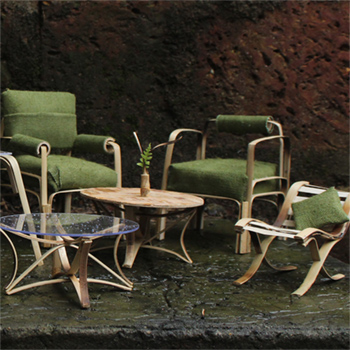
Summer Internship At Uravu
by Sony Salma Priyadarshini
by Sony Salma Priyadarshini
The core idea that led to the formation of Uravu Trust in 1996 was revitalizing indigenous knowledges and upgrading productive skills of people were essential for ensuring sustainable development of rural areas. The trust’s activities were borne out of the realization that ensuring access to resources- natural resources used as raw materials for production; appropriate skills and technologies; finance and markets etc- was essential for overall development of marginalized social groups. The key objective of the organization is to improve livelihood sustenance of women & marginalized people through sustainable entrepreneurship.
Details >>
Cutlery Explorations using coconut shell
by Sony Salma Priyadarshini
by Sony Salma Priyadarshini
Coconut palm tree is one of the most valuable natural resources. It is called ‘Kalpavriksha’ meaning wish-fulfilling divine tree. It is because almost every part of the tree is used in some or the other way. Coconut shell has always been used as a cooking fuel and to make small multiple[1]utility bowls or serving spoons with simple bamboo joinery. Coconut Shell has remarkable properties such as strength, hardness, durability and resistance to fungal attack. These properties can be used to make products of different varieties and it has a huge scope in market. The project aims to change the perception of coconut shell to something that could be used creatively and aesthetically as a lifestyle accessory espousing crafts, craftsmanship and related livelihood. An in-depth study of coconut shell such as its anatomy, structure, composition, patterns and texture was done. Not only this, the variety of cuts to produce different forms was also looked into. Understanding appropriate and relevant tools to work with shell was one of the crucial parts of the project. This led to discovering new tools that could be used. Example of one such tool is the ordinary wire brush that could be mounted in the drilling machine to clean the insides of the shell. Prior to this, cleaning the insides of shell was done manually which was took more effort and was time consuming. After an initial phase of exploring possible product range, cutlery (ladles and spoons) was chosen for further exploration. Study of available cutlery, its anatomy, proportions and usage was done. Since the shell is Abstract hard, quick and dirty mock-ups were done through soft prototyping. In this, plastic balls were used in place of coconut shell. Similarly, other materials such as PVC pipes, styrene, soft aluminum etc. were also used. Joinery details to improve stability, strength and to enhance aesthetics of the product were tried out. Various mock-ups were made and the desired ones were selected to be developed with coconut shell. The process then focused on combining the shell with other materials such as bamboo, wood, steel, brass and aluminum for material exploration. The explorations fell in these categories: 1) Combing shell with natural materials such as wood, bamboo, cane etc. 2) Combining shell with industrial material such as steel, brass, aluminum etc. 3) Combining shell with both natural and industrial materials etc. We went ahead with the third category because it was a new area where industry and craft could come together. Three materials—coconut shell, aluminum wires and bamboo were used. Jigs were designed for easy production and replication of different parts in less time. As part of the final deliverable a range of a family of ladles was proposed. Branding and logo details were done to complement the product. ‘Utsavam’ which means celebration chosen as the name of the product range. This was to imbibe the celebratory nature of the product.
Details >>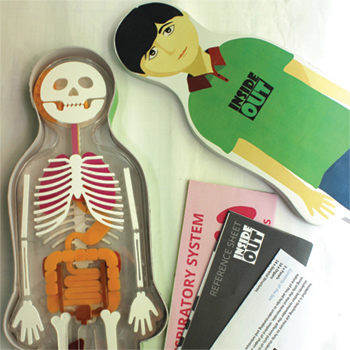
Interactive methods to teach human anatomy
by Sony Salma Priyadarshini
by Sony Salma Priyadarshini
The primary objective of the project is to provide a means to educate small children about the human anatomy in a fun and engaging way. Understanding human anatomy and physiology consists of major part of learning biology. Unlike subjects such as maths and physics, biology needs a larger part to be understood and memorised. The subject gets complicated further as the student goes to higher classes. Unless the students have a strong grasp of basics, they tend to lose interest in the subject. Anatomy is linked with many other fields of study such as nutrition, keep good health, hygiene, physical education, sports etc. Understanding anatomy leads to clarity in other areas. Since most of the available materials are basically instructional, the project aims to facilitate the foundational learning of basic anatomical concepts in an alternative way where the child “learns through playing”. The final product had a kit which contained the different systems of human body in a simplified form in layers. This kit can not only be for demonstration school but also as an examination tool. The design was scalable in sense that more layers of other systems could be added if wanted. The product is affordable, simple and child-friendly.
Details >>
Visual Ethnography: KOLAM
by Shreelekha Lakshmipathy
by Shreelekha Lakshmipathy
Ethnography is a collection of qualitative methods used in the social sciences that focus on the close observation of social practices and interactions. These qualitative methods enable the researcher to interpret and build theories about how and why a social process occurs. They are particularly useful for elucidating the steps of processes that have not been well understood, and to create rich descriptions of people’s experiences. Qualitative research tends to be inductive and hypothesis-generating; that is, it helps the researcher make educated guesses about how or why a process happens. Quantitative research, on the other hand, tends to be deductive and hypothesis-testing; it helps the researcher determine how true such an educated guess is across a population. Ethnography’s unique contribution to qualitative methods is that it deeply examines the context in which activities occur, usually involving work by the researcher with participants as they go about their daily lives. An ethnographer also describes a situation by asking multiple people about an event, or by analysing multiple types of documentation, such as policies or historical records. In this way, ethnography allows the researcher to make fine distinctions and see ambiguities in the way a situation is interpreted.
Details >>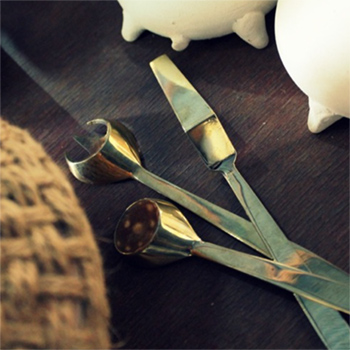
Report on Khamir, Reha & IDC
by Shreelekha Lakshmipathy
by Shreelekha Lakshmipathy
Khamir in Kukma district of Kachch is a platform for the crafts, heritage and cultural ecology of the Kachchh region of Gujarat. Instituted after the earthquake of 2001, it is a space for artisans, resource groups and institutions, buyers, suppliers and craft lovers from around the world to gather under one roof to exchange ideas, collaborate and learn. It works to strengthen and promote the rich artisanal traditions of Kachchh district. The name Khamir stands for Kachchh Heritage, Art, Music, Information and Resources..Born in 2005, it serves as a platform for the promotion of traditional handicrafts and allied cultural practices, the processes involved in their creation, and the preservation of culture, community and local environments. Their main aim is to shift consumer perspectives and raise the cultural value placed on crafts.
Details >>
DIY furniture using Bamboo
by Shreelekha Lakshmipathy
by Shreelekha Lakshmipathy
To design a Furniture system using Bamboo with post modern approach using bamboo poles and joineries that could be assembled by the user post an online purchase. Called Underconstruction, the system includes two different joints that can be used to build and configure tables, coat pegs and storage rails with bamboo poles. Exactly what they end up being used for is down to the needs and imagination of the customer, but almost anything is possible due to the system of a basic frame and accessories that can be added or removed as necessary.The collection has taken a different approach to furniture design; rather than provide a fixed solution to a given functional requirement, this is instead a toolkit that can be adapted to any eventuality. Key to this system are the removable accessories that have been made from a mix of materials – metal mesh, Bamboo weaves – so if your furniture needs an extra surface, it can be added. This project is also a manifestation of an experimentation with materials and how these can be distanced from their common assumptions and be placed in new contexts, where the goal was to combine bamboo and plastic within a functional structure by looking for the most suitable form and state of plastic in order to make it utile. The number of different components is kept to a minimum and the various pieces within the series are easy to assemble, requiring no specific tools. The design comprises of a series of lightweight pieces that aim to both change existing perceptions of bamboo(from a 'ecoresort'y, touristy, crafty product to a everyday product that fits into a contemporary lifestyle setting) and rekindle interest in the traditional material and its various possibilities by the design boasting exposed joinery and bold bursts of vibrant color. Adding weaved baskets and other details blend the concept of Furniture and ‘miscellaneous interior goods thereby including craftmanship, a major aspect related to the material which would bring in the ‘Bambooness’ into the product. The collection includes side table, console table and hang rack and majorly focuses on a minimalist, airy design.
Details >>
Experiencing Materials - Concrete
by Shreelekha Lakshmipathy
by Shreelekha Lakshmipathy
We like to define historic eras based on the materials that were prevalent at the time, as in ‘Stone Age’, ‘Bronze Age’, ‘Iron Age’ and so on, because they define our relationship with the physical world. This project, at the outset, states the importance of materials in our world and identifies the softer aspect of the materials - its Character, its Personality, its Association, its Story and continues to showcase the material and design innovations that drive us to the future. The project then moves into choosing a particular material - CONCRETE, the second most used material on the earth after water. The project identifies the image of the material and continues into exploring the possibilities of the material in the area of Product Design.
Details >>
Expression of forms
by Sridhar Geddala
by Sridhar Geddala
Every product has its own expression, which comes from the visual details the designer include in the product. Most of them are intentional and some are functional. Though expression is subjective, we can clearly classify products under different expressions. One of those classification is done by Prof. A G Rao(IDC, IIT Bombay). This project try to dissect these expressions using eye tracking as a tool. Though the project focussed on the primary analysis like fixation points and gaze time, a detailed analysis of the eyetracking data is give at the end for one expression(soft).
Details >>
Leather Craft - Santiniketan Leather Products
by Sridhar Geddala
by Sridhar Geddala
Leather or leather products are sophisticated, symbol of luxury and brings lots of character to the object. Shilpasadan a department under Visva Bharati which is pioneering institute in teaching crafts and design train students the necessary skills needed to make and create traditional leather products. The place is known for inception for many techniques in leather craft. Batik work, block embossing, tooling work, understanding leather are some of the learnings during the internship period. Apart from being a place where craft and craftsman are immensely respected the place teaches simple and humble lifestyle.
Details >>
Interactive Device For Schools Redesigning of Clicker System
by Sridhar Geddala
by Sridhar Geddala
Failing in exams, unable to understand the concepts taught in class and psychological or health related issues are some of the reasons that keeps some students from backward classes from education. This project focuses on designing a product that will assist students in their learning , such that the dropouts will be reduced. After visits to schools (like KV IIT Bombay , IIT campus school, Aarambh Organisation for kids) and discussions with teachers it was found "Lack of interaction” could be one of the major reason for not understanding or showing less interest in the class. K-YAN and STUDENTS RESPONSE SYSTEM or CLICKERS are two Interactive products available in the market (K- Yan allows teachers to interactively display information to a whole class and CLICKERS is an interactive technology that enables instructors to pose questions to students and immediately collect and view the responses of the entire class). After understanding both the systems, how they work and their advantages in classroom , Redesigning clickers for schools is taken forward . Some major problems with current clickers system is -expensive, complicated, whole system is fixed to one class and requires internet connection. The brief was to design a simple, economical and yet maintaining the core advantages of the system. Alternative technologies are considered where ever it is necessary so that whole system can be low cost, mass manufacturable and mobile . The final concept is a system with a led display board and a set of clickers. The display board is to show the timer and histogram of the results and clickers to communicate the answers.when the teacher writes the Question on the board and starts the timer, students respond with their clickers before the timer stops and the results are displayed on the LED screen subsequently. The whole system is proposed to cost much lesser than the existing solutions.
Details >>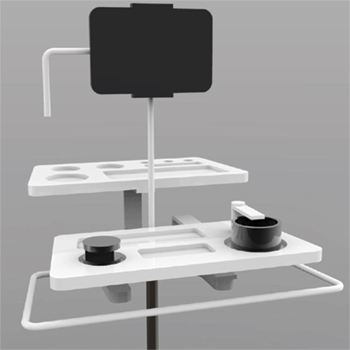
Surgeon Friendly Biopsy Device And Tissue Collection Device For Cancer Diagnosis
by Sridhar Geddala
by Sridhar Geddala
Failing in exams, unable to understand the concepts taught in class and psychological or health related issues are some of the reasons that keeps some students from backward classes from education. This project focuses on designing a product that will assist students in their learning , such that the dropouts will be reduced. After visits to schools (like KV IIT Bombay , IIT campus school, Aarambh Organisation for kids) and discussions with teachers it was found "Lack of interaction” could be one of the major reason for not understanding or showing less interest in the class. K-YAN and STUDENTS RESPONSE SYSTEM or CLICKERS are two Interactive products available in the market (K- Yan allows teachers to interactively display information to a whole class and CLICKERS is an interactive technology that enables instructors to pose questions to students and immediately collect and view the responses of the entire class). After understanding both the systems, how they work and their advantages in classroom , Redesigning clickers for schools is taken forward . Some major problems with current clickers system is -expensive, complicated, whole system is fixed to one class and requires internet connection. The brief was to design a simple, economical and yet maintaining the core advantages of the system. Alternative technologies are considered where ever it is necessary so that whole system can be low cost, mass manufacturable and mobile . The final concept is a system with a led display board and a set of clickers. The display board is to show the timer and histogram of the results and clickers to communicate the answers.when the teacher writes the Question on the board and starts the timer, students respond with their clickers before the timer stops and the results are displayed on the LED screen subsequently. The whole system is proposed to cost much lesser than the existing solutions.
Details >>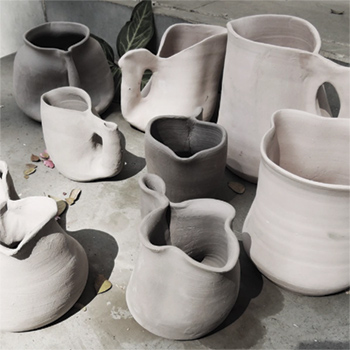
Nature in Ceramics - Pottery exploration on wheel
by Vishal Bhushan Jha
by Vishal Bhushan Jha
Traditional wheel pottery is one of the oldest form of arts. It has so many possibilities that in the past 10000 years or so of history, infinite forms and experimentations have been done on it and even now new outcomes keep coming. There is immense possibility of creating something new every time with pottery. This project is my attempt to create interesting fluid forms in ceramics inspired from Nature. The main goal here is to create interesting contemporary forms while maintaining the formal sophistication of wheel pottery “Fursat”, A beautiful Urdu word which means disengagement is something missing in the industrial design scenario currently. We are very requirement oriented people worrying about th project goals and outcomes, always eager to tick the checklist, trying to finish the task. Though trying to maintain quality and perfection this over engagement and level achieving attitude often leads to designer’s soul getting lost in process. Fursat on the other hand is disengagement and more or less is prevalent in an artists work. An artist usually works more on intuitions and less on logic. The reason also might be that there is not much of questioning in an art work about why the artist did a particular thing and why not something else. Also there are several interpretations of some work. This project was an attempt towards an open ended exploration in pottery. There was no set objectives to reach which gave way to more of explorations for own satisfaction and less of doing something for finishing it.
Details >>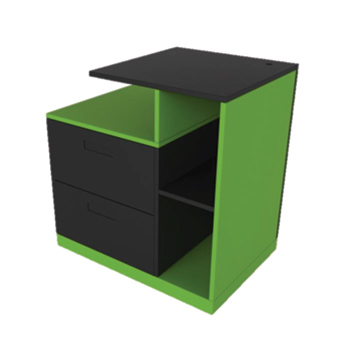
Summer Internship at Godrej interio
by Vishal Bhushan Jha
by Vishal Bhushan Jha
Tata Centre for technology and Design is an organization initiated by Tata trust to promote design for bottom of pyramid in Developing countries. The centre has chapters at MIT Boston and IIT bombay and the fellows and research scholars at each college work in various fields related to bottom of pyramid some of them being Housing, healthcare, Education, Power and Energy etc. The trip of Tata fellows to MIT was organized to facilitate mutual learning, wider exposure to international research methodologies and contact building. Tata fellows spent 1 week at MIT getting exposed to various projects done at MIT and India. Also I took this oppurtunity to visit all the famous buildings of boston and also Museum of fine arts boston which has Americas largest artwork collection. After MIT I extended my trip by further 4 days to explore architecture, art and design scene of New York. In New york I visited MOMA, American Museum of Modern Arts, American museum of natural History and street artist at Times square.
Details >>
Design of Furniture Systems for Affordable Housing-Fitting more in Volume
by Vishal Bhushan Jha
by Vishal Bhushan Jha
The title of this project is Furniture System Design for Affordable Volumetric Housing. There is a huge shortage of housing in urban areas, mainly because of a shortage of land and the very high prices of the land that exists. As a result, slums are springing up in cities to house the large number of immigrants who are flocking to those areas. To overcome the housing shortage and provide good living conditions in a lesser area, "Affordable Housing: Fitting More Into Volume" was a project carried out from July 2014–November 2014 by 3 IDC students: Manu Revi, Gautham Varma, and Anulal. The project dealt with the creation of spaces by utilising volume, going vertical, and giving exact headroom as required. Based on these studies, the minimum space required for a family of six was calculated, and different layouts were made for the same. Many places' building codes may prohibit a permanent mezzanine structure in a small house. Thus, if the furniture makes the mezzanine floor, it will not be considered an additional floor, thus qualifying for stricter bylaws. For the current project of Furniture System Design for Volumetric Housing, the basic concepts of spaces arranged in volumes, listing of heights, and accommodating six people are taken from a previous project. On the basis of the previous project and the current study of slums and sheet metal working, new layouts were made, keeping in mind flexibility in layout and optimal utilisation of spaces. The layouts created allowed various possibilities for arrangements with the same components. Then the furniture is detailed with three approaches: wall-fixed furniture, floor-standing furniture, and a central core supporting all furniture. Throughout the project, the most important factor that was kept in mind was whether it could be DIY, incremental, economical, and space-saving. At many places, the weight of components and materials was also considered as it was a DIY assembly and needed to be light to be easily handled.
Details >>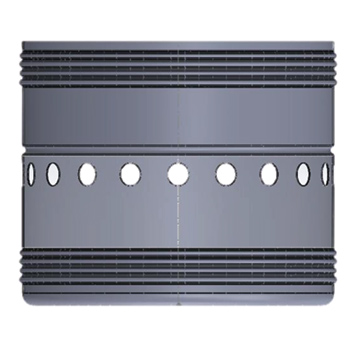
Arsenic Water Filter for Domestic Usage
by Vishal Bhushan Jha
by Vishal Bhushan Jha
Arsenic poisoning due to underground water is a big health concern in India, especially in the states of Uttar Pradesh, Bihar, Jharkhand, West Bengal, Assam and Manipur. These are the states with few of the lowest literacy rates, High population, considerably high water table and are economically backward. Also these are the states with irregular to no electricity in many villages and remote areas. The main objective of this this project is to develop an Arsenic water filter without using power supply is necessary. Also Arsenic contaminated water is not visually contaminated and most of the people don’t know about it hence awareness of arsenic poisoning among people is necessary. The main challenge in this project is to make a product which will filter water and will actually be used by the people of the region. Form factor, visual presentation, handling, Usage, Cleaning, Economics and Durability are main considering factors for design.
Details >>2008-2010
(26 items)

Introduction to E V Future
by Kamlesh Sawant
by Kamlesh Sawant
E V Future was established in 2007, in the international township of Auroville, located in the South Eastern state of Tamil Nadu, India. Auroville is well known throughout India and the world for its extensive research in the fields of renewable energy and other green initiatives. E V Future’s primary focus is on designing electric eco-friendly 2-wheeler solutions primarily for the Indian market and its existing road conditions. E V Future is the brain child of two young and dynamic Aurovilians, Aurosukrit and Akash Heimlich, who over the years have been actively involved in innovation and research into alternative energy and transportation. Over the past 2 years, E V Future has developed a prototype electric two-wheeler which is unique to all other electric two-wheelers available in the Indian market – the Hum-V, a rugged multi-purpose utility "moped". Over 15 prototype versions of the Hum-V have been successfully tested over the past year within Auroville. Over this period, every vehicle delivered was modified and improved upon based on customer feedback.
Details >>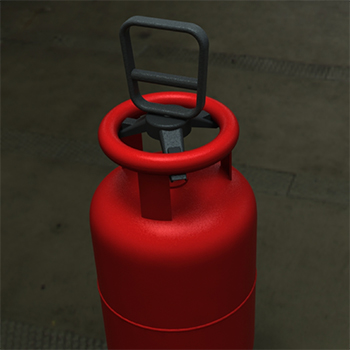
Gas cylinder transfer system for a gas cylinder delivery person
by Kamlesh Sawant
by Kamlesh Sawant
LPG gas cylinders have evolved as an important source of fuel for cooking needs in India. Apart from the projected increase in demand, LPG gas cylinders have always been in the news, sometimes for rises in cost or shortage or for illegal uses. But, all this time, nothing has been talked about the amazing system which works behind it, to keep the circulation going. This project investigates the working of the system to find out how the LPG cylinders weighing up to 40 kg are handled on a daily basis. The analysis of the study is synthesised to find out the areas where there is scope as well as a need for design intervention. Insights from the people involved in gas cylinder delivery and observations made while studying the system were helpful in formulating the design brief. The mock-up models were also used for validating and refining the concepts at every step. The proposed solution needs to be a feasible solution within the boundaries marked by the concerned authorities. Keeping this in mind, after concept evaluation, the final concept was further developed to meet the needs suggested by the earlier study.
Details >>
Amphibious vehicle
by Kamlesh Sawant
by Kamlesh Sawant
As the roads are getting flooded with automobiles, the supporting infrastructure is under constant pressure. Other modes of transportation, such as water and air, will soon gain importance for daily travel. With the ability to travel in more than one medium, an amphibious vehicle would be an ideal solution. An amphibious vehicle with land and water surface as modes of travel is considered within the scope of this project. The aim of this project is to design a motorised amphibious two-wheeler for youth. The evolution of technology and formal treatment were also noted while studying developments in amphibious vehicles over the years. Initial ideation was focused towards making a 2 wheeler afloat on water & results were grouped into categories. The group of inflatable pontoons was chosen on the basis of its feasibility. A configuration with pivoted flaps for housing inflatable pontoons on either side of a two-wheeler was chosen after evaluating other possible configurations. The dimensions of pontoons in inflated mode and in deflated storage mode were calculated before finalising the layout. The contemporary motorised two-wheeler was taken as reference for structural and ergonomic issues for deciding the layout. The targeted segment of user youth was expressed with lifestyle boards and mind maps. An expression of fearlessness was chosen for the formal treatment of the proposed vehicle, which was decoded by analysing visuals with that expression. Scaled mock-ups and sketches were used to get the concepts evaluated by potential users. Aside from youth, the proposed amphibious vehicle can also be used as a police patrol vehicle, a flood relief vehicle, and a personal mode of transportation in inland water bodies.
Details >>
Studying the bio mechanical characteristics in elderly
by Pragati Kapur
by Pragati Kapur
The purpose of this survey was to study the biomechanical characteristics of the elderly over 60 years of age. A sample of 27 elderly people, 11 males and 17 females, in the age range of 60 years to 88 years, from elderly homes in Delhi and Mumbai were tested using standardised instruments. Various biomechanical characteristics were studied and recorded. India is in a phase of demographic transition. As per the 1991 census, the population of the elderly in India was 57 million, as compared with 20 million in 1951. There has been a sharp increase in the number of elderly people between 1991 and 2001, and it has been projected that by the year 2050, the number of elderly people will rise to about 324 million. Over the past decades, India’s health programmes and policies have been focusing on issues like population stabilization, maternal and child health, and disease control. However, current statistics for the elderly in India give a prelude to a new set of medical, social, and economic problems that could arise if a timely initiative in this direction is not taken by the programme managers and policy makers. There is a need to highlight the medical and socio-economic problems that are being faced by the elderly people in India, and strategies for bringing about an improvement in their quality of life also need to be explored.
Details >>
Set of picture frames for Magppie Retail Limited
by Pragati Kapur
by Pragati Kapur
The purpose of this survey was to study the biomechanical characteristics of the elderly over 60 years of age. A sample of 27 elderly people, 11 males and 17 females, in the age range of 60 years to 88 years, from elderly homes in Delhi and Mumbai were tested using standardised instruments. Various biomechanical characteristics were studied and recorded. India is in a phase of demographic transition. As per the 1991 census, the number of elderly people in India was 57 million, as compared with 20 million in 1951. There has been a sharp increase in the number of elderly people between 1991 and 2001, and it has been projected that by the year 2050, the number of elderly people will rise to about 324 million. Over the past decades, India’s health programmes and policies have been focusing on issues like population stabilization, maternal and child health, and disease control. However, current statistics for the elderly in India give a prelude to a new set of medical, social, and economic problems that could arise if a timely initiative in this direction is not taken by the programme managers and policy makers. There is a need to highlight the medical and socio-economic problems that are being faced by the elderly people in India, and strategies for bringing about an improvement in their quality of life also need to be explored.
Details >>
Furniture for students in home environment
by Pragati Kapur
by Pragati Kapur
In the present day scenario, where homes are getting smaller and the needs of each member of the family are increasing, it is very important to look into the needs of all and, at the same time, make the place enjoyable. In each house, there are on average 2 children, and this gives an opportunity for the design of furniture for students. The project is an attempt to understand and correlate the three main aspects of the furniture system: product, user, and environment. This was achieved by case studies of homes; feedback through questionnaires; and dimensional specifications of different components. The concept is to integrate the informality and comfort of home with the exciting environment required by students for studying. The conceptualisation borrows clues from the study done and thereby formalises the product, taking into consideration all the aspects of the system. The aim is to create an organised work space to make studying at home a comfortable and enjoyable experience for the children.
Details >>
Walking aid for the elderly
by Pragati Kapur
by Pragati Kapur
The rapid increase in the elderly population in India and all over the world provides several opportunities to design for this segment of society. For the project, initiated by the Department of Science and Technology of India, I chose to work on mobility as the basic premise, as it is the second largest cause of disability in India. The project, titled "Mobility Aid for the Elderly", is aimed at better: -Functionality-Aesthetics The project necessitated an understanding of the various stages of walking with a cane, as well as insights for building design solutions. The project inspired me to look for shortcomings in the current walking aid designs and look for possible design solutions to the same to help the elderly walk better. The final product must be a full-scale working prototype of the walking aid that is applicable to Indian conditions.
Details >>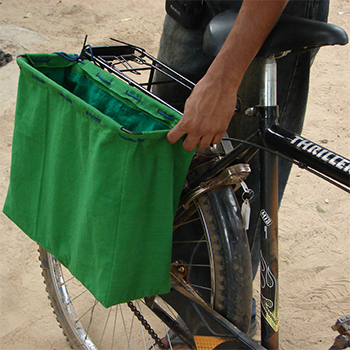
Bicycle scapes workshop
by Priyanka Marawar
by Priyanka Marawar
The bicycle-friendly area design workshop was conducted in the city of Auroville, Tamil Nadu for design, architecture students and young professionals. 16 students, 10 mentors, sponsors, and hundreds of Aurovillens came together to improve the bicycling experience in Auroville. The project of Auroville, located approximately 12 kilometres north of Puducherry in south India, was formally inaugurated on February 28th, 1968 with the aim of becoming a universal township dedicated to the realisation of the ideal of human unity. The founder of Auroville, a French lady born Mira Alfassa in Paris, who later became known as the Mother after being given charge of the Sri Aurobindo ashram in Pondicherry, followed its development until her demise in 1973. Since the time of its inception, Auroville has been an eco-city in the making. It offers good-willed people the opportunity to experiment and develop their expertise. The city is physically radial in nature. The matrimandir (meditation centre) is the centre of the city. The city’s geographical premise is 5 km in diameter. It is divided into four zones as follows: the cultural zone, the international zone, the industrial zone, and the residential zone. The first 2.5 km is the city area, while the next 2.5 kms is the green belt area. The current population of Auroville is around 2000 people, while the city is being built to eventually accommodate a population of 50,000 people.
Details >>
Sustainability awareness kit for children in an Indian urban environment
by Priyanka Marawar
by Priyanka Marawar
The choices one makes in life are most often based on experiences from one's past life. In the last couple of years, I have developed an interest in the worldwide spoken subject called "sustainability". This interest took me to Auroville, "a universal city in the making", which was one of the best experiences in the 23 years of my life. It was one of those experiences that one calls "life-changing." Totally inspired by this new way of life, I came back to my mundane urban life. Then I wondered what I could do to translate those ways of living into this urban scenario. This thought lingered on. The intention to find these ways that could make urban ways of living more sustainable and happier was reason enough for me to choose my Project 2 topic as "Healthy and Sustainable Ways of Living". It was much later, after I explored the meaning of health and sustainability, that I found potential for my design intervention by designing a tool to make sustainability a value system in children. This report shows that it is an enjoyable yet tough journey where my design capability finds a purpose.
Details >>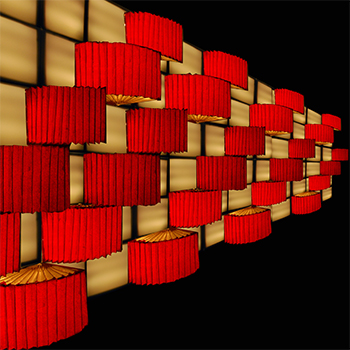
Lighting for variable moods in a restaurant
by Priyanka Marawar
by Priyanka Marawar
Lighting has always been my area of interest and something that always amazes me. I always wondered about its ability to touch one's senses to such an extent that it could alter one's frame of mind. This report is a glimpse into the journey that explores this ability of light. Hence the topic "lighting for variable moods in a restaurant." The project is primarily in 3 phases: Implementation: Understand, Explore and Experiment. The first phase entails understanding light and its components; the role of light in creating different moods by studying photographs, movies, and existing products; the role of light in creating different atmospheres in the theatre as a case study; the role of colour and coloured light; and the restaurant as a user scenario. Secondly, explore and experiment with various aspects of light to understand its relationship with materials, surfaces, and its potential to create moods. Playing with light in this phase also proved to be a constant creative stimulus. Thirdly , implement this understanding and experimentation to realise an actual product, which is a lighted modular wall which can transform to create different moods as per need. The second and third stages were cyclic processes until the desired effect was rendered. Various aspects of industrial design were also taken into account in this phase of actualization.
Details >>
Design means Business
by Roshan Lawrence Valder
by Roshan Lawrence Valder
There are many ways to sell a product. During project 2, the product was conceived purely with the user in mind and the current manufacturing possibilities ( see figure below) But to sell the product to a company, it must fit into the company’s portfolio. It may have to be part of the company’s range of products, be viable using the production methods of that company and fit into their philosophy of selling products. Another way of selling the product is to create a business model and start a business around it. This project focuses on the commercial viability of the product and on designing the product to fit a company’s product portfolio.
Details >>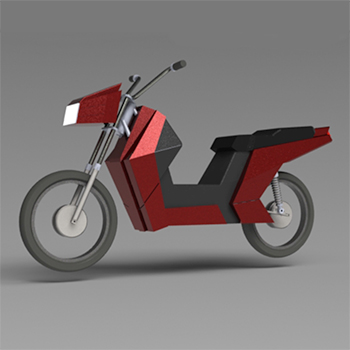
Electric Motorcycle Styling
by Roshan Lawrence Valder
by Roshan Lawrence Valder
EVfutures is India's largest electric vehicle portal with extensive information about electric bikes, electric scooters, and electric cars. An electric vehicle (EV) is a vehicle with one or more electric motors for propulsion. An electric vehicle consists of batteries which are used as the source of energy. They could be lead-acid, lithium ion based batteries, The controller is a logic control to control the DC motor by user input, i.e., accelerator, and transfer the required energy from the battery to the motor and electric motor, a DC motor to propel the vehicle, attached at the wheel or through a drive train. The redesign of the HumVee retained most of the components of the current HumVee. The frame suited its purpose and so was retained The position of the footrests was found to be comfortable from testing and so retained Rear shocks were customizable but there was a need to cover the positioning slots Other components were easily available as bike parts and hence retained. The styling was restricted to mostly the frame and headlights.
Details >>
Transformable Furniture
by Roshan Lawrence Valder
by Roshan Lawrence Valder
With a growing population and the influx of people into the cities, urban India has had a constraint on living space. In a city like Mumbai, even entire families live in single-room apartments. So there is a lot of emphasis on space in such homes. All basic activities happen in the living room, which also doubles up as a dining area, TV viewing area, study room for kids and a bedroom. An ideal piece of furniture would be one that elegantly addresses all these activities. Transforming furniture is not a new concept. The standard sofa bed is an example of a piece of transforming furniture. Recently, however, different variants have been popularised with an emphasis on style. Sofas that transform into bunk beds or a bed that transforms into a cabinet are modern examples of transformable furniture. Throughout this report, the terms "transformer" and "transformable furniture" will be used interchangeably to mean the same thing.
Details >>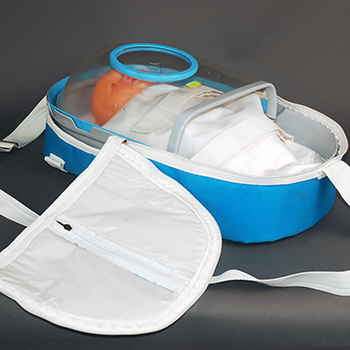
Transport Warmer for Infants
by Roshan Lawrence Valder
by Roshan Lawrence Valder
Neonatal care for preterm infants remains one of the most basic needs in India that is difficult to access. Special wards known as Neonatal intensive care units exist only in tertiary hospitals owing to the specialist equipment and staff required to run them. This project owes its beginnings to observing the general condition of neonatal care in the country. There were reports of babies being baked in incubators and equipment failing. Some news excerpts are given below. This was the trigger point in the whole investigation into looking at infant incubators. Over the course of the research, other issues rose apart from the glaring problems with incubators mentioned above. These were issues of crowding of the incubators with multiple infants, lack of space, issues of transport, sheer lack of incubators, and cost of equipment. Apart from the scarcity of equipment, there is a scarcity of staff and supporting structure. It was realised that neonatal care needed a system-level intervention and not just a product-level intervention. Though the issues were many and some out of the scope of a design project, the focus was given to the transport of the preterm infants. The safe and secure travel of these infants is as necessary as being in an incubator in a NICU.
Details >>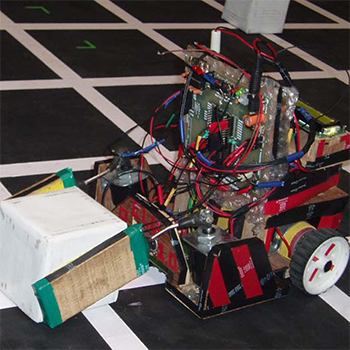
Jugaad - a Study in Indian Vernacular Design
by Sanjay Nair
by Sanjay Nair
There are situations when solving a problem may not be easy or possible by conventional means or in a formal way. It may be due to a lack of resources or due to a time constraint. At such times, overlooking the problem or waiting for the perfect solution to arrive may not be the answer. It has to be done by any means, calling for out-of-the-box thinking and going beyond the existing way of doing things. These kinds of situations happen more often in our country. The way we solve such problems is known as "Jugaad". Jugaad is essentially a colloquial word in Hindi, meaning an eclectic assembly that somehow works. What does Jugaad exactly mean? How are jugaad and design related? Is Jugaad an innovation? Is Jugaad a healthy culture? Can jugaad be classified into different types? Can there be guidelines for different types of Jugaad? The objective of my study was to find an answer to these questions.
Details >>
Summer Internship at Silpa- Sadan
by Sanjay Nair
by Sanjay Nair
Silpa Sadana (SS)is a crafts institute located 3 km away from Santiniketan in Sriniketan(SN). The object of Sriniketan is to bring back life in its completeness to the villages, making them self-reliant and self-respectful, acquainted with the cultural tradition of their own country, and competent to make efficient use of modern resources for the improvement of their physical, intellectual, and economic condition. Tagore, Rabindranath, 1928. Sriniketan today comprises the following departments within its broad ambit: Palli Siksha Bhavana (Agricultural Science Institute) Palli Sangathana Vibhaga (Rural Extension Centre) Department of Social Work Palli Charcha Kendra (i) Silpa Sadan. Silpa Sadana commenced work in 1922. It is aimed at revitalising decaying crafts as well as innovating craft-related activities to introduce them to local artisans. It has, broadly, a training aspect, a production arm (marketing) aspect, and a development aspect. In its training aspect, SS (Crafts Centre) offers a 3-year diploma course in nine different specialisations to about 80 regular students. Most of the products of the SS are sold at its Sales Emporium in SN and through counters put up at the Pous Mela, Magh Mela, and the Rathindra Shilpa Mela held once a year. Predictably, the SS has become the provider of bric-a-brac to Visva Bharti, in terms of its convocation scarves, uniforms, dress materials, parchments for certificates, files, bookbinding materials, and some furniture, as per the needs of the university. Apart from this, four traditional village weavers, enlisted from nearby villages, produce handloom fabrics on a piece-rated basis upon receiving raw materials from SS.
Details >>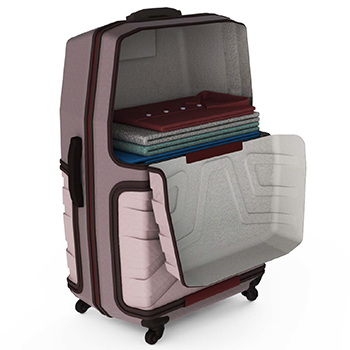
Luggage Design for a Middle Class Family
by Sanjay Nair
by Sanjay Nair
Small families travelling longer distances by train generally use multiple luggage of a smaller size (less than 22"). This has advantages like ease of handling and separate space for each individual. Large-sized luggage (between 28" and 32") is mostly used for air travel due to restrictions on the total weight of individual luggage and the number of bags an individual can carry. Family trips generally tend to be of short duration (4–7 days) due to the fact that the packed items are not completely removed from the luggage during the trip. Luggage is accessed intermittently during this period whenever something needs to be taken out. Organizing and accessing items becomes difficult when many members of a family use common large luggage. Business travellers hopping from one place to the other face a similar situation. They literally have to "Live Out of the Box". Many innovations are taking place in luggage design with respect to the materials, colours, textures, and wheels. But even today, luggage continues to have one or two major compartments into which we pack our belongings. This project aims at designing luggage for a small family of 3–4 members travelling by air (for 4–7 days), which will allow individual members to organise and access their luggage contents easily during travel.
Details >>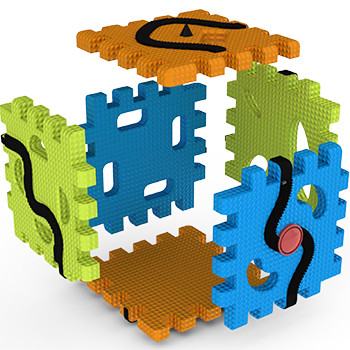
Playing kit for Visually Impaired children
by Sanjay Nair
by Sanjay Nair
Try imagining the world by closing your eyes as if you have never seen it. One's perception of the world is drastically altered when one interprets it through the other senses. Vision is an integral part of our learning process and helps in perceiving the world around us. Children with an absence or lack of vision need motivation to explore the world around them. It becomes important for them to engage their other senses more effectively for learning. Many things that sighted children learn by playing or observing have to be taught to visually impaired children. My project involved understanding the world of visually impaired children by looking at existing systems that encouraged exploratory behaviour, researching early childhood education, and interacting with individuals linked to the blind community. The research led to prototypes aimed at engaging visually impaired children in play. The objective of the design is to create a play kit that gives them the opportunity to learn through play and exploration while building their various physical, cognitive, and social skills.
Details >>
Alternative Fuel Vehicles
by Suhrid Kiran Palsule
by Suhrid Kiran Palsule
The automobile: considered among the greatest influences of the 20th century, it has today reached iconic status and is now an irrefutable part of our lives. Over 600,000,000 passenger cars travel the streets and roads of the world today. There is no doubt that mankind has greatly benefited from the use of this technology, but that progress has come at a price. Vehicles have had a huge impact on us and our environment, and most of it is not good. Every school-age child today is familiar with terms like "air/noise pollution," "global warming," "ozone depletion," and so on. We now see vehicles as a prime issue to be dealt with as our lives get more dependent on them each day. This is an indicator of the magnitude and urgency of the problem at hand. Steps are being taken to slow down the negative impact caused by automobiles on the environment. This report documents the ‘clean car‘ race and its significance.
Details >>
Summer Training at Ranvik Exports Pvt. Ltd.
by Suhrid Kiran Palsule
by Suhrid Kiran Palsule
Ranvik Exports Pvt. Ltd. is located in an industrial area in Manesar, Haryana. The company has been involved in exporting leather products for the last 14 years. Recently, they have launched a retail brand under the name "threesixtydegrees. My interest in the company rose out of the desire to work in the so-called lifestyle sector, the commercial, more "liberated" side of product design. Ranvik and Three sixty-degree are involved in providing home and office solutions to clients in up-market Gurgaon. The company produces a wide variety of products. Almost all are clad in leather (cladding being the prime activity in the unit). They offer custom-made products to people. The chance to be able to interact with clients and get hands-on experience in the production process was a very good opportunity in the area of my choice.
Details >>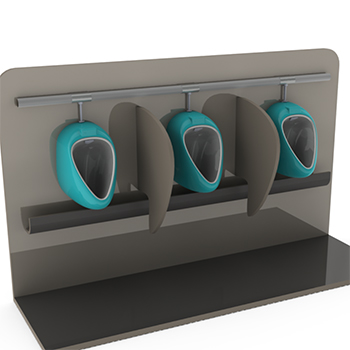
Redesign of School Amenities: Sanitation
by Suhrid Kiran Palsule
by Suhrid Kiran Palsule
Schools in India, especially the mid-segment ones, such as the Kendriya Vidyalayas, operate under tough conditions. Large numbers of students, limited resources, and tight budgets are a few of the issues that many schools have to deal with. Under such circumstances, where completion of the academic curriculum is, in itself, a challenging task, things like the provision of proper school amenities like furniture, lab equipment, sanitation and hygiene tend to get less priority. The project is an attempt to understand the importance of good sanitation in schools and aims at designing sanitaryware for the same.
Details >>
Gym Equipment for Home
by Suhrid Kiran Palsule
by Suhrid Kiran Palsule
The project deals with the design of fitness equipment. "Fitness" in itself is a very broad term, which brings to mind a plethora of images and thoughts. This project, however, deals with a certain kind of fitness equipment, widely known as "gym equipment’ (although its technical name would be "strength or resistance training equipment"), keeping in mind a specified objective and user profile, which shall be explained later on. This project was born out of the desire to provide people (namely young men and women) the necessary equipment that they would need to perform "strength training exercises" at home.
Details >>
Special Project on vehicle aerodynamics
by Vinish Janardhanan
by Vinish Janardhanan
Aerodynamics is a highly refined science that vies for position with other key vehicle design considerations such as styling and ergonomics. Its importance with respect to the operating efficiencies of a vehicle is undisputed, but manufacturers must steer a balanced path between the push and pull of the many other aspects of a car necessary to sell it to the consumer. A study of various aspects of aerodynamics was studied to see how vehicles have evolved over the years. From the designers' point of view, how the form of the vehicles can be maintained while keeping in mind the aerodynamics involved was looked upon. The word comes from two Greek words: aerios, concerning the air, and dynamics, which means force. Aerodynamics is a branch of dynamics concerned with studying the motion of air, particularly when it interacts with a moving object. Aerodynamics is important in a number of applications other than aerospace engineering. It is a significant factor in any type of vehicle design, including automobiles. It is important in the pre[1]diction of forces and moments in sailing. It is used in the design of large components such as hard drive heads. Structural engineers also use aerodynamics, and particularly aeroelasticity, to calculate wind loads in the design of large buildings and bridges. Urban aerodynamics seeks to help town planners and designers improve comfort in outdoor spaces, create urban microclimates, and reduce the effects of urban pollution. The field of environmental aerodynamics studies the ways atmospheric circulation and flight mechanics affect ecosystems. The aerodynamics of internal passages is important in heating and ventilation, gas piping, and in automotive engines where de[1]tailed flow patterns strongly affect the performance of the engine.
Details >>
Designing furniture for school at Infiniti Modules Pvt. Ltd. Goa
by Vinish Janardhanan
by Vinish Janardhanan
The internship was an opportunity to put into practise all that was studied and to get first-hand experience of what actually happens in a company. The factors that influence designing a product in a real-world scenario The project involved firstly understanding the company departments, their contributions to the system, and how all of them work together. The project task was to develop a new set of school furniture—a table and chair. The furniture set was taken from the drawing board to production, finally bringing it into the market. The company offers contemporary, ergonomic, and high-quality furniture products in India for the office and school. Strategic alliances with world leaders offer a complete suite of products. The company uses the best raw materials and processes under stringent quality control standards to ensure superior products. Infiniti also supplies high volume OEM components like shutters, drawers, etc . Successful office and school projects have been executed across the country, and the company has substantial exports as well.
Details >>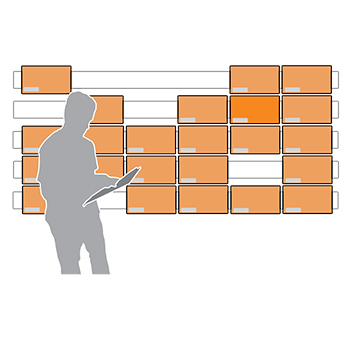
Designing a letter sorting device for mirakle couriers
by Vinish Janardhanan
by Vinish Janardhanan
A courier is a person or company employed to deliver messages, packages, and mail. Couriers are distinguished from ordinary mail services by features such as speed, security, tracking, signature, specialisation and individualization of services, and committed delivery times, which are optional for most everyday mail services. A courier company’s main aim is to provide the highest level of customer service possible through a fast and efficient delivery system. There is an increasing need for accurate and fast sorting work to compete with other similar service providers. It all starts with the mailing system. No matter the size of the organization, a well-engineered system can increase productivity, maximise efficiency, and streamline the workflow. Large chunks of mail have to be delivered every day, from magazines, bills, personal mail, etc., of various sizes. By providing an organised method of handling the mail, it ensures fast and efficient work. Mirakle Couriers is a newly established courier company located in south Mumbai. They are unique in that they only hire deaf adults.Since they are deaf, the scenario of the working conditions changes. My goal in this project is to provide compact sorting furniture that is ideal for limited space and easy adaptability to ensure efficient mail processing.and customise it for the special needs of Mirakle Couriers.
Details >>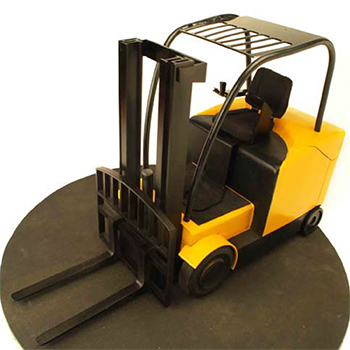
Redesigning of industrial vehicle electric forklift
by Vinish Janardhanan
by Vinish Janardhanan
A courier is a person or company employed to deliver messages, packages, and mail. Couriers are distinguished from ordinary mail services by features such as speed, security, tracking, signature, specialisation and individualization of services, and committed delivery times, which are optional for most everyday mail services. A courier company’s main aim is to provide the highest level of customer service possible through a fast and efficient delivery system. There is an increasing need for accurate and fast sorting work to compete with other similar service providers. It all starts with the mailing system. No matter the size of the organization, a well-engineered system can increase productivity, maximise efficiency, and streamline the workflow. Large chunks of mail have to be delivered every day, from magazines, bills, personal mail, etc., of various sizes. By providing an organised method of handling the mail, it ensures fast and efficient work. Mirakle Couriers is a newly established courier company located in south Mumbai. They are unique in that they only hire deaf adults.Since they are deaf, the scenario of the working conditions changes. My goal in this project is to provide compact sorting furniture that is ideal for limited space and easy adaptability to ensure efficient mail processing.and customise it for the special needs of Mirakle Couriers.
Details >>2015-2017
(55 items)

Comparative Analysis between Design Education of Germany and India
by Anirban Maiti
by Anirban Maiti
This is a quantitative content analysis research-based project to look into the course curriculum of several famous design institutions from two countries: India, the fastest growing country, and Germany, the most developed country, and how they are very different in the principles and focus of the education system with respect to background history and the present political and socio-economic situation. After this, synergy between these countries will be discussed, and accordingly, the paper will conclude with relevant inferences from the experiment.
Details >>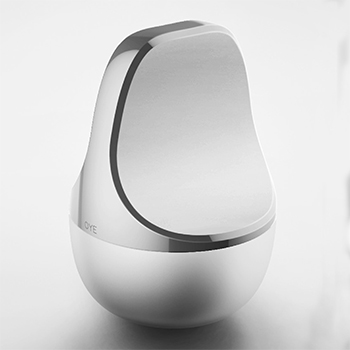
Summer Internship at TEQZO
by Anirban Maiti
by Anirban Maiti
The design of a ceiling fan for AARNA within the given domain with minimal change in the process line to create a new aesthetic style to revive their position in the current competitive market.
Details >>
Smart Kitchen Appliance
by Anirban Maiti
Details >>
by Anirban Maiti
In the coming days, spaces will be very costly. For that reason, size(area) for homes will be lesser and lesser day by day. From this point of view, people will start reducing spaces in toilets, bathrooms, kitchens, balconies, and other secondary spaces after having the minimum primary spaces for bedrooms, living rooms, etc., and that is how Open Kitchen evolved.
And if we see any kitchen in a modern house, there will be lots of electronic gadgets for saving time, space, and further maintenance costs. But as the space in the kitchen area is reducing day by day, people will need some smart and multipurpose kitchen devices that will act more efficiently, save spaces, and keep the kitchen clean.

Drowsiness Prevention System
by Anirban Maiti
Details >>
by Anirban Maiti
Many drivers know this scary situation: on long highway drives, attention drops instantly. Due to many reasons, the driver gets tired and can't resist sleeping on the wheel. Those sleep-related fatigue issues can be monitored easily, and there is a huge opportunity to save thousands of lives from highway accidents, especially at night time.
In India, drowsiness is one of the major reasons behind accidents like drunk driving. So, it is an important field to work on and come up with non-intrusive solutions with less cognitive load.

Armature design for animatronics and stop motion animation
by Ankur Rawal
Details >>
by Ankur Rawal
Animatronics originates from the words anima and electronics. Anima means to animate, while electronics provides the control parameters for the movements. Animatronics refers to the use of robotic devices to emulate a human or an animal or bring lifelike characteristics to an otherwise inanimate object. A robot designed to be a convincing imitation of a human is more specifically labelled as an android. Modern animatronics have found widespread applications in movie special effects and theme parks and, since their inception, have been primarily used as a spectacle of amusement.
Animatronics is a multi-disciplinary field that integrates anatomy, robots, mechatronics, and puppetry, resulting in lifelike animation. Animatronic figures are often powered by pneumatics, hydraulics, and/or electrical means and can be implemented using both computer control and human control, including remote operation. Motion actuators are often used to mimic muscle movements and create realistic motions in limbs. Figures are covered with body shells and flexible skins made of hard and soft plastic materials and finished with details like colours, hair, feathers, and other components to make the figure more realistic.
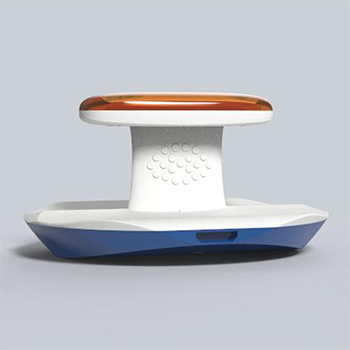
Design of a Frugal Vein Detector for Kids
by Ankur Rawal
- Form fits the hand of children in the age group 2-10 years. - Comfortable for the doctor to hold. - Provides illumination on the back of the hand for effective venipuncture. - No parting lines come in contact with the patient’s skin, keeping it averse to catching germs.
Details >>
by Ankur Rawal
Intravenous injections have been used in the medical industry for various drug deliveries. Locations for conducting venipuncture are hospitals, pathology labs, dispensaries, etc. A key issue in this procedure lies in finding a suitable spot for injection. Many individuals face difficulties as their vein is not visible or close enough to the surface for a successful venipuncture. A vein detection device was made by Trivikram Annamalai, an IDC ex-student, in 2014. This project takes the technical learnings from the development of the vein detector and targets a specific user segment—kids—owing to their special requirements and constraints.
Kids, owing to their soft epidermal tissues and thin bones, allow for red light (in the near infrared region) to pass through their palms and make the venal structure visible on the back of the hand. This aspect, along with ethnographic observations from the hospital about the way paediatric patients are handled for a venipuncture, led to the development of a doctor- and patient-friendly form. The final design includes the following:
- Form fits the hand of children in the age group 2-10 years. - Comfortable for the doctor to hold. - Provides illumination on the back of the hand for effective venipuncture. - No parting lines come in contact with the patient’s skin, keeping it averse to catching germs.
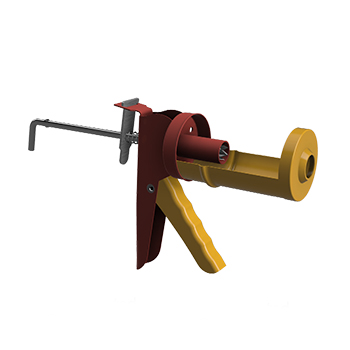
Design Intervention in Ambadi Calyx Removal
by Ankur Rawal
Details >>
by Ankur Rawal
Ambadi, globally known as Roselle (scientific name: Hibiscus sabdarifa), is a nutritional herb with various health and economic benefits stemming from the processing of its various parts. Over the past few years, the importance of Indian rosehip has re-emerged as a nutritional and medicinal herb. Global demands have skyrocketed for its healthy Hibiscus tea. It is envisioned that Indian rosella reaches a higher economic potential to match that of Malaysia, China, and Africa. The current bottleneck lies in optimising the separation process so that more produce can be made from the 10-day annual cultivation season. Hence, this project aims at bringing in a design intervention for enhancing production while exploring MSME and SHG style set ups to enterprise the crop and bring benefit to the farmer and associated channels at large.
The plant’s morphology and vernacular nomenclature were first observed, along with gathering all available information about the dimensions of the varieties under cultivation. Through the RuTAG team and the project guide’s network in Vidharbha region, two enterprises were found: one was an institute for village initiatives, and the other was an entrepreneur who has India’s first FSSAI licence for Ambadi Tea. The two economic models were thoroughly studied for their approaches to labour, logistics, and quality. Desk research about Roselle’s development in Florida, Sudan, Kenya, and Malaysia was done, along with understanding the basics of food post-processing. Two commercial retailers from e-commerce websites were also contacted to seek bottlenecks for the industry in general.
The task at hand was to reduce the drudgery in the calyx removal process of Ambadi, and initial ideations, including sketches and mockups, were done much before the harvesting period so as to get primary feedback from stakeholders while doing an initial field visit. This helped us have very involved conversations with the enterprise heads, and the modifiable nature of the mockups helped us quickly iterate based on feedback.
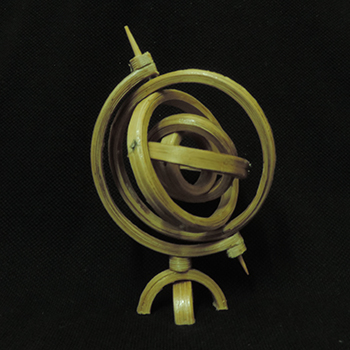
Product Possibility of Form Generation Tools for Bamboo Craft
by Antik Mallick
Details >>
by Antik Mallick
This shape generation tool aims towards the modernization of bamboo, where bamboo strips are used as an industrial material. Bamboo strips have been a traditional material for weaving baskets and many more different kinds of lifestyle accessories. IDC Bambu Studio is also putting forth its efforts to develop many mass-manufacturing tools, product manuals, and workshops for working with bamboo strips and the system connected with it.
During the time duration of my project 2, we decided to make the shape generation tool specifically for jewellery application because of its need in the system.
These tools follow A.G. Rao sir’s philosophy of "Product Specific Tools for Bamboo Craft". They also provide opportunities for the further design and development of some tools, which could prove to be game changers in both craft and industrial product design.
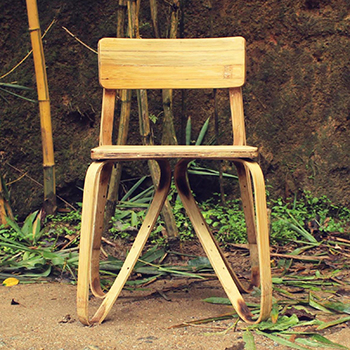
Summer Intership at URAVU (NGO)
by Antik Mallick
by Antik Mallick
"Uravu is a non-government organisation (located in Trikkaipetta village in Wayanad district, Kerala state, south India) that works with people, governments, and businesses to implement programmes for sustainable employment and income generation in rural areas. Uravu is a nonprofit trust established in 1996 and registered under the Indian Trusts Act. Uravu promotes social enterprises based on the value addition of local natural resources, especially bamboo, the "green gold."
Details >>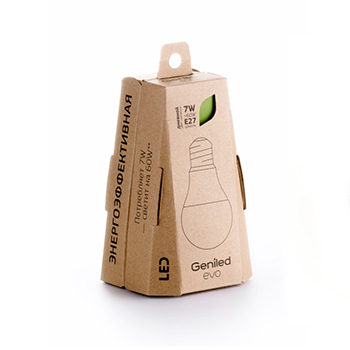
Report on Interactive Packaging
by Arjun Prasanth
by Arjun Prasanth
The packaging of a product is what connects the consumer to the product. It is the outer shell, the apparel, of the product. Interactive packaging enhances the user experience of the product in accordance with the context of its usability aspect with the additional values of interaction elements for the user to make it more exciting and engaging. Extensive study has gone into this paper, which includes everything from a literature review to an analysis of different types of packaging to bring out a clear definition for interactive packaging. The similarities and differences among smart, intelligent, and interactive packaging have been analysed.
Details >>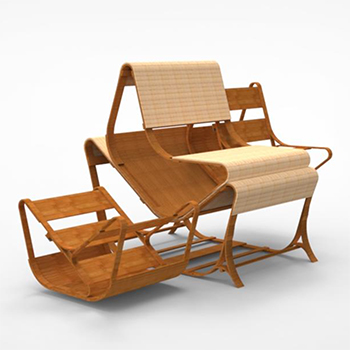
Journey with bamboo
by Arjun Prasanth
by Arjun Prasanth
An extensive exploration of the wonder material ‘bamboo’ is done at Uravu, Wayanad, for a deep understanding of the possibilities that can be achieved through the manipulation of the material. Certain design solutions and suggestions for an existing resort were put forward as a development of the current scenario there. During the course of one month, staying at Wayanad with a bunch of bamboo enthusiasts around helped a lot in terms of design thinking and acquiring a deep understanding of the material, which in turn helped to make toys out of bamboo.
Details >>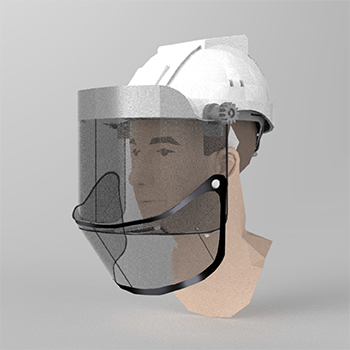
Wearable for Jalaai( brick firing) workers for thermal protection
by Arjun Prasanth
by Arjun Prasanth
Brickmaking is labour-intensive, mostly unskilled work, and requires different levels of skill in different parts of brickmaking. Each worker has a specific function and has to be highly skilled and specialised in that work. Brick kilns in India are mostly manually operated. The process of jalaai involves baking green bricks and strengthening the bricks for a specified time. The workers who perform this task are known as Jalaai workers. Jalaai workers have to endure high heat stresses while working on the kiln top against the background of general environmental heat. This study was focused on the Jalaai workers and the challenges that they face while working, their occupational health hazards, and their possible solutions. This project, in particular, was aimed at reducing the radiant heat being experienced by the workers, with special reference to their face and neck region.
Details >>
Design of head gear and personal protective suit for wild honey bee harvesters
by Arjun Prasanth
Details >>
by Arjun Prasanth
The project addresses the issues faced by wild honey harvesters by having a comprehensive study of the entire wild honey harvesting process. The non-violent harvesting of rock bee honey and wax and their post-harvest storage are taken into consideration when developing a comprehensive design approach. The wild bee (Apis Dorsata) is considered the most defensive of all honey bee species, and their nests are mainly built in exposed areas far from the ground, like on tree limbs, under cliff overhangs, and sometimes on buildings.
A site visit to Wardha, Maharashtra, improved the knowledge of the wild honey harvesting process through the interaction of honey harvesters. The visit to the workshop where the protective suits are made helped in understanding the issues with the existing suit design and manufacturing process. The tools and methods used to make the suits are very frugal, and a similar approach was continued in the project in order to make it easy for manufacturing. After analysing the manufacturing process and the interactions with honey harvesters, the design direction for the project was formulated.
The design direction was to achieve an optimised solution for the manufacturing of the suit using locally available facilities. The protective suit was required to withstand bee stings and wear and tear from the bark of trees while climbing and crawling during the harvesting process to ensure safety and personal protection for honey harvesters. Hence, the fabric chosen should be durable enough, so canvas cloth is chosen as the material. An industrial hard hat had also been integrated to ensure the safety of the skull area. The need for cleaning the suit after every honey collection was taken into account in the design process. The design had evolved to ensure smooth working and the safety of the personnel, who climbed several beehives one after another without compromising on comfort.
Initial ideas with mockups were made, and further feedback from actual users was obtained. Prototype testing with the mock-ups helped refine the concept. Based on the feedback received from the harvesters, some ideas were taken forward to develop them as concepts with features like quick fixing of canvas with the helmet, lightweight and durability, ease of washing, and ease of manufacturing. Anthropometric measurements of three sizes (small, medium, and large) were adopted during fabrication. A full protective suit was made for demonstration, and constructive feedback was received. The project was useful in the field of wild honey harvesting to raise awareness of safety and self-protection while carrying out the harvesting process.
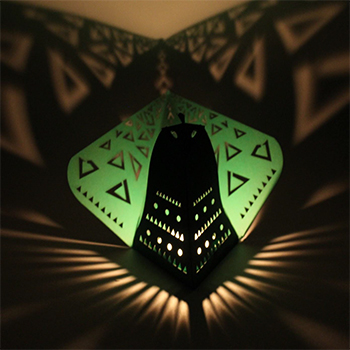
Paper Lamps; Metaphors of Light
by Arun Shah
Details >>
by Arun Shah
Lamps have a primary function. To provide light But why do we need the light, and how do we need the light? This is where design becomes an answer. Light, colour, shadow, pattern.. All these can be manipulated to bring in meanings and emotions.
Paper lamps are known as very common and very simple products. The catch here is the play of light and shadow. This is what makes the lamp so emotional. Where light and shadow create visual metaphors, they give another meaning to the product.
This project aims to explore the design of a tea candle paper lamp by developing the design and improving its usability and aesthetics.

Copper Bells of Kachchh
by Arun Shah
Details >>
by Arun Shah
Kachchh, commonly written as "Kutch," is the largest district in India and is located in Gujarat state. Kutch is an ethnic web of interwoven cultures, a land of vibrantly colourful art and craft heritage. This cultural mix plays host to a thriving exposition of textiles, ornaments, and living styles, eulogised within a contemporary framework. Kutch literally means something that intermittently becomes wet and dry; a large part of this district is known as the Rann of Kutch, which is a shallow wetland that submerges in water during the rainy season and becomes dry during other seasons.
The Rann is famous for its marshy salt flats, which become snow white after the shallow water dries up each season before the monsoon rains. The district is also famous for the ecologically important banni grasslands with their seasonal marshy wetlands, which form the outer belt of the Rann of Kutch. The district is surrounded by the Gulf of Kutch and the Arabian Sea in the south and west, while the northern and eastern parts are surrounded by the Great and Little Rann (seasonal wetlands) of Kutch. The languages spoken predominantly in the Kutch district are Kutchi and Gujarati. The script of the Kutchi language has become extinct. It is now mainly written in the Gujarati script.
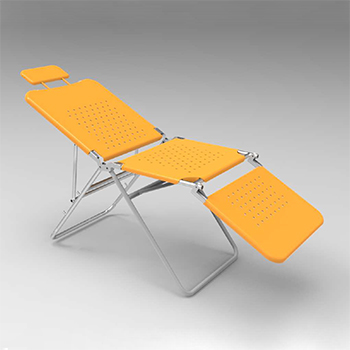
Portable Patient Chair for Dental Camps
by Arun Shah
by Arun Shah
My research in dentistry had begun when I was doing a collaborative course with the BETiC lab at IIT Bombay. I was working with a group of students and was working on developing dental equipment for lighting in dental surgeries. We had done a background study on dentistry and the issues related to it. In focus, we also studied the dental chair. There were many issues that we were trying to address. The portability of the dental chair was one of the issues that came to my attention. From earlier conversations with dentists, I had gotten the idea of developing a portable dental chair. After the completion of the course with BETiC, this project was taken forward, and I did my research on this specific issue. The chair is not just a chair for the patients; it is also the work station for the dentists. This understanding of the usability of the chair is what triggered the design thinking for me. This project gave me a lot of experiences and a lot of insights in the field of Indian dentistry. In the following chapters, I will describe in detail the process of designing this product and the insights and scope of this project.
Details >>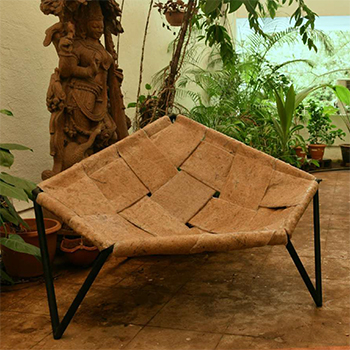
Coir In Furniture
by Arun Shah
Details >>
by Arun Shah
The coconut tree is called "Kalpa vriksha". Which means that the tree makes every dream come true. That's pretty much the truth after all. The coconut tree is one of the most useful trees in the environment; from flower to root, every bit of it can be used for many applications. Coir is the natural fibre from coconuts. There are many products made out of coir.
The Coi Board of India is a government institution under the Ministry of Micro, Small, and Medium Enterprises. They have been researching the development and improvement of this sector. There have been a lot of new turnovers in terms of processing and product development, and India is one country with a really large scale of coconut tree plantations. This amazing fibre contributes more than just a handful of products to different sectors in Kerala. It is also being exported to many countries because of its characteristics and durability.
Furniture design using coir is not an entirely new thing. There have been many innovations in design using coir as a raw material. The coir board itself promotes student projects in many areas to bring innovation to the sector.
In this project, I will be exploring the possibilities of coir as a material for furniture design. I will look into different manufacturing processes and see whether we can manipulate them to yield new forms, textures, etc.
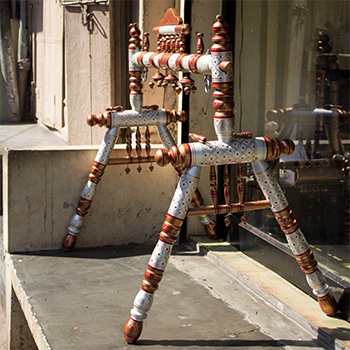
Visual Ethnography of Sankheda Craftsmen
by Aswin Sasindran
Details >>
by Aswin Sasindran
This visual ethnographic study aims at capturing the pulse of the Suthar community in Sankheda, a village in Chhota Udaipur district in the Indian state of Gujarat. The study was an experiential bliss for the hearts of the craftsmen that embody the turned wood furniture craft. Me and my camera were met by heart-warming families that shared their life, its struggles, and their craft with open arms. The study involved interviews with various craftsmen, including a master craftsman, a methodical documentation of the manufacturing process, a qualitative analysis of their work environments, their involvement with the craft, and the conflict of interests faced by present-day generations.
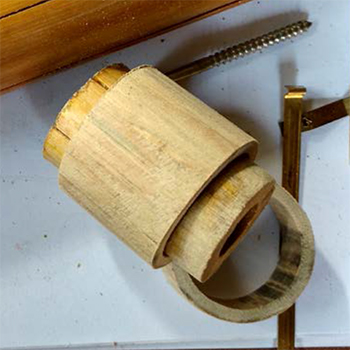
Summer Intership at Sargaalaya, Kerala Arts and Crafts Village, Iringal
by Aswin Sasindran
Details >>
by Aswin Sasindran
The report is part of the summer internship project carried out as a part of the M-Des in Industrial Design programme at IDC, IIT Bombay. The project helps to understand the various parameters that essentially make a tourism project successful. It aims to visualise the key issues faced by the institute in disturbing these parameters, which might hinder the development of the place at a later stage. The report also suggests solutions that are capable of giving a facelift to the institute with tiny tweaks to relevant parameters.

Redesign of Commercial Vegetable Processor
by Aswin Sasindran
by Aswin Sasindran
Vegetable processing in commercial kitchens is carried out without the help of machines with a wide range of processing capabilities and functions, and they require extreme durability along with higher productivity and performance. Most of the existing products in the Indian market, manufactured industrially, are imitations of their international counterparts and exhibit various design flaws. As an industrial designer, the purpose of redesign is to introduce new and competing products to the current scenario by optimising the existing design. The final concept addresses usability, ergonomics, and productivity issues considering a set of functional and manufacturing constraints.
Details >>
Sankheda: Design Optimisation and Production
by Aswin Sasindran
Details >>
by Aswin Sasindran
Sankheda is a village in Gujarat located in Chhota Udaipur district renowned for its turned wood furniture crafts. The craftsmen of Sankheda follow the traditional working postures in most of their activities, adapting them to their indigenous machinery and processes of manufacturing. Task analysis and interviews with craftsmen reveal the need to design and optimise their workplace for better productivity and health benefits. This project aims at designing a workstation for the craftsmen, focusing on reducing drudgery in their work environment and optimising the production process. The final concept can be extended to allied work environments to impart similar benefits.

Subsistence Design
by Devanshi Saksena
Details >>
by Devanshi Saksena
The word "design" is generally associated only with intricate, exclusive, and expensive products. In the marketplace, the names of top designers are used to sell overpriced products in all fields, be it cars, aircraft, or even handbags.
However, design is not the exclusive preserve of overpaid designers sitting in air-conditioned studios. Often, common folk faced with recurrent problems come up with elegant and low-cost solutions involving the modification of existing products. Manufacturers of everyday items are often surprised to see the innovative and unintended uses of their products. Smartphones, WhatsApp, and the internet ensure that such design ideas are widely communicated and replicated. In view of the usefulness and popularity of these homegrown products, mainstream designers have been forced to acknowledge the existence of this genre of design, which is classified as "subsistence design", jugaad," and "frugal innovation."
The aim of the present project is to examine the design efforts of common people who are not design literate academically but who design products for the specific needs of their particular communities from the resources available to them, mostly on a shoestring budget.
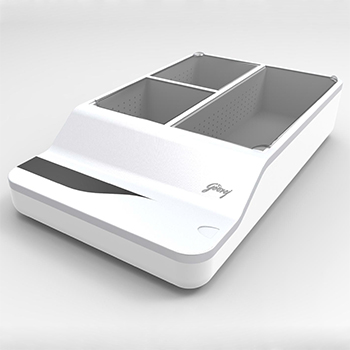
Summer Intership at Godrej & Boyce Pvt. Ltd
by Devanshi Saksena
Details >>
by Devanshi Saksena
Food steamers have been used for centuries. The ancient Chinese used pottery steamers to cook food, which date back to 5000 BC. Earthen, bamboo, and stainless steel materials were mostly used for food steaming. In India, steamers are mostly used in the north-eastern and southern parts. Earlier, people used to steam rice, fish, momos, and vegetables. With the recent changes in lifestyle and health, more and more people from other parts of India are turning to electric food steamers. People are using different techniques, including steaming. Food steamers are so advanced that there have been hardly any changes in terms of form and function.
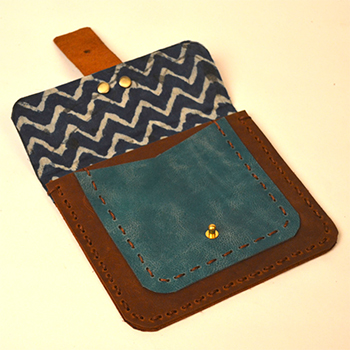
DIY Leather Kit
by Devanshi Saksena
Details >>
by Devanshi Saksena
Leather is a unique commodity that links the grass-roots level of villages with high societies and traditional practises with emerging technologies. For many developing countries, leather and leather manufacturers constitute an indispensable and dependable source for export trade and foreign exchange earnings. For India, leather is a high-priority industrial sector, and footwear exports are an extreme focus area. In just four decades since independence, India has made significant gains from the leather trade, progressing from the status of an exporter of 90% or more raw hides and skins to that of an exporter and predominantly leather product manufacturer.
Buoyed by good past performance and encouraged by the expanding world market for leather articles, India is on the move to increase its market share from the present level of around 3%. Earning foreign exchange aside, such trade expansion would mean the generation of substantial employment, skill building, and entrepreneurship development, as well as other widely spread socio-economic benefits.

Summer Internship at Imaginarium Pvt. Ltd
by Faizan Zahid
Details >>
by Faizan Zahid
A world in which manufacturing on-demand is a reality might not be that far away, as the price of 3D printers is dramatically falling. With costs for lower-end plastic-printing machines having plummeted in the last few years, the technology is now on the cusp of becoming mainstream. At this rate, any designer could have a tabletop 3D printer and use rapid prototyping without wasting time making handmade prototypes, time that can be spent more productively.
Product design, automobile design, or any design in general, along with the machine parts industry, healthcare, retail, and food are some of the examples and predictions of how 3D printing will intersect with modern manufacturing. This will be an influential technology in the coming years. While a number of industries will see positive change, few will undergo as many drastic shifts and evolutions as manufacturing.
We wanted to be a part of this revolution. We wanted to learn about the technology, processes, and future of product design. With that said, Imaginarium is India's largest rapid prototyping and rapid manufacturing centre. There’s no better place to start this journey than Imaginarium. With Imaginarium at the doorsteps of our college, there was no second thought.

Design of Furniture for Govt. Primary Schools
by Faizan Zahid
Details >>
by Faizan Zahid
These were the questions that came to mind when I visited government schools, regardless of the place, city, or village in which they were situated. But, these were not the only questions that bothered my mind, and I’m sure that I’m also not the only one to have noticed this.
Being a part of a family where teaching is a major profession, I have had quite a bit of exposure to schools and educational facilities. Evidently, the quality of the furniture (if present) depends upon the kind of school it is and the kind of funds available for it. But it's not just about the funds available; it's also about the nature and design of the furniture, which is a major part of the problem and will be discussed later in the report. As a student of design, it was a natural instinct to look for a design intervention for this scenario. It might, however, be a system-level intervention, but one can look at it as an approach to a level where apparent flaws in design could be removed. Hence, I started looking for clues.
It was even more surprising to learn that there had been a fair amount of research done on this topic throughout the country to understand the issue behind the ill-designed furniture in schools, especially in rural and remote areas. After going through a few of these reports, the validity of the issue was more clear, and I took it as a challenge to turn this potential topic into a successful design intervention.

Design for Blind People Accessing Public Buses
by Faizan Zahid
Details >>
by Faizan Zahid
Public transportation is the basic amenity that any city is supposed to have for travelling within and outside the city. That being the case, this amenity must be available to the residents irrespective of their social status, gender, physical condition, etc. It is also a basic right for every citizen to be able to navigate comfortably to places of work and so forth in the city of their residence.
Buses and trains are used by a large number of people on a daily basis. "Bus and rail networks are the lifeblood of Indian society and prime movers of the local economies," says Jamie Osborne, a transit planner and accessibility specialist with the San Francisco Municipal Transportation Agency, after a trip through India (Osborne, 2007). A lot of work keeps happening in the domain of transportation to give this comfortable commute to the citizens of a country like India with such a large population. Year after year, more people move to cities for opportunities, and the cities have to battle with infrastructural maintenance nonetheless, but we still need to buckle up to make public transportation accessible.
India has the largest blind population in the world at nearly 20 million. Around 1.5% of the population is blind. But the impairment does not restrict them from studying, having ambitions, or raising a family. Sadly, many portions of the world have still not been completely made accessible. Their basic requirement is affected when the navigation is curbed. Many people prefer staying indoors than to get out there and battle everyday with transportation and infrastructure.
This entire project is an attempt to help the visually impaired access public transportation with less difficulty and navigate to places that meet their needs more efficiently. As part of this project, I spent the initial part of the project’s tenure in Darmstadt, Germany. This was an attempt to understand the cultural differences, the infrastructural advancements, the attempts to provide solutions, and the design of a guiding system that would act as an assistant to the person using it, whether they were visually impaired. For the project, the chosen mode of transportation is the public bus since, after looking at some other transportation means, it seems the bus system is pretty much the same in both Germany and India. Both countries have visions to make their countries barrier-free by 2020 (Johari, 2017). Though one is a developed country and one is developing pretty fast, the visually impaired citizens did have their concerns about not being able to travel like their counterparts.
How do people of different age group tackle staircase?
by Irshath Ahamed
by Irshath Ahamed
A comprehensive movement analysis of stair climbing can help in the research of several rehabilitation methods. This research study provides the investigations and observations of a human’s lower extremity during ascent and descent walking at different inclinations. In addition to this, the analysis of stair ascent and descent can be useful in the design of private and public environments where stairways are employed. Several normal subjects ascended and descended a flight of stairs at similar inclinations for the study. Observations such as the subject’s starting position and reaching position, handrail usage, ascending and descending speed, foot position, knee position, body position, vision, and stuttering were noted; their psychological feel on the staircase, handrail material, and their problems were also discussed during the interview.
Details >>
Summer Internship at Imaginarium Pvt. Ltd
by Irshath Ahamed
by Irshath Ahamed
A world in which manufacturing on-demand is a reality might not be that far away, as the price of 3D printers is dramatically falling. With costs for lower-end plastic-printing machines having plummeted in the last few years, the technology is now on the cusp of becoming mainstream. At this rate, any designer could have a tabletop 3D printer and use rapid prototyping without wasting time making handmade prototypes, time that can be spent more productively. Product design, automobile design, or any design in general, along with the machine parts industry, healthcare, retail, and food, are some of the examples and predictions of how 3D printing will intersect with modern manufacturing. This will be an influential technology in the coming years. While a number of industries will see positive change, few will undergo as many drastic shifts and evolutions as manufacturing. We wanted to be a part of this revolution. We wanted to learn about the technology, processes, and future of product design. With that said, Imaginarium is India's largest rapid prototyping and rapid manufacturing centre. There’s no better place to start this journey than Imaginarium. With Imaginarium at the doorstep of our college, there was no second thought.
Details >>
Redesign of a Paediatric Standing Frame
by Irshath Ahamed
Details >>
by Irshath Ahamed
It is to design a standing frame for children that is inexpensive, has all the basic features, and could be used by all the children aged 16 to 18 months with cerebral palsy.
My shortlisted topic by the faculties is to design and create a new standing frame for children with cerebral palsy. The product should be used indoors.
Although the work should take into consideration all areas of the design process, particular attention should be paid to the functionality, aesthetics, and production cost of the proposed design concept. The Pinal solution should have a retail value of Rs. 10,000 or less.
I had a time period of 4 months to complete and submit this design brief. The primary presentation should be digital and include freehand sketches and final, realistic renderings.

Personal Protective Equipment for Beekeepers
by Irshath Ahamed
Details >>
by Irshath Ahamed
Beekeeping is the maintenance of honey bee colonies, commonly in man-made hives, mainly for their honey. Among all the equipment that the beekeeper or apiarist uses, the most important one is the sting-proof suit (bee suit), as it prevents the beekeeper from getting stung. Unfortunately, little has changed in the design of the bee suit since the 1800s, especially in the Indian scenario.
In developed countries, beekeeper’s clothing and accessories are available in a variety of fabrics and garment styles to meet the diverse requirements and circumstances related to handling bees. In India, however, due to a lack of availability of protective clothing, beekeepers are suffering from the sting of bees physically as well as psychologically. A survey conducted by IIT Delhi shows that presently, beekeepers in India are using mainly their personal conventional clothes, like conventional pants and shirts, kurta pyjamas, simple shoes and socks, and a bee veil, in their profession. They have no or insufficient special clothing to fulfil their professional needs.
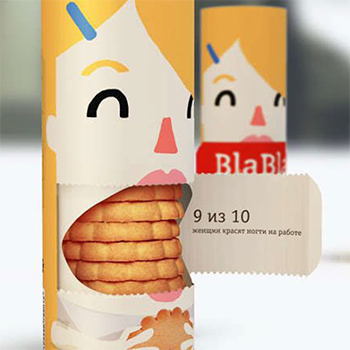
Defining Interactive Packaging
by Juwin Thomas
Details >>
by Juwin Thomas
Off late, it has been observed that we tend to issue fancy names and terminologies without much thought about the impact they would create. One such name (which is also the topic of this paper) is interactive packaging." In this paper, we look to identify and define the true meaning of interactive packaging. Extensive study has gone into this paper, which includes everything from a literature review to speaking to experts in packaging from India and abroad. In this paper, we attempt to bring out a clear definition of interactive packaging. We also want to shed light on other terms like intelligent or smart packaging and determine if and how they differ from interactive packaging.

Summer Internship at Sargaalaya, Kerala Arts and Crafts Village, Iringal
by Juwin Thomas
by Juwin Thomas
The report is part of the summer internship project carried out as a part of the M-Des in Industrial Design programme at IDC, IIT Bombay. The project helps to understand the various parameters that essentially make a tourism project successful. It aims to visualise the key issues faced by the institute in disturbing these parameters, which might hinder the development of the place at a later stage. The report also suggests solutions that are capable of giving a facelift to the institute with tiny tweaks to relevant parameters.
Details >>
Redesign of Insect Killer
by Juwin Thomas
Details >>
by Juwin Thomas
A pest is defined as a destructive insect or other animal that attacks crops, food, livestock, and humans. Insects like houseflies, mosquitoes, and moths are often attracted to food, human or animal presence, and light. These are the most commonly found pests in public areas, and if left unchecked, they rapidly spread diseases and cause considerable damage to the environment. It is thus necessary to implement pest control measures to ensure healthy living conditions.
Pest control equipment and insect traps are getting increasingly popular these days. They play a key role in trapping and killing insects in public and indoor spaces, which helps minimise pest populations in surrounding areas. In this project, I have looked into the possibilities of redesigning insect killers by adopting newer technologies that are safer and more effective with reduced health hazards.
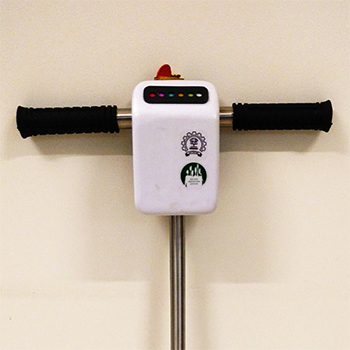
Soil Moisture Sensor
by Juwin Thomas
Details >>
by Juwin Thomas
Agriculture is "the backbone of the Indian economy". In 2012–13, agriculture contributed to 13.9% of the total GDP and employed 47% of the total workforce population. Due to the increasing population, basic needs such as food and water are increasing day by day. Thus, it is substantial to save these resources and utilise them in an efficient manner. Since water is one of the most important elements in our daily lives, we must adapt to efficient ways of utilising it and saving it for future generations. One of these methods is efficient irrigation management practises for fields. Irrigation water management practises could greatly benefit from knowing the amount of moisture in the soil. By knowing the moisture value, we can estimate when and how much to water the fields so that there is no over-watering or wilting of crops. Water-holding capacity varies from soil to soil. Moreover, different varieties of crop require different amounts of water for optimum growth.
Rajul S. Patkar (2016) has developed low-cost piezoresistive cantilever platforms for agricultural applications as a part of her Ph.D. thesis at IIT Bombay under Prof. V. Ramgopal Rao and Prof. M.S. Bagini. Through this project, I aim to design a low-cost soil moisture sensor by utilising proposed sensor-based technology developed at the electrical department of IIT Bombay for small and medium-scale farmers that helps them provide optimum irrigation for crops and thereby increase productivity.
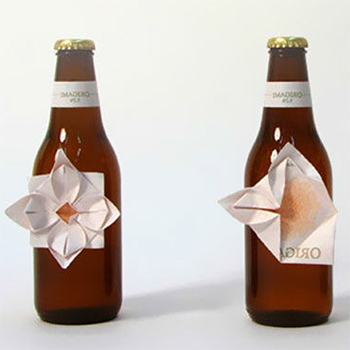
Defining Interactive Packaging
by Nishith Parikh
Details >>
by Nishith Parikh
Off late, it has been observed that we tend to issue fancy names and terminologies without much thought about the impact they would create. One such name (which is also the topic of this paper) is interactive packaging." In this paper, we look to identify and define the true meaning of interactive packaging. Extensive study has gone into this paper, which includes everything from a literature review to speaking to experts in packaging from India and abroad. In this paper, we attempt to bring out a clear definition of interactive packaging. We also want to shed light on other terms like intelligent or smart packaging and determine if and how they differ from interactive packaging.
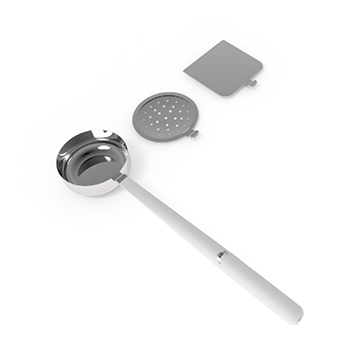
Development of a smart cooking aid. Godrej and Boyce Mfg. Co.
by Nishith Parikh
Details >>
by Nishith Parikh
Cooking is the practise or skill of preparing food by combining, mixing, and heating ingredients. Anyone who has a fair amount of experience in cooking knows that it is certainly more than that. It is, in a way, science. It is how different ingredients react with each other over time and how the reactions can be altered with various factors such as time, type of heat source, and also the type of vessel used. It is a delicate balance of flavours and textures, and the experience of eating that perfect meal is unlike any other.
India, owing to its diversity, has a wide variety of cooking habits and cultures. Each region has over the years developed its own staple food based on the produce and environment. Food habits vary not only across large distances but also between two different places in the same state. As a result, no other country in the world offers such complexity and diversity in its cooking habits as India does.
Indian cooking is one of the most complex of all cuisines. Originally developed by our ancestors, it usually involves quite a few ingredients and multiple steps. Even something as common as a dal has around three to four cooking processes. These steps are essential to not only obtain the best flavour but also retain its nutritional properties. So, it is no secret that Indian cuisine is considered to be the most balanced and healthy of all. Recipes passed down from generations have ensured that rich and healthy food is still consumed by a considerable number of people. Even though newer cooking appliances like microwaves and induction cooktops have made their way onto the market, we have still found a way to cook our Indian dishes on them.
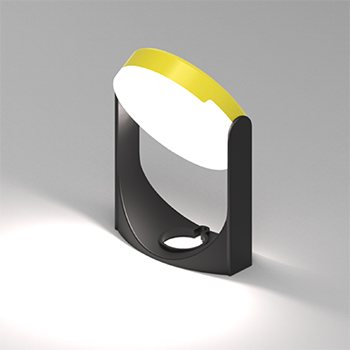
Redesign of the (Million SoUL) Solar Lamp
by Nishith Parikh
by Nishith Parikh
A staggering 40% of our country’s population still uses the kerosene lantern as their main source of lighting. In the age of efficient and affordable lighting solutions, it is the bitter truth that we as a nation must accept. Million SoUL is an IIT Bombay initiative where people work to localise solar energy through the local assembly, sale, and usage of 1 million Solar Urja Lamps (SoUL) in India. Te team is rigorously working to enable children in the rural parts of India to study without the dependence on primitive forms of lighting such as kerosene lamps. This project is an attempt to redesign the lamp made by Million SOUL so as to improve its usability, reduce its overall cost, and also bring a comprehensive change with respect to the current design.
Details >>
Product for catering service on semi luxury non suburban Indian Passenger Trains
by Nishith Parikh
by Nishith Parikh
The number of passengers travelling in non-suburban Indian trains has almost doubled in the past four years. Consequently, more trains have been added, and a lot of these include express trains that run over long distances. As a result, more people now have to be fed. The methods have, however, remained more or less the same for quite some time. Even in semi-luxury express trains like the Rajdhani, Shatabdi, etc., we can still see the primitive ways of serving food. This project attempts to solve the problems faced by the waiters on semi-luxury express non-suburban trains with regard to the distribution of food to the passengers.
Details >>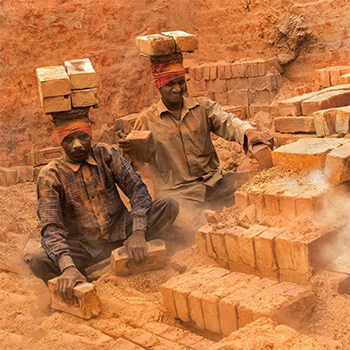
Ergo-design considerations on respiratory filter design for Brick Kiln workers
by Pooja Kulkarni
Details >>
by Pooja Kulkarni
Bricks are a very important raw material in the construction industry. Due to the rapid urbanisation, the requirement for bricks is high. India is the second-largest producer of bricks (after China), yet most of the tasks are still performed manually.
There is a huge discrepancy in the wages and the working hours for the brick kiln workers. Also, the working conditions are wretched. Low wages and hazardous working conditions lead to the deterioration of the health of the workers and lower productivity.
Usually, an entire family is involved in brick production, and they get Rs 400–500 for 1000 bricks. Although the industry provides employment to a large number of people, it violates their rights as the labourers are underpaid and exploited. "The labourers become bound after they take an advance. They are physically tortured by the contractor if they wish to leave their job. Even their payments are stopped, making it hard for an entire family to survive," Sudhir Kumar Katiyar, project coordinator of the Udaipur-based non-profit Prayas Centre for Labour Research and Action, said at the dialogue.

Summer Internship at 3F Design Company
by Pooja Kulkarni
by Pooja Kulkarni
The project was to design a desktop organiser series using organic forms and create an interesting range of products that will stand out on the office desk. Using unconventional forms, materials, and processes to design products that will be manufactured in small quantities. The minimalist cube made during the Advanced Forms course was the starting point for the project. Aluminium casting and resin casting were the two processes that were shortlisted. Another inspiration for the project was the product range developed by Mukul Goyal.
Details >>
Design of a Deployer Device for Endo Retractor
by Pooja Kulkarni
Details >>
by Pooja Kulkarni
During a laparoscopic cholecystectomy, traditionally, four incisions are made. One is for the laparoscope, two are the operating ports, and one is to hold the gallbladder to expose the Calot’s Triangle that needs to be cauterised to separate the gallbladder from the liver. Endoretractor was designed by Lata Chawla with BETiC and under the guidance of Dr. Rasik Shah to hold the gallbladder in place. This device eliminated one port and the need for human assistance during the surgery.
As the endorectal retractor in itself is an innovative design, no specific devices were used to deploy it. A crude set of devices and a lengthy procedure were used to test and validate the device. As the device is soon to be launched into the market, the need for a sophisticated deployer device arose.
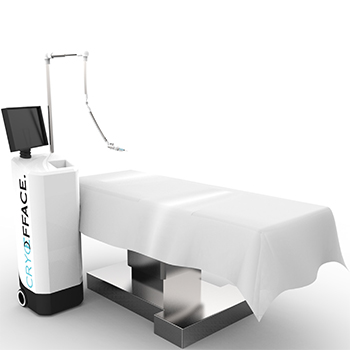
Device for Cryoablation of Tumors in Soft Tissue
by Pooja Kulkarni
Details >>
by Pooja Kulkarni
In the past two decades, major developments have happened in finding alternate cure methods for cancer. Cryosurgery is one such promising technique that uses extremely low temperatures to kill cancer cells. As this procedure can be performed with minimal invasion, it has huge benefits over the traditionally performed surgeries. Research and development have been happening in developing devices for curing breast cancer using cryosurgery.
Abdul Mateen A. G. Shaikh, Prof. Atul Shrivastava, and Prof. Milind Atrey have designed a liquid nitrogen cryoprobe and tested it for ice formation. This device needs design intervention to make it usable. There is scope to innovate and come up with a product that can change the cancer research scenario worldwide.
The project aims to design an ergonomic probe for cryosurgery for breast cancer, which can later be scaled to incorporate other organs, and also propose a system for the same. The primary aim of the project is to design an ergonomic probe, keeping in mind the design constraints for a class II device and also for a cryogenic device. An operative process that requires less time compared to the current operative processes and is minimally invasive has also been proposed.
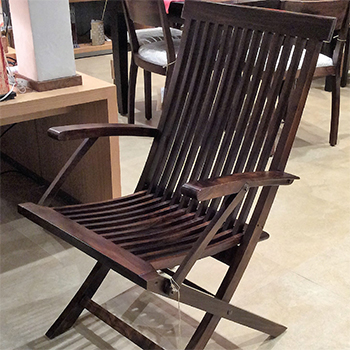
Craft Branding & Positioning
by Pritesh Chavan
Details >>
by Pritesh Chavan
India is the land of rich handicrafts and beautiful traditions, as well as marvellous and unique artistic work. From decades, Indian craft has offered a warm charm to our many day-to-day objects with its unique design and quality.
It’s interesting how there are a lot of portals today showcasing art forms and handicrafts from remote corners of India. This project is an effort to analyse and understand brands that promote craft products specifically made in India. The focus was to understand how some craft companies in India brand themselves and position their products for the contemporary urban consumer.

Furniture Design for Kids
by Pritesh Chavan
Details >>
by Pritesh Chavan
In PurpleStem, all the product designers are assigned to one particular category of furniture designs. Some designers were working on living room furniture, some on sofas, tables, etc. I was very fortunate to get to work on a new category that wasn’t explored yet in PurpleStem, and that was furniture for kids. This was not the only reason to get me excited, but also that the end products were going to get manufactured and sold on the new website. So it was a great responsibility to produce something concrete, something that will really work, something that will make the difference.
I was also lucky to get good guidance and support from the fellow designers and colleagues to help me enjoy my one-month tenure and the opportunity to work hard towards the finished products.
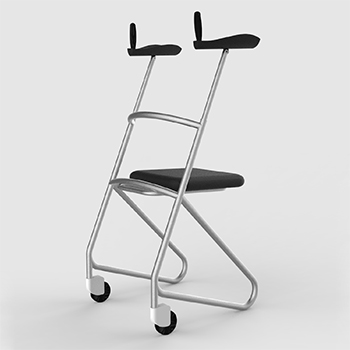
Walking Aid for Elderly
by Pritesh Chavan
Details >>
by Pritesh Chavan
In the medical field, suturing is the joining of tissues with a needle and "thread," so that the tissues bind together and heal. The "thread" is actually specialised suture material.
Dr Hemant Bhansali (laparoscopic surgeon from Nanavati Hospital, Mumbai) and Dr Rupesh Ghyar (chief scientist at BETiC, OrthoCAD Lab, IIT Bombay) have already developed and patented an auto-suturing device. During this project, problems related to functionality and usability were resolved.
A simpler suturing device was developed, which can be used by surgeons as well as paramedics with reduced cognitive load, resulting in ideal suturing.
The final output of the project is a full-scale model, and the working has been shown in the SolidWorks software with rendered animation.

Auto-Suturing Design
by Pritesh Chavan
Details >>
by Pritesh Chavan
In the medical field, suturing is the joining of tissues with a needle and "thread," so that the tissues bind together and heal. The "thread" is actually specialised suture material.
Dr Hemant Bhansali (laparoscopic surgeon from Nanavati Hospital, Mumbai) and Dr Rupesh Ghyar (chief scientist at BETiC, OrthoCAD Lab, IIT Bombay) have already developed and patented an auto-suturing device. During this project, problems related to functionality and usability were resolved.
A simpler suturing device was developed, which can be used by surgeons as well as paramedics with reduced cognitive load, resulting in ideal suturing.
The final output of the project is a full-scale model, and the working has been shown in the SolidWorks software with rendered animation.
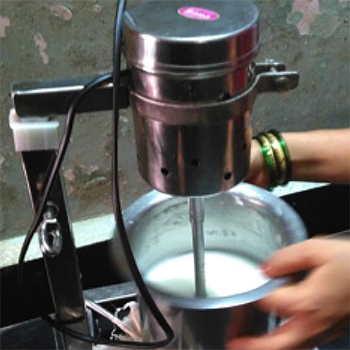
Subsistence Design
by Quashif Qureshi
Details >>
by Quashif Qureshi
The word "design" is generally associated only with intricate, exclusive, and expensive products. In the marketplace, the names of top designers are used to sell overpriced products in all fields, be it cars, aircraft, or even handbags.
However, design is not the exclusive preserve of overpaid designers sitting in air-conditioned studios. Often, common folk faced with recurrent problems come up with elegant and low-cost solutions involving the modification of existing products. Manufacturers of everyday items are often surprised to see the innovative and unintended uses of their products. Smartphones, WhatsApp, and the internet ensure that such design ideas are widely communicated and replicated. In view of the usefulness and popularity of these homegrown products, mainstream designers have been forced to acknowledge the existence of this genre of design, which is classified as "subsistence design", jugaad," and "frugal innovation."
The aim of the present project is to examine the design efforts of common people who are not design literate academically but who design products for the specific needs of their particular communities from the resources available to them, mostly on a shoestring budget.
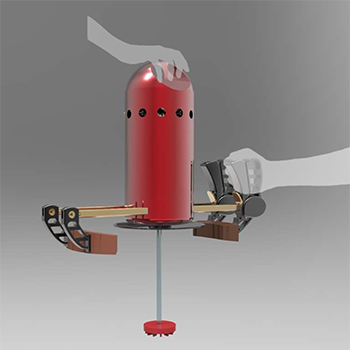
Summer Intership at SELCO Foundation, Bangalore
by Quashif Qureshi
Details >>
by Quashif Qureshi
India is a nation where the main occupation of the people in rural areas is agriculture and animal husbandry; in fact, India ranks first in milk production, accounting for 18.5 percent of the world's population. Even the urban areas are not left behind in fulfilling the local dairy needs of the people.
However, the availability of equipment to process the milk is very scarce and old-school, which has not changed for many years. People in villages still use muscular energy to make dairy products due to the unavailability of versatile equipment that can be used with their vessels. The frequent power cuts in these areas make it difficult to use modern electric devices for household use.

Manually Operated Brick Moulding Machine
by Quashif Qureshi
Details >>
by Quashif Qureshi
India is the second-largest brick producer (after China) in the brickmaking industry. Due to rapid urbanisation, demands for bricks are increasing from day to day.
The brick kiln industry is one of the major unorganised sectors in India, where most of the jobs are performed manually. While performing the job, the workers suffer biomechanically, physiologically, and psychophysically. The workers are also exposed to high concentrations of dust and temperatures. The sustained awkward squatting posture adopted by the workers for more than 6 to 8 hours imposes severe musculoskeletal stress and is thereby likely to cause permanent musculoskeletal injury to the workers. The human body is not suitable for this type of unnatural stress. As per our previous study, the average age of the brick kiln workers is 28 years. Due to tremendous work-related stresses, people beyond 40 years of age are seldom visible in this operation.
Previous studies in India showed that workers in brick-making industries suffer from assorted health problems due to awkward postures while making bricks and transferring heavy loads, heavy manual load handling, working under high environmental temperatures with high levels of dust, and facing extensive drudgery.
The purpose of the project is, therefore, to develop low-tech appropriate technology by introducing a versatile product that can help to reduce the drudgery in the most unplanned industry, which is the brick-making industry. It should create value for the human cost involved in such an intense process as brick moulding.

Design and fabrication of a Manually Operated Brick Moulding Machine
by Quashif Qureshi
Details >>
by Quashif Qureshi
After China, India is the second-largest brick producer in the brickmaking industry. Due to rapid urbanisation, demands for bricks are increasing from day to day.
The brick kiln industry is one of the major unorganised sectors in India, where most of the jobs are performed manually. While performing the job, the workers suffer biomechanically, physiologically, and psychophysically. The workers are also exposed to high concentrations of dust and high temperatures. The sustained awkward squatting posture adopted by the workers for more than 6 to 8 hours imposes severe musculoskeletal stress and is thereby likely to cause permanent musculoskeletal injury to the workers. The human body is not suitable for this type of unnatural stress. As per our previous study, the average age of the brick kiln workers is 28 years. Due to tremendous work-related stresses, people beyond 40 years of age are seldom visible in this operation.
Previous studies in India showed that workers in brick-making industries suffer from acute health problems due to awkward postures and repetitive manual load handling while making and transferring bricks, heavy manual load handling, working under high environmental temperatures with high levels of dust, and facing extensive drudgery.
The purpose of the project is, therefore, to develop low-tech appropriate technology by introducing a versatile product that can help to reduce the drudgery in the most unplanned industry, which is the brick-making industry. It should create value for the human cost involved in such an intense process as brick moulding.
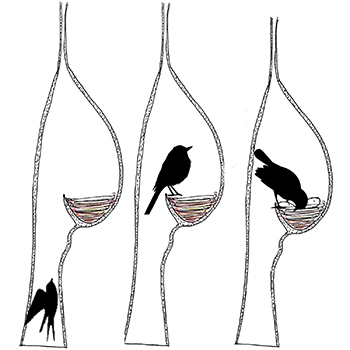
Structures in Nature
by Shefali Ugavekar
by Shefali Ugavekar
Structures are an integral part of our world. Our nature is full of such inspiring structures. The man-made structures are often derived from or inspired by the natural structures. This research focuses on studying these natural structures present in nature, picking one of them, studying it thoroughly, and coming up with creative applications of that structure.
Details >>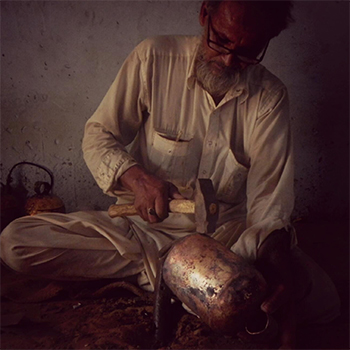
Copper Bells of Kachchh
by Shefali Ugavekar
by Shefali Ugavekar
Kachchh, commonly written as "Kutch," is the largest district in India and is located in Gujarat state. Kutch is an ethnic web of interwoven cultures, a land of vibrantly colorful art and craft heritage. This cultural mix plays host to a thriving exposition of textiles, ornaments, and living styles, eulogized within a contemporary framework. Kutch literally means something that intermittently becomes wet and dry; a large part of this district is known as the Rann of Kutch, which is a shallow wetland that submerges in water during the rainy season and becomes dry during other seasons. The Rann is famous for its marshy salt flats, which become snow white after the shallow water dries up each season before the monsoon rains. The district is also famous for the ecologically important Banni grasslands with their seasonal marshy wetlands, which form the outer belt of the Rann of Kutch. The district is surrounded by the Gulf of Kutch and the Arabian Sea in the south and west, while the northern and eastern parts are surrounded by the Great and Little Rann (seasonal wetlands) of Kutch. The languages spoken predominantly in the Kutch district are Kutchi and Gujarati. The script of the Kutchi language has become extinct. It is now mainly written in the Gujarati script.
Details >>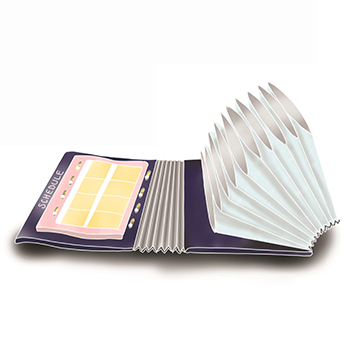
Medicine Organiser for Elderly
by Shefali Ugavekar
Details >>
by Shefali Ugavekar
Elderly consist of ages nearing on surpassing the average life span of human being. In India, it is 60 years. The boundary of old age cannot be defined exactly, as it does not have the same meaning in all societies. According to the WHO, the ageing process is a biological reality that has its own dynamics that are largely beyond human control. Age of 60-65 years i.e. retirement age is said to be starting of old age. 7.4% of the total population of India is said to be elderly, which is more than the male elderly population. Literacy rates are very low, around 20 for females and 50 for elderly males.
The need for a device or system arises due to the integration of various diseases in the elderly and the disability of the elderly to take care of themselves. Which results in dangerous ends. Diseases like dementia increase forgetfulness in older people, which results in accidents, skipping meals, skipping medicine, forgetting to go home, etc. Amongst these, forgetfulness in taking medicine is a bigger cause of many deaths. Forgetfulness sometimes also results in patients taking more dosages of medicines than recommended or even the wrong medicine. Reminding the patient of his medicines is the priority here. Due to old age's physical decline, the number of diseases increases. Resulting in increase in no.of pills i.e, 20-30 pills a day. It is difficult to manage those pills according to meal.
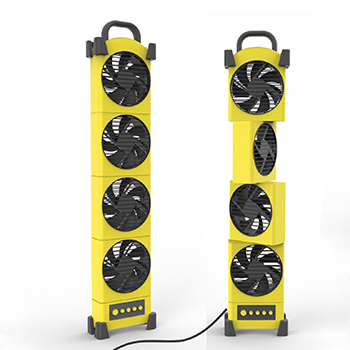
Solar Solution For Domestic Use In Rural Scenario
by Shefali Ugavekar
Details >>
by Shefali Ugavekar
Even after the electrification of 96% of villages in India, almost 30% of households still lack electrification, due to which villagers use kerosene as their main source of lighting. SoUL at IIT Bombay started an initiative to provide power in rural parts of India with solar energy to electrify regular households, helping rural people with day-to-day domestic activities and reducing their dependence on kerosene.
This project is an attempt to develop a solar solution to serve domestic needs in rural houses by providing them with a kit containing a set of lamps and add-ons like a fan, a mobile charger, and a radio, thereby improving their livelihood and enhancing usability. The kit is so designed that assembly, distribution, installation, and servicing will be done by the local villagers to create job opportunities.
2013-2015
(52 items)

Dabbawala: Service and Mobile Application Design
by Akshay N. Hargude
by Akshay N. Hargude
The dabbawalas (tiffin carriers) of Mumbai are a unique community of around five thousand people who efficiently serve up to 2 lac (0.2 million) customers every day. They have maintained their heritage working process since the inception of the service, and therefore any kind of technology has not been incorporated into their work. They are currently facing numerous business sustainability challenges, such as reaching out to new customers and maintaining their existing customer base. Bachelor employees working for MNCs rarely rely on home-cooked food and thus don’t employ their services. Through our research, we have understood that they might lose their current customer base soon as similar food delivery businesses with faster and better services are continuously emerging. To empower them, we introduce Dabbawala, a mobile application that enables partnerships between dabbawalas and food services around the city and directly connects them to their combined customer base. This application enables customers to order lunch from anywhere in the city. Customer registrations and any kind of money transaction are all handled through the application. The application is also used within the Dabbawala community to manage teams and responsibilities.
Details >>
Summer Internship at Tata Elxsi
by Akshay N. Hargude
by Akshay N. Hargude
The summer internship, as part of my academic requirement, was completed at Tata Elxsi, Pune, during the period from May 6 to June 6, 2014. Tata Elxsi is a design company that blends technology, creativity, and engineering. During the internship, I was involved in multiple projects ranging from packaging to product design. Due to the short nature of my internship, my involvement in the projects was more or less limited to the ideation phase only. In all the projects, I was part of a team, and credit for the works presented here also goes equally to the other team members.
Details >>
Redesign of Drumstick Plucker
by Akshay N. Hargude
Details >>
by Akshay N. Hargude
India is the largest producer of the Moringa tree's pod, referred to as drumsticks, in the world. Unfortunately, there are not any dedicated drumstick plucking tools available on the market. Farmers are using self-made tools made from locally available materials. These tools are not efficient enough to pluck only mature drumsticks out of a bunch. Sometimes, the entire branch of drumsticks gets damaged and breaks along with immature pods, causing loss.
Also, there are some other related problems, such as the collection of plucked pods, their market value, and the transportation and storage of pluckers, apart from issues like affordability, physical accessibility, etc. With this project, all these problems in the drumstick plucking activity are solved, and it is now a more efficient, quick, and easy task.
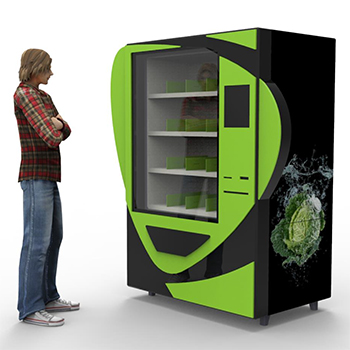
Vegetable vending machine
by Akshay N. Hargude
Details >>
by Akshay N. Hargude
India is the second-largest producer and consumer of vegetables in the world. With the increase in the IT sector in India and the tight schedule of offices, people are finding it difficult to go to the market and buy vegetables every day. Also, people are becoming more health-conscious in terms of the quality of vegetables they consume.
The farmers in India work hard, but still they don't get enough money in return because the vegetables they produce come to end customers through a long middleman chain. Because of this, farmers are not paid an adequate price compared to the price paid by the end customer for the same vegetable.
With this project, I have tried to solve the problems of both farmers and customers by reducing the middleman chain and by providing fresh and nutritious vegetables to customers at their doorstep.

Experiences from 4D living exhibition
by Anulal V. S.
Details >>
by Anulal V. S.
This report gives concise information regarding conducting, coordinating, and handling an exhibition. The information in this report is derived from the team's experience during the '4D-Living' exhibition, which was conducted from January 16th to 19th, 2015. This particular report can become a guideline for the coming batches in the institute to avoid common mistakes and conduct a successful exhibition.
The report briefly explains each stage involved in an exhibition, right from naming the exhibition to handling the crowd. Although the report could become a guideline, this may not be an exhaustive list of recommendations for conducting the exhibition.
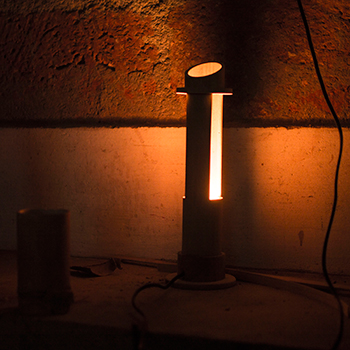
Summer Internship At Uravu
by Anulal V. S.
by Anulal V. S.
Uravu', set in the heart of the woods on the Western Ghats in Kerala among the misty mountain range and lush green backdrop, is an organisation of international recognition acclaimed for promising a new path for many who missed out on their opportunities to live. A non-government organisation, currently focused on bamboo-centred products and services, believes in sustainability in every aspect it throws light on. Uravu implements integrated, end-to-end programmes in the bamboo sector, which include providing skill training in bamboo processing, establishing micro enterprises, marketing bamboo handicrafts, cultivation of bamboo and promotion of eco-tourism.
Details >>
Fitting more into volume- An affordable housing initiative
by Anulal V. S.
by Anulal V. S.
The title of the project is Affordable Housing for the Bottom of the Pyramid. The land cost in urban cities is shooting up day by day as the availability of living space is becoming scarce. This forces the immigrants, or the bottom of the pyramid people to force themselves into temporary living setups, which in turn increase the slums in the cities.The project is trying to provide a housing option for these people, who have very low incomes and are mostly migrants. Various Slums were studied for understanding the lifestyle of migrants belonging to various categories like hedonists, settlers, risers, etc. From different layouts, three layouts were selected as the final layouts of the house, and a working model of one of these layouts was made to get the feedback of the users. We followed the approach of experiential learning, and based on our own experience inside the house, we modified it to suit the needs of the actual user category. The main focus throughout the project was to efficiently use each and every cubic metre present inside the house. For this, various spaces that can be used for multiple purposes were identified and designed according to the incremental needs of the user. The outcome of this project is the prefabricated DIY units, which actually make the user the creator of his space. Provisions were also provided for the user to bring in his own furniture or equipment and place it effectively in the house in such a way that it does not eat up much space.
Details >>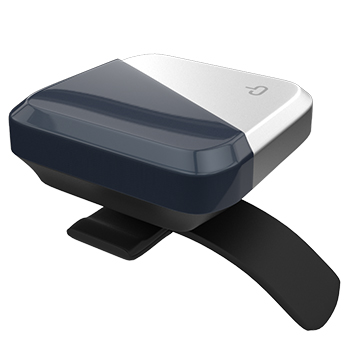
Wearable health monitoring device
by Anulal V. S.
Details >>
by Anulal V. S.
This project aims at helping the mid-aged earning category in the metros by predicting the risk factors that occur due to their lifestyle. Being in a busy city, these people have a very busy lifestyle, which makes it difficult for them to take care of their health. By having this wearable device, the monitoring of vital parameters like heartbeat and Spo2 along with their physical activity level will happen involuntarily. This project targets only those people who are in touch with computers and wireless connectivity or have a basic idea about the technologies. The wearable device, along with the connected smart phone, helps the user always be in the vicinity of their close ones. The device functions as an involuntary bridge. between the user and their close ones, giving the user a feeling that he or she is not alone.
The project includes the selection of concepts based on user surveys and market studies. An in-depth study of the forms was done in all possible directions to come up with separate forms for male and female users. The project also includes the design of a mobile application to work with the device. Various visual elements were designed so that the user interaction would be simple and friendly.

50 years (1951-2000) of Mumbai Weather data
by Baisampayan Saha
by Baisampayan Saha
When a large data set is presented in front of us, it does not make any sense to us until and unless we start doing number crunching. If the data is represented in some form of chart or diagram, we can probably figure something out. Though the project “50 Years of Mumbai Weather“ is not about data visualization, it deals with the notion of data art. The weather data is taken up and woven into the fabric of a narration that, for each viewer, gives an understanding of its own. Each viewer could come to an altogether different conclusion about the diagrams shown in front of them, and their conclusions would be equally correct as the underlying principles of generating each diagram from the data set are kept exactly the same. An attempt is made to generate such diagrams from the weather data of Mumbai for each month of the year. When someone views all the diagrams together, a form of story emerges from the data embedded inside the diagrams.
Details >>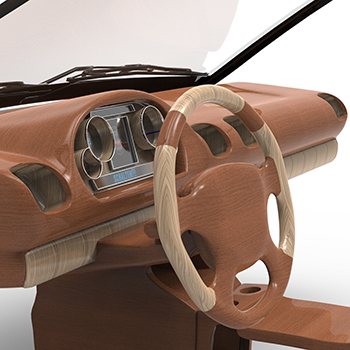
Design of vehicle instrument cluster for Indian and German audiences
by Baisampayan Saha
by Baisampayan Saha
Cultural differences play an important role in the design and development of new products. Many examples of product failures have proven that the culture of a country has a huge influence on the success of new products. Against the background of the growing importance of emerging markets, it is even more important to understand these cultural differences and take them into account during the product design and development process. Therefore, this Advanced Design Project has the goal to examine these cultural differences between India and Germany regarding the design of a dashboard of a B+-segment car (“Kleinwagen”, respectively) and create two instrument clusters, which are based on these results—one for the Indian market and one for the German market. To guarantee an efficient and structured approach, a user-centred design process considering project management methods is executed. On that account, a literature review regarding the user-centred design process and the general dashboard design is executed. Based on the insights of that literature review and its insights, a work breakdown structure is developed to structure the project into feasible work packages.
Details >>
Design of an Integrated Window System
by Baisampayan Saha
Details >>
by Baisampayan Saha
Windows are an integral part of every house. It comes in every possible shape and size. The material of construction also varies with the type of function it is supposed to provide. With the advancement of technology, windows are now becoming smart and can control the behaviour of their functions by using advanced technologies. On the other hand, we have windows, which are still based on traditional technologies and are used in homes and buildings for general purposes.
An attempt is made to understand the humble house window and come up with a new window that is equally functional as well as equally aesthetically beautiful when compared to some of the best traditional windows.

Design of an Ergonomic Laparoscopic Device
by Baisampayan Saha
Details >>
by Baisampayan Saha
In the world of medicine and surgery, laparoscopic surgery has been a gift to mankind. It has replaced open-body surgeries in many cases, where recuperation and healing take time. But as the condition of patients improved dramatically, by taking less time for the patients to recover from the surgeries and return to normal day-to-day activities, the condition of the doctors also changed. Due to a lack of properly designed tools for laparoscopic surgeries, the doctors are now facing stressful conditions while performing surgeries. Many doctors reported numbness in their thumbs and discomfort in their upper extremities after performing laparoscopic surgery.
An attempt is made to understand the difficulties faced by the surgeons while performing such surgeries and come up with the design of an ergonomic and comfortable instrument for laparoscopic surgery.
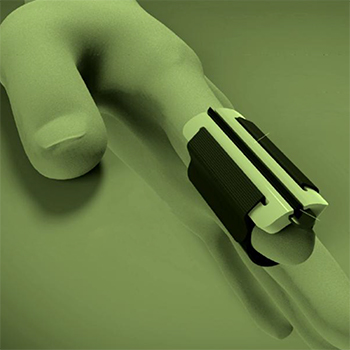
Design methodology for improvements to the tea-leaf plucking aid
by Gourab Saha
by Gourab Saha
At present, India is the second-largest producer of tea in the world and accounts for the employment of more than 2 million people. At the bottom of the tea industry pyramid are the tea plantation workers. who are prone to various occupational hazards, this project attempts to understand and address some of the core issues associated with handplucking tea leaves. The iterative industrial design process has been utilised in an effort to bring about a meaningful design intervention into the lives of tea-leaf pluckers.
Details >>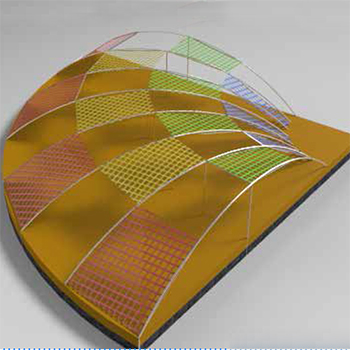
Sishu vihar outdoor Play Space: Design & Phase 1 imlpementation
by Gourab Saha
Details >>
by Gourab Saha
Young children bear many gifts that are pure and unadulterated. Between the ages of 4 and 10 years, before being pushed into class rooms and other sterile environments, they love the opportunity to run in open spaces and be a part of nature. It is at this age that they begin to exercise their imagination and bodies simultaneously; hence, the spaces and scenarios that they are in have to be easy to manipulate.
The Sishu Vihar building is a bungalow amongst a series of bungalows situated on the IIT Bombay, Powai campus. As a foundation, it is a crèche and a day care unit formed as a decision by the IIT Staff Club in 2001. Currently, there are close to 100 children and 20 caretakers, excluding three administrators, in an indoor space meant for a family of six.
Our concepts and ideas for the play space in Sishu Vihar, IIT Bombay, are keeping in mind the distinct ecosystem that is IIT Bombay and other constraints that have strengthened rather than limiting the outcome of the project.
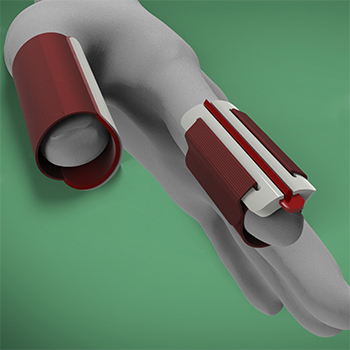
Design of a Manual Tea-leaf plucking Aid
by Gourab Saha
Details >>
by Gourab Saha
At present, India is the second-largest producer of tea in the world and accounts for the employment of more than 2 million people. It occupies an important role in the Indian economy not only due to its capacity to earn foreign exchange but also because it impacts the livelihoods of scores of people employed directly and indirectly by the industry.
At the bottom of the tea industry pyramid are the tea plantation workers, who are prone to various occupational hazards such as musculo-skeletal disorders or the absorption of harmful alkaloids (sap-like chemicals) into their skin. This project attempts to understand and address some of the core issues associated with hand plucking tea leaves. The iterative industrial design process has been utilised in an effort to bring about a meaningful design intervention into the lives of tea leaf pluckers.

A product system to remedy the symptoms of depressive disorders in college students
by Gourab Saha
by Gourab Saha
A study conducted in 2009 by the Bangalore-based National Institute of Mental Health and Neurosciences placed the average age of the depressed Indian at 31 years. Mental illness in India is high in the age group 30–40, and minor depression, if not properly addressed, could easily deteriorate into major depression. This project aims to blend the design thinking process with insights from behavioural psychology to design a product system that remedies some of the core symptoms associated with mild depressive disorders in India’s university students (18–30 years age group).
Details >>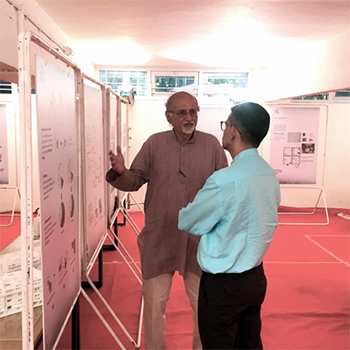
Experiences from 4D living exhibition
by Gautham Rajaraja Varma
by Gautham Rajaraja Varma
This report gives concise information regarding conducting, coordinating, and handling an exhibition. The information in this report is derived from the team's experience during the '4D-Living' exhibition, which was conducted from January 16th to 19th, 2015. This particular report can become a guideline for the coming batches in the institute to avoid common mistakes and conduct a successful exhibition. The report briefly explains each stage involved in an exhibition, right from naming the exhibition to handling the crowd. Although the report could become a guideline, this may not be an exhaustive list of recommendations for conducting the exhibition.
Details >>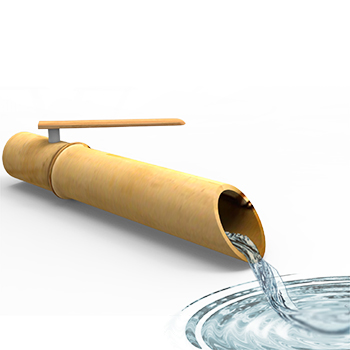
Summer Internship at Uravu
by Gautham Rajaraja Varma
by Gautham Rajaraja Varma
Uravu', set in the heart of the woods on the Western Ghats in Kerala among the misty mountain range and lush green backdrop, is an organisation of international recognition acclaimed for promising a new path for many who missed out on their opportunities to live. A non-government organisation, currently focused on bamboo-centred products and services, believes in sustainability in every aspect it throws light on. Uravu implements integrated, end-to-end programmes in the bamboo sector, which include providing skill training in bamboo processing, establishing micro enterprises, marketing bamboo handicrafts, cultivation of bamboo and promotion of eco-tourism.
Details >>
Fitting more into volume- An affordable housing initiative
by Gautham Rajaraja Varma
by Gautham Rajaraja Varma
The title of the project is Affordable Housing for the Bottom of the Pyramid. The land cost in urban cities is shooting up day by day as the availability of living space is becoming scarce. This forces the immigrants, or the bottom of the pyramid people to force themselves into temporary living setups, which in turn increase the slums in the cities.The project is trying to provide a housing option for these people, who have very low incomes and are mostly migrants. Various Slums were studied for understanding the lifestyle of migrants belonging to various categories like hedonists, settlers, risers, etc. From different layouts, three layouts were selected as the final layouts of the house, and a working model of one of these layouts was made to get the feedback of the users. We followed the approach of experiential learning, and based on our own experience inside the house, we modified it to suit the needs of the actual user category. The main focus throughout the project was to efficiently use each and every cubic metre present inside the house. For this, various spaces that can be used for multiple purposes were identified and designed according to the incremental needs of the user. The outcome of this project is the prefabricated DIY units, which actually make the user the creator of his space. Provisions were also provided for the user to bring in his own furniture or equipment and place it effectively in the house in such a way that it does not eat up much space.
Details >>
In-Flight Catering Delight: Re-Imagining an Airline Service Trolley
by Gautham Rajaraja Varma
Details >>
by Gautham Rajaraja Varma
Flying nowadays has become more of a commodity than the 'experience' it used to be a few years ago. With the introduction of low-cost carriers, cutting costs on things that create an experience of flight has become an innovative management technique. The goal of achieving the lowest cost of flying left no room for the experience a passenger or even a crew member gets out of flying in the aircraft.
This project looks closely at one of the aircraft interior components, an airline service trolley, which has not seen a major development over the last 30 years. The aim of this project is to enhance the functionality and usability of the airline trolley by analysing the various issues that are present now and finding a design opportunity in each one of them. Together with this, enough consideration has been given for visual aesthetics as well as the experience a passenger or a crew member gets out of the product.

Design for Behaviour change- Motorcycle Helmet
by Isaac Junior
by Isaac Junior
The design research was carried out to better understand the issues associated with helmet usage among two-wheeler riders. Personal interviews were conducted to draw on user perspectives. Insights from the discussions were utilised to bring forth concepts or ideas that would bring about regular usage of helmets. Ideas generated during the course of design research are being streamlined and conceived as part of the final design project (P3) to obtain user feedback.
Details >>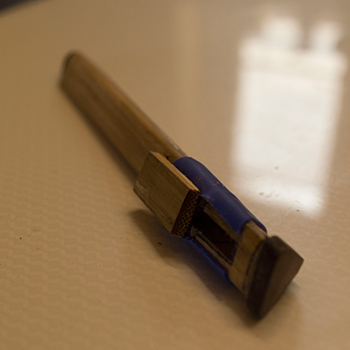
Summer Internship at Uravu
by Isaac Junior
by Isaac Junior
Uravu', set in the heart of the woods on the Western Ghats in Kerala among the misty mountain range and lush green backdrop, is an organisation of international recognition acclaimed for promising a new path for many who missed out on their opportunities to live. A non-government organisation, currently focused on bamboo-centred products and services, believes in sustainability in every aspect it throws light on. Uravu implements integrated, end-to-end programmes in the bamboo sector, which include providing skill training in bamboo processing, establishing micro enterprises, marketing bamboo handicrafts, cultivation of bamboo and promotion of eco-tourism.
Details >>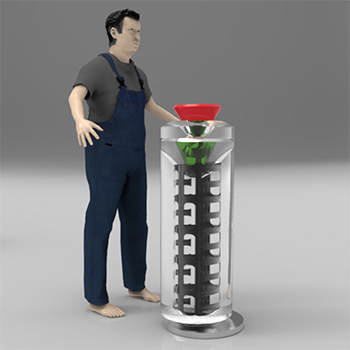
Design of Agro-Aids for one Acre Farming
by Isaac Junior
by Isaac Junior
This project encompasses the design process we followed to introduce a product that can be used for the process of harvesting, threshing, and winnowing paddy in subsistence farming. The main objective is the integration of existing technologies, which helps us cater to a sector of the market that buys very low-cost products. Using the existing framework of a harvesting machine, we have tried to integrate the same product for the additional purposes of threshing and winnowing.
Details >>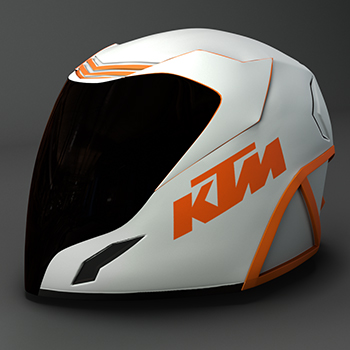
Re-design of motorcycle helmet
by Isaac Junior
Details >>
by Isaac Junior
Riding has by far been the most relaxing and exhilarating experience I’ve ever had. The sense of freedom it bestows on the rider is beyond measure. Being exposed to the environment and living in the moment could not be a better way to exist, but it poses a sizable amount of risk for the rider and pillion, considering that it’s a mode of transport prominent for commutes. Even after being made mandatory, a large population of riders still refrains from wearing a helmet while on the road.
The project explored the user's perspectives and his deep-rooted conventions about the practice of wearing a helmet. The psychological and physical notions associated with it were studied. The structural composition of motorcycle helmets has remained constant since inception; hence, an attempt was made to bring in novelty in this aspect as well as methods to facilitate regular use by improving aspects of comfort and accessibility. Eventually, style matters for a product that the user considers an extension of his personality and cannot be disregarded. Hence, functional advancements were given life through prominent styling that imparted character to the helmet.
Experiences from 4D living exhibition
by Manu Revi Poovakkat
by Manu Revi Poovakkat
This report provides concise information regarding conducting, coordinating, and handling an exhibition. The The information in this report is derived from experience during the '4D-Living' exhibition, which was conducted from January 16th to January 19th, 2015. This particular report can become a guideline for the coming batches in the institute to avoid common mistakes and conduct a successful exhibition. The report briefly explains each stage involved in an exhibition, right from naming the exhibition to handling the crowd. Although the report could become a guideline, this may not be an exhaustive list of recommendations for conducting the exhibition.
Details >>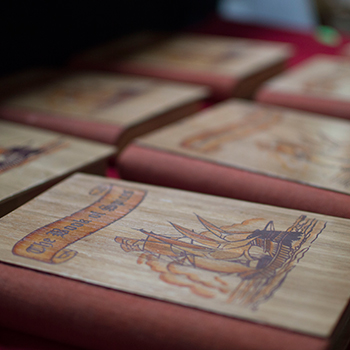
Summer Internship at Uravu
by Manu Revi Poovakkat
by Manu Revi Poovakkat
Uravu', set in the heart of the woods on the Western Ghats in Kerala among the misty mountain range and lush green backdrop, is an organisation of international recognition acclaimed for promising a new path for many who missed out on their opportunities to live. A non-government organisation, currently focused on bamboo-centred products and services, believes in sustainability in every aspect it throws light on. Uravu implements integrated, end-to-end programmes in the bamboo sector, which include providing skill training in bamboo processing, establishing micro enterprises, marketing bamboo handicrafts, cultivation of bamboo and promotion of eco-tourism.
Details >>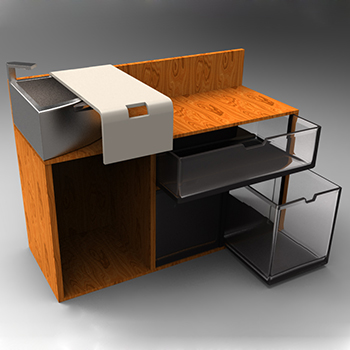
Fitting more into volume- An affordable housing initiative
by Manu Revi Poovakkat
by Manu Revi Poovakkat
The title of the project is Affordable Housing for the Bottom of the Pyramid. The land cost in urban cities is shooting up day by day as the availability of living space is becoming scarce. This forces the immigrants, or the bottom of the pyramid people to force themselves into temporary living setups, which in turn increase the slums in the cities.The project is trying to provide a housing option for these people, who have very low incomes and are mostly migrants. Various Slums were studied for understanding the lifestyle of migrants belonging to various categories like hedonists, settlers, risers, etc. From different layouts, three layouts were selected as the final layouts of the house, and a working model of one of these layouts was made to get the feedback of the users. We followed the approach of experiential learning, and based on our own experience inside the house, we modified it to suit the needs of the actual user category. The main focus throughout the project was to efficiently use each and every cubic metre present inside the house. For this, various spaces that can be used for multiple purposes were identified and designed according to the incremental needs of the user. The outcome of this project is the prefabricated DIY units, which actually make the user the creator of his space. Provisions were also provided for the user to bring in his own furniture or equipment and place it effectively in the house in such a way that it does not eat up much space.
Details >>
Bicycle design for a theme park
by Manu Revi Poovakkat
by Manu Revi Poovakkat
People tend to remember and cherish the memories of the moments they had fun. Some spaces cater to bringing such a kind of fun and joy to people's minds through their interaction with them. Theme parks are built to provide an environment where people can gather to experience the fun and thrill of various rides and games. Each element in a theme park is designed to communicate the same mood. Even the people are sometimes costumed to interact with the subjects as super heroes, cartoon characters, etc. to bring in the feeling of being in a fantasy world. The project aims to design a bicycle to impart the same emotion and mood that a theme park conveys. The fun elements are brought together through both visual and experiential lines. In parallel situations, this could also be replicated in situations like carnival fairs, picnic spots, etc.
Details >>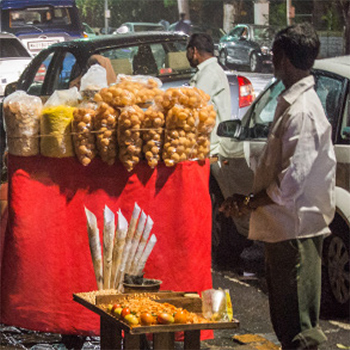
Visual ethnography: Street food vendor
by Midhun K. M.
by Midhun K. M.
Visual ethnography is an ethnographic method that uses visual mediums such as photography, video and sketching to understand the human culture. It is an open-ended process where a large amount of data is gathered and analysed to carry out the study. The process involves the researcher getting immersed in the field with the participants in their environment to observe and analyse the various activities and events that unfold during that time.This method is highly useful for designers to provide appropriate solutions to user needs since it allows understanding of the culture and context of the user or community, which is very crucial for any fruitful solution.
Details >>
Summer Internship at Craft Development Institute, Srinagar
by Midhun K. M.
Details >>
by Midhun K. M.
The Craft Development Institute is an autonomous institute under the Jammu and Kashmir government. The institute is located in Srinagar, Jammu and Kashmir. The institute is committed to providing professional educational programmes in the area of entrepreneurship in the handicraft sector. CDI also conducts skill-based training and workshops to mentor a new generation of artisans. The activities at CDI are aligned such that the regional craftsmen are aided in understanding contemporary design and market trends and helping them out of other issues prevailing in the handicraft sector.
Without the dedication and skill of these artisans, no design will become a reality. A line of acknowledgement would not be sufficient to bring forward these wonderful people. Kashmiri handicrafts are unique in their richness and beauty. The craft of Kashmir is deeply rooted in its culture and traditions. The craftsmen are well renowned for their intricate workmanship. The handicraft reflects the richness of nature and the wide variety of flora and fauna found in the valley. The handicraft industry is an unorganised sector with low investment capital, and the craftsmen work with traditional tools and processes.
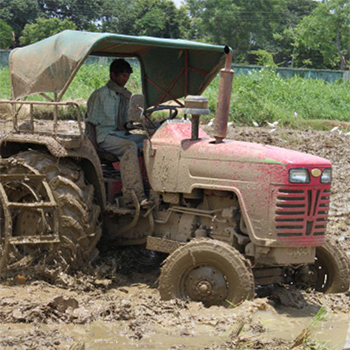
Design and development of agricultural equipment for marginal rice farmers
by Midhun K. M.
by Midhun K. M.
The present study is an attempt to understand the current scenario in marginal rice farming in the state of Kerala in India, which is deficient in the production of its staple grain, rice. The focus is on understanding the context and the requirements of the community for sustaining rice cultivation and their livelihoods. The research carried out showcases the various challenges faced by the farmers to sustain the cultivation due to the higher production cost and lack of solutions to cater to the needs arising from the shortage or unavailability of resources to carry out the operations in the field. The study is concluded by proposing the requirements of the farmers by analysing the data collected during primary and secondary research for designing a solution in the next phase of the work.
Details >>
Design of agricultural equipment for the marginal rice farmers: A solution for transplanting and harvesting of rice
by Midhun K. M.
by Midhun K. M.
The current project is a continuation of the work carried out to identify the problems associated with the marginal farming community in Kerala. In this part of the project, the focus is on providing solutions to the issues. The various design opportunities are studied based on the needs of the user group, and the need to sustain marginal rice farming communities by maximising profit is taken forward. The solution proposes a conceptual machine that is economically viable to operate in marginal-sized land holdings to carry out the transplanting and harvesting of rice, which are the most intensive activities in rice farming. The solution also focuses on various factors such as safety, comfort, and efficiency for improving the productivity of farm activities while addressing the need to sustain marginal rice farming. Along with the conceptual machine, the project concludes with a note on the system-level design based on the context of the user group for which the solution is designed.
Details >>
Life & Culture Of The Eunuchs in India
by Naman S. Varma
by Naman S. Varma
Oxford English defines the word eunuch as: a man who has been castrated, especially (in the past) one employed to guard the women’s living areas at an orient court. The process of castration is known as “Nirvana” in the eunuch community. They are very much like other people, but even now, they are not considered human beings because of their unclear biological sex and gender identity. They are commonly known as ‘hijras’ in Indian society. They are also known as kinnar, chhakka, khusra, kojja, alis, aravanis, napunsak, and jogappa (depending upon the region) in Hindi and transgender, transsexual, and eunuch in English. They are not accepted in our society; hence, they have their own customs and rituals. They dress as women, and most of them consider themselves women but are male in the eyes of the law, but for the common people, they are neither male nor female.
Details >>
Mini Washing Machines for Under Garments
by Naman S. Varma
by Naman S. Varma
The project “Mini Laundry Device for Washing Undergarments” by Naman S. Varma (IDC, IIT Bombay, 2008–2010) explores the potential of designing a compact and durable laundry solution for the Indian base-of-the-pyramid market. With rising disposable incomes and changing lifestyles, consumer durables such as washing machines are shifting from luxury items to everyday necessities. Yet, a significant section of the population remains underserved when it comes to simple, affordable laundry devices. This project identifies laundry—an essential, universal need—as an area where design can reduce effort, save resources, and modernize age-old practices while being sensitive to local customs and materials. By focusing on undergarments, the design aims to provide a practical, low-cost, and culturally relevant white good that not only eases daily life but also holds potential for job creation and broader social impact.
Details >>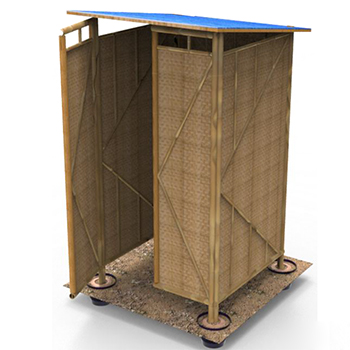
Low-cost Sanitation Structure for Rural India
by Naman S. Varma
by Naman S. Varma
Most rural people in India, both men and women, defecate in the open; they are seen squatting by the side of the road. India’s high rate of open defecation takes the lives of hundreds of thousands of children each year. Children lose their lives to diarrhoea and other water-borne diseases. Children who defecate in the open have the tendency to catch diseases sooner than children who use latrines; these children are weak and are unable to grow to their full physical and cognitive potential. Although many people who defecate in the open think it is harmless, or maybe even good for them, they are wrong: the negative consequences of open defecation are a very big deal and can take their lives because of the diseases it causes. Also, women need privacy and extra hygiene to protect themselves from various infections. Therefore, it has become necessary to design and develop a low-cost, simple, and hygienic sanitation system. Educating people about the importance of good sanitation for their health and well-being is very important.
Details >>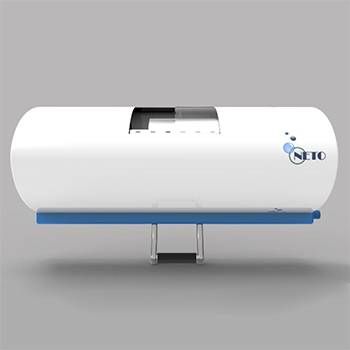
Low Cost Washing Machine for the Low Income Groups
by Naman S. Varma
by Naman S. Varma
People all over not only desire but also need clean clothes. We can hope to reduce the time, effort, and resources needed to perform these tasks by understanding local customs, practices, and geography. We can hope to fill the void and modernise an age-old process for people who need it the most. “When companies design products and services for the poor, they often think about making them as low-cost as possible. But whether you’re tapping a market opportunity or addressing a social need, it’s important to realise that people living in poverty value quality design. Quality design doesn’t mean that goods and services need to cost more.” - IDEO.
Details >>
Observational Research of Bus Stops for Mumbai
by Omkar R. Jambovane
by Omkar R. Jambovane
Mumbai is the capital of Maharashtra state. 2680 buses ferry 5 million passengers over 365 routes and have a work force strength of 38,000, which includes 22,000 bus drivers and conductors. The city is divided into 25 depots. There are 5200+ bus shelters in Mumbai. The study is intended to interpret the habits of people with respect to the usage of three bus shelters around them. Also to find the unmet needs of people with respect to bus shelters. The observational research is based on the photographs taken at various locations in Mumbai, which are then tagged based on the information they contain. The observations and insights from each photograph were then documented. An affinity analysis of these insights gave a finer breakdown of the issues that are unmet and unaddressed.
Details >>
Summer Internship at Wings 44
by Omkar R. Jambovane
by Omkar R. Jambovane
Wings 44 is an Industrial design firm that operates from Shiroli MIDC, outside Kolhapur city. It was founded by Amey R Ghatge, an IDC alumnus. Wings 44 specialises in Material handling and storage, Industrial furniture and automation. It strives to keep 'man' as the main element around which the design process revolves including machine, environment, manufacturability and economics.
Details >>
Innovative Application of Steel in Housing: Floor Slab
by Omkar R. Jambovane
by Omkar R. Jambovane
The human population has grown by leaps and bounds over the last century. Consequently, the demand for housing has also gone up. But in the name of development and land for housing, we as a species have violated our planet, depleted its resources, and disturbed its fragile ecological balance. It is obvious from the above facts that calcination arising due to cement manufacturing needs to be curbed, and we need to look at alternative techniques that have a lesser carbon footprint. The perspective shift can happen either by reducing cement concrete in housing wherever not required or by totally looking at material-based innovation in construction techniques. The project was conceived and executed keeping this “rapid construction of economical, eco-friendly, and structurally sound houses” in mind. Within the scope of the project, it has been tried to address all issues related to housing. While working on this project, we came up with one very innovative concept called Criss-Cross Corrugation. Here, this CCC concept is used for the flooring structure, which reduces almost 50% of the cost.
Details >>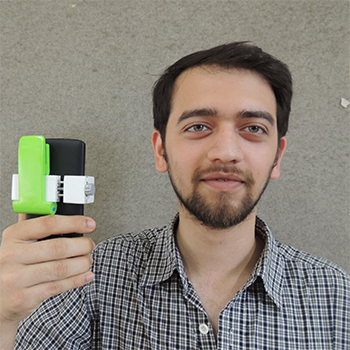
Point-of-care medical diagnostic using smartphone.
by Omkar R. Jambovane
by Omkar R. Jambovane
Remote health monitoring and disease detection in rural India are hampered by a lack of accurate, convenient, and affordable diagnostic tests. As per my field study, I observed that many of the basic tests administered in well-equipped clinical laboratories are inappropriate for the setting encountered at the point of care, where poor or even low-income patients may be best served. To address this problem, I have designed a smart scope that is useful for conducting rapid basic tests at the point of care by a single patient or a person who can conduct these tests door-to-door and carry the sample to the clinics in rural India. This project is a design for the initial implementation of diagnostics with a smartphone application that supports health workers in rural India.
Details >>
Sishu vihar outdoor Play Space: Design & Phase 1 imlpementation
by Paulanthony George
by Paulanthony George
Young children bear many gifts that are pure and unadulterated. Between the ages of 4 and 10 years, before being pushed into class rooms and other sterile environments, they love the opportunity to run in open spaces and be a part of nature. It is at this age that they begin to exercise their imagination and bodies simultaneously; hence, the spaces and scenarios that they are in have to be easy to manipulate. The Sishu Vihar building is a bungalow amongst a series of bungalows situated on the IIT Bombay, Powai campus. Our concepts and ideas for the play space in Sishu Vihar, IIT Bombay, are keeping in mind the distinct ecosystem that is IIT Bombay and other constraints that have strengthened rather than limiting the outcome of the project.
Details >>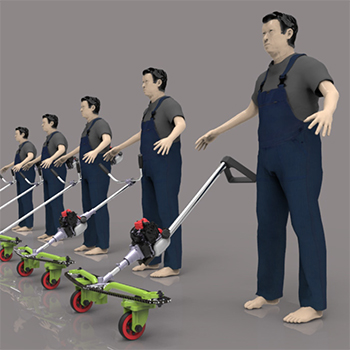
Design of Agro-Aids for one Acre Farming
by Paulanthony George
by Paulanthony George
This project encompasses the design process we followed to introduce a product that can be used for the process of harvesting, threshing, and winnowing paddy in subsistence farming. The main objective is the integration of existing technologies, which help us cater to a sector of the market that buys very low-cost products. Using the existing framework of a harvesting machine, we have tried to integrate the same product for the additional purposes of threshing and winnowing.
Details >>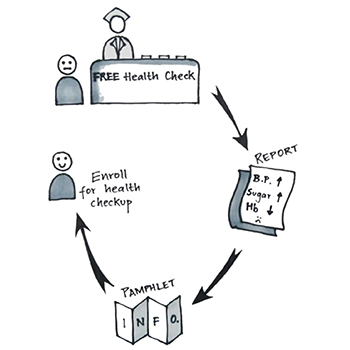
Design for Behaviour Modification- For Routine Health Checkups
by Sohini Guin
by Sohini Guin
The project is based on Design for Behaviour Modification. The selected field is routine health checkups. Routine health checkups are meant to comprehensively perform various tests on a person periodically so as to prevent illness or take action whenever necessary before the illness gets aggravated and caught at a later stage. Health checkups are especially important for middle-aged people who tend to fall sick often. However, most people do not do this regularly for varying reasons. The aim of the project is to understand the mindset and behaviour of such people and intervene by providing nudges to benefit them so that they go for routine health checkups regularly. To do this, various cognitive biases in the human brain were studied. Several examples of nudges in healthcare and other fields were studied for a better understanding of various biases. In the end, some ideas have been described to try and make health checkups more routine in the lives of middle-aged people.
Details >>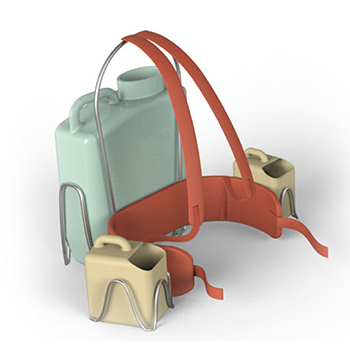
Water Fetching Aid for Rural Women
by Sohini Guin
by Sohini Guin
Access to potable water in villages is still a problem in India. It has to be fetched over long distances. This task is usually done by the women in the family. They go to fetch water from the well or a pump in the area. This constitutes approximately 50 litres of water per day for a family of five members. The most common method of fetching water is by carrying matkas or handas on the head. This form of head load causes a lot of strain on the neck and is often the cause of injuries and muscular spasms. The following project aims at providing an aid to help with this load-carrying task. Various methods of load carrying have been studied; complete motion and task analysis have been done to come up with a solution that reduces effort and is physiologically safe. After coming up with various concepts and testing some of them, a product that distributes load around the trunk of the body has been decided as the final concept.
Details >>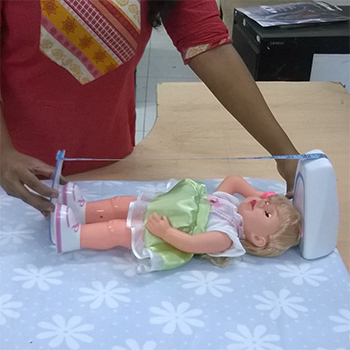
Growth Monitoring Device for Children
by Sohini Guin
Details >>
by Sohini Guin
45% of global infant deaths are due to nutrition issues. Such problems can be monitored and diagnosed through the growth monitoring of children. Growth monitoring for children is a standard practice followed all over the world from birth until the age of 18. It allows the detection of growth problems, nutrition deficiencies, and endocrin diseases. Endocrine problems at a young age manifest into serious problems as an adult. These problems can be monitored and detected at a young age. Parents should be given information about nutrition or referred to doctors in case of a problem.
The various equipment available for growth monitoring is often not used by health workers who set up health camps in remote locations due to various usability issues. The current scenario, use of these devices, or lack thereof, has been studied. Concepts for easier use, accurate measurements, and data recording in growth monitoring systems were explored. The final concept was a portable product that is simple to use, has data recording capabilities, and is affordable for use in health camps and rural hospitals.

Comparative study of vein detection devices to develop a low cost device
by Trivikram Annamalai
by Trivikram Annamalai
Vein detection technology is a vital area of research that is concerned with viewing patients' veins accurately. It avoids multiple needle pricks and makes the venipuncture process less traumatising to the patient. The research deals with the study of existing vein detection technologies and the development of a prototype based on the insights obtained from the study. The prototype was evaluated by experts, paving the way for a product that is effective and affordable for Indian scenarios.
Details >>
Summer Internship at Mobility India, Bangalore
by Trivikram Annamalai
by Trivikram Annamalai
Mobility India is a registered society, established in 1994 in Bangalore, Karnataka, with a Regional Resource Centre in Kolkata, West Bengal. Mobility India is the first NGO school in India to receive accreditation from the International Society of Prosthetics and Orthotics (ISPO). Mobility India’s objective is to provide support to ensure that people with disabilities have equal rights and a good quality of life, especially those living in rural areas and urban slums. In pursuit of this objective, MI set up its rehabilitation, research, and training centre in 2002. This is a disability-friendly building that houses MI’s activities and provides rehabilitation services and various training programmes in rehabilitation, prosthetics, and orthotics. MI has a policy of employing people with disabilities in order to give them equal opportunities; hence, most of the staff in Mobility India in all departments are people with major health issues (like cancer patients) or other disabilities.
Details >>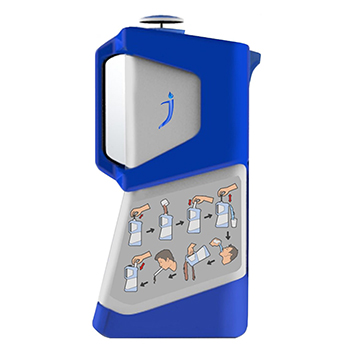
Jivan Jar: A water purifying jar for survival situations
by Trivikram Annamalai
by Trivikram Annamalai
The area of work dealt with in this project is providing drinking water for the survival of people during natural disasters and emergency situations. In this area, a product has been developed that would be a do-it-yourself, quickly deployable device that provides pure water to the needy. In India, quick relief during disasters and emergencies is often hindered due to a lack of quick deployable solutions, which gives rise to the need for design intervention that would help solve this problem. Rainwater harvesting was the initial focus in order to utilise the benefits of using rainwater, which was later modified into designing a device for handling water crises during emergencies or disaster situations. Hence, a device was designed that would quickly provide pure water using the flood waters or any other contaminated source of water.
Details >>
C-Vein: A low cost vein detector for Indian scenarios
by Trivikram Annamalai
Details >>
by Trivikram Annamalai
Vein detection is a vital area of research that is concerned with spotting the patient’s veins quickly and accurately, thereby avoiding multiple pricks. The project deals with making an effective, low-cost vein detection device based on a comprehensive study of parallel products available on the market and an analysis of functional rigs.
The project focuses on design intervention in areas of product usability, aesthetics, and manufacturability, apart from incorporating the technology into the product. Although products that help find veins do exist in the market, this project differentiates itself from other products by being affordable and better at usability aspects.
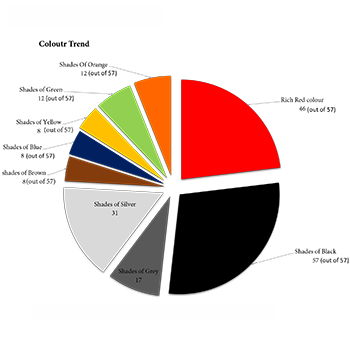
Major New Trends in Last 4 Years- An Investigation into Their Impact
by Tushar Wankar
Details >>
by Tushar Wankar
The project aims to understand the trend or pattern followed by people in India in the motorcycle category in the past 4 years. The new methodology of attribute-based analysis is explored here with the intention of finding the common attributes in the present motorcycles.
The study involves an understanding of the projects done at IDC and IIT Bombay on trend analysis, followed by a pilot study of “wrist watches” to get a clear idea of the method and end results. Then the actual research study starts with an understanding of the motorcycle market in India, thus finding the most-seen attributes, and then representation results through a pie chart to trace patterns. The end results were compared with the top ten motorcycles in India, and their results were analysed to find the difference.

Application of Steel in Housing Construction- Wall System
by Tushar Wankar
Details >>
by Tushar Wankar
India is one of the largest producers of steel in the world. Even though India has the potential, steel-intensive construction has been quite low, and concrete-based construction has been on top, mainly due to the lack of awareness of the advantages of steel-intensive construction and the social mindset about concrete construction.
The project aims at exploring the innovative application of steel and finding the scope of use of steel in the construction of housing. The challenge of developing design and technology that can be deployed easily by semiskilled or local labour with minimal tools and power is addressed here. So that it will result in a reduction in construction time, mass-produced components, and enhance people's sense of dignity, identity, and belonging. The target area focused within the house is internal walls, which aim to improve safety, quality of life, and comfort over the long term with sustainable and adaptable solutions to local norms without losing the visual appeal of a traditional brick wall.

Rescue Kit for Floods
by Tushar Wankar
by Tushar Wankar
Floods are annual natural calamities and the second-most fatal natural disaster in India after earthquakes. Each year, hundreds of people die because of floods. Most of the people were killed because they were not prepared for such a disaster and because help was not available on time. This project deals with the design of a lightweight, portable kit for an individual that floats on water and can be used for self-rescue from floods. This kit is primarily a personal flotation device that will keep people floating and alive until they get help. This kit will also provide possibilities of self-deployment, giving a signal to the rescuers, rain protection, anchoring possibilities, etc. Kits can be owned by the people or distributed by the government as a lifesaving aid. This project focused on strengthening rescue and relief operations in India by providing an opportunity for new product development, catering to human needs in vital conditions.
Details >>
(1 items)

Trophy Design for Kala Utsav
by Prof. Sugandh Malhotra
by Prof. Sugandh Malhotra
The Trophy Design for Kala Utsav was led by Prof. Sugandh Malhotra from IDC IIT Bombay. Kala Utsav is a national initiative under the Ministry of Education, aimed at promoting the arts in school education. The design of the trophy aimed to reflect the spirit of creativity, artistic excellence, and cultural diversity celebrated in the event. Prof. Sugandh Malhotra, known for his expertise in product design, was tasked with creating a trophy that not only represented these values but also had a strong aesthetic appeal. His design approach typically involves a deep understanding of form, functionality, and symbolism, ensuring that each element of the trophy resonates with the ethos of Kala Utsav.
Details >>2007-2009
(55 items)

An inspirational approach to retain natural aesthetics in our lives
- Classification of Products based on Inspiration from Nature
by Abhishek Prasad
by Abhishek Prasad
Humans have always taken inspiration and learnt from nature. This project is the study of an inspirational approach to understanding nature in our daily lives. It talks about various perspectives of taking inspiration from nature in industrial design to retain natural aesthetics in products. Sometime biological methods become the solution to our daily life requirements, and sometime natural materials help us to maintain a sustainable environment. The best existing examples have been collected and studied to show some of the areas and ways in which we can achieve natural aesthetics in designing the products.
Details >>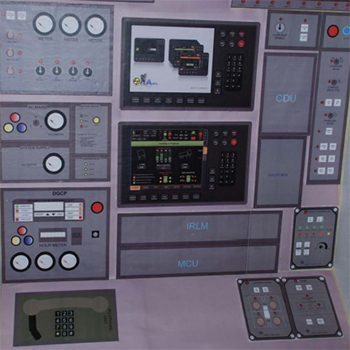
Design of GUI and MMI for a Weapon Launch Platform
by Abhishek Prasad
by Abhishek Prasad
Aesthetics, Ergonomics and Usability study and recommendations of a weapon launch system. The project is complex in nature with a blend of technologies from the Electrical, Electronics, Computer and Mechanical Engineering disciplines. As this project is related to Defence System and the Defence Ministry of India, not all data could be published in the form of a report. The data published in this report is sole property of Larsen & Toubro Pvt. Ltd., Powai, Mumbai. L&T was founded in Bombay (Mumbai) in 1938 by two Danish engineers, Henning Holck-Larsen and Soren Kristian Toubro. Both of them were strongly committed to developing India's engineering capabilities to meet the demands of industry. Beginning with the import of machinery from Europe, L&T rapidly took on engineering and construction assignments of increasing sophistication. Today, the company sets global engineering benchmarks in terms of scale and complexity. Larsen & Toubro (L&T), headquartered in Mumbai (Maharashtra), is a technology-driven engineering and construction organisation and one of the largest companies in India’s private sector. It has further interests in manufacturing, services, and Information Technology. The evolution of L&T into the country's largest engineering and construction organisation is among the most remarkable success stories in Indian industry.
Details >>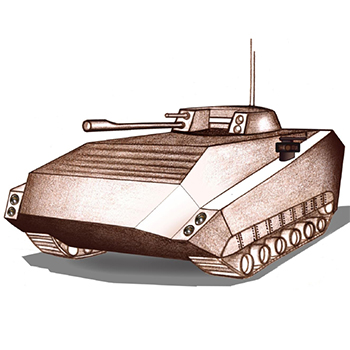
Redesign Of Infantry Combat Vehicle
by Abhishek Prasad
by Abhishek Prasad
Industrial design has started to play a major role in the development of Defence Industries in the past few years. India has transformed from a developing country to a fast-emerging superpower. Science and technology have also developed at a fast pace. With the increase in potential, the need to safeguard the country has also increased. For the past few years, the tension in the Indian Subcontinent has increased. So, the defence is of utmost importance. The government has started many research and development programs to look into this field. With age-old Infantry Combat Vehicles (ICVs), our soldiers can’t have an upper edge over their enemy. For the past 30 years, BMP-2 has been serving the Indian Army. But with advancements in Science & Technology, the warfare scenario has changed drastically. The need to safe guard our soldiers’s lives and to keep their trust in the army is the main motto of this project. Having a good fighting instrument really plays a vital role in moral buildup. The project is intended to save soldiers lives, give them better fighting power, conduct agronomical analysis, redesign the present existing ICV in the Indian Army, and solve their backdrops.
Details >>
Power Assisted Bike for Youth
by Abhishek Prasad
by Abhishek Prasad
The study of the scenario of bicycles in IIT Bombay and problems associated with them. Exploring new forms to satisfy the emotional and physical needs of the young generation. There is a growing need to revamp the bicycle to meet contemporary demands. With the institute banning motorbikes and introducing efficient Tam-Tam bus services, traditional bicycles are becoming less attractive. However, the love for radical design among today's youth offers an opportunity to reimagine the bicycle in ways that reflect their aesthetic preferences and desire for individuality. Advances in technology and materials present the perfect chance to introduce sustainable, customisable bicycles that align with campus culture while reducing environmental impact. At the same time, irregular maintenance facilities and the decrease in social interaction, often caused by increased internet use, can be addressed by promoting bicycle sharing and repair hubs, fostering a sense of community and interaction among students. With time, thinking has evolved, and it's crucial that bicycles keep up with these cultural and technological shifts, providing a solution that resonates with both functionality and modern sensibilities.
Details >>
An Inspirational Approach To Retain Natural Aesthetics In Our Lives
by Abneet Chauhan
by Abneet Chauhan
Humans have always been taking inspiration and learning from nature. This project is a study about an inspirational approach to retaining natural aesthetics in our lives. It talks about various perspectives of taking inspiration from nature in industrial design to retain natural aesthetics in products. Sometime biological methods become the solution to our daily life requirements, and sometime natural materials help us to maintain a sustainable environment. The best existing examples have been collected and studied to show some of the areas and ways in which we can achieve natural aesthetics in designing the products. Study involves taking a natural entity and finding the ways in which elements can be extracted from it, which depends on the particular properties of the entity. Different properties of it create multiple view points to see its form in different ways.
Details >>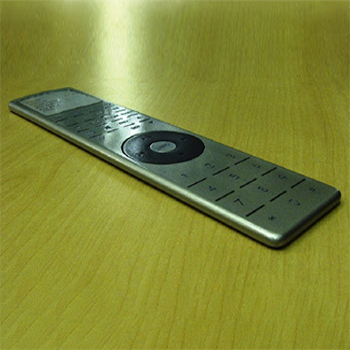
Home Automation Products
for TANLA Solutions Hyderabad
by Abneet Chauhan
by Abneet Chauhan
Tanla Solutions, a publicly listed company founded in 1999, operates a software development centre in Hyderabad, India. In addition to its development hub, the company has established a global marketing presence with an office located in the UK. As the company has a strong presence in the field of telecom infrastructure solutions and customised software development, the management decided to expand the product line by introducing home automation products for the domestic as well as the international market in different phases. They had already developed the required software and the internal hardware for the products. Our role was limited to the external styling of the products. As the production quantity was very small, foreign manufacturers (China and Taiwan) were considered for the same, and the products were designed accordingly. Photo-realistic renderings were the main tool for the presentations and internal approvals. Mock-up models were presented as the final outcome of the project.
Details >>
Design Of Travel Luggage For Working Women
by Abneet Chauhan
by Abneet Chauhan
The objective of this project is to learn a design process that involves systematic research, planning, and implementation towards reaching a level that brings an actual, feasible product. This product will solve not only the targeted user’s problems but his emotional needs also. Apart from redesigning and modifying existing luggage, there could be new innovation within the boundaries of semantics. Our country is in a transition phase of transforming itself from a traditional to modern global society. Gender equality, women's empowerment, etc. are driving this globalising world. Today’s market is almost equally contributed by both kinds of products, gender-based goods and non-gender-based goods. More number of products are coming with the tag “for men only, for women only.” The luggage has become more than what its conventional function is. For some, luggage is a representative of the owner's status and style. It is a part of trend and fashion, which changes with time. In current luggage patterns, experiments with colours and textures of materials are being done.
Details >>
Educational Toy Design with Robotic Elements
by Abneet Chauhan
by Abneet Chauhan
There is a saying, “Nobody can teach but can learn.” Designers also believe that learning is more important than teaching. Children should learn on their own rather than being taught, but not everything (in practical behavior). When a child grows, he starts learning from everything in his surroundings. In this way, something is taught and some he grasps from his own experiences. Both ways of learning have an equal and important role. Sometimes classroom learning is made more effective by using experiential learning. The target users in classroom teaching are introduced to abstract concepts of science, which results in difficulty. For better teaching of science, kids are given experiments and activities for better understanding of actual phenomena.. It also removes classroom boredom. But these experiments and activities have to be taught. This project is an attempt to introduce an active and attractive medium to make learning and teaching playful, playful, and interesting. These playful science activities can encourage kids to learn on their own, where cognitive learning, teaching of science, and play happen together on the same platform.
Details >>
Curriculum For Transportation Design
by Amey Dhuri
by Amey Dhuri
IDC teaches industrial design, where students take up projects focused on various areas like product design, game design, automotive design, furniture design, lifestyle accessories, etc. One of the areas where there are tremendous design possibilities is transportation design because of the ever-increasing demand for better transportation by humans. There is also a need for eco-friendly transportation solutions in all areas of transport, like personal, public, commercial transport, etc. So IDC has planned to start a Masters Program in Transportation Design. The task for this special project was to assist Prof. Munshi and Prof. Ramachandran in preparing the curriculum for transportation design. To start with, the project data collection was done, which contained information regarding various design colleges that were providing design courses in transportation and automobile design. This data was then analysed, and a report was prepared that contained information about various design colleges, their courses, subjects taught, etc. Understanding the course structure of other disciples, a draft course structure for transportation design was prepared according to the requirements of IDC.
Details >>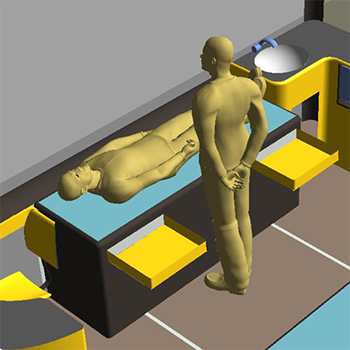
Hospital On Wheels
by Amey Dhuri
by Amey Dhuri
Dilip Chhabria Design was founded in the year 1993 with the sole aim of offering design and prototyping services to the Indian OEM industry as well as customised one-off solutions to individual buyers. 15 years down the line, the company has to its credit over 550 designs on the roads in these segments. In the process, the company has built a very strong brand, ‘DC Design’.
Details >>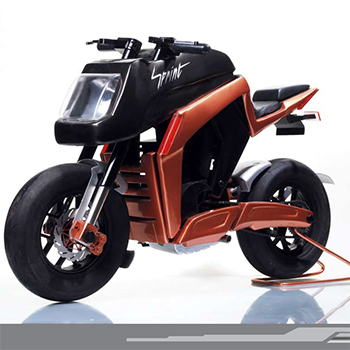
Design of Bike for Youth
by Amey Dhuri
by Amey Dhuri
Two-wheelers are the most widely used means of transportation in India. But for many riders, they are a lot more than just a vehicle. It’s a product that they use to reflect their identity as a part of them. The bike is targeted towards Indian youth in the age group of 20–30. The project also deals with understanding this particular user group to know about their lifestyle, likes & dislikes. Initially, data was collected to understand the history of two-wheelers in India and current market status. Different segments and sub-segments were studied for their distinguishing character and design values. A vehicle base was formed. With user study and bench marking. Various aspects of styling, performance, and usability were compared. A design brief was developed after analysing the data. For concept generation, my user group was analysed and certain keywords and themes were listed. Creative modes of exploration, like metaphor-based styling, were done. Ideation was done to generate concepts; 2 concepts were generated initially, and based upon requirements and user feedback, one was chosen and was developed further.
Details >>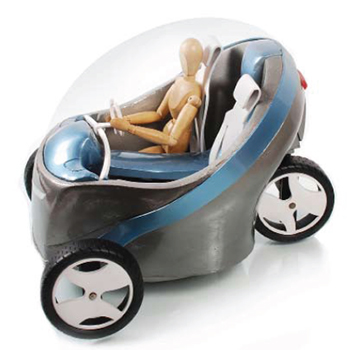
Eco-Friendly Mobility Solution For The Future
by Amey Dhuri
by Amey Dhuri
Mobility is the state of being in motion. Environmentally friendly, eco-friendly, or nature friendly are synonyms used to refer to goods and services considered to inflict minimal harm on the environment. Today traffic rate is increasing, which has led to pollution, congested roads, and parking problems. The person's occupancy per car is also very low. My project aims at designing a mobility solution to carry a minimum of 2 adults. The targeted user group will be office-going people who will use this car within city limits. The vehicle will run on an eco-friendly platform and will be easy to park and occupy minimum space. This vehicle is for use in 10 years from now.
Details >>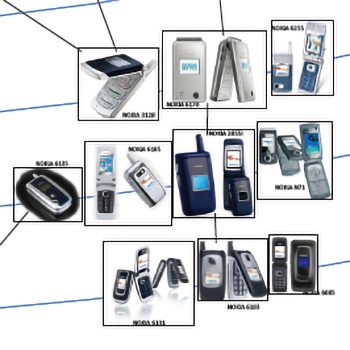
Analyzing the history of specific product categories
by Ameya Surve
by Ameya Surve
A chronological categorisation holds good for the evolution of most products, but that is really not exactly how a product design evolves. Design evolves with influence from a number of elements. It is not always the external elements but also the elements contained in a few old designs of the same product. So eventually every new evolution of the product is not only influenced by the previous design but also by the design of other products during the same timeframe, as well as the previously designed products. A method of classification of such products is looked into in this project. Proposed initially by Lakoff, the radial structure has been applied to see how classification of various products can be done and what advantages it provides to product designers.
Details >>
Summer Internship at Design Directions, Pune
by Ameya Surve
by Ameya Surve
Design Directions, founded in 1988, is headed by Satish and Falguni Gokhale, both renowned graduates of the National Institute of Design (NID). With its base in Pune and a presence in Europe, the firm is widely regarded as one of the best in Indian design. Satish and Falguni Gokhale have built a strong reputation for their innovative and impactful design work, earning recognition across diverse sectors.
Details >>
Redesigning the Identity of the
Indian Military Jeep
by Ameya Surve
by Ameya Surve
Design Directions, founded in 1988, is headed by Satish and Falguni Gokhale, both renowned graduates of the National Institute of Design (NID). With its base in Pune and a presence in Europe, the firm is widely regarded as one of the best in Indian design. Satish and Falguni Gokhale have built a strong reputation for their innovative and impactful design work, earning recognition across diverse sectors.
Details >>
Game design for Kids in a Transit Environment
by Ameya Surve
by Ameya Surve
People travel for a variety of different reasons. These reasons vary from long outings spanning a few days to short visits, which might span a couple of hours. Sometimes the route being travelled upon is known to regular travellers, or sometimes the route is absolutely new and full of surprises. Mostly it is observed that adults as well as children sleep during a train journey. Sometimes journeys last for more than a few couple of hours, and only sleeping is not enough as an activity to indulge in. So travelling individuals entertain themselves with various other activities, like playing games, reading newspapers, or losing chatting. The idea was to develop a game (or more than one game), which would make travel much more fun and entertaining. The game(s) would be aimed at children, to be played with adults, and would necessarily improve child-parent interaction, which is generally missing in today’s fast-paced world. Games stimulate the mind and allow the players to participate to win. With repeat play, they can master the technique and thus make their playing experience better. Sometimes knowledge games also help in understanding the applications of some fundamental concepts, which don’t seem to be understood through the conventional learning processes followed in school.
Details >>
Bionics: Tendon Locking Mechanism
by Ameya Naik
by Ameya Naik
Nature has played an important role in the evolution of human beings. It has more or less been the crux of the inspiration for the various inventions of man since the very early ages. Biology has had to solve engineering and other common problems since the appearance of life on earth. Design and function in plants and animals have been optimised under evolutionary pressures over millions of years, a small step at a time. These long lead times do not fit easily with the more frenetic pace of the engineering world of today, but to dismiss on these grounds the solutions that nature has arrived at would be foolish and arrogant. Therefore, it is not surprising that mankind has always admired biological structures and often been inspired by them, for we can appreciate their aesthetic attributes as well as their engineering and design content. Some early examples of engineering structures that borrowed ideas from nature include the Eiffel Tower, Crystal Palace, and all manner of primitive and rather ineffectual flying machines.
Details >>
Design of MMI and GUI for a Weapon Launch Platform
by Ameya Naik
by Ameya Naik
L&T was founded in Bombay (Mumbai) in 1938 by two Danish engineers, Henning Holck Larsen and Soren Kristian Toubro. Both of them were strongly committed to developing India's engineering capabilities to meet the demands of industry. Beginning with the import of machinery from Europe, L&T rapidly took on engineering and construction assignments of increasing sophistication. Today, the company sets global engineering benchmarks in terms of scale and complexity. Larsen & Toubro (L&T), headquartered in Mumbai (Maharashtra), is a technology-driven engineering and construction organisation and one of the largest companies in India’s private sector. L&T has licenses for manufacture and supply of a wide range of defence products after the Government of India’s decision to open up defence production to the private sector. The licenses issued to L&T cover the design, development, and manufacture of warships, submarines, weapon platforms & launchers, field & air defence guns, anti-tank weapon systems, missiles, rockets, torpedoes, land / naval mines, including associated systems and subsystems, RADAR, SONAR, sensors, armoured and combat vehicles, airborne assemblies, systems and equipment for aircraft, helicopters, UAVs, etc.
Details >>
Redesign of User Interaction for Air Defense System
by Ameya Naik
by Ameya Naik
The role of industrial design in the development of defense systems has taken on tremendous importance in the past few years. India has grown from just another developing country to a fast-emerging superpower. With this growth, the need for better defense mechanisms has also grown. India is making efforts in developing indigenous defense programs. In 1983, the Integrated Guided Missile Development Program (IGMDP) was formed with the aim of achieving self-sufficiency in missile development and production, and today it comprises five core missile programs. Akash is one of them. With the development of more and more such systems, there has been a realisation of the need to address the issues related to the effectiveness and efficiency of these systems. The crux of these issues lies in the efficiency of the interaction of the system with its user. This magnified the need for better interactive systems at the disposal of the user to communicate with the defence systems. Also, these systems are highly potential targets for enemy attacks. This has given rise to the need for better and more effective protection systems. This project is about achieving better and more effective user interaction and protection for the system. It aims at developing a foolproof system that can serve the nation for years to come.
Details >>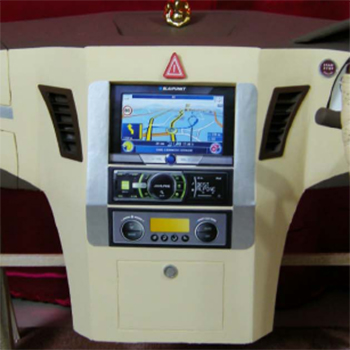
Design of Dashboard Of Mid-Segment Car
For Indian Market
by Ameya Naik
by Ameya Naik
The automobile industry today is developing at a very fast and rapid rate. This has led to a wide choice for the user to select from. This dense competition has forced manufactures to develop and adopt new technologies from all walks of life. Automobiles today have ceased to exist just as a mode of conveyance and have become a matter of experience. Along with this development, the user’s role has landed in the centre for the technical development. It has become more important to design suitable and functional user interfaces, and usefulness has increased as the keyword. To increase usefulness, it must be, among other things, feasible for the user, in the simplest way, to determine how to act in a certain situation. A user interface is the part of a product or a system that communicates with the user. In other words, it is the part that gives the clues to how the product shall be used, for example, buttons or instructions on the screen. To construct functioning user interfaces, one has to know the user’s psychic requirements and also understand how the human thinks and creates meaning out of and conceives the world around them.
Details >>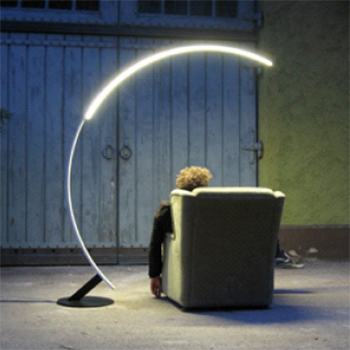
Lifestyle Products...
by Darshan Nerkar
by Darshan Nerkar
Today, with the introduction of new media, we, the consumers, are exposed to different cultures, different economies, and different value systems. We are much more aware of the surroundings and phenomena happening around us than ever before. With the advance of the internet, the entire globe has become a small village where any information is just a click away. All this has resulted in expanded needs and demands and enhanced ways of living. As such, the word lifestyle and the different products associated with it are gaining more and more attention day by day. The term'style of life’ was coined by Australian psychologist Alfred Adler as one of several constructs describing the dynamics of the personality. According to him, it reflects the individual's unique, unconscious, and repetitive way of responding to the main tasks of living: friendship, love, and work. The style of life is reflected in the unity of an individual’s way of thinking, feeling, and acting.
Details >>
Home Automation Products for TANLA Solutions Ltd. Hyderabad
by Darshan Nerkar
by Darshan Nerkar
Tanla Solutions, a publicly listed company founded in 1999, operates a software development centre in Hyderabad, India. In addition to its development hub, the company has established a global marketing presence with an office located in the UK. As the company has a strong presence in the field of telecom infrastructure solutions and customised software development, the management decided to expand the product line by introducing home automation products for the domestic as well as the international market in different phases. As the company is having strong presence in the field of telecom infrastructure solutions and customized software development, the management decided to expand the product line by introducing home automation products for the domestic as well as the international market in different phases. They had already developed the required software and the internal hardware for the products.
Details >>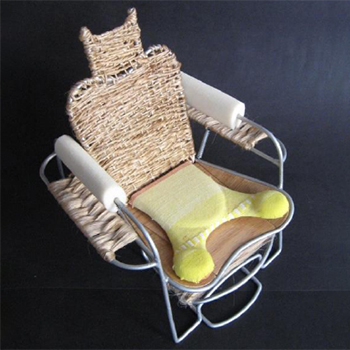
Designing Indian Sitting Style furniture For Contemporary Lifestyle
by Darshan Nerkar
by Darshan Nerkar
Indian sitting-style furniture is designed to accommodate traditional postures such as cross-legged sitting or sitting with stretched legs. Typically, it features a low-height platform, often accompanied by cylindrical cushions at the back for lumbar support, commonly referred to as a diwan. The seating surface is spacious enough to allow the legs to rest comfortably on the same platform or a designated part of it, blending comfort with the cultural practice of floor-level sitting. This style of furniture offers both functional support and aesthetic appeal in Indian homes.
Details >>
Lifestyle Products Form Exploration
by Darshan Nerkar
by Darshan Nerkar
Lifestyle products are designed to cater to individual preferences, reflecting personal choices rather than purely utilitarian needs. These products are created not only for function but also to bring pleasure and aesthetic enjoyment. In domestic contexts, lifestyle products often project the owner's attitude, personal values, and sometimes even social status. Functionality is balanced with emotional and symbolic appeal, where the object’s esteemed value is central. Lifestyle products are typically associated with niche marketing and design, targeting specific customer groups who seek items that resonate with their identity and lifestyle aspirations.
Details >>
Design and Technology:
A Curriculum for School Children
by Dipesh Parmar
by Dipesh Parmar
This project is envisaged with the intention of bringing in a new dimension of study for schoolchildren. ‘Design and Technology’ is one of the very important parts of a person’s knowledge. The students are encouraged to understand design and technology by means of interactive and interesting exercises. These exercises are to be included within the curriculum of the school academic portion. The exercises focus on the improvement in understanding of a topic by students, which may not really convey well within the existing curriculum and method of teaching. The exercises provide a firsthand exposure to various aspects of design and technology that may not be understood as well as they should within the existing system and curriculum.
Details >>
Reducing complications in existing CPU back wires
(Design a New Spike Guard with new Placing)
by Dipesh Parmar
by Dipesh Parmar
The aim of the project was to design a new spike guard for desktop and conference-purpose problems. In the current scenario, every spike guard and extension box has the same design. Nothing changes in these; many years to go, the design and shapes are the same. Need to give a new shape and a new dimension and also change the positioning.
Details >>
Vehicle for Elderly :
Interior Layout and Support System
by Dipesh Parmar
by Dipesh Parmar
In India, to provide better facilities for the elderly, there are separate colonies dedicated to them. Every elderly person would like to travel independently independently. Currently Currently, there are many problems in the existing local transport vehicles, such as seating, luggage handling, ingress and egress (entry and exist), and materials used, which makes it difficult for the elders to travel safely and comfortably. The main purpose of the project is to design a proper support system for the elderly while travelling. The project also aims to provide a better and safer mode of transportation for the elderly with special reference to their ergonomic needs, better support system, and comfort. Special attention is taken to provide and improve the overall look and feel of the layout of the vehicle.
Details >>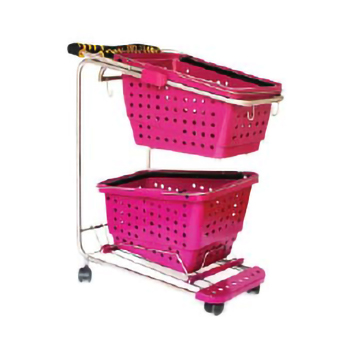
Redesigning shopping mall cart
by Dipesh Parmar
by Dipesh Parmar
Gradually, mall culture has evolved, and so have the super markets in India. In metros like Mumbai, utilising space is a major factor. Malls use the space for their maximum benefit, like displaying goods and storing more and more products. As a result, the gangways become narrow, making it difficult for people to move with their cart. The focus of the project is to solve the existing problem. Shopping cart is one of the important factors in this system that contributes to the problem. Therefore, the shopping cart is taken up for redesigning to solve the above problem.
Details >>
Documentation of Paan
by Divya Saxena
by Divya Saxena
The aim of this project was to document the process of making a paan (betel leaf). In the process of documentation, the role of a ‘Paanwala’ (the person who prepares Paan and owns a Paan shop) was also very important. The objective was to know more about Paan, which is an integral part of Indian culture, and the ‘Paanwala’, who is a very interesting character to study.
Details >>
Enhancing slum businesses by design intervention
by Divya Saxena
by Divya Saxena
The proliferation and widespread use of networks for social, professional, and business development have established social networking as an important business development strategy. This is an academic course that focuses on applying similar strategies to an economic development problem. Students conceive and prototype design solutions based on an understanding of existing social networks in small business communities in two neighbourhoods of Little Village in Chicago and Powai slums in Mumbai. Honeywell Technology Solutions (HTSL) is an integral research, development, and engineering arm providing value to Honeywell's businesses and customers through technology, products, and business solutions, meeting global standards of quality, innovation, and lifetime performance. It is a diversified technology and manufacturing leader, serving customers worldwide with aerospace products and services; control technologies for buildings, homes, and industry; automotive products; turbochargers; and speciality materials. Honeywell is a major American multinational conglomerate company that produces a variety of consumer products, engineering services, and aerospace systems for a wide variety of customers, from private consumers to major corporations.
Details >>
Indian Toys for International Market
by Divya Saxena
by Divya Saxena
The project deals with developing a new concept of Indian toys.It aims at developing an identity and creating a niche in the international market so as to give an introduction to our rich cultural values through the element of fun. It focuses on learning and taking inputs from our culture, understanding the international market, its issues and requirements, studying the particular user group, and thus developing a product that can give an upliftment to the economy in the above sector and showcase our rich cultural values to the world.
Details >>
Accessory concepts for a science fiction movie
by Divya Saxena
by Divya Saxena
This project aimed at developing accessories for a science fiction movie while understanding the movie theme and communicating the same through the proposed designs. It involves understanding science fiction visual language and its environments. It concentrates on how the range of products can become a language for the theme and how the visual elements like the colour palette and the form express the variations in different sequences of environment. It also deals with how the users (viewers) relate to the visual language of presented products in a particular theme and understand how they find logics or links between the real and science fiction accessories. Secondary, the aim of the project lies in creating these concepts of ‘impossible reality of the present, which can give visions to future expeditions." It also incorporates visions for future possibilities of the environment and the future way of living. The design methods used for achieving the above aim involve the case study of various movie concepts and their accessory designs. It also involves the study of industrial designers and their role in the movie industry. Understanding the visual language in compassion to the theme and analysing the user’s reactions to the above range of products are the key steps in creating the base for the proposed accessories.
Details >>
Tamil Literature: An overview
by Karthik Narayan P
by Karthik Narayan P
Tamil, with a literary history of more than two thousand years, is the oldest living language in the world. Evidence of literature had been found from the 3rd century BC, though some historians claim that the language is well over three thousand years old. The fact that Tamil was deemed a ‘Classical Language’ by the government of India comes as no surprise, owing to the maturity of concepts even in the oldest of works found in the language. The history of Tamil literature was deeply influenced by the social and political situation in India through the ages. The invasions and the rule changes in Tamil Land had at least one positive outcome—exchange of ideas. Tamil people were exposed to Jain and Buddhist traditions from the time of the Kalabhras to the ideology of European rulers in the 19th century. This broadened the outlook of the scholars, thus broadening the range of Tamil literature. The political changes not just influenced the literature but brought in contributors for it as well. There have been sizeable contributions from Jain, Buddhist, and later Muslim and European authors to the growth of Tamil literature.
Details >>
Summer Internship in Studio Photography
by Karthik Narayan P
by Karthik Narayan P
The Summer Internship in Studio Photography by Karthik Narayan P, under the supervision of Prof. B. K. Chakravarthy, focused on exploring the creative and technical aspects of studio photography. The project aimed to develop a deep understanding of lighting techniques, composition, and visual storytelling in a controlled studio environment. During the internship, Karthik Narayan worked on various assignments involving product photography, portraiture, and still-life compositions, enhancing his skills in handling professional photography equipment and post-processing tools. The internship provided an opportunity to experiment with different lighting setups, backgrounds, and camera techniques while receiving valuable insights and feedback from Prof. Chakravarthy to improve overall visual communication.
Details >>
Design of Cutlery for Indian Cuisine
by Karthik Narayan P
by Karthik Narayan P
The project aims at designing cutlery for Indian food that would replace the spoon, fork, and knife. The western cutlery is not designed for Indian cuisine, and yet we manage to use it with many items of Indian food. Moreover, one would not want to get their hands dirty when in an upscale restaurant or an aircraft. Hence, the need for a completely new cutlery for Indian cuisine was identified. As it is going to be a completely new design, the project should pave the way for further research in this arena. This should, in the future, become a completely usable product that is present in every household and every restaurant.
Details >>
Exploring Futuristic Automotive Forms
by Karthik Narayan P
by Karthik Narayan P
Though transportation is the primary function of an automobile, when it finally comes down to making a choice, various factors influence our decision. It is never merely about the car’s performance or its economy; it is about feelings, about aesthetics, the emotions the automobile conveys. Even automobiles require social acceptance to be successful. Regardless of how expensive or cheap the vehicle is, it makes a statement about the owner. Most of the factors mentioned above pertain to styling and design; hence, designers have the responsibility to make the car a success. Automobiles have undergone massive translation in the last five decades. The factors that have influenced this translation range from varying technology to changes in perceptions of people; cultural influences; fashion, to mention a few. This project aims at developing a concept car for the future, bearing in mind, among other things, the role that technology is going to play in the future.
Details >>
AMC silution corporation.
Software Technology parks of India, Chikalthna, Aurangabad
by Nagsen P Nandurgekar
by Nagsen P Nandurgekar
The project “Summer Internship at AMC Solutions Corporation” by Nagsen P. Nandurgekar (IDC, IIT Bombay) documents hands-on industry experience and design exposure gained during an internship period. The work captures the challenges, processes, and learnings encountered while working in a professional design or product development setting at AMC Solutions. It bridges academic design training with real-world constraints, presenting how theory meets practice in an industrial environment.
Details >>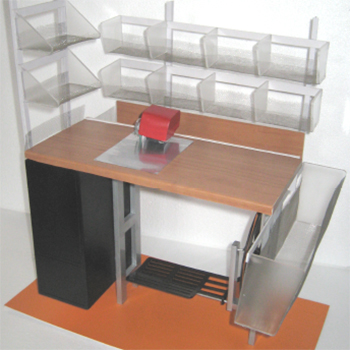
Design of Stamp Cancelling Device for India Post
by Nagsen P Nandurgekar
by Nagsen P Nandurgekar
Since long ago, India Post used a hand stamp for cancellation, automatic machines are also available for cancellation. Only at the head post office, GPO’s machine cancellation is done. One of the reasons is the cost and necessity of electricity for using them. CPMG (Chief Post Master General) Mr. Rajan Malappuram insisted on having a new method or mechanism for stamp cancellation that should not be dependent on electricity and should improve the existing design. India Post is a 153-year-old organization. It is the largest postal network in the world, with 155,333 post offices. On average, a post office served an area of 21.13 sq km and a population of 6,623 people. It serves daily delivery of post at the doorstep of every customer anywhere in the country and collection of letters from letter boxes. India Post has 234,187 regular employees who worked up to the subpost office level. Mail was collected from 601,319 letter boxes in the country. This was processed by a network of 455 railway mail service offices and conveyed by road, rail, and airlines all over the country. Post had prioritised the processing of different categories of mail and parcels according to the times and technology sensitivity of the customer, for example, e-bill, speed post, express parcel service, etc.
Details >>
Innovative indoor lighting products
by Nagsen P Nandurgekar
by Nagsen P Nandurgekar
Light plays a very important role in our lives. When the sun rises, it gives light to the whole world, but as it sets, darkness begins. Humans discovered electricity to produce light. We are using light not only at night but also daytime. Designers differentiated light for various purposes and designed light accordingly. Thus, decorative lighting came into play. As use of electricity increased, we are having shortages of electricity. This project aims at designing an innovative decorative light system (track/rail lighting) with good ambience for a particular task that will have low power consumption. Various aspects such as light, colour, and emotions are studied and tried to incorporate in the final product. Also, a new concept of mood light lighting is incorporated into the final product. The final product, i.e., the track light for the living room, can be fixed on the track on a wall or ceiling; for flexible movement and proper positioning, suitable goose pipe is used. Use of RGB-controlled LED’s gives us the choice of selecting our colour tone, and thus a single light provides multiple colours. Led in acrylic gives good ambience, and we can also control the intensity of light.
Details >>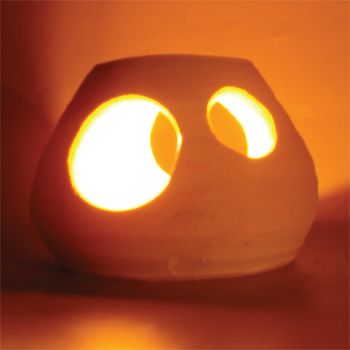
Earth and Fire
by Prajakta S Bamanikar
by Prajakta S Bamanikar
In ancient times, considerable note was made of understanding the elements of nature, namely, fire, water, wind, and earth. The philosophers show them as a reflection of the universe and that they play a great role in the cosmic plan. Every day we warm ourselves by fire, wash ourselves in water, feel the wind in our hair, and walk upon the earth. Yet many will be amused that these same elements can be interpreted in various ways in relation to our daily lives. These elements are not only felt around us but have certainly become a way to express themselves in many ways within our "nature," like air for thought, fire for desire, water for emotions, and earth for stability. Fire is enthusiastic, warming, and a spark of life. It is a desire. It is the most powerful of energy sources and represents the spirit. It is the flame that flickers and glows in the sun; it attracts the eye. Fire is red and signifies delight, a zest for living, and the light by which we see. It is dynamic, moving, vital, and brilliant. Earth is the foundation on which we build our lives. It is the core of our senses and the colour of Earth and Fire life. It is the root of all beings. Earth is reliable and has an understanding of life. It is rich and dark, strong and yet tender while nurturing the roots, giving substance to the happiness we need. Earth is about stability, recognition, natural laws, dignity, respect, strength, understanding, acceptance, and nourishment. It is the foundation on which we build our lives. So making earth my foundation I decided to create objects that emitted the zest of light.
Details >>
Pottery Summer training report
by Prajakta S Bamanikar
by Prajakta S Bamanikar
In ancient times, considerable note was made of understanding the elements of nature, namely, fire, water, wind, and earth. The philosophers show them as a reflection of the universe and that they play a great role in the cosmic plan. Every day we warm ourselves by fire, wash ourselves in water, feel the wind in our hair, and walk upon the earth. Yet many will be amused that these same elements can be interpreted in various ways in relation to our daily lives. These elements are not only felt around us but have certainly become a way to express themselves in many ways within our "nature," like air for thought, fire for desire, water for emotions, and earth for stability. Fire is enthusiastic, warming, and a spark of life. It is a desire. It is the most powerful of energy sources and represents the spirit. It is the flame that flickers and glows in the sun; it attracts the eye. Fire is red and signifies delight, a zest for living, and the light by which we see. It is dynamic, moving, vital, and brilliant. Earth is the foundation on which we build our lives. It is the core of our senses and the colour of Earth and Fire life. It is the root of all beings. Earth is reliable and has an understanding of life. It is rich and dark, strong and yet tender while nurturing the roots, giving substance to the happiness we need. Earth is about stability, recognition, natural laws, dignity, respect, strength, understanding, acceptance, and nourishment. It is the foundation on which we build our lives. So making earth my foundation I decided to create objects that emitted the zest of light.
Details >>
DINING CHAIR IN BAMBOO
for Goan restaurants
by Prajakta S Bamanikar
by Prajakta S Bamanikar
Today not only all restaurants but also urban homes and many rural houses are having dining sets in their houses. A dining chair is an everyday life product that we use most of the time in a day while having food. Most of the time, these dining chairs are made up of industrial materials like plastic or wood. As increased global warming is a result of cutting trees, we should find an alternative for wood. Bamboo is a naturally occurring composite material that grows abundantly in most tropical countries. Cellulose fibres are aligned along the length of the bamboo, providing maximum tensile flexural strength and rigidity in that direction. So by combining other complimentary materials and bamboo, we can conquer the environmental issues related to the extra demand for wood. Bamboo is a familiar plant from a place like Goa. So using this material for Goan restaurants will give an absolutely identifiable feeling to the environment.
Details >>
Exploration of luminaries' with led’s as light source
by Prajakta S Bamanikar
by Prajakta S Bamanikar
Light is an essential part of everyday life and the only medium that causes visual sensation. Initially, light has been extensively used for task-orientated works. Today, when every product around us is a commodity, can ‘light’ become an experience? Can we use light to create ambiance? Can it create different environments? In the present world, where light sources are becoming as small as LED’s, we have the opportunity of creating artificial ambience in living spaces. The project aims at exploring LED’s as a light source for creating ambience in living spaces with the help of different principles of managing light rays. These explorations have resulted in creating three different products for three different environments. The objective of the project is to explore innovative ideas and designs with LEDs as light sources and develop a new way to look at mood lighting for indoor usage.
Details >>
Nature and form
by Prajwal J Ullal
by Prajwal J Ullal
Today we live in a world where people work round the clock to earn a living and, in the mean time, have lost up all the time to enjoy their own lives. Busy with his/her schedule, may it be the long list of office work or any other regular chores of work or even the burden of quantity education for the students. In fact, this mechanised life has taken toll to such an extent that even the basic activities like enjoying or interacting with nature are difficult tasks. The project deals with getting out the experience from nature and coming up with a proposition to convert it into a form that regenerates the same moment of experience, thus providing a mode of rejuvenation or a moment to get away from the current mechanised scheduled life.
Details >>
Design for manufacturability in composites
by Prajwal J Ullal
by Prajwal J Ullal
Mahindra Composites, formerly Siro Plast Ltd., is a branch of the Mahindra Systech, which is a part of the various business sectors of Mahindra Group. Mahindra Systech consists of various manufacturing units such as MUSCO, Mahindra stampings, Mahindra castings, etc. Basically established by M&M in 1982 with SICOM, the commercial production of SMC/DMC compound and component started off in 1989, and the RTM and hand lay-up production started off in 1999. The main objective of the project is to re-design and modify the vehicle concept to align with the composite manufacturing process. This involves adapting the overall design to ensure compatibility with the unique requirements and constraints of composite materials. In addition, component-level detailing will be carried out, considering the specific properties of composite materials and the manufacturing techniques involved. The aim is to optimise the design for efficient production while maintaining structural integrity, durability, and performance, all tailored to the composite manufacturing process.
Details >>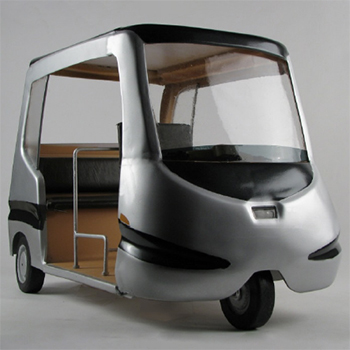
Designing an Electric Rickshaw
by Prajwal J Ullal
by Prajwal J Ullal
The autorickshaw is one of the most commonly used modes of mass transportation. Due to its extensive usage, there are few issues or problems that are regularly faced by the passengers and drivers. The design approach adopted consisted of understanding the technologies and user requirements, identifying the specific problem areas, and then coming up with insights for solving the above problems. Ergonomic study for improved comfort level, study of alternative fuels and technologies, travel requirements, drivers, and passenger requirements were undertaken before developing the concepts. No. of concepts in the form of sketches and rough models were developed integrating the above-mentioned factors, and then the choice was made by comparing various features and giving an appropriate rating to each feature. The project work led to a product featuring increased leg room and head room due to the repositioning of various components and relayout of the luggage space from the back of the passenger seat to the front of it. This also led to increased space for ingress and egress. The rickshaw is powered by an electric motor and runs on batteries, leading to negligible pollution and also reduced running costs. The styling of the rickshaw is unique with the introduction of a new form. The interiors are improved with the inclusion of a dashboard and comfortable seating for both drivers and passengers, giving it a rich feel.
Details >>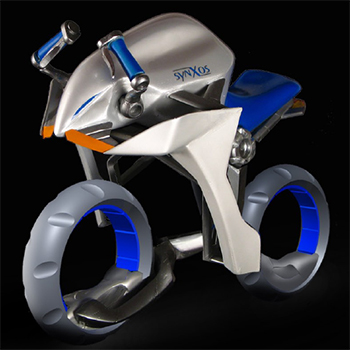
Personal Mobility Solution for future
by Prajwal J Ullal
by Prajwal J Ullal
The project is based on providing an innovative mobility solution for the future. The project work deals with understanding and predicting the future scenario based on the current world trends and thus coming up with an innovative mobility solution suiting the future generation requirements. An innovative approach was followed to handle the project, which included understanding and analysing several science fiction books, movies, and also works by concept artists like Syd Mead, Scott Robertson, Simon Daniel, etc. The process also included ideating various possibilities of a compact vehicle in the form of sketches, and these were further refined by making 1:5 scaled mock-up models to get the proportions right and also for better understanding of surfaces. The final concept is an innovative form of a compact bike named ‘Synxos’ (Sync-cross), which is capable of transforming itself based on the requirements.
Details >>
Testing of ‘Play And Learn Kit’ (Strategy Based Educational Game On Volume)
by Sarang Nagesh Kusale
by Sarang Nagesh Kusale
This special project is research-based feedback carried out to understand and analyse the various factors of the ‘play and learn kit’. This kit is designed for secondary school children from standards VIIth and VIIIth such that while playing with this kit the children will develop their spatial thinking and learn the concept of volume. For the purpose of testing the game, the target users are chosen from different backgrounds, which created a spectrum of responses to this play and learn kit, which is in the form of a strategic educational game, AkaarNitee. To understand the methodology of testing a kit, a pilot test is carried out with the help of a kit developed by AG Bamboo Style Studio. Then the testing prototype is made and tested with the users. Videography is used to record the activities. This is an effective tool to map and analyse the various factors and also helps in consideration of time. The users and parents are interviewed to understand their background and environment of the playing and learning.
Details >>
Designing the Industrial Safety Helmet
by Sarang Nagesh Kusale
by Sarang Nagesh Kusale
The industrial safety helmet is primarily intended to protect the head against injury from falling objects. The effects of head injury can be classified generally into three categories: physical effects, cognitive changes, and behavioural effects. The physical effects of head injuries include such symptoms as seizures, loss of motor speed or coordination, and the presence of an abnormal movement such as tremors and spasticity. Cognitive changes involve disorders of attention, concentration, and memory; problems with understanding or producing speech; difficulties with initiating and planning daily activities; as well as poor reasoning and judgment. Behavioural effects include agitation and irritatability, verbal and physical aggressiveness, impulsivity, depression, and suicidal thoughts, as well as an egocentric or self-centred orientation in interpersonal relationships. Safety helmets are designed to protect the head of a weaver against falling objects by resisting the penetration and reducing the shock absorption by the head and body even under the extreme local climatic conditions. According to Conformit Europeenne standards, EN397, it has to withstand in the following circumstances: being used in temperatures as low as -30 oC and as high as +150 oC, electrical resistance up to 440 volts, resistance against molten metal as MM, resistance against side squeeze, marked LD, and lateral deformation.
Details >>
Play and Learn Kit for School Going Children
by Sarang Nagesh Kusale
by Sarang Nagesh Kusale
The relationship between play and learning has weakened, as playing is often limited to sports and indoor games, while students are increasingly forced to focus solely on studying. As a result, play has become a secondary activity, overshadowed by academic pressures. However, there is a design opportunity to re-establish and strengthen the connection between play and learning. By introducing playful media, children can be encouraged to learn in an engaging and interactive manner, making the process of education more enjoyable and effective through the integration of play.
Details >>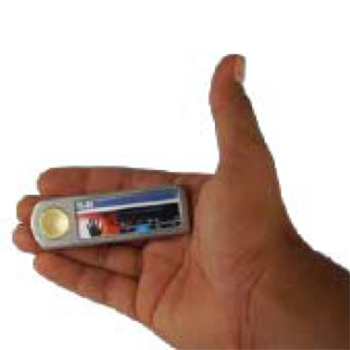
Wearable Product for Professionals
by Sarang Nagesh Kusale
by Sarang Nagesh Kusale
The project focuses on designing a wearable product for communication and entertainment, aimed at young professionals up to 30 years old who work in corporate environments. As wearable products are becoming a significant future trend, this design will prioritise user delight through aesthetic exploration and cutting-edge technology. The goal is to create a product that not only integrates seamlessly into the professional's lifestyle but also enhances their communication and entertainment experiences. The design will be forward-thinking, utilising innovative technology expected to be available in the next four years, ensuring both functionality and visual appeal.
Details >>
Design and Technology: A curriculum for School Children
by Yohan S Engineer
by Yohan S Engineer
The "Design and Technology" curriculum for schoolchildren is aimed at understanding and improving the syllabus to better convey key concepts to students. This helps in identifying weak areas where Design and Technology topics are not effectively communicated, as well as detecting potential areas that can enhance students' understanding for future learning. It also reveals students' comprehension patterns and potential at that age. The objective is to identify target areas and outline learning goals for students accordingly. Through brainstorming, various exercises will be listed that fulfil each objective, with opportunities to combine and enrich these ideas to create a more effective learning experience.
Details >>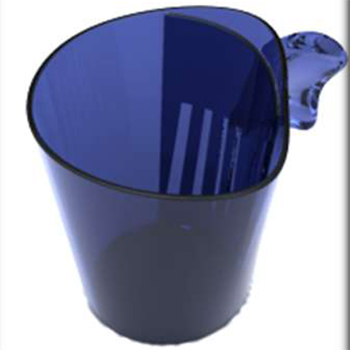
Summer Internship Project
- At Desmania Design Pvt. Ltd. Mumbai
by Yohan S Engineer
by Yohan S Engineer
The Summer Internship Project at Desmania Design Pvt. Ltd. (Mumbai) by Yohan S. Engineer (IDC, batch 2007-2009) explores the challenge of developing in-house lifestyle products for a design firm transitioning into its own branded production. With Desmania transitioning from a design consultancy to developing its own branded products, the internship provided a real-world platform to contribute to product ideation, aesthetics, and functional design. The scope required fast ideation, material and form innovation, and solving problems in existing product designs, along with preliminary identification of manufacturers.
Details >>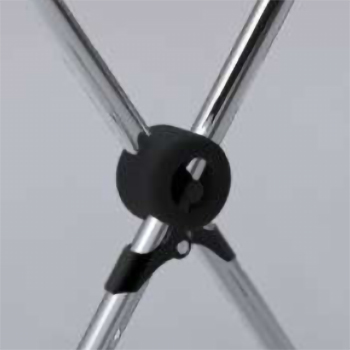
Design of A Portable Stool
For Train Travelers at The Railway Station
by Yohan S Engineer
by Yohan S Engineer
The design of a portable stool for train travellers at railway stations in India addresses the challenges posed by the country's high and growing population. This growth brings complex issues such as space constraints, inadequate infrastructure, and overcrowded public spaces. Daily commuters often endure uncomfortable and exhausting travel conditions, creating a need for physical rest. A compact, lightweight, and portable seating device would offer travellers the convenience of having a seat whenever and wherever they choose, providing relief and enhancing their overall travel experience amidst these challenges.
Details >>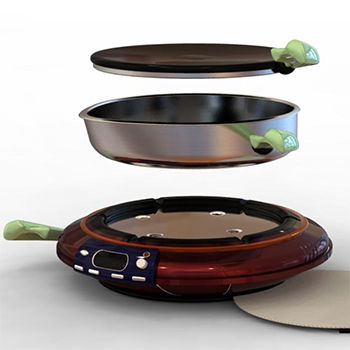
Design of an Induction Cooking Set
by Yohan S Engineer
by Yohan S Engineer
The design of an induction cooking set caters to the preference for home-cooked food, particularly for bachelors and hostellers who often lack pre-installed cooking infrastructure. This demographic requires a cooking solution that is easy to use, non-messy, and occupies minimal space. Additionally, an integrated basic storage system would enhance convenience. In this context, an induction cooker proves to be the most suitable option, offering a compact and efficient cooking solution that allows users to prepare meals at their own convenience while meeting the need for simplicity and space optimisation.
Details >>2017-2019
(51 items)
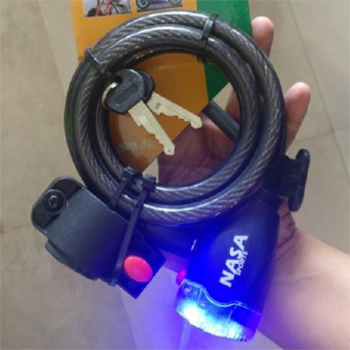
Cycle Lock
by Anushree Banerjee
by Anushree Banerjee
This project by Anushree Banerjee, carried out as a summer internship at Futuring Design Pvt. Ltd., explores innovative approaches to product design with a focus on usability, aesthetics, and market relevance. As a P1 (first year) design project, it focuses on rethinking the form, mechanism, and usability of a bicycle locking system. The internship involved understanding real-world design processes, analyzing user needs, and generating creative solutions that balance functionality with form. The work emphasized ideation, material exploration, and refinement of concepts to suit both manufacturing feasibility and consumer expectations. Through this engagement, the project not only contributed to design development for the studio but also gave the intern valuable hands-on experience in bridging design thinking with practical industry requirements.
Details >>
Cooking starter kit design for new cooks
by Anushree Banerjee
by Anushree Banerjee
Learning to cook is one of the most basic needs of every adult. For new cooks starting out, life after college cooking is an important step to become more independent and ensure they eat healthy. Cookware is an important investment for them. Creating a range of utensils for this new generation of cooks is a challenge due to multiple reasons. Making a modular set of utensils which allows for healthy cooking allows a versatile range of cooking with limited utensils. Designing value for money and a contemporary-looking starter kit for fast-paced yet passionate , tech-savvy youth setting up their kitchen.
Details >>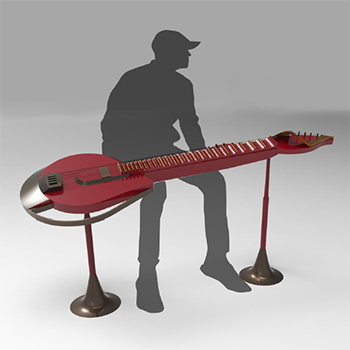
Reimagining Saraswati Veena In Modern Context
by Anushree Banerjee
by Anushree Banerjee
The present-day Saraswati Veena, attributed to Raghunath Nayak (circa 17th century ) of Tanjavur in Tamil Nadu, is one of the most important Indian classical instruments. It is seen adorned by Saraswati – the goddess of wisdom and knowledge. Known for its deep, mellow tone and ocean of shrutis (microtones). But in spite of the glorious history, it has not been able to capture the attention of the music-loving youth of our nation. From Veena adorning the 60s and 70s household to the present-day scenario where the youth seemed to have gravitated towards a Fender or Stratocaster. The reason for it might be the popularity of Western music in pop culture due to high availability and easily accessible lessons and tutorials, etc. There are only a handful of Veena makers left, with the next generation preferring some other profession. Addressing issues like portability, fragility and sustainability while capturing the same sound. Reimagining the instrument in a new form which can represent the youth yet does not take away the essence of the timelessness of the instrument is the need of the hour. So, developing a design which is easy to manufacture is also important to rekindle the interest of young musicians towards this wonderful musical instrument.
Details >>
Consideration of social behaviour of women workers while designing a dust protection face mask, to be used in a highly dusty environment
by Apurba Mondal
by Apurba Mondal
India is the world’s second-largest producer of bricks, with over 200 million bricks manufactured a year in the 100,000 units across the country, where 65 per percent of it gets manufactured in the Indo-Gangetic plains. The workers in the unorganised brick-making sector are most vulnerable to physical, economic and mental exploitation with no systematic record of them. Fixed chimney bull trenches and the clamp are the two types of kilns which are used in India which have higher black carbon and dust emissions compared to the Hoffman kilns being used in China. The paper focuses on the workplace-related hazards faced by the workers, which results in respiratory disorders, and to create design interventions in the clothing of the female workers with and without the usage of standard filter fabrics which would be socially accepted by the workers.
Details >>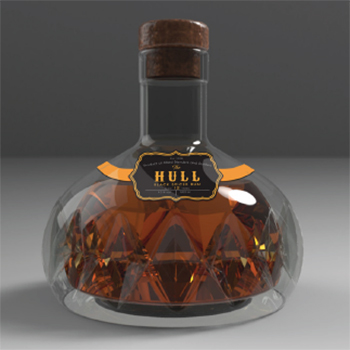
Luxury Alcohol Bottle Design
by Apurba Mondal
by Apurba Mondal
Fermented beverages existed in early Egyptian civilisation, and there is evidence of an early alcoholic drink (rice wine) made out of the fermentation of rice, honey and fruits in China around 7000 B.C. and are known to have independently mastered the process of distillation. In India, an alcoholic beverage called sura, distilled from rice, was in use between 3000 and 2000 B.C. Much before the birth of Christ, consumption as well as celebration of the beverages was a part of many ancient civilisations, such as the Babylonians, who worshipped a wine goddess as early as 2700 B.C. In Greece, one of the first alcoholic beverages to gain popularity was mead, a fermented drink made from honey and water. Evidence of alcoholic beverages has been found in ancient Egypt as well, dating back to 3150 BC. Beer, which is an alcoholic beverage of low alcohol volume, was an everyday drink for people of all classes in Europe during the Middle Ages.The most common usage of alcohol (spirits) was for medicinal purposes, and they were being mass-manufactured only after the 17th century and gained momentum only after the British Parliament passed a law encouraging the usage of grains for distilling spirits. But after rising incidents of citizens breaking the law under the influence, the American as well as British governments imposed a ban on the manufacturing, sale, import, and export of intoxicating liquors.
Details >>
Design of Lamps with Warli Art
by Apurba Mondal
by Apurba Mondal
Lighting is an essential part of everyday households, and when put into scenarios depending upon the activity that needs to be performed, there are different types of the same. Lamps as a product have a lot of potential to bring out motifs and art artforms. They can range from minimal and modern/contemporary to traditional and abstract. Traditional or tribal Indian art forms, especially Warli, are facing a huge problem in sustaining in the modern society. Even though they are heavily used in products such as bags and clothing, they are, however, taken from an uncredited source. In this project, lamps as a product incorporating Warli art are explored to push the art further into urban households. A system-level involvement of the artists living in their villages in the manufacturing of lamps would bring a viable source of income and hence keep the art alive. For this project, a hybrid of modern and traditional types of lamps has been taken, keeping in mind the style of art, and various lighting experiences have been explored.
Details >>
Low Cost Portable Digital Microscope for children
by Apurba Mondal
by Apurba Mondal
The aim of the project is to design and test a portable and affordable digital microscope for school students which connects to screen-based devices. It is focused on being an easy-to-operate device and is economical to be a personal device for learning. It would provide an opportunity for students to look at what the naked eye can not see and hone their curiosity. As a mandatory device provided by the institute for academics, it would aid them and also could be gifted to those who don’t have a microscope in their curriculum yet. Various concepts of operation, slide (onion peel cell) and non-slide (e.g., butterfly) sample insertion, navigation, zoom and focus controls were compared. Playfulness of the device is a key focus, and an important feature which has been introduced is invertibility. This has benefits when a live sample needs to be viewed in a petri dish. The camera lens, instead of being above the sample, is below it, and the tissues, cells, etc., deposit at the bottom and are clearer to view. The device can be simply inverted and kept to be used like this. This has major applications in higher studies in biological sciences. User feedback based on the prototypes aided in improving the design further. A minimal instruction sheet on how to operate, understand scale marking of samples viewed and preparation of slides is designed to create an easier experience.
Details >>
Future Of Sports Helmets
by Archana Sonavane
by Archana Sonavane
The report studies sports helmets and presents a synthesis of research-based information and opinions. A review of the literature shows that helmets play an important role in head injury prevention and control. Helmets have been shown to be very efficacious and effective in a range of sports and in preventing specific head injury risks, especially moderate to severe head injury. The report emphasises the importance of helmet standards and the need for further development. There are calls for helmets that address the needs of competitive (elite) athletes separate from helmets for recreational athletes. Deficiencies in the evidence base for head injury risks and helmet efficacy and effectiveness were identified in some sports. A need to evaluate helmet performance in oblique impacts and incorporate this into standards is also a part of this report. There are emerging opportunities within helmet technology to improve impact performance or to measure impact exposure. Helmet technology, as it matures, may provide critical information on the severity of the impact, the location of the injured athlete, for example, motorcyclists, and assist in the retrieval and immediate, as well as the long-term medical management of the athlete. It was identified that athletes, families and sports organisations can benefit from access to information on helmet performance. The importance of selecting the appropriately sized helmet and ensuring that the helmet and visor were adjusted and restrained optimally was emphasised. The translation pathway from the science to new and better helmets is the development of appropriate helmet standards and the requirement for only helmets to be used that are certified to those standards.
Details >>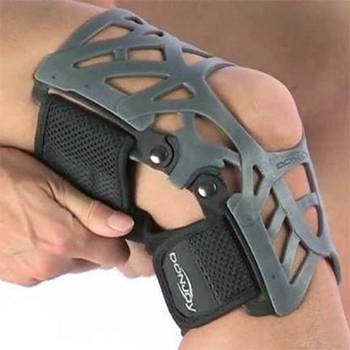
Training Equipment For Endurance Running
by Archana Sonavane
by Archana Sonavane
Endurance running is a form of continuous running over distances of at least eight kilometres (5 miles).
Details >>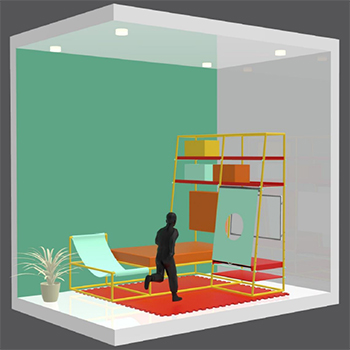
Exploring Spaces In Children’s Furniture
by Archana Sonavane
by Archana Sonavane
The aim of this project is to design furniture for children between the age group of 6 to 10 years that also challenges the conventional kids’ furniture available in the market today. The design process involves the translation of “playfulness” as an experience rather than just a formal expression. It also takes into account the need for a design solution that is space-saving and grows with the child while giving them a sense of independence and belonging. As a part of the process, studies were conducted directly with the children in their homes. This helped in providing clarity on their requirements and also established spatial context. A major challenge was in tackling aspects of packaging, transportation and assembly. The exploration takes all of this into consideration and provides the user with a simple, playful and practical solution that effectively caters to a child’s growing needs.
Details >>
Device To Aid Early Detection Of Breast Cancer
by Archana Sonavane
by Archana Sonavane
The primary aim of this project is to design a portable self-scanning device to check for breast abnormalities in women in the age group of 20 years and above to aid early detection of breast cancer. Breast cancer used to be a disease associated with women in the age group of 50 years and above. However, in the last decade there has been a considerable rise in the number of breast cancer cases in younger age groups (30-40 years). Also, most cancers tend to show no symptoms until a very advanced stage, after which the patient cannot be saved, and therefore early detection is the key to survival. Hence, there is a need for awareness regarding regular monitoring of breast tissue to identify abnormalities. As a part of the process, studies were conducted on the existing technologies used for initial scanning of breasts for cancer detection. Mammography is currently the gold standard for detection of cancer lesions in the breast tissue, after which the patient is sent for further confirmation tests. However, mammography is well suited for women in age groups of 50 years and above, as the breast tissue is not as dense as in the younger age groups, and the incidence of breast cancer is on the rise in the younger age group (30-40 years). Also, it tends to expose a healthy individual to the harmful X-rays. This project aimed at designing a device using a harmless technology that is equally effective in all age groups and can be used by women in the comfort of their homes as a part of the process of self-examination. This device would not only help women scan for abnormalities but also help them become aware of their bodies to identify these abnormalities.
Details >>
Gameplay and Examples
by Maddu Shravan Murali
by Maddu Shravan Murali
The thesis Games without Frontiers by Mr. Aki Jarvinen was given to me by Prof. Uday Athavankar. In this report I have tried to analyse traditional Indian games by applying the analysis template proposed by Mr. Aki Jarvinen. This report is in 2 parts. In the first part I tried to elaborate, to the best of my understanding, the definitions of each component of the analysis template. In the 2nd part I tried to analyse games which were a result of numerous interviews conducted by me in different regions like West Bengal, Andhra Pradesh, Tamil Nadu and Jammu. The objective of this report is to find if the Library of Mechanics proposed by Mr. Aki Jarvinen is sufficient for Indian Games.
Details >>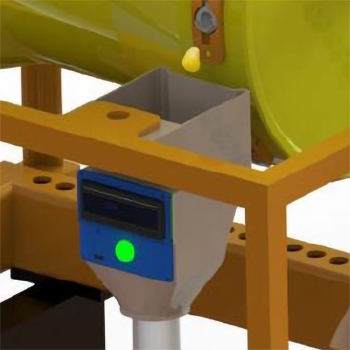
PG AGRI Farm equipment solutions
by Maddu Shravan Murali
by Maddu Shravan Murali
PG AGRI Farm basically provides agricultural equipment to the local farmers at a subsidised rate as prescribed by the Indian government. They have an overall of 7 centres in places like Shimoga, Dharwad and Uttar (North) Karnataka districts. Anujay Rao is the Co-Founder and Head of Project/Design of the company.
Details >>
Redesign of the ALIMCO Hand
by Maddu Shravan Murali
by Maddu Shravan Murali
Limb loss is a burden for the patient and for their carers. It also imposes a financial and psychological burden upon the amputee. Amputation of a limb is a stressful event for an individual. It is a surgical option in circumstances where salvaging a limb is improbable, and the remaining part of the limb tissue needs excision. It is an irreversible surgical option which results in bodily disfigurement. The patient is affected emotionally, and this results in poor quality of life. The amputee may develop depressive disorder due to feelings of loss, self-stigma, and difficulty in coping with the impairment. The healthcare service in India differs considerably from elsewhere. Mental health care access is very difficult and fragmentary.
Details >>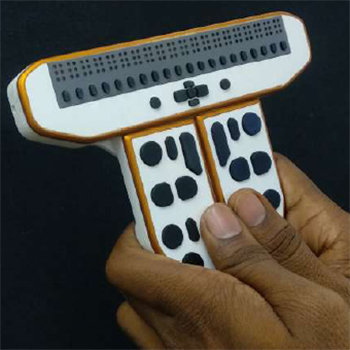
Compact Braille Input Device for the Visually Challenged
by Maddu Shravan Murali
by Maddu Shravan Murali
A sighted person mostly relies on the visual sense to perceive the surroundings. A visually impaired person has to rely on tactile and audio feedback only to make any sense of his/her environment. The script used by the visually impaired to read and write is called Braille. A sentence in Braille consists of Braille cells which are small enough to fit under a finger tip. It is made up of six embossed dots (in varying combinations) arranged in two columns and three rows. Braille can be read by sweeping the tip of the index finger over the embossed sentence. Braille script to a visually challenged person is equivalent to printed script to a sighted person. Braille is not a language but a representation of a language in texture format. Refreshable Braille display devices and applications like ‘voice over’ for smartphones and computers are a few examples of new assistive technologies used by visually challenged people which provide tactile and audio feedback, respectively, to perceive information which is in digital formats. A comparative study of the products used by the visually challenged to practise Braille shows that they either fall short on the portability factor or need a tabletop-like horizontal surface to keep the device on top of to operate. Such conditions leave the user looking for a table.
Details >>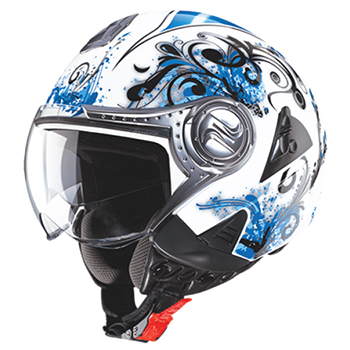
Study of consumer perception towards Open face helmet designs in India
by Minal Agarwal
by Minal Agarwal
Helmets are an essential safety precaution while riding a two-wheeler. The appearance and aesthetics of helmets play an important role to attract buyers, i.e., make them choose a certain helmet, and also act as a way to communicate the language of a brand. The study focuses on how the elements of design in terms of appearance and aesthetics (form, material, finish, graphics and colours) affect the buyer’s perception (attention and purchase). The type of helmets considered for this study were open-face helmets from different brands in the Indian market.
Details >>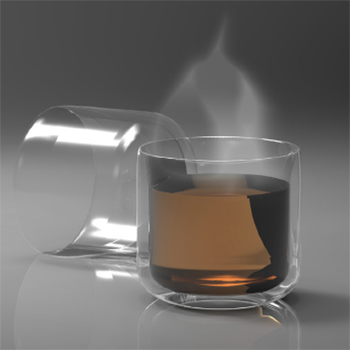
Design of Teaware for Carafewerk
by Minal Agarwal
by Minal Agarwal
In India, chai is more than just a cup of tea to start the day – this drink is an essential part of the rhythm of life. Tea is the most common drink in India. India consumes 837,000 tonnes of tea every year. The ritual of chai crosses all boundaries. Carafewerk, through their tea machine, have tried to bring the essence of Chai into their product. The machine brews tea in the traditional methods and can prepare customised tea according to the user’s preference. Carafewerk is trying to launch itself as an exclusive tea brand. This project aimed at designing a line of teaware for the brand for an office environment. The various components of the tea set were decided, and a more minimal and contemporary approach was followed while designing the teaware.
Details >>
Next Generation Washers
by Minal Agarwal
by Minal Agarwal
Today, a washing machine is one of the most important appliances in a household. It gives us the complete comfort of washing clothes. It has helped us make more time for ourselves and our close ones. The process of washing, which used to be an elaborate process, has been reduced to just a few presses of buttons. The project is an elaborate take on the design of washers which will fit into the lifestyle of a family, 5 years down the line. The process included a detailed understanding of the scenarios of the future and understanding the user needs and requirements. The design process not only covers the function and usability but also a detailed understanding of form and how the form will fit into the interiors of an urban house.
Details >>
Geometry Kit for Visually Impaired Kids
by Minal Agarwal
by Minal Agarwal
The number of blind people in India is 12 million, out of which 26% are children. These children will be making major contributions to the society in coming years. Due to slow cognitive development and the inability to see, visually impaired kids face a lot of difficulty in education and learning. There are requirements for special methods and tools to make them understand various educational concepts. It was observed that due to the lack of certain resources, visually impaired kids are deprived of learning more visually inclined (diagram or picture) topics. Geometry is taught in upper primary schools to sighted students; however, due to the complexity and unavailability of proper instruments, it is not taught in the majority of blind schools in India. This design project dedicates itself to helping the visually impaired children to learn basic geometry and be able to construct simple geometric diagrams.
Details >>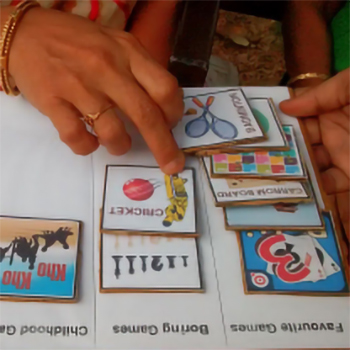
Games and Senior Citizens
by Minu
by Minu
Older adults need to keep exercising to stay active and healthy. Games are proven to be an important and fun way to stay healthy. They not only help us to upgrade cognitive or physical functions but also help us to stay socially active. Irrespective of what age group one belongs to, games tend to lure everyone. India being home to numerous games. With the advancement of newer technologies and more options to play games, a lot of these games are on the verge of getting forgotten.
Details >>
Designing An Auditorium Chair
by Minu
by Minu
Nilkamal Limited is a plastic products manufacturer based in Mumbai, India. It is the world's largest manufacturer of moulded furniture and Asia's largest processor of plastic moulded products. Their product range consists mainly of custom plastic mouldings, plastic furniture, crates and containers. • In 2011, the company also began production of mattresses. • The company has 8 large manufacturing plants in India: • North – Samba (Jammu & Kashmir) and Greater Noida (Uttar Pradesh) • East – Barjora (West Bengal) • West – Sinnar, Nashik (Maharashtra) and Silvassa (Union Territory of Dadra & Nagar Haveli) (2 plants) • South Pondicherry (Union Territory) and Hosur (Tamil Nadu) The company has advanced machinery in injection moulding, rotational moulding, vacuum forming, polyurethane injection (of insulation) and capabilities for blow moulding.
Details >>
Post Industrial Design Application of Bamboo: Design and Construction of Drones Using Bamboo Weaving Technique
by Minu
by Minu
Bamboo can be used in numerous forms (as hollow or solid sticks, strips of varied width and thickness, with weaving and without weaving) to make the structure and to serve various other purposes as required; being highly resistant to climatic conditions, more resistant to stain and scratch, and more durable and long-lasting material, it can be used further to explore the utility in this field. As the use of natural materials is an important trend right now and people are becoming more ecologically conscious, the products that are more ecologically friendly are increasing the green purchase behaviour. With these rises, bamboo drones can play a vital role in bringing technology and bamboo together. The idea of making a bamboo drone/quadcopter is to explore bamboo in the field of the drone industry. Bamboo, being a strong fibrous material, is light in weight, an easily available renewable resource, inexpensive and commonly used as craft material. The aim of the designed structure is to keep the weight as light as possible and include craft techniques and aesthetics. The bamboo cover will allow the user to reuse the electronic parts and make their own drone shell; maintaining, disposing of, repairing and replacing parts will be easier. The objective of this project is to explore bamboo as an alternative resource for constructing the structure of a drone, in this case a quadcopter.
Details >>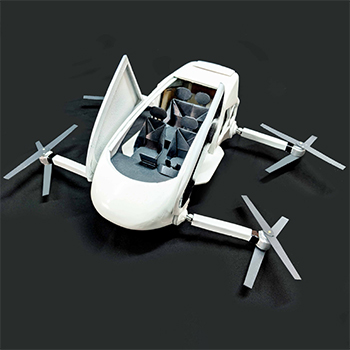
Air Transportation System- Modular Aerial Vehicle
by Minu
by Minu
In the early 20th century personal cars were gradually becoming a popular form of transport. In 1903 the Wright Brothers achieved the first powered flight. Within a decade, dreams of building a flying car began to crystallise for those in the auto industry. Large cities with traffic congestion problems are stepping forward to offer their cooperation to drone aviation innovators. A lot of manufacturers seek to put autonomous drones into the air. These drones will just happen to have a, presumably, untrained passenger. Passenger drones, by contrast, would operate autonomously and leave the “roadable” part behind in favour of larger versions of aircraft that already exist. Modularity in vehicle design has started to gain popularity due to a large number of benefits, including the possibility to use different types of bodies. The purpose of this project is to develop a modular aerial platform which is easy to manufacture, easy to operate, light in weight and battery driven. The key idea is to have a common chassis which could be used by companies to transform the body of the aircraft as per specific need.
Details >>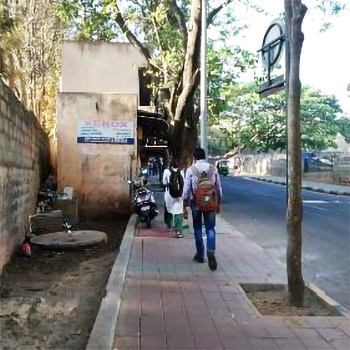
Life on a Footpath
by Nikita Fatarpekar
by Nikita Fatarpekar
The study of life on the footpath has been studied to be sensitive to the functions and activities carried out on the footpath. To understand how space, time, social culture and thoughts affect the view of a footpath. It has been observed that various places have different ways of using a footpath based on the user. To some it’s a home, while others are not affected by its absence. In different contexts, the same footpath can be differently pursued. In some cases it may be a multipurpose way, while in others it just exists. The form of footpaths in various places has been observed and studied in pure form, trying to understand its function and uses as well as non-uses.
Details >>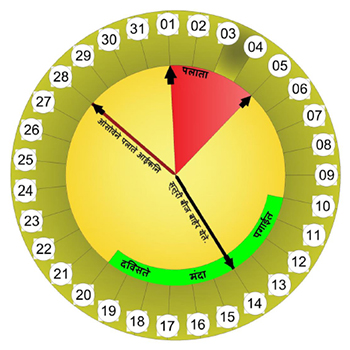
Lok Biradari Prakalp
by Nikita Fatarpekar
by Nikita Fatarpekar
This report consists of the works done during the P1 internship for the academic work of part for the provisionally degree of Master in Design in Industrial Design. The report contains the processes , analysis and study of the topic of interest of the various projects. This work has been carried out in the months of May and June 2018 at Lok Biradari Prakalp, Hemalkasa, in the field of health-related products. A detailed work process of the following projects : delivery bed, mobile ambulance, tuberculosis packaging, ANC/PNC medicine packaging, rabies cold box, insulin cold box, menstrual charts and book graphics of pregnancy phases. The process of design solutions for different projects has been according to its necessity in the area of study, and the various projects might not follow an order of procedure.
Details >>
Design of a portable spray bidet
by Nikita Fatarpekar
by Nikita Fatarpekar
As we are all aware of personal hygiene and its importance for healthy and quality living. As excretion is one of the parts of a living. There is a whole range of sanitary wares involved and developed for a better living. This project focuses on the need for a portable sanitation product for the urban population involved in travelling. The project was to design a portable bidet for travellers for easy cleaning and maintaining a hygienic living.
Details >>
Design of a Medicine Cold Storage for Electricity Intangible areas
by Nikita Fatarpekar
by Nikita Fatarpekar
As we are all aware of the medication and its importance for healthy and quality living. Medication by injecting medicines that are effective in the cold state is an aspect of medication. There is a whole set of refrigerated medicines developed for the betterment of human life. This project focuses on the need for a portable cold storage product for the rural population involved in treatment and medication. The project was to design a medicine cold storage in electricity intangible areas for health workers for treatment and medication in a rural area.
Details >>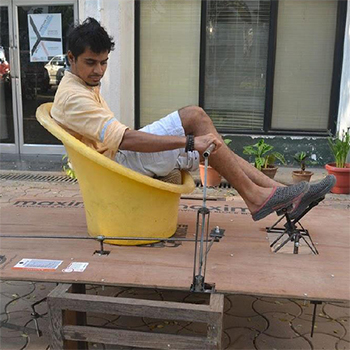
Proof of Concept and Testing of Treadle-Powered Fin Propulsion Boat
by Nirmal P J
by Nirmal P J
In this research paper we talk about the design and fabrication of a boat propulsion inspired by the biomechanics of a caudal fin of a fish. Various mechanisms and forms of generation have been explored to finally create a 1:1 scale proof of concept to test the functioning of the design. Experiments have been conducted to check the performance of the aquatic propulsion system and how it can be further improved. The aim was to develop a simple and efficient system inspired by a biological system which has an edge over the conventional screw propulsion.
Details >>
Summer Internship Report- Uravu Indigenous Science and Technology Study Center, Thrikkaipetta
by Nirmal P J
by Nirmal P J
The motive of the project was to study the existing chair design and document the process involved in it. Studying the chair involved analysing and finding the existing flaws in the design and producing a new chair by rectifying all the faults. The documentation process included documenting all the processes involved in the making of the chair by creating a detailed report on the time, labour and machinery involved in the making, which will help Uravu in the mass production of the chair as an industrial product. As they are building a platform to start a bamboo furniture wing in Uravu.
Details >>
Design Development and Production of Cooking Accessories
by Nirmal P J
by Nirmal P J
Coconut shell has been used as a material to make various cooking accessories for many years. Coconut shell is a hard, durable and, more importantly, a natural material. There are other materials which are also associated with the use of coconut shell, like bamboo and various types of wood. People have been using various products made of coconut shell, bamboo and wood in their kitchen for many years. All those products are mainly referred to as craft products because they are handcrafted by the craftsmen. But today the demand for these products has gone down because of various reasons. The focus area of this project is to look at how we can develop new designs and reposition the craft products to a higher market segment and how this can lead to the betterment of the coconut shell and bamboo craft community and the livelihood of the craftsmen. There are two major aspects to it. The primary aspect is developing new designs and repositioning these to a higher market segment. In order to do that, we have to look at various aspects like the materials and techniques, aesthetics, usability, and manufacturing of these products. All these aspects are very important and need to be scrutinised from two perspectives: one as a craftsman and the other as a user. As craftsmen, it is important that the design is doable and easy for them to manufacture. And as a user, it is important that the product is usable and aesthetically appealing to them. The second aspect is the manufacturing. To be able to manufacture it by the craftsmen, they must undergo training. This will enable them to learn new design ideas and techniques, which will help them in the long run.
Details >>
Blending Craft and Technology for Smart Lighting Applications
by Nirmal P J
by Nirmal P J
The focus area of this project is to look at how we can develop new designs and reposition the craft products to a higher market segment by combining the craft with technology and how this can lead to the betterment of the craft community of India and the livelihood conditions of the craftsperson. There are two primary aspects to this project: craft and technology. They are the two different ends of the spectrum. Craft products are generally very low-tech, and all the high-tech products have zero connection to the craft. Combining craft and technology will work for each other’s advantage. This will place craft products onto a new market segment and attract a broader range of user groups.
Details >>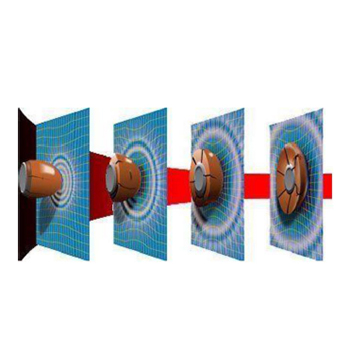
Exploration of new age materials used in the manufacturing of bullet proof vests
by P Sri Hari
by P Sri Hari
The bulletproof vest, also called a ballistic vest or bullet-resistant vest, is a personal armour that helps to stop penetration of firearm-fired projectiles into the body and absorb the impact. It is worn on the torso. Soft vests are made of many layers of woven or laminated fibres and can protect the wearer from shotgun projectiles, small-calibre handguns and small fragments from explosives like hand grenades. These vests often have a ballistic plate made of metal or ceramic inserted into the vest, providing additional protection against rifle rounds, and metallic components or tightly woven fibre layers can give soft armour resistance to stab and slash attacks from knives and similar close-quarter weapons.
Details >>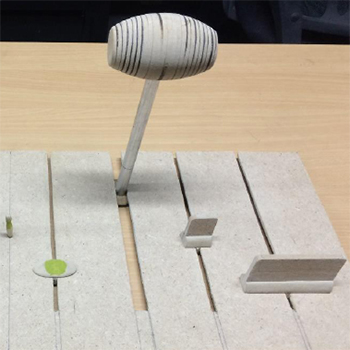
Design of hand operated control knobs based on various kinds of hand grips
by P Sri Hari
by P Sri Hari
Human beings have demonstrated amazing ingenuity in designing machines for accomplishing things with less wear and tear upon themselves. Since most machines require human control, they must include control devices through which people make their presence known to machines. These controls must be designed to be suitable for desired control actions in terms of sensory, psychomotor and anthropometric characteristics of the intended user. The design of these controls involves many product components, such as shape, size, force required to operate, resistance and grip. The choice of grips is dictated less by size and shape but by the task that is to be accomplished. Hand adopts different grips to adjust changing force or torque conditions. A single control knob design doesn’t serve all the purposes, and the design must evolve based on the application. This project aims at designing hand-operated control knobs based on different kinds of hand grips to enable the user to sustain productive work in a safe manner.
Details >>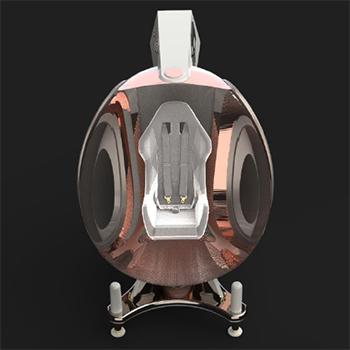
Immersive pod for enhancing Virtual Reality experience
by P Sri Hari
by P Sri Hari
Virtual reality is a computer-generated, feel-real environment. The sole purpose of virtual reality is to enable the user to manipulate and experience the digital or simulated environments as if they were the real world. The best virtual reality aims to achieve complete immersion. Immersive Virtual Reality pod is a platform that uses the latest immersive technologies to blur the line between the simulated world and physical world by providing complete immersion through stimulating various senses. The virtual reality experience is enhanced by a motion platform, immersive projection and Ambisonics to create perceptually real sensations. Whether you want a complete seclusion after a busy day to relax, want to watch a movie, or want to experience lifelike racing but without the crashes and accidents, the Virtual Reality pod makes it possible. The motion platform enhances the feeling that you’re experiencing real-life-like forces; users enjoy the complete 3D effects of sound using Ambisonics technology, and the immersive projection displays the virtual reality content spanning the entire visual field. All these technologies work synchronously to give you even greater immersion into the virtual world. Virtual reality seems to be identical to 3-D imagery, where you manipulate and experience the environment, rather than completely becoming part of the virtual world.
Details >>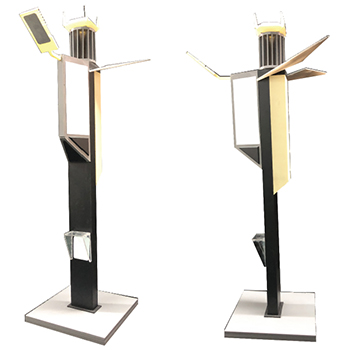
Reinterpreting poles as digital assets to enhance Value of road infrastructure
by P Sri Hari
by P Sri Hari
Urban areas are expected to contribute 75% of India's GDP AND house 40% of India's population by 2030. Smart cities development is a step in that direction. A smart city employs Internet of Things (IoT) sensors to perceive data and use the collected data to manage assets and resources efficiently. Poles are vital infrastructure and span across most parts of the cities but serve limited applications like lighting or signage. Poles of the future serve as ambidextrous city nodes capable of real-time monitoring of the entire city. These poles accommodate equipment for real-time data gathering on roads to make infrastructure more responsive according to the specific needs and achieve sustainability goals by deploying equipment that can naturally replenish the energy to meet the demand for equipment operation. Thus the value addition by redesigning the existing pole infrastructure helps to realise the vision for future smart cities. The humble street pole of the past may soon become the most valuable asset in the city's infrastructure.
Details >>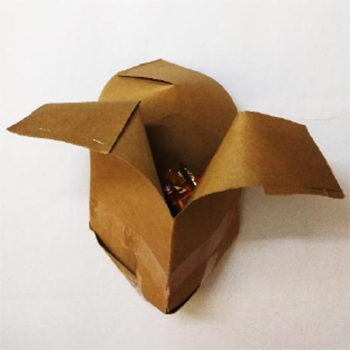
Nature inspired Food dispersal packaging For flood calamity
by Rajat
by Rajat
The food dispersal in flooded lands and conditions is by dropping one or more big & bulky packages of food. This causes damage to food items due to impact with the ground, which can also result in food contamination by exposure to the environment around it. This kind of delivery results in chaos within people, improper food distribution & waste of food due to damage caused by people handling it. The food items are damaged, especially when a variety of items are mixed together and dropped in a single attempt.
Details >>
Modular cup wheel with quick change mechanism
by Rajat
by Rajat
The project “Modular Cup Wheel with Quick Change Mechanism” was developed by Rajat as part of the Product Design program at IDC, IIT Bombay (2017–2019). It explores the design of a modular wheel system that incorporates an innovative quick-change mechanism, making it easier to replace or interchange parts without complex tools. This concept aims to improve efficiency, reduce downtime, and enhance user convenience, particularly in applications where wheels undergo frequent wear or need customization. The project reflects a thoughtful approach to functionality, ergonomics, and practical usability, documented as part of a P1 Project.
Details >>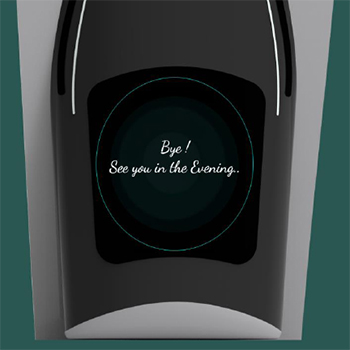
Next Generation Device for Bathing Experience
by Rajat
by Rajat
We all are aware of the significance of bathing and taking quick refreshing showers to drain out daily fatigue as a part of our personal hygiene. But it is equally important that the value for money paid for any product related to showering or bathing is equally justified with the experience achieved with it. Presently, there is a wide range of products available in the market that can bring in some valued experience but involves a lot of overall cost. On the other hand, there are products that serve the purpose but don't lead to any remarkable experience with the product utilisation. To enrich one's bathing experience, there are various technologies involved and developed these days that are available as a system for inside bathroom installations. This project focuses on targeting a niche for an appropriate bathing facility & bringing together the function, experience and value for money paid by the user to enrich the overall scenario with the presence of the desired product.
Details >>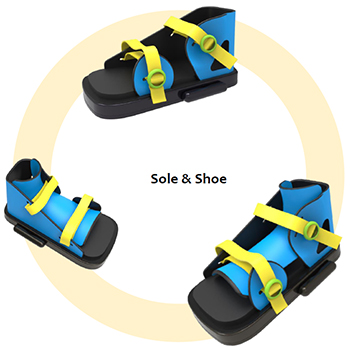
Design Intervention for Clubfoot Abduction Orthosis
by Rajat
by Rajat
Clubfoot is a birth deformity in which an infant's foot is curved towards the body internally, often so severely that the bottom of the foot faces sideways or even upward. The clubfoot can affect one foot or both feet. Clubfoot in both feet is called bilateral clubfoot, and in one foot, it is called unilateral clubfoot. Quick identification and immediate treatment help correct it. The leg affected with clubfoot may be smaller than the normal foot. Normally, half of the affected children have bilateral clubfoot. Some cases can also be associated with other problems too. This condition can be diagnosed at birth or before birth with ultrasound during 18 to 21 weeks of pregnancy. Normally, the males are identified with this condition about twice as frequently as females.
Details >>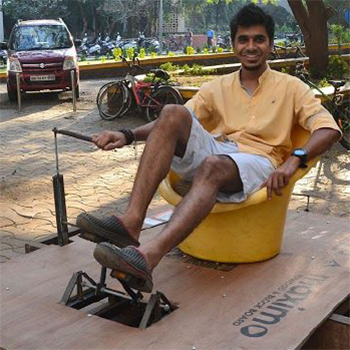
Proof of Concept and Testing of Treadle-Powered Fin Propulsion Boat
by Saijith M S
by Saijith M S
In this research paper we talk about the design and fabrication of a boat propulsion inspired by the biomechanics of a caudal fin of a fish. Various mechanisms and forms of generation have been explored to finally create a 1:1 scale proof of concept to test the functioning of the design. Experiments have been conducted to check the performance of the aquatic propulsion system and how it can be further improved. The aim was to develop a simple and efficient system inspired by a biological system which has an edge over the conventional screw propulsion.
Details >>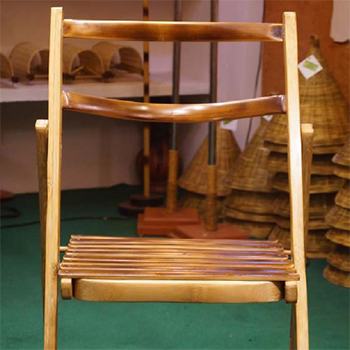
Summer Internship Report- Uravu Indigenous Science and Technology Study Center, Thrikkaipetta
by Saijith M S
by Saijith M S
The motive of the project was to study the existing chair design and document the process involved in it. Studying the chair involved analysing and finding the existing flaws in the design and producing a new chair by rectifying all the faults. The documentation process included documenting all the processes involved in the making of the chair by creating a detailed report on the time, labour and machinery involved in the making, which will help Uravu in the mass production of the chair as an industrial product. As they are building a platform to start a bamboo furniture wing in Uravu.
Details >>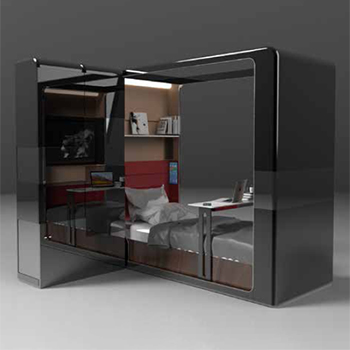
Reimagining The Bedroom Space
by Saijith M S
by Saijith M S
In today’s ever-changing world, material and people move places, cities and countries. As we migrate from city to city in search of better education, jobs or lifestyle, how well are these able to absorb the unprecedented population influx? As spaces become smaller, it is imperative for us designers to appropriate the same into compact liveable spaces. While the world is tending towards smart technology, isn’t it time to celebrate smart living – for a minimal, compact yet efficient living for the future? This project is a venture to reformulate the current perception of the existing household furniture system. A good night’s sleep is vital to our physical health and emotional well-being in this busy urban lifestyle. Here is an attempt to redesign the existing bedroom furniture into a single module which is compact, minimal and smart.
Details >>
Cooking Application Using Steam From Solar Steam Generator
by Saijith M S
by Saijith M S
Solar energy is considered to be the most renewable, clean and abundant source of energy. The application of solar energy has been implemented in various fields, cooking being one of them. The heat pump lab at IIT Bombay has developed a solar steam generator that is simple and affordable. Existing studies in the field show that using steam for cooking can save up to 40%-60% of fuel as compared to traditional cooking. Presently there are many manufacturers who produce cooking vessels in the market that use steam as a source for cooking food, which has its own pros and cons. These kinds of vessels are most effectively used in the area of community cooking (hospitals, hostels, temples, etc.). This project is an attempt to make the whole cooking activity much easier for the user, i.e., making it a user-centric design. Finding the flaws in the existing cooking vessels and delivering a new product that gives a new cooking experience for the user are the further objectives. The project has gradually attained its shape after studying a broad spectrum of steam-generated cooking to understand the possibility and scope of this project and finally narrowing it down to a steam-based rice cooker. This report outlines the detailed design process followed during the project.
Details >>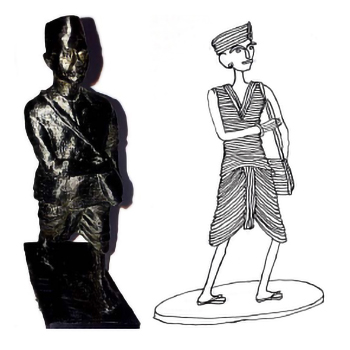
Recreating marchers of salt satyagraha by imbibing inspiration from Dhokracraft
by Sukanta Maharana
by Sukanta Maharana
The Dandi march lasted for 24 days, from 12 March 1930 to 6 April 1930, a campaign of tax resistance and nonviolent protest against British salt monopoly. It gave impetus to the Indian independence movement and started a nationwide civil disobedience movement. Gandhi, along with 80 trusted volunteers, covered 240 miles in 24 days. Started from Sabarmati Ashram, 240 miles away from Dandi, and broke the salt law on 6 April 1930 at 6:30 am. It sparked large-scale acts of civil disobedience against British Raj salt laws by millions of Indians. The salt satyagraha continued for a year, ending with Gandhi's release from jail and negotiation with the viceroy. Over 60,000 Indians were jailed as a result of satyagraha. Gandhi used civil disobedience as a technique for fighting social and political justice. Dhokra art is one of the earliest known methods of non-ferrous metal casting known to human civilisation. The name Dhokra was initially used to indicate a group of nomadic craftsmen. Later it applied to beautifully decorated brassware products created by the lost wax process. In India, these craftsmen are clustered in the states of Bihar, Odisha, Madhya Pradesh, and West Bengal. Dhokra art is practised by different communities like the Thataries, Ghasis, Situlias, Ghantaras, Bathudis and other Dhokra workers.
Details >>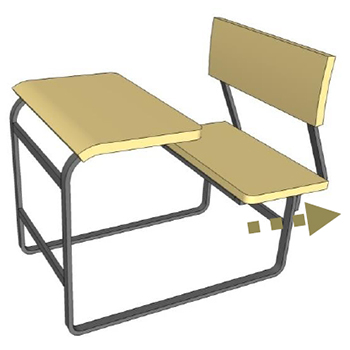
Ergonomic Standards for primary school furniture; Dimensional aspects
by Sukanta Maharana
by Sukanta Maharana
This project focuses on developing ergonomic standards for primary school furniture, particularly for children in the 6–8 years age group. At this stage, kids begin to practice prolonged seating postures for the first time in their lives, making it crucial to design furniture that supports their physical development and comfort. Furniture involves full-body interaction, providing an opportunity to deeply study anthropometry and ergonomics to ensure healthier sitting habits. Since there are currently no ergonomic standards for children’s furniture in India, the project emphasizes the need to create guidelines that address posture, usability, and long-term well-being in the learning environment.
Details >>
Designing fire safe for corporate and commercial sector
by Sukanta Maharana
by Sukanta Maharana
Safe is a rugged box made of unbreakable material where one can store documents and valuables. A fire safe additionally has the ability to save the documents and valuables from fire. Ever since man started colonising and socialising, they started storing things which are valuable to them. They made sure that their valuables are secure from every possible threat, like climate, fire, theft, etc. Initially, people used to hide valuables under some objects or up in the trees. Later they made wooden chests that became an essential part of their culture. Metal braces are used on the wooden chest for additional strength. After fulfilment of their functional requirements, they started anaesthetising the wooden chest with other decorative materials. By the time people had advanced in metallurgy and used metal boxes for more safety. These boxes did evolve through many socioeconomic activities. Many categories and subcategories came into the safe manufacturing based on its use, volume, placement and its functions. That can be broadly divided into burglary safes and fire safes based on their function. The fire safes protect the valuables from fire. As the modern lifestyle requires many legal documents, certificates, jewellery and some liquid cash, every household requires a fireproof safe. All the offices, both government and private, require a fireproof safe.
Details >>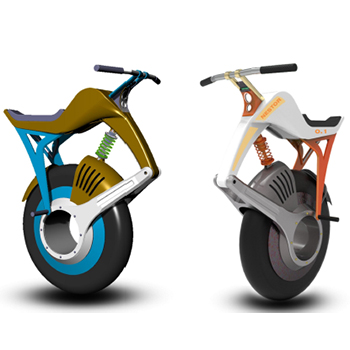
Electric mobility vehicle for adventure ride
by Sukanta Maharana
by Sukanta Maharana
Leisure travel has been, to a large extent, overshadowed by the style of travelling that involves adventure and offbeat experiences. Adventure sports are recreational activities perceived as involving a high degree of risk. These activities often involve risk, speed, power, and uncertainty. Regardless of their innate challenges, monobikes continue to capture the interest of adventurers. The difficulty of stabilising, starting, stopping, turning, and controlling monocycles at low speeds makes them challenging to operate. It has advantages like zero turning radius, minimum footprint, easy parking and freedom of ground clearance. The use of higher clearance and higher traction enables access on trails and forest roads that have rough and low-traction surfaces. The nonavailability of monowheel adventure rides creates an opportunity to design a special vehicle class that doesn’t exist in the current vehicular market.
Details >>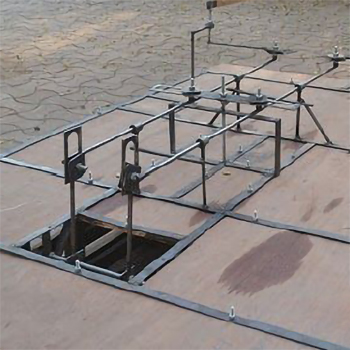
Proof of Concept and Testing of Treadle-Powered Fin Propulsion Boat
by Vinod Louis Joseph Swamy
by Vinod Louis Joseph Swamy
In this research paper we talk about the design and fabrication of a boat propulsion inspired by the biomechanics of a caudal fin of a fish. Various mechanisms and forms of generation have been explored to finally create a 1:1 scale proof of concept to test the functioning of the design. Experiments have been conducted to check the performance of the aquatic propulsion system and how it can be further improved. The aim was to develop a simple and efficient system inspired by a biological system which has an edge over the conventional screw propulsion.
Details >>
Cycle Lock
by Vinod Louis Joseph Swamy
by Vinod Louis Joseph Swamy
This project by Vinod Louis Joseph Swamy explores innovative approaches to product design, focusing on usability, aesthetics, and market relevance, and was carried out as a summer internship at Futuring Design Pvt. Ltd. As a P1 (first year) design project, it focuses on rethinking the form, mechanism, and usability of a bicycle locking system. The internship involved understanding real-world design processes, analyzing user needs, and generating creative solutions that balance functionality with form. The work emphasized ideation, material exploration, and refinement of concepts to suit both manufacturing feasibility and consumer expectations. Through this engagement, the project not only contributed to design development for the studio but also gave the intern valuable hands-on experience in bridging design thinking with practical industry requirements.
Details >>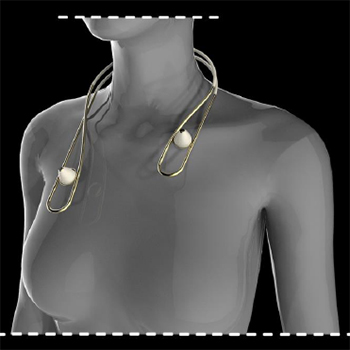
New- Age Gold Jewellery
by Vinod Louis Joseph Swamy
by Vinod Louis Joseph Swamy
The project explores the design of a 3-piece collection of new-age gold jewellery for urban women in India. The visual language of the range was defined by studying and forecasting the upcoming trends in the jewellery industry. The manufacturing processes and techniques used in the making of gold jewellery were looked into in order to exploit the usage of gold based on its properties as a material. With this in mind, formal exploration was done with novelty being the prime focus, yet with the semantic associations one has with jewellery. The collection has different types of wearables – a neckpiece, a collar clip and a brooch – each paired up with a different style of attire. To make jewellery functional and to appeal to the young tech-savvy user group, a Bluetooth headset was integrated with each of the wearables.
Details >>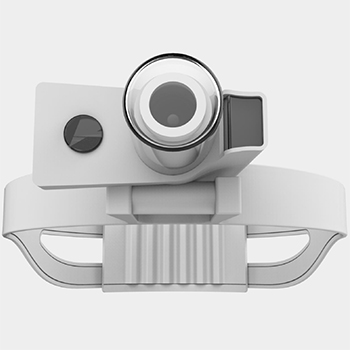
Automated Surgical Headlight
by Vinod Louis Joseph Swamy
by Vinod Louis Joseph Swamy
The project explores the incorporation of automation in the redesign of a surgical headlight used in open surgeries in order to address the unmet clinical need of the surgeon. To provide uniform and shadow-free illumination, the lighthead automatically maintains a constant spot size over a varying working distance. Documenting the surgery for educational purposes called for an integrated camera to wirelessly live-stream the surgery. The configuration of the various components in the lighthead was defined by compactness and easy cleanability. Explorations were done for designing the head mount so as to provide adjustability, grip and occipital support for user comfort when worn over long periods of time, along with rechargeable battery packs for uninterrupted usage.
Details >>